The First Bighorn Season Since Restoration
For decades, the idea of hunting bighorn sheep in Nebraska was little more than a hunter's pipe dream, a relic of a bygone era. Our majestic bighorns had been absent for so long, driven out by disease and settlement, that many never thought we'd see them roam the Pine Ridge again, let alone have an opportunity to pursue them. But through monumental conservation efforts, their numbers have rebounded, and with that came the incredibly rare, almost sacred chance: the first bighorn hunting season since restoration, a moment etched into the annals of Nebraska's hunting heritage. This guide dives deep into the significance, challenges, and enduring legacy of that historic first hunt.
A Dream Reborn: The Bighorn's Return to Nebraska
For many years, the thought of bighorn sheep in Nebraska existed only in history books and the occasional hopeful whisper among conservationists. These incredible animals, native to the rugged landscapes of the Pine Ridge, were extirpated from our state around the turn of the 20th century. Habitat loss, unchecked hunting in earlier times, and, most devastatingly, diseases contracted from domestic sheep decimated their populations, erasing them entirely from Nebraska's wild places. It was a stark reminder of how quickly even the most resilient species can vanish without dedicated stewardship.
However, the spirit of conservation is a powerful force, and for decades, dedicated biologists, wildlife managers, and passionate volunteers worked tirelessly to bring the bighorn sheep back home. Initial reintroduction efforts in the 1980s faced significant hurdles, often due to disease outbreaks, primarily a respiratory illness common in domestic sheep that proved lethal to our wild bighorns. It was a heartbreaking cycle of hope and setback, but the commitment never wavered. Each challenge served as a learning experience, refining strategies for future releases and understanding the critical factors for their long-term survival. You can learn more about these efforts in Bighorn Sheep Restoration in Nebraska.
The turning point truly began in the early 2000s, with a renewed focus on sourcing disease-free animals and carefully selecting release sites within the Pine Ridge that offered both prime habitat and isolation from domestic sheep herds. Bighorns from healthy populations in other Western states were carefully relocated, often through monumental efforts involving helicopters and specialized transport. These efforts slowly but surely began to establish small, thriving herds in the rugged canyons and buttes of northwestern Nebraska. Watching their numbers slowly climb, seeing lambs born in the wild, was a testament to perseverance and a beacon of hope for a species that once seemed lost to us forever. The increase in Nebraska Bighorn Sheep Numbers was a thrilling development for hunters and conservationists alike.
The Inaugural Permit and the Draw: More Than Just a Tag
When the Nebraska Game and Parks Commission announced the potential for a bighorn sheep season, it sent ripples of excitement—and disbelief—through the hunting community. This wasn't just another tag; it was a symbol of a conservation victory, a testament to years of hard work, and for the lucky few, an unparalleled opportunity. For that inaugural season, the number of permits was incredibly small, often just one or two, making the draw odds astronomical. It transformed the process from a routine application into a fervent prayer, a lottery ticket to a true once-in-a-lifetime experience.
The permit allocation typically included a public lottery permit and, famously, a conservation auction permit. The public lottery permit, while offering the same incredible hunting opportunity, was akin to winning the Powerball for hunters. Thousands applied, each hoping to be that one individual chosen from the masses. Many hopeful hunters, eager to understand the remotest chance, turned to resources like GoHunt to analyze historical draw odds from other states, knowing full well that for a first-ever permit in Nebraska, the data was purely speculative, adding to the mystique and inherent long-shot nature of the endeavor. This rigorous process is part of Nebraska's June Big Game Draw Explained.
The conservation auction permit, on the other hand, was designed to generate substantial funds specifically for bighorn sheep management and conservation efforts within Nebraska. These permits often fetch considerable sums, with passionate conservationists and hunters bidding to secure the ultimate tag, knowing their financial contribution directly fuels the ongoing success of the bighorn program. It's a powerful model where the pursuit of a trophy directly supports the future of the species, ensuring that more sheep can thrive in the future. The details of this unique opportunity can be found in Nebraska Bighorn Sheep Auction Permit. Securing either of these permits meant holding a piece of Nebraska's hunting history, a golden ticket to pursue an animal that most hunters only ever dream of seeing in person, let alone hunting. It truly was a monumental moment for Nebraska Big Game Permits and How to Get One.
The Hunt of a Lifetime: Strategies and Challenges
For the lucky few who drew or purchased one of those inaugural bighorn sheep permits, the real work began long before they ever set foot in the field. This wasn't a casual hunt; it was an expedition. The Pine Ridge terrain, while undeniably beautiful, is notoriously rugged and unforgiving. Deep canyons, steep escarpments, and thick timber make for challenging hiking and even tougher glassing. These hunters knew that success wouldn't come easy; it would require meticulous preparation, physical endurance, and a deep understanding of bighorn behavior in this unique landscape.
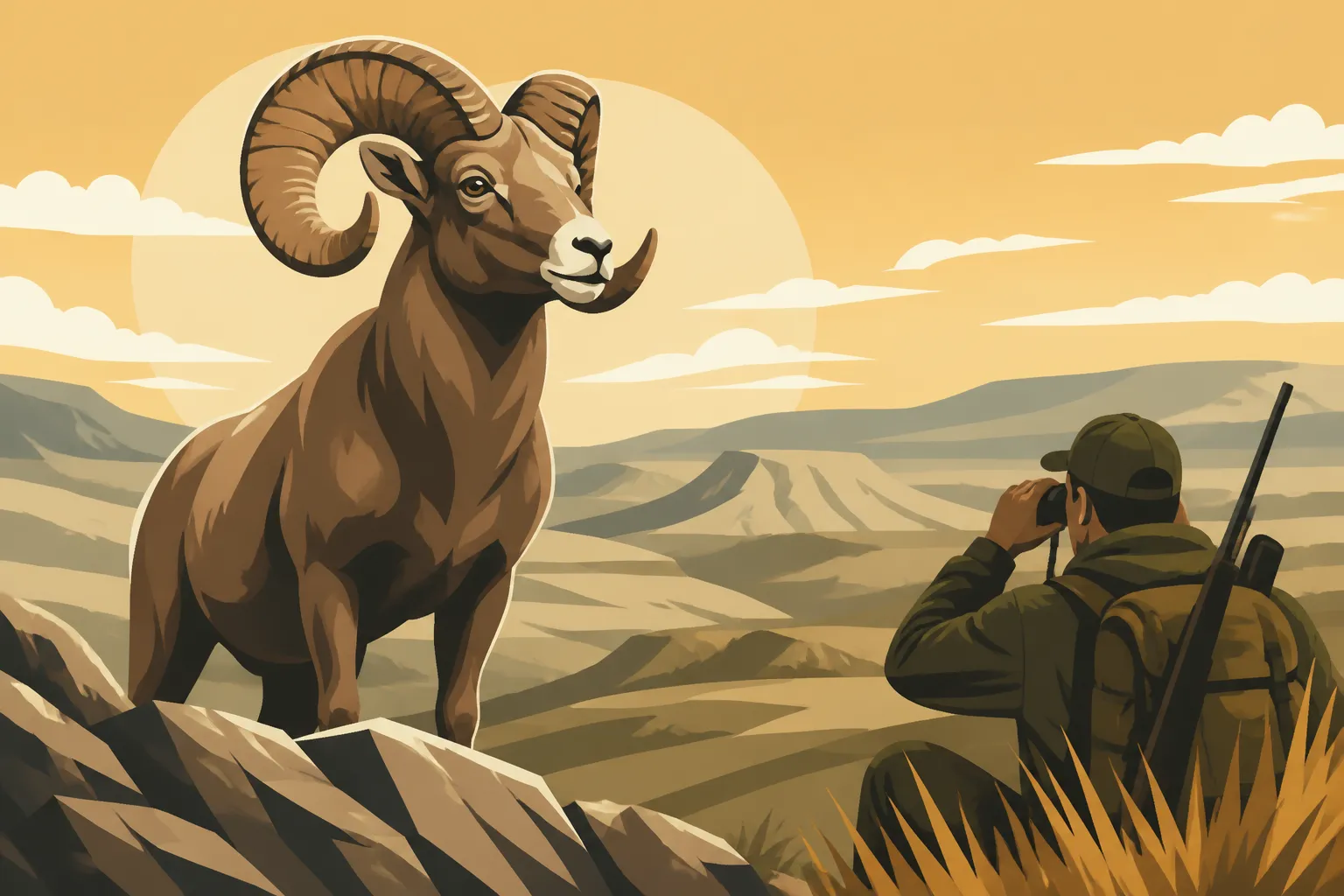
Scouting became paramount. Weeks, sometimes months, were dedicated to exploring the vast expanses of the Pine Ridge, often with the assistance of Nebraska Game and Parks biologists who had spent years monitoring the herds. Identifying key areas where rams might be feeding, watering, or bedding was critical. This involved countless hours behind high-powered optics, scrutinizing every rock and shadow, often glassing from distant vantage points to avoid disturbing the sheep. The importance of quality glass cannot be overstated when pursuing bighorns in this country; truly, Optics for Glassing the Nebraska Sandhills principles apply here, even though the terrain is different, emphasizing long-distance observation.
Once a ram was located, the true test began: the stalk. Bighorn sheep possess incredible eyesight and are masters of their environment. Closing the distance on a mature ram in the open, broken country of the Pine Ridge required patience, stealth, and an intimate knowledge of wind and thermals. Hunters often found themselves navigating precarious slopes, crawling through sparse cover, and pushing their physical limits. The rifle setup also had to be precise and dependable for potential long-range shots that are common in such expansive terrain. For those preparing, researching Rifle Setups for Nebraska's Open Country would be a crucial step.
The table below summarizes some key aspects of what hunters faced during Nebraska's inaugural bighorn season.
| Aspect | Details of the First Bighorn Season |
|---|---|
| Primary Hunting Area | Pine Ridge Escarpment, Northwestern Nebraska |
| Permit Acquisition | Extremely Limited Public Lottery & Conservation Auction |
| Draw Odds (Lottery) | Historically Low, Often < 0.1% |
| Physical Demands | High; Steep terrain, long hikes, elevation changes |
| Required Tactics | Extensive Glassing, Spot-and-Stalk, Patience |
| Ethical Considerations | Fair chase, respecting private landowners, wildlife welfare |
| Conservation Impact | Significant funding for bighorn management and research |
Every successful hunter from that first season shared stories of immense physical and mental challenges, culminating in a profound sense of accomplishment. It was more than just taking an animal; it was a deep connection to the land and a monumental achievement in the face of incredible odds. The experience resonated deeply, far beyond the pull of a trigger, representing the culmination of a conservation journey.
Beyond the Harvest: The Conservation Legacy
The first bighorn sheep season in Nebraska was never just about the hunt itself; it was a profound statement about conservation success and the future of wildlife in our state. The mere fact that a season could even be considered, let alone executed, was proof that the multi-decade effort to restore these magnificent animals had worked. The success of the initial hunts reinforced the viability of the bighorn herds and provided invaluable data for ongoing management. Every ram harvested provided biological samples that helped assess herd health, genetics, and age structures, contributing to a deeper scientific understanding of our bighorn populations.
Furthermore, the financial impact of the conservation auction permit cannot be overstated. The substantial funds raised from these permits are directly earmarked for bighorn sheep management and research in Nebraska. This includes everything from disease monitoring and habitat improvement to further reintroduction efforts and public education. These resources ensure that the bighorn population continues to thrive, mitigating threats like Bighorn Pneumonia in Nebraska Herds and expanding their range. It’s a self-sustaining model where those who value the species the most contribute directly to its future prosperity.
The publicity surrounding the first season also brought renewed attention to the Pine Ridge and the delicate ecosystems within it. It highlighted the importance of public access, responsible hunting, and the incredible natural beauty Nebraska possesses. This landmark event serves as a powerful testament to what can be achieved through dedicated conservation, proving that even a species lost for over a century can be brought back from the brink. For the individuals who participated, it was indeed a Once-in-a-Lifetime Rules in Nebraska opportunity, creating memories and stories that will be passed down for generations. It also added to our understanding of Nebraska Big Game Records Program, allowing the state to track and recognize these exceptional animals within our borders.
Disclaimer
This article is for general informational purposes only and does not constitute professional advice. Laws, prices and regulations vary by location and change over time. Consult a qualified professional for guidance on your specific situation.