Nebraska Bighorn Sheep Numbers
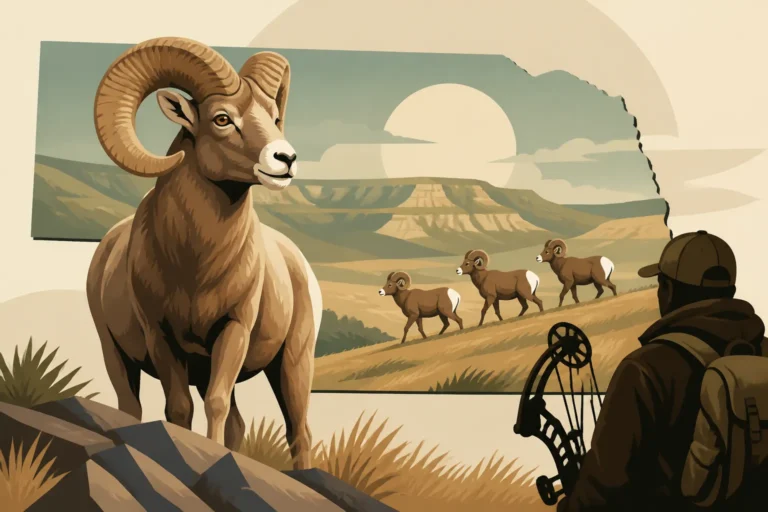
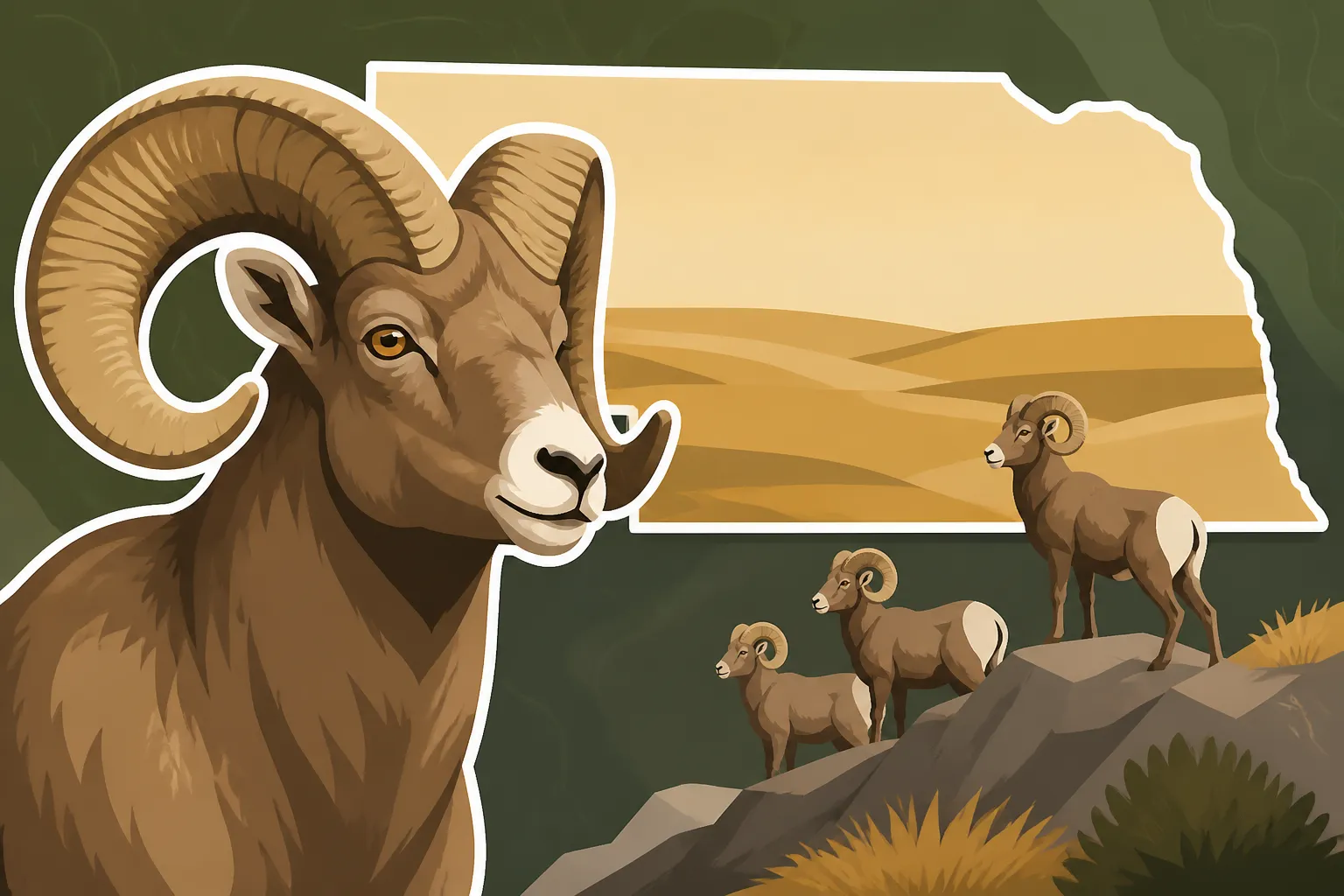
It's easy to think of Nebraska as nothing but endless cornfields and flat prairie, especially if you're not from around here. So when someone brings up bighorn sheep, a lot of folks might raise an eyebrow, wondering if those majestic animals truly roam our state. The truth is, they do – a testament to incredible conservation efforts. This guide aims to pull back the curtain on the journey of Nebraska's bighorns, exploring their historical presence, the challenges of re-establishing their herds, and the current status of their numbers in the rugged Pine Ridge.
The Return of Bighorn Sheep to Nebraska
The story of bighorn sheep in Nebraska isn't just about their current numbers; it's a dramatic tale of loss, determination, and a hopeful return. For many years, the idea of these magnificent animals gracing our landscapes was little more than a whisper of history. But dedicated efforts have slowly, carefully brought them back.
A History of Extirpation and Reintroduction
Believe it or not, bighorn sheep were once native to the rugged corners of western Nebraska. Historical accounts and archaeological evidence suggest they roamed areas like the Pine Ridge and Wildcat Hills, navigating the dramatic bluffs and canyons with their incredible agility. Sadly, as European settlement pushed westward in the 1800s, a combination of factors led to their complete disappearance from the state. Unregulated hunting took its toll, but perhaps even more devastating were the diseases introduced by domestic livestock, particularly pneumonia, which bighorns have little resistance to. By the early 1900s, Nebraska's native bighorn sheep were completely extirpated, gone from our wild lands. It's a sobering reminder of how quickly even robust populations can vanish without careful management.
For decades, the idea of bighorns returning to Nebraska seemed like a distant dream. However, beginning in the late 1980s and continuing into the early 2000s, dedicated conservationists and wildlife agencies embarked on ambitious reintroduction programs. This wasn't a simple task of just releasing animals; it involved careful planning, selecting suitable habitat, and sourcing bighorns from healthy populations in other states, primarily Montana and Colorado. The initial releases were small, and the survival of these new herds was far from guaranteed. They faced acclimatization challenges, continued disease risks, and the sheer difficulty of establishing a foothold in a landscape that had changed significantly since their ancestors roamed. It's truly inspiring to witness the long-term commitment it takes to right past wrongs and bring such an iconic species back from the brink locally.
The Pine Ridge as Bighorn Haven
When it came to finding a suitable home for the reintroduced bighorn sheep, the choice was clear: the Pine Ridge escarpment in northwest Nebraska. This unique geological formation, with its rugged canyons, steep bluffs, and dense ponderosa pine forests, offers the exact type of habitat bighorns need to survive and thrive. The terrain provides natural escape routes from predators, crucial vertical space for their remarkable climbing abilities, and a diverse range of forage. Unlike the more open prairie or agricultural lands that dominate much of the state, the Pine Ridge offers the isolation and wildness that these wary animals require.
The specific characteristics of the Pine Ridge, such as its elevation changes and rocky outcrops, are paramount for bighorn survival. They are naturally drawn to areas where they can see danger approaching from a distance and quickly retreat to vertical cliffs where predators like coyotes and even mountain lions struggle to follow. This specialized habitat is not abundant in Nebraska, which limits the potential range for bighorn expansion. Understanding why the Pine Ridge is so critical helps us appreciate just how tenuous their re-establishment is and why every effort to protect this specific environment is so vital. It's a narrow slice of true wilderness that offers a lifeline to these magnificent animals. Many hunters are drawn to this area, not just for bighorns, but for species like mule deer and Merriam's turkeys, which also thrive in the unique terrain, as highlighted in guides like Hunting Mule Deer in the Nebraska Pine Ridge.
Current Bighorn Sheep Population Numbers in Nebraska
Getting a precise count of bighorn sheep in Nebraska is a bit like trying to count individual snowflakes in a blizzard – incredibly challenging. These animals live in some of the most remote and rugged parts of the state, making traditional survey methods difficult. While exact figures are elusive, wildlife agencies work tirelessly to provide estimates and track population trends.
Understanding Herd Estimates and Challenges
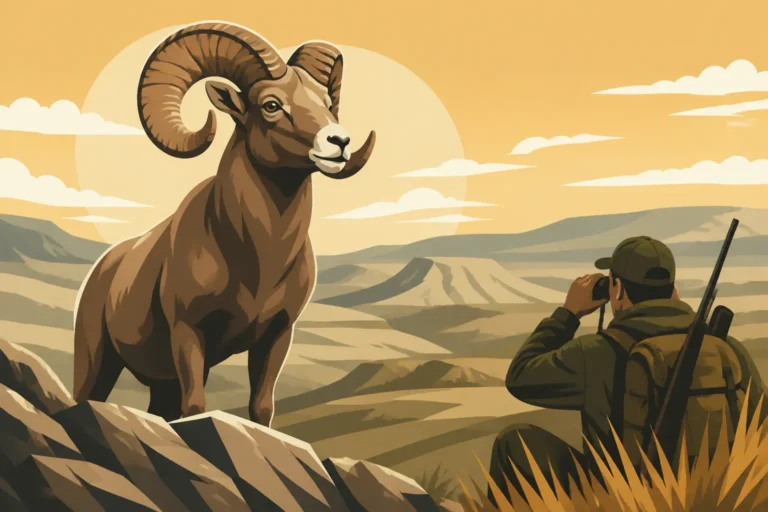
Wildlife biologists employ a variety of methods to estimate bighorn sheep numbers, including aerial surveys conducted from helicopters and fixed-wing aircraft, ground counts using spotting scopes, and even remote camera monitoring. However, each of these methods comes with its own set of challenges, especially when dealing with such elusive animals in their natural, often precipitous, habitat. The Pine Ridge, for all its beauty and suitability for bighorns, is also a formidable landscape for human observation. The dense pine canopy can hide animals from aerial view, and the broken terrain makes ground-based counting a logistical nightmare.
Because of these difficulties, the "numbers" we hear are often estimates, not definitive counts. They represent the best scientific approximations based on observed animals, lamb recruitment, and mortality rates. These figures are crucial for understanding herd health, but they are also subject to natural fluctuations. Factors like severe winters, drought, and disease outbreaks can cause numbers to dip, while successful lambing seasons can see them rise. This variability often leads to a lot of questions from interested hunters and conservationists who want to know the exact current status. While detailed, live population counts for bighorn sheep aren't typically published in real-time due to their sensitive nature and the inherent challenges in tracking them, resources like GoHunt can be invaluable for understanding broader big game trends and permit applications across various states. It's important to remember that these are small, precious herds, and their health is a constant management priority. The goal isn't necessarily massive numbers, but healthy, self-sustaining populations.
Factors Influencing Bighorn Population Health
The journey of reintroducing bighorn sheep to Nebraska has been punctuated by both successes and heartbreaking setbacks, primarily due to factors influencing their overall population health. One of the most significant and persistent threats is disease, especially pneumonia. Bighorns are highly susceptible to strains of pneumonia carried by domestic sheep and goats, and an outbreak can decimate a herd in a very short amount of time. Sadly, Nebraska's bighorn populations have experienced these devastating events, which have significantly impacted their growth and stability. Understanding this vulnerability is key to comprehending why their numbers remain relatively low compared to other big game species. The guide Bighorn Pneumonia in Nebraska Herds delves deeper into this critical issue.
Beyond disease, other factors play a role. Habitat quality, while generally good in the Pine Ridge, can be affected by wildfires, drought, or encroachment from human activity. Predation, though typically a secondary concern for healthy bighorns, can become more impactful on smaller, struggling herds, especially affecting lambs. Even seemingly small disturbances can have a magnified effect on a population that is still in its re-establishment phase. Wildlife managers are constantly monitoring these variables, implementing strategies like disease testing, prescribed burns to enhance forage, and even relocating animals to bolster genetic diversity in isolated herds. It's a delicate balance, and every piece of the puzzle, from forage to genetics, must align for these animals to truly thrive and grow their numbers.
The Impact of Limited Hunting Opportunities on Herd Management
For many species, hunting is a key management tool. For bighorn sheep in Nebraska, however, the role of hunting is distinct, driven more by conservation funding and public interest than by population control. The extreme rarity of a bighorn permit is a direct reflection of their low numbers and the unique management goals for this species.
The Nebraska Bighorn Sheep Lottery Explained
If you're a hunter in Nebraska, or even an out-of-state enthusiast dreaming of a once-in-a-lifetime hunt, the Nebraska bighorn sheep lottery is likely something you've heard whispers about. It’s infamous for its extremely long odds, and for good reason: typically, only one or two permits are available each year, sometimes none. This isn't because the state wants to make it impossible to hunt; it's a direct consequence of the state's very small bighorn population. Each permit is a carefully calculated decision, designed to allow for minimal harvest while still supporting conservation efforts through permit fees. For reference, the odds of drawing one of these permits are astronomically low, making it one of the most coveted tags in North America. You can get a sense of just how competitive it is by reading Nebraska Bighorn Sheep Lottery Odds.
The lottery system, where hopeful applicants buy preference points or throw their hat in the ring each year, serves a dual purpose. It generates some revenue that goes directly back into bighorn management and research, even from those who don't draw. More importantly, it highlights the commitment to a sustainable population. Every sheep is precious, and every harvest is weighed against the long-term health and growth of the herd. This is a very different approach from deer or pheasant hunting, where permits are widely available. It underscores the unique status of bighorns as a species still very much in recovery within the state. The inaugural hunt marked a significant milestone, as detailed in The First Bighorn Season Since Restoration, signifying that the population had reached a point where limited, highly controlled harvest was deemed sustainable.
The Auction Permit and Conservation Funding
Beyond the public lottery, there's another, equally rare, avenue for a bighorn sheep permit in Nebraska: the auction permit. Each year, usually one permit is made available through a conservation auction, typically hosted by a national wildlife organization. This permit is unique because it often sells for an extraordinary sum of money, sometimes hundreds of thousands of dollars. The entire proceeds from the sale of this auction permit go directly back into bighorn sheep conservation efforts in Nebraska. It’s a powerful testament to the value that passionate conservationists and hunters place on these animals.
This auction permit is not just a status symbol for the fortunate hunter who acquires it; it's a vital financial engine for the bighorn program. The funds generated are critical for supporting ongoing research into disease prevention, habitat improvement projects, monitoring technology, and even potential future reintroduction efforts or herd augmentations. It represents a significant portion of the budget dedicated to these animals and demonstrates how the hunting community, through these high-value permits, directly contributes to the survival and recovery of a species. It's truly a shining example of how hunter dollars fuel conservation, ensuring that the bighorn sheep can continue to expand their numbers and maintain a healthy presence in the Pine Ridge. This concept of supporting conservation through hunting is common for many rare species, often falling under Once-in-a-Lifetime Rules in Nebraska for drawing tags.
| Aspect | Historical (Pre-1900s) | Reintroduction Era (Post-2000s) |
|---|---|---|
| Status | Native, then extirpated | Reintroduced, small herds |
| Primary Range | Western Nebraska (e.g., Pine Ridge, Wildcat Hills) | Pine Ridge Escarpment |
| Population Size | Unknown, once present in higher numbers | Small, highly monitored (dozens, not hundreds) |
| Key Threats | Unregulated hunting, disease from livestock, habitat loss | Disease (especially pneumonia), genetic bottlenecks |
| Conservation Focus | None (extirpated) | Intensive management, disease prevention, habitat enhancement |
The Future of Nebraska's Bighorn Sheep
The journey of Nebraska's bighorn sheep is far from over. Their continued presence is a fragile success story, demanding constant vigilance and adaptive management. Looking ahead, the focus remains on ensuring these herds not only survive but also flourish, contributing to the rich biodiversity of the state.
Ongoing Monitoring and Conservation Efforts
The Nebraska Game and Parks Commission, along with various partners and conservation groups, is deeply committed to the long-term health of the state's bighorn sheep populations. This commitment translates into continuous, rigorous monitoring. Biologists regularly conduct health checks, capture animals to fit them with GPS collars for tracking movement and survival, and perform disease surveillance. This proactive approach is essential for detecting problems early and intervening before they can devastate a small herd. Given the persistent threat of pneumonia, this disease monitoring is paramount, as a single outbreak can set back years of conservation gains.
Beyond direct monitoring, conservation efforts also encompass habitat improvement. This can involve strategic land management in the Pine Ridge to ensure optimal forage and cover, or collaborating with private landowners to minimize potential conflicts and expand suitable habitat. There’s a constant effort to learn more about these animals through research, adapting management strategies as new information emerges. This blend of science, on-the-ground work, and partnerships is what keeps Nebraska's bighorn sheep story alive. The work to restore big game species is often a generational effort, much like the history of Nebraska Elk Herds and Where They Live.
What Success Looks Like for Nebraska Bighorns
When we talk about "success" for Nebraska's bighorn sheep, it's not simply about achieving massive population numbers like those of white-tailed deer. Given their specialized habitat requirements and inherent vulnerabilities, success looks a bit different. The primary goal is to maintain viable, self-sustaining herds that are genetically healthy and resistant to major disease events. This means having a stable age structure, good lamb recruitment, and enough genetic diversity to withstand environmental challenges without constant human intervention.
Ultimately, the vision for Nebraska's bighorn sheep is a future where they are a secure and enduring part of the state's wild heritage. While their numbers may always remain relatively small compared to other game species, their presence adds immeasurable value to Nebraska's ecosystem and offers a powerful symbol of successful wildlife conservation. It's a journey that speaks to the heart of what hunting and conservation are all about: ensuring that future generations can witness the majesty of these incredible animals in their natural element. The commitment to understanding and managing all of Nebraska's unique game species, from bighorns to the White-Tailed Deer Across Nebraska, is a long-standing tradition.
Disclaimer
This article is for general informational purposes only and does not constitute professional advice. Laws, prices and regulations vary by location and change over time. Consult a qualified professional for guidance on your specific situation.