When Elk Returned to Nebraska
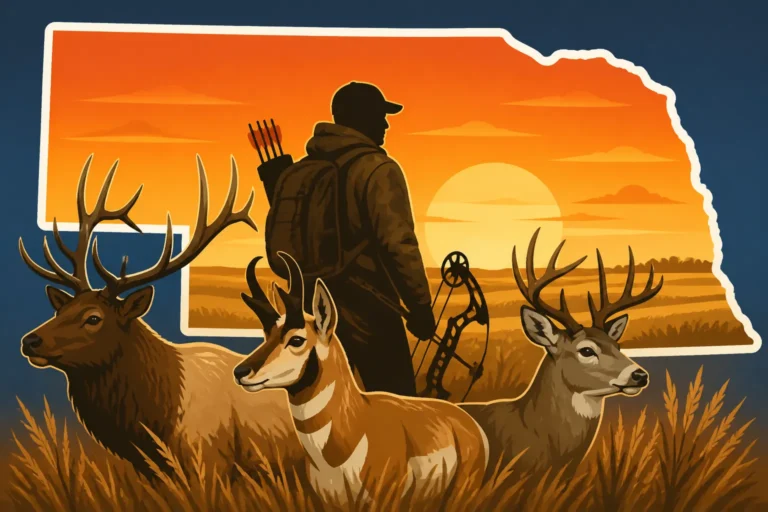
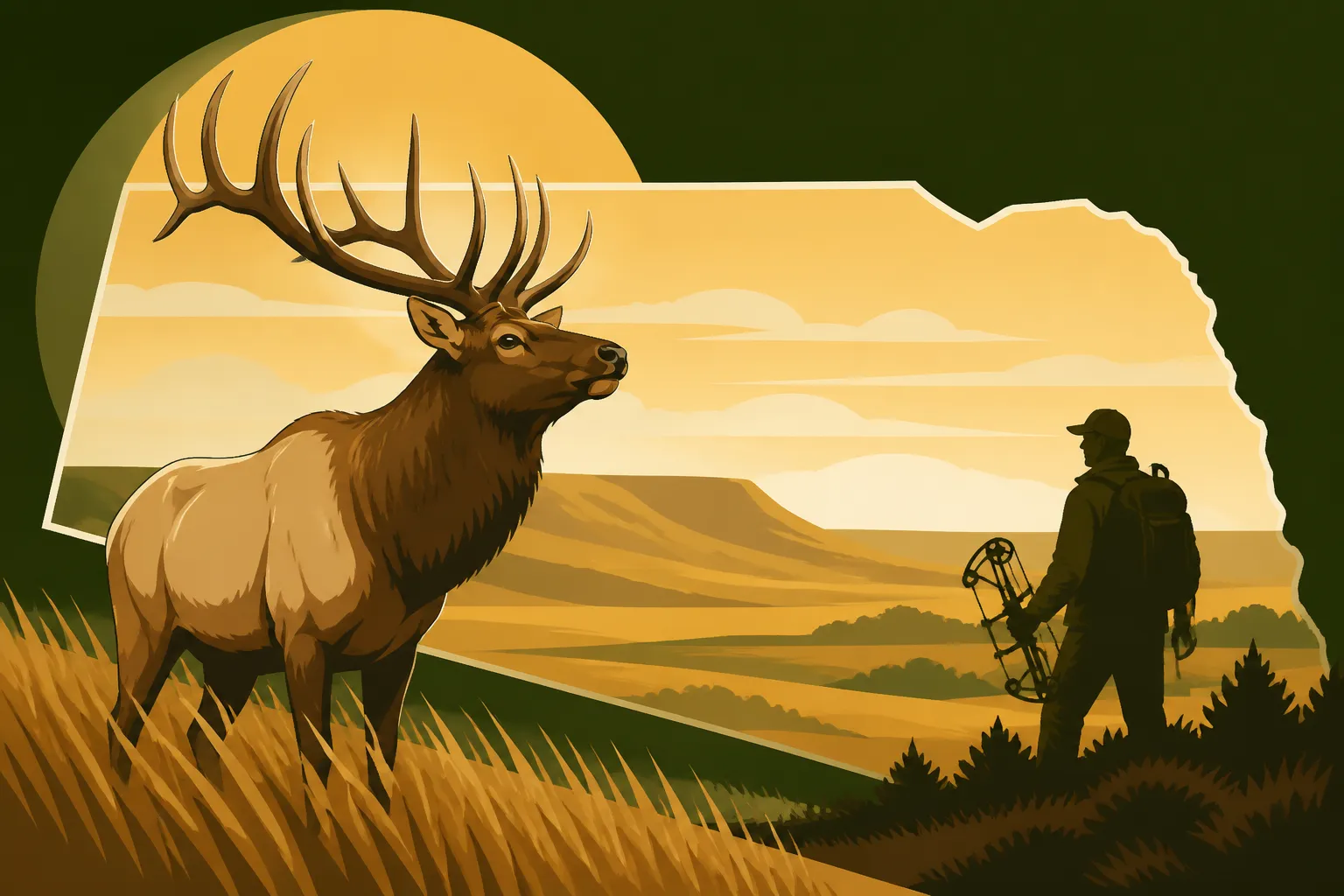
It might surprise a lot of folks to hear about elk roaming the vast landscapes of Nebraska. For decades, the majestic animals were little more than a whisper of the past, a species relegated to history books in the Cornhusker State. This guide is dedicated to exploring the fascinating story of how elk, once a vital part of Nebraska's wilderness, disappeared and then, against many odds, naturally reclaimed their place in the state's diverse ecosystems.
The Historical Presence of Elk in Nebraska
Long before settlers tilled the prairies and built towns, Nebraska was home to a thriving population of elk. These magnificent animals roamed freely across the vast grasslands, river bottoms, and timbered draws that characterized the region. Their presence was a testament to the rich biodiversity and expansive wilderness that defined Nebraska for centuries.
Pre-Settlement Abundance and Early Decline
Imagine Nebraska in the early 1800s – a sea of grass, dotted with cottonwood stands along rivers, and herds of bison, deer, and yes, elk, moving across the landscape. Historical accounts from early explorers and settlers often speak of the incredible abundance of game, including elk. These animals were a crucial part of the ecosystem, their grazing habits influencing vegetation, and their presence supporting a complex food web. However, as human settlement began to accelerate, so did the pressure on these wild populations. Market hunting for meat and hides, coupled with unchecked sport hunting, began to take a severe toll on the herds. The sheer scale of demand for their resources meant that what once seemed an endless supply of animals quickly dwindled.
The gradual conversion of native prairies into agricultural fields also played a massive role. As farms expanded, crucial elk habitat was fragmented and destroyed. Elk are large animals that require extensive ranges to thrive, moving between different habitats for food, water, and cover throughout the year. The fences that sprang up to contain livestock became barriers, disrupting traditional migration routes and further isolating remaining groups of elk. This wasn't just about losing a few trees here and there; it was a fundamental alteration of the landscape that made it increasingly difficult for elk to survive and reproduce.
The Near Disappearance and Local Extirpation
By the late 19th and early 20th centuries, the situation for elk in Nebraska became dire. The relentless combination of market hunting, habitat destruction, and a lack of conservation measures pushed them to the brink. They were, in effect, locally extirpated from Nebraska – meaning they were gone from the state entirely, though populations still existed elsewhere in North America. It's hard to imagine today, with our modern conservation efforts and awareness, but entire species could simply vanish from a state's landscape within a few generations. For many years, the idea of seeing a wild elk in Nebraska seemed like a romantic notion from a bygone era, a story told by grandparents about a wilder time. The land had changed so much, and the opportunities for elk to recover seemed non-existent.
This period marked a significant loss, not just of a species, but of a piece of Nebraska's natural heritage. The silence where elk bugles once echoed was a stark reminder of the impact human activity could have. While other big game, like white-tailed deer, managed to persist in smaller numbers or rebound more quickly, elk required a different set of conditions to thrive, conditions that were increasingly scarce in a developing state. Understanding this historical context is crucial to appreciating the story of their eventual return and the unique challenges and triumphs associated with it.
The Natural Re-Establishment and Modern Herds
Unlike many other states that implemented ambitious reintroduction programs to bring back elk, Nebraska's story is primarily one of natural re-establishment. This means the elk weren't trapped elsewhere and released here by wildlife agencies. Instead, they took matters into their own hooves, gradually finding their way back into the state on their own.
How Elk Started Appearing Again
The late 20th century saw a slow but steady shift in the landscape and wildlife dynamics of Nebraska and its neighboring states. Healthy elk populations in places like Colorado, Wyoming, and South Dakota began to expand their ranges. As these populations grew and spread, individual elk or small groups started to venture out, exploring new territories. Nebraska, with its improving habitat conditions and a greater public awareness for conservation, began to look more appealing. These pioneering elk weren't looking at maps; they were simply following instinct, searching for food, water, and security.
Many of these animals migrated down river systems like the Niobrara, finding pockets of suitable habitat with good cover and fewer human disturbances. The rough breaks of the Pine Ridge in the panhandle, for instance, offered rugged terrain and denser timber that provided both food and sanctuary. Slowly, almost imperceptibly at first, these wanderers found each other, settled down, and began to reproduce. It was a gradual process, often unnoticed by the wider public for years, until sightings became more frequent and consistent. It's a testament to the resilience of wildlife and the importance of healthy populations in adjacent areas. If you're looking for information on Nebraska's wild game, GoHunt can be a useful resource to check out for general species distribution, even if specific elk data is limited to official channels.
The Role of Migration and Habitat Suitability
The natural return of elk to Nebraska can largely be attributed to a combination of successful management in neighboring states and improved habitat conditions within Nebraska itself. In areas like the Pine Ridge, significant tracts of forest and broken topography provided the seclusion and forage elk needed. Along the Niobrara River, extensive riparian corridors offered a mosaic of timber, brush, and open meadows. These natural highways allowed elk to move relatively unmolested.
Crucially, the attitudes of landowners and the general public also evolved. While some challenges remain, there's a greater appreciation for wildlife, and conservation efforts have helped restore some natural areas. The decline of certain agricultural practices in marginal lands has allowed some native vegetation to rebound, providing better forage. While Nebraska isn't known for vast mountain ranges, it possesses specific niches that proved surprisingly hospitable to returning elk. This natural expansion, rather than human-orchestrated reintroduction, is a unique and compelling aspect of Nebraska Elk Herd History.
Managing Nebraska's Growing Elk Population
With the natural return of elk, the Nebraska Game and Parks Commission found itself with a new and exciting, yet challenging, management scenario. These aren't the abundant, widespread herds of the old days, but localized populations that require careful stewardship.
Monitoring and Management Challenges
Managing a naturally returning, localized elk population is a delicate balancing act. On one hand, wildlife officials want to support the healthy growth of these herds, recognizing their ecological value and the public's interest in seeing such iconic animals thrive. On the other hand, elk are large, mobile animals that can cover significant ground, often leading them into conflict with human interests. Monitoring involves tracking herd numbers, sex ratios, and overall health, which can be particularly difficult in vast, privately owned landscapes. Wildlife biologists often rely on a mix of aerial surveys, landowner reports, and ground observations.
A primary challenge lies in managing elk dispersion and population growth in areas where they might cause issues. Elk are heavy grazers and browsers, and a growing herd can quickly impact agricultural crops, especially corn, alfalfa, or even hay bales meant for livestock. They can also damage fences, creating headaches for ranchers. This is where the balance becomes critical, seeking ways to allow elk to flourish without unduly burdening landowners. The presence of these animals, while exciting for hunters and wildlife enthusiasts, presents real, tangible problems for those whose livelihoods depend on the land. Nebraska Elk Crop Damage in Nebraska is a serious concern that wildlife managers constantly address.
Balancing Elk and Landowner Interests
The cornerstone of successful elk management in Nebraska is fostering cooperation between wildlife agencies and private landowners. Much of the suitable elk habitat in Nebraska is on private property, making landowner tolerance and participation absolutely essential. Without private land access and understanding, managing these herds would be virtually impossible. Game and Parks often works with landowners to mitigate damage, sometimes offering assistance with fencing or exploring other deterrents.
One of the ways to balance these interests is through regulated hunting. Hunting opportunities, while limited, serve multiple purposes. They help manage herd size, control distribution, and can encourage elk to be warier, potentially reducing their likelihood of frequenting agricultural fields. Furthermore, the revenue generated from permit sales contributes to conservation efforts, including habitat improvement and direct assistance to landowners. This collaborative approach ensures that elk can continue to be a part of Nebraska's landscape while minimizing negative impacts on the agricultural communities that share the land. When considering applying for a permit, services like GoHunt might offer insights or tools that could assist hunters in understanding draw odds or identifying units.
Hunting Opportunities and Permit Systems
Hunting for elk in Nebraska is a highly coveted and limited opportunity, reflecting the relatively small and localized nature of the herds. Unlike deer, where numerous permits are available, elk permits are scarce and typically awarded through a lottery system. This makes drawing an elk tag a true once-in-a-lifetime (or at least once-in-many-lifetimes) event for most hunters. The goal of these permits is not just recreation, but as a critical management tool to achieve population objectives, spread elk out, and reduce depredation issues.
The types of permits available and the specific units where hunting is allowed are carefully determined each year, based on current population assessments and management goals. For those dreaming of a Nebraska elk hunt, understanding the complex permit system, including applications and draw dates, is paramount. Details can be found through the official Nebraska Game and Parks Commission website. The limited number of permits means competition is fierce, and aspiring elk hunters often build preference points over many years in hopes of drawing a tag. You can learn more about the broader permit system in Nebraska Big Game Permits and How to Get One.
| Aspect | Pre-Settlement Elk (Before ~1850) | Modern Elk (Late 1900s – Present) |
|---|---|---|
| Population Size | Widespread and abundant | Localized, relatively small herds |
| Primary Habitat | Undisturbed prairies, river bottoms, timber | Pine Ridge, Niobrara River Valley, limited river systems |
| Causes of Decline | Market hunting, habitat conversion, settlement | N/A (modern population is a return) |
| Key Management | N/A (unmanaged, wild populations) | Regulated hunting, landowner cooperation, damage mitigation |
| Access | Open range, unrestricted | Primarily private land, limited public access |
| Hunting Status | Unregulated, subsistence/market | Highly regulated, limited draw permits |
Where Nebraska Elk Herds Live (Current Concentrations)
While elk are an exciting addition to Nebraska's wildlife, they aren't found everywhere. Their presence is largely concentrated in specific regions where habitat conditions and human tolerance align. These areas provide the necessary blend of cover, food, and seclusion that these large ungulates require.
Key Regions for Elk Activity
The primary stronghold for Nebraska's elk herds is undeniably the Pine Ridge in the northwestern part of the state. This rugged area, characterized by Ponderosa pine forests, steep canyons, and broken terrain, provides ideal habitat. The Pine Ridge offers dense cover for bedding and security, diverse forage, and often, reliable water sources. Elk can disappear into the draws and timbered hillsides, making them elusive for even seasoned observers. This region often holds the highest densities of elk and is the most consistently productive for management purposes. Hunters interested in this area might find Hunting the Nebraska Pine Ridge Escarpment useful for general terrain understanding.
Another significant area for elk activity is along the Niobrara River Valley. This river corridor, particularly its western reaches, boasts a rich mosaic of hardwood timber, cedar breaks, and associated grasslands. The Niobrara's relatively wild nature and the presence of both private and some public lands provide corridors for movement and pockets of suitable living space. Elk here often stick to the river breaks, finding sanctuary in the thickets and using the river itself as a barrier or a source of hydration. Beyond these two primary areas, smaller, more transient groups of elk may occasionally be sighted in other river drainages or even parts of the Sandhills, usually moving through or exploring new territory.
Understanding Elk Behavior in Nebraska Landscapes
Elk are adaptable animals, but their behavior in Nebraska is often shaped by the unique blend of habitat and human presence. In the Pine Ridge, they behave much like mountain elk, utilizing elevation and dense cover to their advantage. They can be found grazing in meadows during cooler parts of the day and retreating to thick timber for security. In the river bottoms, they hug the timbered edges, often moving between feeding areas in adjacent fields or grasslands and the dense cover of the riparian zone. Understanding these patterns is key for anyone hoping to observe or hunt them.
Because much of their range is on private land, elk in Nebraska can be particularly sensitive to human disturbance. They often become more nocturnal in areas with higher human activity, feeding under the cover of darkness and bedding down in dense, inaccessible areas during the day. Their keen senses of smell, sight, and hearing are constantly at work, making them challenging to approach. For hunters, this means rigorous scouting and patience, often relying on high-quality optics like those mentioned in Optics for Glassing the Nebraska Sandhills to spot animals from a distance. Respecting private property and understanding Nebraska Sandhills two-track for proper access is critical, as elk will quickly relocate if they feel pressured. Their continued presence is a testament to their adaptability and the improving conditions of certain Nebraska landscapes.
Disclaimer
This article is for general informational purposes only and does not constitute professional advice. Laws, prices and regulations vary by location and change over time. Consult a qualified professional for guidance on your specific situation.