Bobwhite Quail Numbers in Nebraska
It's incredibly frustrating, isn't it? You remember those crisp autumn mornings when the covey exploded from a plum thicket, sending a dozen or more Bobwhites scattering. Lately, though, those moments feel fewer and farther between. Many of us who cherish chasing these feisty little birds across the Nebraska landscape have noticed a significant change. We're left wondering: what's happening to our Bobwhite quail, and where can we still find enough to make a hunt worthwhile? This guide is going to dive deep into the real story behind Bobwhite quail numbers in Nebraska, exploring the ups and downs, the challenges they face, and what it all means for hunters like us.
Understanding the Rollercoaster of Bobwhite Quail Numbers in Nebraska
For generations of hunters, the whirring flush of a Bobwhite quail covey was as iconic to an autumn day in Nebraska as the rustle of cornstalks. Our memories are often painted with images of abundant birds, dogs on point, and the joyful chaos of a covey rise. But talk to enough seasoned hunters, and you'll quickly hear a different narrative emerging – one of declining numbers and increasingly difficult hunts. It’s not just a feeling; there are real factors at play shaping the Bobwhite quail population today.
Historic Highs and Recent Realities for Nebraska Bobwhites
Back in the mid-20th century, following widespread landscape changes that favored quail – think smaller, more diverse farms, plenty of edge habitat, and less intensive agriculture – Nebraska saw booming Bobwhite populations. Grandparents and older mentors often recall flushes from nearly every fenceline and plum thicket. These were the "glory days" when finding birds was often more about deciding which covey to pursue rather than simply finding a covey.
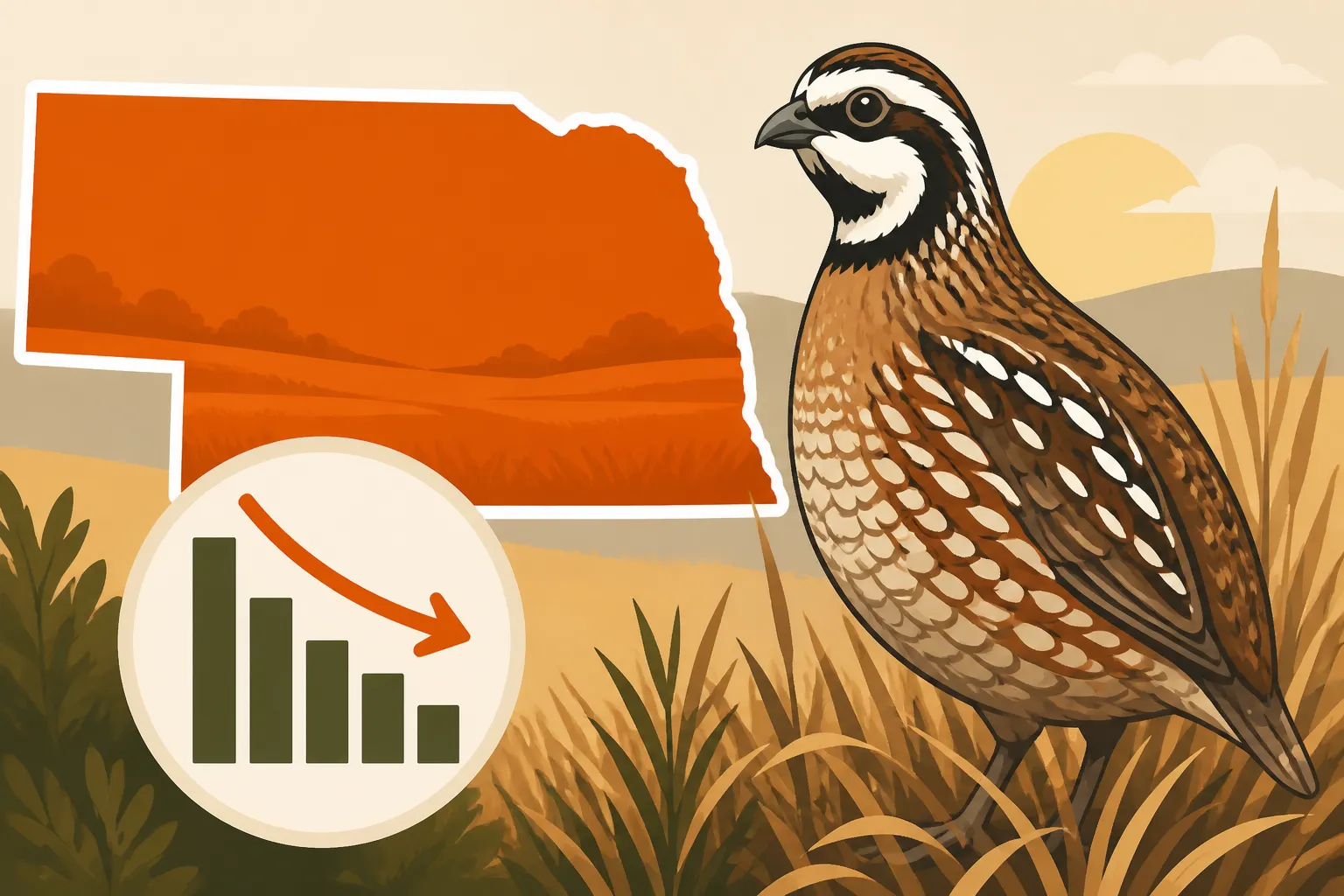
Fast forward to today, and the reality can be starkly different. While some pockets of Nebraska still hold decent numbers, particularly in specific regions we'll discuss, the statewide trend has generally been downward. It's a tough pill to swallow when you've invested time and effort only to come up short. The landscape has changed dramatically, and with it, the fortunes of our beloved Bobwhites. The challenges are complex, ranging from habitat degradation to unpredictable weather, and understanding these shifts is the first step toward appreciating the current state of quail hunting in our state.
The Data: How We Track Quail Populations
So, how do wildlife managers actually keep tabs on these elusive birds? It's not like they can just count every quail in the state. Instead, they rely on a combination of scientific surveys and citizen reports to estimate population trends and density. The most common and crucial method is the annual roadside call count survey. During early summer mornings, biologists and volunteers drive predetermined routes, stopping at regular intervals to listen for the distinct "Bob-White!" whistle of calling male quail. The number of calls heard provides an index to the breeding population.
Other data points, like hunter harvest reports and anecdotal observations from landowners, also contribute to the overall picture. While these surveys don't give an exact headcount, they provide invaluable trend data year over year, allowing conservationists to see where populations are thriving, where they're struggling, and what might be causing those changes. For instance, a sharp drop in calls might signal a tough winter or poor nesting season.
Here's a simplified look at how some of these tracking methods contribute:
| Survey Type | What it Measures | When it's Conducted | Key Information Gained |
|---|---|---|---|
| Roadside Call Counts | Breeding population index | Early Summer (June/July) | Annual trend data on adult male abundance |
| Hunter Harvest Surveys | Number of birds harvested | Post-season (Feb/Mar) | Success rates, regional hotspots, overall pressure |
| Brood Surveys | Reproduction success | Late Summer (Aug/Sept) | Number of young birds, recruitment for next year |
| Habitat Assessments | Quality and quantity of cover | Year-round | Factors influencing local population capacity |
Many hunters find tools like GoHunt invaluable for scouting and getting a feel for general bird numbers in public access areas, often supplementing the broader statewide data with local observations.
The Impact on Hunters and Hunting Opportunities
For many of us, the decline in Bobwhite quail numbers has a tangible impact on our hunting experiences. It means more miles walked, fewer flushes, and often, lighter game bags. It can be disheartening to invest in good dogs, quality gear, and precious time off, only to find the birds aren't there in the numbers we hoped for. This can lead to frustration, and sometimes, even a loss of enthusiasm for a sport we deeply love.
However, it also makes those successful hunts incredibly rewarding. When you do find a strong covey and your dog locks up on a picture-perfect point, the sense of accomplishment is profound. It forces us to be better hunters – more observant, more dedicated to understanding habitat, and more appreciative of every bird flushed. It also means we need to be more strategic about where and when we hunt. Knowing Upland Season Dates and Bag Limits is crucial, but knowing where the birds are actually concentrated is even more so.
The Core Drivers Behind Nebraska's Quail Population Swings
Bobwhite quail are resilient, but they are also incredibly sensitive to changes in their environment. Their populations can swing wildly year to year, largely driven by two major forces: the quality and quantity of suitable habitat, and the whims of Mother Nature. Understanding these drivers is key to grasping why numbers fluctuate and what might be done to help.
Habitat Loss and Fragmentation: The Silent Killer
The biggest culprit behind long-term quail declines across much of their range, including Nebraska, is undoubtedly habitat loss and fragmentation. Think about the iconic image of a Nebraska farm from decades past: smaller fields, diverse crops, fencerows thick with multiflora rose and plum bushes, grassy waterways, and small timber pockets. This patchwork created ideal "edge habitat" – the transition zones between different cover types that quail adore. They could find nesting cover in one spot, escape cover a few yards away, and foraging areas just beyond that.
Today, much of that has disappeared. Modern agriculture favors larger fields, "clean farming" practices mean fencerows are often cleared, and grassy buffers are replaced with cash crops. CRP Loss Since the 1990s Peak has also played a significant role, reducing crucial nesting and brooding cover. When quail habitat is broken up into small, isolated patches, it becomes harder for birds to move safely between areas, increases their vulnerability to predators, and limits their ability to recover from population dips. It's like living in a big mansion but only having access to tiny, disconnected rooms – not ideal for survival.
Weather Extremes: The Great Equalizer
Even with perfect habitat, quail populations are at the mercy of the weather. These small birds are incredibly vulnerable to environmental extremes, both hot and cold, wet and dry.
- Harsh Winters: A severe Nebraska winter with deep snow and prolonged cold can be absolutely devastating. Quail rely on dense cover, like plum thickets, cedar trees, or cattail sloughs, for thermal protection. If snow covers their food sources for extended periods, or if icy conditions prevent them from flying, starvation and exposure become major threats. We've seen firsthand how a tough winter can decimate local coveys, leaving very few birds to breed in the spring. This directly impacts Quail Winter Kill in Hard Years.
- Wet Springs: While spring rains are essential for new growth, overly wet and cold springs can be disastrous for nesting quail and their chicks. Eggs can be flooded, and young chicks, which are highly susceptible to hypothermia, can perish quickly. A deluge during a crucial hatching period can wipe out a significant portion of the year's potential recruits. This ties into issues often seen in Spring Rain and Pheasant Nesting as well, highlighting shared vulnerabilities among upland birds.
- Summer Droughts: Conversely, extended droughts can also harm quail. Dry conditions reduce insect populations, a vital food source for growing chicks. It also makes existing cover less appealing and reduces water availability, stressing the birds and making them more vulnerable.
These weather patterns can cause drastic year-to-year fluctuations, making it feel like you're hunting a different landscape every season.
Predation and Disease: Natural Pressures
While habitat and weather are the dominant forces, predation and disease also play a natural role in regulating quail populations. Everything from raptors like hawks and owls to ground predators like coyotes, foxes, raccoons, and even house cats prey on quail, especially during vulnerable nesting and brooding periods. When quail populations are low due to habitat issues, the impact of predation can feel more pronounced.
Diseases, though less frequently discussed, can also occasionally impact local coveys. Parasites and bacterial infections can weaken birds, making them more susceptible to other pressures. However, it's crucial to remember that predation and disease are natural parts of the ecosystem. It's when quail are already stressed by poor habitat or extreme weather that these natural pressures can tip the scales toward significant population declines.
Where Nebraska Quail Are Densest and Why
Despite the challenges, Bobwhite quail are not absent from Nebraska. They persist, and even thrive, in certain areas where the conditions are just right. Understanding these strongholds and the factors that make them so appealing to quail is key for any hunter hoping to find birds.
The Eastern Nebraska Strongholds
If you're looking for the best chance to find Bobwhite quail in Nebraska, your compass should generally point eastward and southward. The southeastern part of the state, in particular, has historically been and continues to be the primary range for these birds. Counties along the Missouri River and extending west into the rolling hills and agricultural mosaics often harbor the densest populations. This is because these areas tend to retain more of the crucial habitat components that quail need.
The terrain in eastern Nebraska, with its mixture of timbered river and creek bottoms, brushy draws, and more varied agriculture compared to the vast row-crop plains or sandy rangeland, provides a better refuge for quail. You'll find more small woodlots, plum thickets, brushy fencelines, and field borders that offer the diverse cover Bobwhites crave. If you're wondering Where Nebraska Quail Are Densest, the answer almost always comes back to the eastern and southern tiers of the state.
The Importance of Edge Habitat and Diverse Cover
The secret sauce for healthy quail populations is diverse, intermingled cover – often referred to as "edge habitat." Quail are homebodies; they don't migrate, and their entire lives play out within a relatively small area. This means their core needs – food, water, nesting cover, brooding cover, and escape cover – must all be present and accessible within a short distance.
- Nesting Cover: Taller grasses and native forbs are essential for nesting.
- Brooding Cover: Areas with sparse, open ground cover and abundant insects are critical for chicks.
- Escape Cover: Dense, thorny thickets of plum, dogwood, or cedar provide refuge from predators and severe weather. Hunting a Shelterbelt Between Nebraska Fields can be incredibly productive because shelterbelts offer this type of dense cover.
- Food: Seeds, insects, and berries are all vital parts of their diet.
When these elements are seamlessly woven together, rather than being isolated patches, quail can thrive. Reading Cover After a Nebraska Wind becomes a critical skill for hunters, as quail will hunker down in the densest, most protected cover during inclement weather. Finding these prime edges is often the key to finding birds.
Land Use Practices That Favor Quail
While large-scale agricultural changes have negatively impacted quail, certain land use practices can actually benefit them. Conservation programs like the Conservation Reserve Program (CRP), even if reduced from their peak, still provide critical nesting and brood-rearing cover. Private landowners who integrate practices like leaving un-mowed field borders, establishing native grass buffers, planting shrubby cover, or managing timbered areas with quail in mind can create veritable quail havens.
Prescribed burns, when used strategically, can also rejuvenate grasslands and shrubby cover, improving its quality for quail. Furthermore, many landowners participate in programs like Nebraska's Nebraska's Open Fields and Waters Program, which opens up private land for public hunting. Often, these enrolled lands have been managed with wildlife in mind, offering some of the best opportunities to pursue quail. Seek out these managed areas, and you'll often find better habitat and, consequently, more birds.
Conservation Efforts and the Future of Nebraska's Bobwhite Quail
It's easy to get discouraged when talking about declining numbers, but there's a lot of dedicated work happening to improve the situation for Bobwhite quail in Nebraska. These efforts are a testament to the fact that many people care deeply about these birds, from state agencies to private landowners and, of course, hunters themselves.
Public and Private Land Initiatives
Nebraska Game and Parks Commission, along with numerous conservation organizations, is actively engaged in habitat improvement projects across the state. They work on Wildlife Management Areas (WMAs) to create and maintain ideal quail habitat through controlled burns, timber stand improvement, and native grass plantings. These efforts are crucial because WMAs often serve as anchor points for local populations, allowing birds to disperse into surrounding areas.
Beyond public lands, a significant amount of conservation work happens on private property. The aforementioned Nebraska's Open Fields and Waters Program is a fantastic example, providing landowners with incentives to open their properties to public hunting while often requiring certain habitat-friendly practices. Farmers and ranchers are increasingly aware of the benefits of creating wildlife-friendly zones, whether it's leaving brushy fencelines, establishing riparian buffers along creeks, or managing grasslands for diversity. These private land efforts are absolutely vital, given that the vast majority of Nebraska is privately owned.
The Role of Hunter Participation and Advocacy
As hunters, we are often the first to notice changes in wildlife populations, and our passion for the outdoors makes us natural advocates for conservation. Our participation directly funds many of these efforts. When we purchase hunting permits, habitat stamps, and even gear, a portion of that money goes directly into wildlife management and habitat restoration programs through federal excise taxes (Pittman-Robertson Act) and state license fees. Understanding Nebraska Habitat Stamp Requirements and purchasing one is a direct investment in the future of all wildlife, including quail.
Furthermore, getting involved with local conservation groups, volunteering for habitat projects, or simply educating ourselves and others about the needs of quail can make a real difference. Sharing observations with wildlife agencies and respectfully engaging with landowners about habitat improvements are all ways hunters can contribute. Ultimately, the future of Bobwhite quail depends not just on what wildlife managers do, but on the collective effort of everyone who cares about them.
Looking Ahead: Cautious Optimism for Bobwhite Recovery
While the challenges facing Bobwhite quail are significant, there's reason for cautious optimism. We understand their needs better than ever before. We know that if we can provide the right habitat – those dense thickets, native grasses, and diverse food sources – in sufficient quantity and quality, quail can and will rebound quickly, especially after a mild winter. Their reproductive potential is remarkable when conditions are favorable.
The future of Bobwhite quail hunting in Nebraska likely involves more targeted efforts, focusing on specific landscapes and habitat types. It means hunters might need to adapt, perhaps focusing their efforts on specific Quail Hunting Nebraska Shelterbelts or carefully managed private lands. It will also require continued dedication to habitat restoration and sound land management practices. It won's be a return to the "glory days" overnight, but with sustained effort and a bit of cooperation from Mother Nature, we can ensure that the distinctive "Bob-White!" call continues to echo across the Nebraska landscape for generations to come.
Disclaimer
This article is for general informational purposes only and does not constitute professional advice. Laws, prices and regulations vary by location and change over time. Consult a qualified professional for guidance on your specific situation.