Greater Prairie-Chicken Numbers in the Sandhills
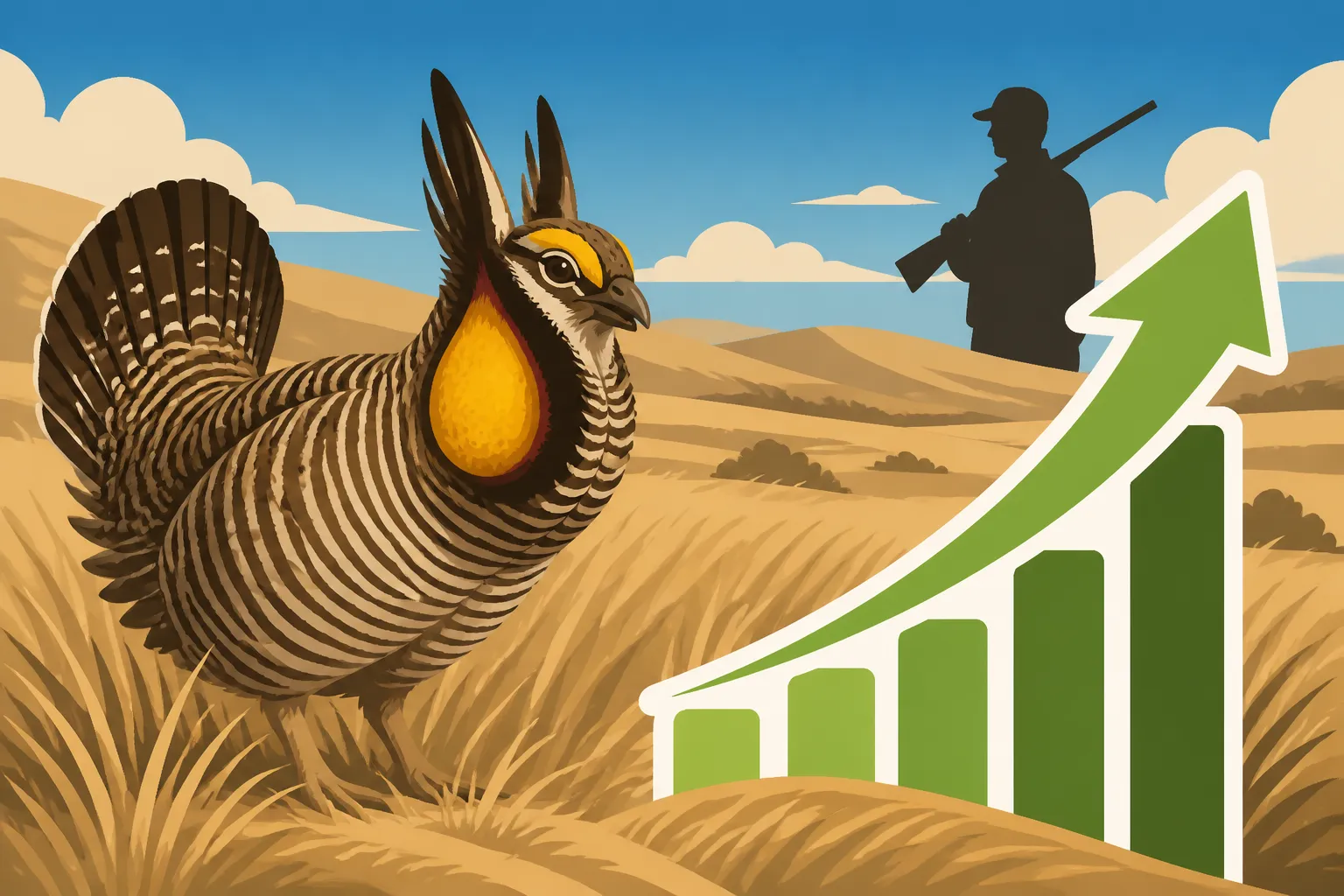
It's no secret that Nebraska's Sandhills hold a special place in the hearts of hunters and conservationists alike, especially when it comes to our beloved prairie grouse. However, understanding the true health of the Greater Prairie-Chicken population in this vast, iconic landscape can feel like trying to track a ghost in a blizzard. This guide will walk you through the nuances of prairie-chicken numbers in the Sandhills, shedding light on how these magnificent birds are faring and what that means for their future and for those of us who cherish the opportunity to pursue them.
The Unique Ecology of Prairie Chickens in the Sandhills
The Sandhills of Nebraska aren't just any grassland; they're a unique, intricate tapestry of rolling dunes, wet meadows, and stable prairies that have, for centuries, provided the perfect sanctuary for Greater Prairie-Chickens. These birds are inextricably linked to this specific ecosystem, relying on its vastness and biodiversity for every stage of their life cycle. Without the Sandhills, the prairie chicken, as we know it here, simply wouldn't exist in the same thriving way.
Habitat Preferences and Lifecycle
Prairie chickens are true prairie specialists, meaning their lives revolve entirely around the health and expanse of native grasslands. In the Sandhills, they seek out a mosaic of tall- and mid-grass prairies for different purposes throughout the year. During the breeding season, which typically kicks off in early spring, the males gather on ancestral booming grounds, known as leks, to perform their spectacular courtship displays. These leks are usually located on slightly elevated, open areas within the grass, allowing their booming calls to carry across the landscape and for their dancing to be visible. The surrounding tall grasses provide essential cover for nesting hens, offering camouflage from predators and protection from the elements.
Nesting success is absolutely critical to population health, and hens will carefully select sites with dense, undisturbed vegetation. After the chicks hatch, usually in late spring or early summer, the hens lead their broods to areas with a mix of grass heights and forb diversity. These spots are teeming with insects, providing the protein-rich diet young chicks need to grow rapidly. As the summer progresses, prairie chickens will utilize different pockets of the Sandhills, often moving towards areas with thicker cover as they mature, or finding edges where they can feed on seeds and forbs. The sheer scale and relative lack of disturbance in the Sandhills compared to other prairie regions are what allow these birds to truly thrive, moving freely between their seasonal needs. Understanding these preferences is key to understanding Greater Prairie-Chickens and Sharptails in Nebraska.
The Importance of the Sandhills Ecosystem
When we talk about the Sandhills, we're not just discussing a geographic region; we're talking about one of the largest intact native grassland ecosystems in North America. This vast, 19,000-square-mile expanse is characterized by its sandy soils, which makes it less suitable for intensive row-crop agriculture compared to other parts of the state. This natural resistance to widespread plowing has been a godsend for grassland species like the prairie chicken. While other areas of the Great Plains have seen their prairies fragmented into isolated islands amidst corn and soybeans, the Sandhills largely remain a sea of grass.
This intactness is the single most important factor supporting healthy prairie-chicken populations. It provides the extensive, interconnected habitat these birds need to find mates, nest successfully, raise broods, and evade predators without constantly encountering human development or agricultural barriers. The deep roots of native grasses also play a crucial role in maintaining soil health and moisture, creating a resilient ecosystem that can weather the natural fluctuations of climate. The diverse plant life supports a rich insect population, which is fundamental for chick survival. The stability of the Sandhills, its relative wildness, is the bedrock upon which the prairie chicken population is built, making it an irreplaceable stronghold for the species. Hunters interested in pursuing these birds often focus on Hunting the Nebraska Sandhills for these very reasons.
Understanding Population Trends and Data Collection
Pinpointing the exact number of Greater Prairie-Chickens in the Sandhills isn't as simple as counting deer on a food plot. These are wild, wide-ranging birds, and their populations naturally fluctuate from year to year due to a myriad of factors. However, state wildlife agencies and conservation groups work tirelessly to monitor these trends, using specific methods to get the most accurate picture possible. This data is critical for setting hunting seasons and developing effective conservation strategies.
How Biologists Monitor Prairie Chicken Numbers
The primary method for monitoring prairie chicken populations, not just in the Sandhills but across their range, involves counting active booming grounds, or leks. Every spring, typically from late March through May, biologists, volunteers, and even dedicated landowners venture out before dawn to listen and watch for prairie chickens displaying on their leks. Male prairie chickens are quite vocal and visible during this period, making them easier to count than at any other time of year. Each active lek is mapped, and the number of displaying males is recorded.
While counting males on leks provides an index of the breeding population, it's not a direct count of every single bird. The assumption is that the number of displaying males correlates with the overall population size. These lek counts are conducted year after year in established routes and areas, allowing biologists to track changes and trends over time. Declines or increases in active leks and displaying males signal broader shifts in the population. Other supplementary data, such as brood surveys conducted later in the summer, help assess reproductive success, providing insight into how many young birds are being added to the population. This comprehensive approach helps inform decisions related to Upland Season Dates and Bag Limits.
Challenges in Counting Elusive Birds
Despite the best efforts, accurately counting prairie chickens presents several unique challenges. Firstly, the sheer scale of the Sandhills is immense. Covering all potential lek sites across thousands of square miles of private and public land is a monumental task, requiring significant resources and cooperation. Many leks are on private property, meaning access and permission are crucial for comprehensive surveys.
Secondly, prairie chickens, outside of their lekking season, are incredibly elusive. Their cryptic coloration allows them to blend seamlessly into the grassland, making visual counts nearly impossible during other times of the year. Brood surveys, while valuable, can be labor-intensive and still only provide estimates. Factors like weather during the survey period can also impact counts; a cold, windy morning might mean fewer birds are displaying actively, leading to an undercount. Furthermore, distinguishing between different grouse species in certain areas can be tricky. While the Sandhills are primarily Greater Prairie-Chicken country, areas on the periphery or higher elevation might occasionally host sharp-tailed grouse. This is why getting familiar with distinguishing features on birds can be helpful even for hunters. The dynamic nature of grassland habitats also means that leks can shift location from year to year, requiring constant vigilance and scouting to locate new sites. These challenges underscore the dedication required by wildlife managers and researchers to provide reliable population data. For those looking to do their own scouting and access public data, tools like GoHunt can provide overlays of public land and potentially historical harvest data to aid in understanding population distribution.
Factors Influencing Prairie Chicken Populations
The health of Greater Prairie-Chicken populations in the Sandhills, like any wildlife species, is a delicate balance influenced by a multitude of environmental and human-related factors. It's rarely one single issue that causes a dip or a rise; more often, it's a complex interplay of several forces working in concert. Understanding these factors is paramount for effective conservation and management.
Habitat Loss and Fragmentation
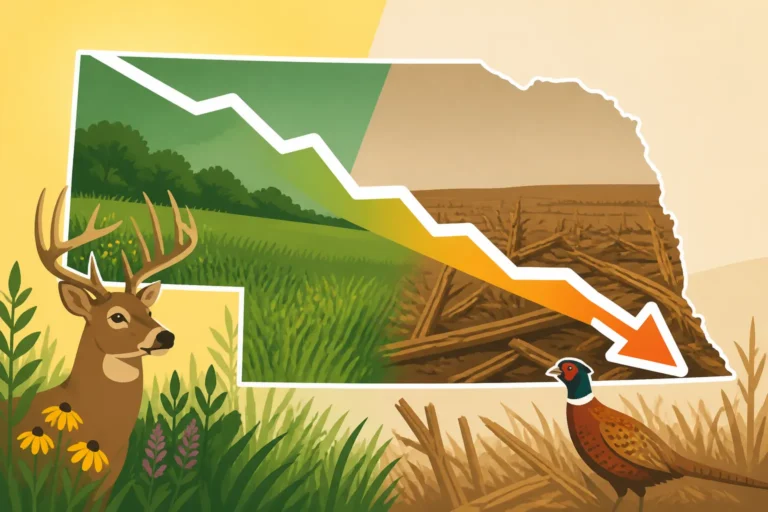
While the Sandhills have largely resisted widespread agricultural conversion, habitat loss and fragmentation remain the most significant long-term threats to prairie chickens across their entire range. Even within the Sandhills, though less severe, localized habitat changes can occur. For instance, the encroachment of woody vegetation, like eastern red cedar, into grasslands reduces suitable open prairie habitat. These trees provide perching sites for avian predators and break up the expansive views prairie chickens prefer, making them more vulnerable. Overgrazing in certain pastures can also degrade the quality of nesting and brood-rearing cover, leading to lower reproductive success.
Beyond direct loss, fragmentation is a subtle but equally damaging issue. When large blocks of contiguous grassland are broken up by roads, homes, or even poorly managed pastures, it creates smaller, isolated patches. These isolated populations are more susceptible to local extinction, have less genetic diversity, and are harder for birds to disperse between. Prairie chickens need vast, interconnected landscapes to thrive, and any barrier or reduction in that continuous habitat chips away at their long-term viability. Conservation efforts often focus on maintaining and restoring these large, intact grassland blocks, which directly benefits birds that require extensive ranges, such as those found on Prairie Grouse Hunting on Nebraska's Open Range.
Weather Patterns and Reproduction Success
Weather is an undeniable, powerful force that can significantly impact prairie-chicken populations, particularly their reproductive success. Spring and summer weather conditions are critical. A cold, wet spring can lead to higher mortality rates for young chicks, as they are highly vulnerable to hypothermia. Wet feathers lose their insulating properties quickly, and persistent rain can reduce insect availability, depriving chicks of essential protein. Conversely, extremely hot and dry conditions can also be detrimental, leading to dehydration and reduced habitat quality, as grasses become sparse and food sources dwindle.
Droughts, in particular, can have cascading effects. They reduce the vigor of native grasses, leading to sparser cover for nesting and brood-rearing. This makes nests and chicks more vulnerable to predators. Droughts also suppress insect populations, which, as mentioned, are vital for chick survival. While prairie chickens are adapted to the natural variability of prairie weather, a series of extreme or unfavorable years can cause significant declines in population numbers, taking several good years to recover. This natural ebb and flow is a key reason why year-to-year hunting regulations might shift, attempting to balance harvest with the current reproductive outlook. Hunters often face difficult decisions in September, especially if they are interested in Hunting Grouse in September Heat.
Predation and Disease
Predation is a natural and healthy part of any ecosystem, but imbalances can negatively impact prairie chicken populations. Common predators include coyotes, foxes, raccoons, skunks, badgers, and various raptors. Nest predation is particularly high, with many nests failing due to predators discovering eggs or young chicks. While a healthy population can typically withstand natural levels of predation, habitat fragmentation or degradation can sometimes make birds more vulnerable. For example, if nesting cover is sparse due to poor range management, predators may find nests more easily.
Disease outbreaks, though less frequent, can also decimate localized populations. Historically, diseases like avian pox or Newcastle disease have impacted game bird populations. While not as widely documented for prairie chickens as for some other species, any stressor that weakens birds can make them more susceptible to illness. Parasites can also play a role, especially in birds that are already nutritionally stressed. Wildlife agencies monitor for unusual disease events, but the remote nature of much of the Sandhills can make detecting and responding to widespread outbreaks challenging. Maintaining robust, healthy habitat and a diverse gene pool are the best defenses against significant disease impacts.
What These Numbers Mean for Hunters and Conservation
The data collected on Greater Prairie-Chicken numbers in the Sandhills isn't just for scientific papers; it has tangible implications for both hunters and the broader conservation community. It helps shape season structures, bag limits, and guides critical habitat projects, ensuring these iconic birds continue to grace our prairies for generations to come.
Interpreting Population Data for Hunting Decisions
For hunters, understanding population data is fundamental to being a responsible conservationist. When lek counts show a healthy, stable, or increasing number of displaying males, it generally indicates a strong breeding population. This might lead to more liberal hunting opportunities, such as longer seasons or slightly higher bag limits, though these are always set conservatively. Conversely, if surveys reveal significant declines in lek attendance or poor reproductive success during brood surveys, wildlife managers may implement more restrictive regulations to help the population recover. This could mean shorter seasons, reduced bag limits, or even temporary closures in specific areas if a population is particularly stressed.
The goal is always sustainable harvest, ensuring that hunting pressure doesn't negatively impact the overall population trend. Hunters contribute directly to this understanding through license sales, which fund many of these surveys and habitat projects, and indirectly by abiding by regulations. Using platforms like GoHunt that integrate publicly available data can help hunters research specific areas and understand local trends before planning their trip, allowing for more informed and ethical hunting decisions. Knowing when What the Small Game Hunt Permit Covers is also essential for those planning a trip. Always check the current regulations issued by the state's wildlife agency before heading afield.
Conservation Efforts and Their Impact
The numbers don't just guide hunting; they are the bedrock of conservation efforts. When data indicates declining trends, it triggers a deeper dive into the root causes. Are there changes in habitat? Is woody encroachment a major issue? Are specific weather patterns having a prolonged effect? This analysis helps focus conservation dollars and efforts where they are most needed. In the Sandhills, conservation often revolves around proactive grassland management. This includes practices like prescribed burning to control woody vegetation and stimulate healthy grass growth, rotational grazing systems that mimic historical bison movements and create diverse cover, and easements that protect large tracts of private ranchland from development.
Organizations work closely with private landowners, who manage the vast majority of the Sandhills, to implement these beneficial practices. The data informs land managers about which techniques are most effective and where they should be applied. For example, if brood survival is consistently low in an area, efforts might focus on creating more diverse forb and insect habitat. If lek sites are disappearing, management might focus on restoring those specific open grassland areas. Public hunting lands, like some of the Wildlife Management Areas or parts of the National Forests like McKelvie Forest Grouse Hunting also play a vital role, serving as demonstration areas for best practices and providing additional protected habitat. These collective efforts, guided by sound data, are essential for ensuring the long-term health and abundance of Greater Prairie-Chickens, solidifying their place as a true icon of the Nebraska Sandhills.
Disclaimer
This article is for general informational purposes only and does not constitute professional advice. Laws, prices and regulations vary by location and change over time. Consult a qualified professional for guidance on your specific situation.