Duck Production in the Rainwater Basin
It’s a frustrating truth for many of us who chase ducks in Nebraska: some years, the birds just don't seem to be there like they used to be. You scout, you set your spread, and you wait, sometimes wondering if all the efforts back north actually led to a good hatch. This guide is all about diving deep into duck production right here in Nebraska’s crucial Rainwater Basin, helping you understand the complex factors that bring ducks south and how we can support healthy populations.
The Rainwater Basin: Nebraska's Vital Wetland Network
When we talk about duck production, our minds often jump to the prairie pothole region further north—places like the Dakotas or Canada. But right here in south-central Nebraska, the Rainwater Basin plays an incredibly significant role, not just as a pit stop for migrating birds, but as a surprisingly important, albeit challenging, breeding ground for ducks. It’s a unique landscape that has shaped waterfowl populations for millennia.
A Critical Stop on the Central Flyway
The Rainwater Basin isn't just a collection of puddles; it's a strategically vital wetland complex within the heart of the Central Flyway. Millions of ducks and geese utilize this region during both spring and fall migrations. Think of it as a crucial gas station and restaurant for birds making epic journeys. Without these wetlands, the entire continental flyway would suffer, as birds would lack the energy reserves needed to continue their migrations or even survive brutal weather events. The rich resources here allow them to bulk up, rest, and for some, even decide to stay and raise a family. This area is truly where nature puts on a spectacle, especially during the peak migration times. It’s a testament to the resilience of these wetlands that they continue to host such incredible numbers of birds despite immense pressure.
Historically, this basin was an even more expansive network of wetlands, acting as a massive magnet for waterfowl. Generations of hunters have witnessed the incredible flights through this region. Understanding Why the Rainwater Basin Matters to Ducks really helps put its current state and future needs into perspective. It's not just a local treasure; it's a continental necessity for waterfowl.
The Dynamics of "Rainwater" Basins
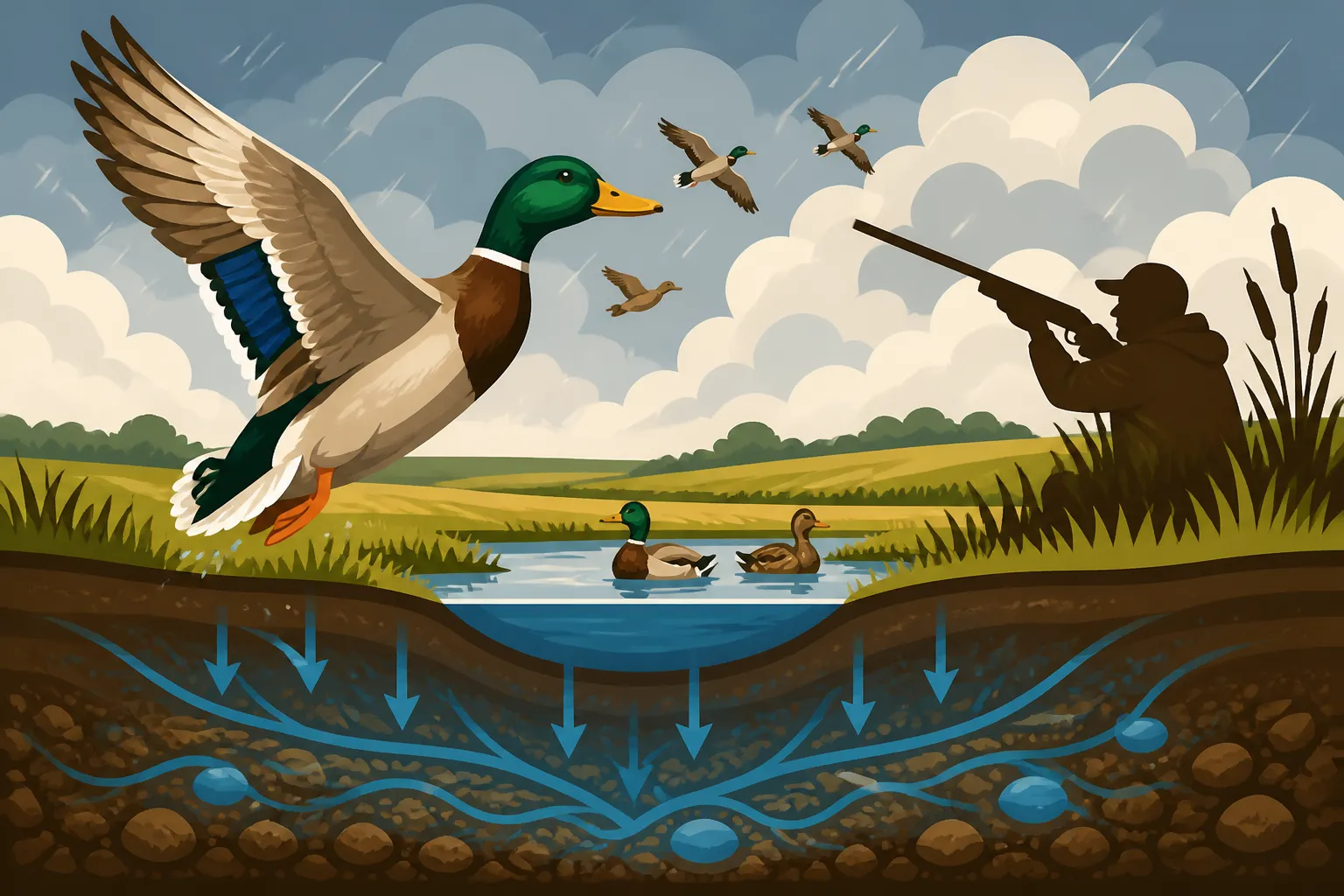
What makes the Rainwater Basin so distinct from other wetland systems? The clue is in the name: "Rainwater." Unlike riverine systems or those fed by constant springs, these wetlands are primarily nourished by precipitation and localized runoff. They are often shallow, ephemeral, meaning they can appear and disappear seasonally, depending entirely on rainfall and snowmelt. One year, a basin might be a sprawling lake, teeming with life. The next, it could be a dry, cracked mud flat. This feast-or-famine cycle is both a challenge and a strength for duck production.
The variability creates a dynamic environment. When wet, they explode with invertebrates and emergent vegetation, offering ideal conditions for nesting hens and their broods. The fluctuation in water levels helps to prevent the establishment of dense, woody vegetation that can choke out open water and shallow feeding areas. However, sustained drought can render large portions of the basin unusable for breeding, forcing birds to either move on or forgo nesting altogether. The quality of the water, influenced heavily by agricultural runoff in the surrounding landscape, also plays a huge part in what these wetlands can offer to ducklings and adult birds alike.
Understanding Duck Production: More Than Just Migration
While many of the ducks we hunt in Nebraska are migrants from northern breeding grounds, a significant number actually hatch and are raised right here. This local production is a critical component of our overall waterfowl populations and contributes directly to the hunting opportunities we enjoy.
Nesting Success and Brood Rearing
Successful duck production begins with nesting. Hens seek out secure cover, often in dense grasses or other emergent vegetation near water, to lay their eggs. Factors like predation pressure from raccoons, skunks, and foxes, as well as agricultural practices like haying or tilling, can have a huge impact on how many nests successfully hatch. A hen might lay a clutch of 8-12 eggs, but getting even a few ducklings to fledge is a win in the wild.
Once the eggs hatch, the challenge shifts to brood rearing. Ducklings need immediate access to calm, invertebrate-rich water bodies, often with thick, protective cover to hide from aerial predators like hawks and eagles. The shallow, vegetated margins of Rainwater Basin wetlands provide this vital nursery habitat. Good brood habitat means abundant insect life for fast-growing ducklings and escape cover to avoid danger. If the wetlands dry up too quickly after a hatch, it can be devastating for the young birds. Understanding the intricacies of When Ducks Migrate Through Nebraska also helps us appreciate the importance of these local breeding areas for birds that might not complete a full migration cycle before joining the fall flocks.
Local Conditions vs. Continental Trends
It’s easy to look at the overall duck population reports from the U.S. Fish and Wildlife Service and think that's the whole story. While those numbers give us a continental overview, local conditions in Nebraska, especially within the Rainwater Basin, can tell a very different tale. A banner year for duck production in Alberta might mean little for Nebraska if our own local wetlands are dry, or if habitat quality is poor. Conversely, a good local hatch can bolster our hunting season even if northern numbers are down slightly.
The Rainwater Basin contributes to the Central Flyway's overall health by providing additional nesting grounds. While not as prolific as the prairie pothole region, every duck produced here is a valuable addition. The pattern of rainfall, agricultural practices, and local conservation efforts directly influence how many ducks fledge from Nebraska nests each year. This local production helps to diversify the breeding landscape, making the overall flyway population more resilient to localized droughts or habitat issues elsewhere. It emphasizes why our conservation efforts here are just as vital as those in the "duck factory" states and provinces.
Challenges Facing Duck Production in the Basin
Despite its critical importance, duck production in the Rainwater Basin faces a multitude of challenges. These aren't just minor inconveniences; they are existential threats that impact how many ducks are hatched and survive to adulthood each year.
Habitat Loss and Degradation
The single biggest threat to duck production in the Rainwater Basin has been the relentless Wetland Loss in the Rainwater Basin due to agricultural expansion. Historically, this region was dotted with thousands of wetlands. Over the last century, a staggering percentage of these basins have been drained, tilled, or filled, primarily to make way for crop production. This isn't a judgment on farming, but a stark reality of land use change. When a wetland is drained, it's not just a pond that disappears; it's a critical piece of the duck lifecycle that vanishes – a nesting site, a brood-rearing area, a migratory stopover.
Even the wetlands that remain often face degradation. Runoff from surrounding agricultural fields can introduce pesticides, herbicides, and excess nutrients, altering the delicate ecological balance. This can reduce the invertebrate populations that ducklings rely on for food and lead to less diverse, less healthy plant communities. The remaining fragments of habitat become isolated islands, making it harder for ducks to find suitable breeding grounds and more susceptible to predation. The sheer scale of this habitat loss means that every remaining functional wetland is incredibly valuable.
The Role of Predation and Disease
Nature is a harsh mistress, and ducks face a gauntlet of challenges from the moment they are eggs. Predation is a natural part of the ecosystem, but in fragmented and degraded landscapes, it can become an outsized problem for duck nests. Raccoons, skunks, opossums, and foxes are opportunistic predators that thrive in agricultural-dominated landscapes, often using fencerows and drainage ditches as travel corridors. When nesting cover is scarce, nests become easier targets, leading to higher rates of nest failure.
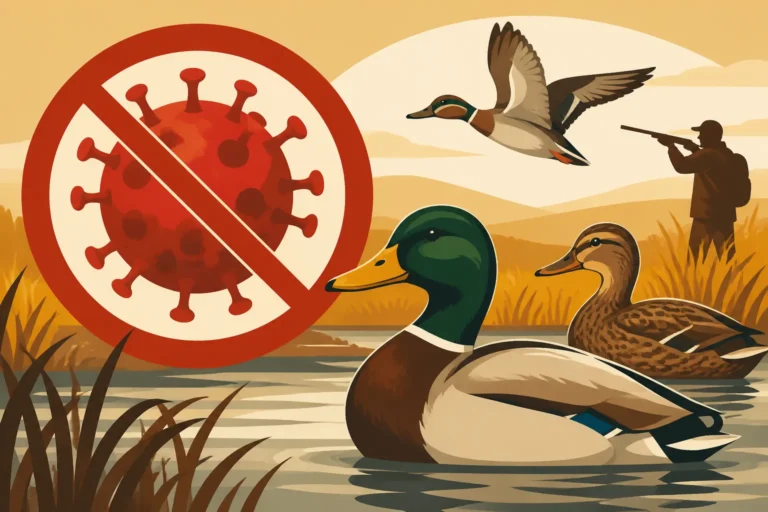
Diseases also pose a significant threat to duck populations, particularly in high-density areas or during periods of environmental stress. Avian Influenza in Prairie Waterfowl is one such concern, capable of causing widespread mortality events. Other diseases like botulism can also flare up, especially in wetlands with fluctuating water levels and high organic loads. While conservation agencies work hard to monitor and mitigate these outbreaks, they remain a constant threat that can decimate local populations and impact overall production. It's a sobering reminder of how vulnerable these populations can be.
Climate Variability and Water Availability
As mentioned earlier, the Rainwater Basin's wetlands are utterly dependent on rainfall. This makes them highly susceptible to drought impacts on ephemeral wetlands. Extended periods of low precipitation can mean that basins crucial for nesting and brood rearing simply don't fill, or they dry up before ducklings can fledge. Imagine a hen laying her eggs, only for her entire wetland nursery to turn into a dusty field just as the ducklings hatch. It's a common and heartbreaking scenario in dry years.
The variability in precipitation can also lead to unpredictable conditions. A wet spring might kick off a promising breeding season, only for a hot, dry summer to evaporate the water, leaving broods stranded. This unpredictability makes long-term planning for ducks and hunters alike incredibly difficult. While ducks are adapted to some degree of fluctuation, extreme and prolonged droughts put immense pressure on their ability to successfully reproduce in the region. Consistent water, even if shallow and ephemeral, is the lifeblood of duck production in the Basin.
Conservation Efforts and the Future of Duck Production
Despite the daunting challenges, there are dedicated efforts underway to protect and restore duck production in the Rainwater Basin. These initiatives are critical for ensuring that future generations can enjoy the sight and sound of ducks overhead, and the thrill of a successful hunt.
Key Players in Habitat Restoration
The fight for duck production in Nebraska is a collaborative one. Federal programs like the Wetland Reserve Program (WRP) and the Conservation Reserve Program (CRP) have been instrumental in restoring drained wetlands and creating nesting cover. These programs provide incentives for private landowners to enroll their marginal agricultural lands into conservation easements, transforming them back into functional wildlife habitat. States, through agencies like the Nebraska Game and Parks Commission, also play a vital role in acquiring and managing public lands and supporting private land conservation.
Non-profit organizations, such as Ducks Unlimited, are front and center in these efforts, leveraging scientific expertise and funding to restore thousands of acres of wetland habitat. They work hand-in-hand with landowners, government agencies, and other conservation groups to implement projects that have a direct, positive impact on duck production. These efforts involve everything from installing water control structures to re-establishing native vegetation. Using tools like GoHunt, hunters can often find details on public access areas that benefit from these conservation efforts, allowing them to scout areas like Rainwater Basin Wetland Access with confidence, knowing the land is being actively managed.
Hunters' Role in Funding and Advocacy
Hunters are, without a doubt, the single most important funding source for waterfowl conservation. Every time you purchase a federal duck stamp, you are directly contributing to the acquisition and restoration of wetland habitat across the country. And right here in Nebraska, your Nebraska Federal Duck Stamp Cost and Nebraska Habitat Stamp Price are vital. These stamps fund projects that benefit not only ducks but countless other wildlife species and provide public access for all outdoor enthusiasts. It’s a powerful testament to the conservation ethic within the hunting community.
Beyond financial contributions, hunters also serve as crucial advocates. Speaking up for wetland protection, supporting conservation policies, and educating others about the importance of these ecosystems are powerful ways to ensure the future of duck production. Attending public meetings, contacting elected officials, and joining organizations like Ducks Unlimited or Pheasants Forever (which also do incredible work for habitat) amplifies your voice. Our collective dedication ensures that the Rainwater Basin, and other critical habitats, continue to function as viable breeding grounds for waterfowl.
Hunting Opportunities and Sustainable Harvest
Understanding duck production isn't just for conservationists; it's also incredibly important for hunters. Knowing where and why ducks are produced impacts our hunting strategies and helps us appreciate the sustainable harvest system we participate in.
Accessing Rainwater Basin Wetlands
For hunters, finding productive areas within the Rainwater Basin can sometimes feel like a puzzle. The nature of these wetlands—being dependent on rainfall—means that what was hot one year might be dry the next. Public access points are primarily managed by the Nebraska Game and Parks Commission and supplemented by programs like Open Fields and Waters. The Nebraska Public Access Atlas is an indispensable tool for locating these areas. It's crucial to consult the most recent atlas to identify available tracts, understand specific regulations for each area, and check for any temporary closures due to flooding or other management activities.
Many public lands within the Rainwater Basin fall under specific Wildlife Management Area (WMA) rules. This might include restrictions on vehicle access, blind placement, or even specific hunting times. Always check the signage at the site or the Game and Parks website. Some of the most productive wetlands are small, tucked away, and require a good bit of scouting on foot. Using mapping apps, combined with the Atlas, can help you identify walk-in only areas or those that see less pressure. Hunters need to be prepared for muddy conditions, and bringing the right gear, like sturdy waders, is non-negotiable for navigating these unique wetlands.
Managing Harvest for Healthy Populations
Our hunting seasons, including daily and possession limits, are carefully structured around annual duck production estimates. Biologists use a range of data, from breeding pair surveys in the northern breeding grounds to local production assessments, to set season dates and bag limits. This ensures that our harvest is sustainable and doesn't negatively impact the overall population. For instance, knowing the Nebraska Duck Daily Bag Limit isn't just about following the law; it's about being part of a larger conservation strategy.
Hunters have a responsibility to adhere to these regulations and practice ethical hunting. This includes proper bird identification, knowing your limits, and making every effort to retrieve downed birds, which is especially important in the often-dense cover of the Rainwater Basin. The Nebraska Duck Zones and Split Seasons are designed to maximize hunting opportunities while also accounting for migratory patterns and local population dynamics. By understanding the science behind these regulations and participating responsibly, we contribute to the long-term health of the duck populations we cherish. Every season is a direct link to the success of duck production, both far to the north and right here in our own backyard.
| Duck Species | Common Rainwater Basin Breeding Status | Nesting Preference | Brood Habitat |
|---|---|---|---|
| Mallard | Common local breeder | Dense upland grass near water | Emergent vegetation, open water |
| Blue-winged Teal | Common local breeder | Short to medium grass, sparse | Shallow water with abundant invertebrates |
| Gadwall | Common local breeder | Dense cover near permanent water | Varied, often open water with cover |
| Northern Shoveler | Common local breeder | Short to medium grass near water | Shallow water, often open mudflats |
| Wood Duck | Less common, requires trees | Tree cavities, artificial boxes | Wooded sloughs, river bottoms |
| Northern Pintail | Less common local breeder | Open grassland, often further from water | Shallow, ephemeral wetlands |
| Canvasback | Rare local breeder | Overwater nests, deep marsh | Large, deep wetlands with submergent plants |
Disclaimer
This article is for general informational purposes only and does not constitute professional advice. Laws, prices and regulations vary by location and change over time. Consult a qualified professional for guidance on your specific situation.