Greater Prairie-Chickens and Sharptails in Nebraska
Hunting greater prairie-chickens and sharp-tailed grouse in Nebraska is an experience unlike almost any other upland hunt you can imagine. It's a vast, demanding landscape, and these birds are wild, elusive, and incredibly rewarding to pursue. Many hunters feel overwhelmed by the sheer scale of the Sandhills or frustrated by the birds' uncanny ability to vanish, but this comprehensive guide aims to demystify the process and equip you with the knowledge to navigate Nebraska's open range for these magnificent native grouse.
Understanding Nebraska's Upland Jewels
When we talk about "grouse" in Nebraska, we're primarily referring to two distinct species: the greater prairie-chicken and the sharp-tailed grouse. While they share similar habitats and hunting methods, recognizing the differences between them is key, not just for appreciation but sometimes for specific regulations or understanding their nuances on the landscape. These birds are true symbols of the prairie, tough and beautiful, and they offer a unique challenge to any upland hunter.
Distinguishing Prairie-Chickens from Sharptails
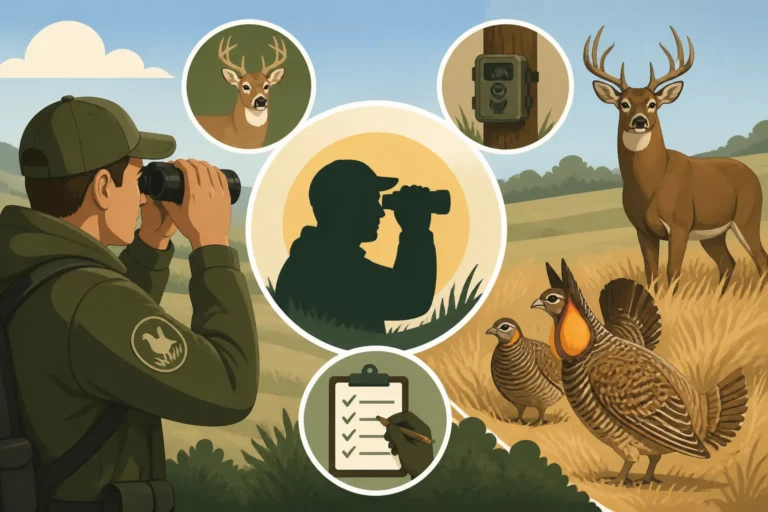
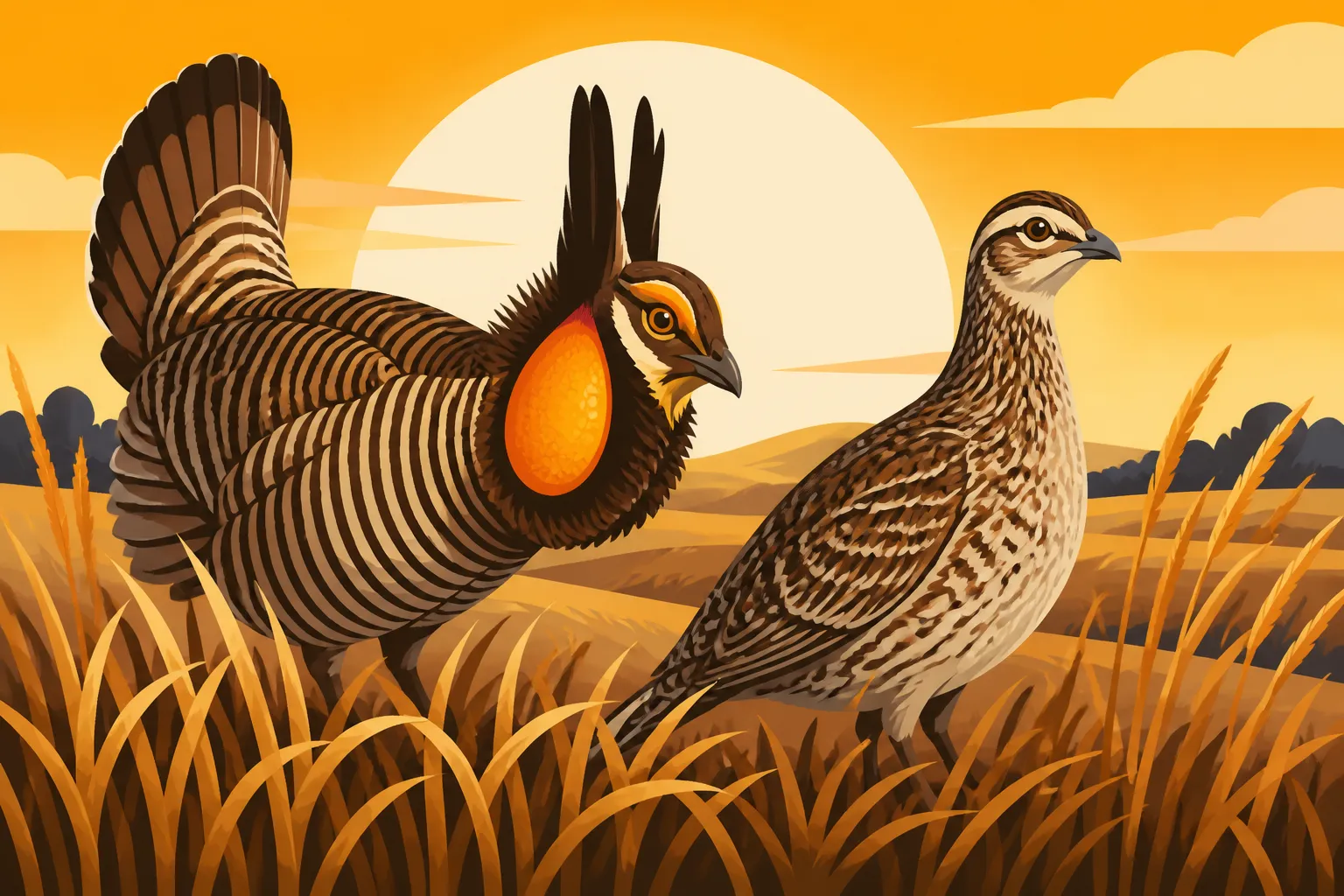
At first glance, especially when they flush or are at a distance, prairie-chickens and sharp-tailed grouse can look quite similar. Both are chunky, brown, speckled birds that burst from cover with a distinctive cackle and powerful wingbeats. However, once you get a closer look, several key features set them apart. The greater prairie-chicken is generally larger and has distinct barring on its breast feathers that runs horizontally. Its tail is shorter, dark, and rounded, and it lacks the white outer tail feathers that are so prominent on a sharptail. Perhaps the most iconic feature, particularly on the males during their spring mating dances, are the vibrant orange air sacs on their necks, though you won't see these in hunting season.
Sharp-tailed grouse, on the other hand, are slightly smaller and often appear more finely mottled with V-shaped markings on their breast. Their most distinguishing feature is their pointed tail, which is why they're called "sharp-tailed." The outer tail feathers are predominantly white, providing a flash that's often visible as they fly away. While they also have bare skin patches on their necks, they're typically less pronounced and purple-red compared to a prairie-chicken's orange. Knowing these subtle differences will not only impress your hunting buddies but also deepen your understanding of the birds you're pursuing in Nebraska's unique grasslands.
Life Cycles and Behaviors
Both species share a fascinating life cycle centered around the spring lekking grounds, where males perform elaborate courtship rituals to attract females. For prairie-chickens, this involves a booming call produced by inflating their neck sacs, along with stamping feet and a dramatic strut. Sharptails have a similar dance, characterized by a rapid foot-stamping called a "stomping dance" and a cooing sound, often on slightly elevated ground. After mating, hens will nest in dense grass, typically laying a clutch of 8-15 eggs. The chicks hatch in late spring or early summer and are precocial, meaning they can move and feed themselves soon after hatching, following the hen.
Throughout the summer, broods of young grouse feed on insects and tender greens, growing rapidly. As fall approaches, the family units may begin to coalesce into larger coveys, especially as temperatures drop and food sources become scarcer. These coveys often hold tight in thick cover, relying on camouflage to avoid predators. Understanding their seasonal movements – from dispersed broods in summer to concentrated coveys in fall and winter – is crucial for hunters. They're wary birds, and by hunting season, they've learned a lot about evading danger. They often prefer to run or hunker down before flushing, making a good bird dog an invaluable asset in their pursuit. They also have a habit of flushing in waves, or running ahead through the grass, which adds to the challenge and excitement of the hunt.
The Historical Landscape and Current Status
Nebraska's grasslands were once teeming with these magnificent grouse. However, like many native wildlife species, prairie-chickens and sharp-tailed grouse have faced significant challenges over the past century. Their story is intertwined with the history of the prairie itself, a narrative of both resilience and loss. Understanding their journey gives us a deeper appreciation for the birds we pursue today.
Population Trends and Decline Factors
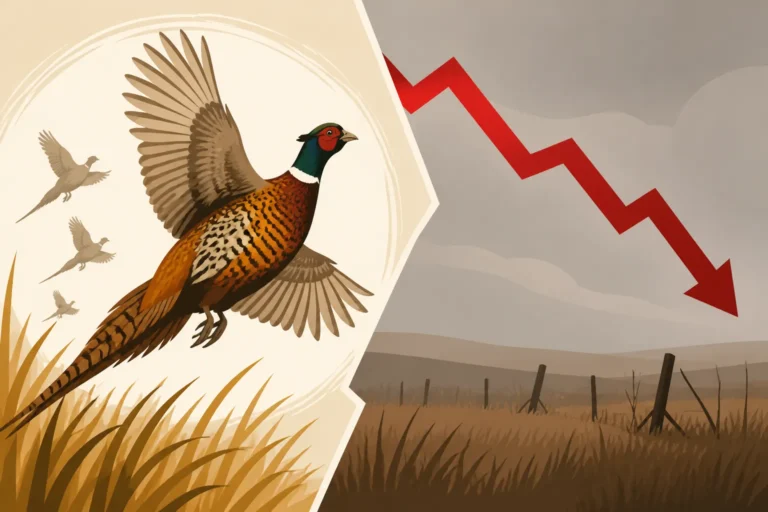
Historically, greater prairie-chickens were incredibly abundant across the tallgrass prairies of the Midwest, with Nebraska being a significant part of their range. Sharp-tailed grouse were more tied to the Sandhills and mixed-grass prairies. However, the conversion of native prairie to agriculture, particularly row crops, has been the primary driver of their decline. As fences went up and plows turned sod, vast expanses of the contiguous grassland habitat these birds need for nesting, brooding, and winter survival simply disappeared. This habitat fragmentation isolates populations, making them more vulnerable to local extinctions.
Beyond direct habitat loss, changes in grazing practices and fire suppression have also played a role. Overgrazing can reduce the necessary tall, dense cover for nesting, while undergrazing can lead to a build-up of thatch that also isn't ideal. The widespread use of pesticides reduces insect populations, a vital food source for chicks. Furthermore, increased predator populations, thriving in altered landscapes, can also impact grouse success. While sharp-tailed grouse have fared somewhat better due to their preference for the more intact Sandhills, even their populations have seen fluctuations. The Nebraska Game and Parks Commission (NGPC) closely monitors these populations, using lek counts in the spring to gauge annual trends, and hunters are always eager to see if numbers are up or down for the upcoming season.
Habitat Challenges and Recovery Efforts
The biggest challenge facing both prairie-chickens and sharp-tailed grouse is, without a doubt, the ongoing need for suitable habitat. These birds are grassland specialists; they require large tracts of intact, diverse prairie to thrive. They need dense, residual cover for nesting, more open areas for brood-rearing where chicks can forage for insects, and protective winter cover from harsh Nebraska blizzards. The patchwork landscape created by modern agriculture makes it incredibly difficult for them to find all these needs met in close proximity.
Fortunately, there are significant efforts underway to address these challenges. Organizations like Pheasants Forever and the National Wild Turkey Federation often partner with landowners and state agencies to implement grassland restoration projects, often focusing on replanting native grasses and wildflowers. Programs like the Conservation Reserve Program (CRP) have been vital in converting marginal cropland back to grassland, providing crucial nesting and brood-rearing habitat, though enrollment numbers can fluctuate. The NGPC also actively manages its own Wildlife Management Areas (WMAs) to benefit grouse, using prescribed burning, grazing, and haying to create a mosaic of cover types that mimic natural prairie processes. Hunters can play a direct role by purchasing a Nebraska Habitat Stamp Price which directly funds these crucial habitat initiatives, making every hunt contribute to the future of these birds.
Prime Habitat and Where to Find Them
Nebraska is a state of diverse landscapes, but when it comes to prairie grouse, one region stands out above all others: the Sandhills. This vast, unbroken expanse of native grassland is one of the largest intact grassland ecosystems in the world, and it's the heart of grouse country. Understanding this unique environment is crucial for anyone hoping to successfully hunt these birds.
The Sandhills Stronghold for Grouse
The Nebraska Sandhills are truly a marvel. Rolling hills of sand, stabilized by a dense mat of native grasses, stretch for thousands of square miles. This unique topography, combined with the underlying Ogallala Aquifer, creates an ideal environment for grassland birds. Here, you'll find the expansive, undisturbed habitat that prairie-chickens and sharp-tailed grouse require to thrive. Prairie-chickens tend to favor the slightly taller, denser grasses of the wet meadows and lowland areas, often near subirrigated valleys or creek bottoms. They might be found in thicker pockets of cover along the edges of these areas.
Sharptails, conversely, often prefer the drier, choppier uplands of the Sandhills, where shorter grasses mix with patches of sagebrush and other low-growing shrubs. They blend perfectly into the undulating landscape, using every dip and rise for cover. Both species will congregate near reliable food sources as fall progresses, which can include the seeds of various grasses, forbs, and even leftover grain in nearby agricultural fields if they are available. When you're Walking Nebraska Sandhills Meadows for Sharptails, pay close attention to the transitions between these habitat types, as that's often where you'll find birds moving. The sheer scale of the Sandhills can be intimidating, but breaking it down into these distinct habitat preferences will greatly increase your chances of finding birds.
Public Access Opportunities
Hunting the Sandhills can feel daunting, especially for those unfamiliar with the region, as much of it is privately owned ranch land. However, Nebraska offers several excellent public access opportunities that can provide fantastic grouse hunting. The Nebraska National Forest at Halsey and the Samuel R. McKelvie National Forest are two prime examples, offering thousands of acres of accessible land within the Sandhills. These national forests are unique in that they were man-planted on the sand dunes, but they now support a healthy mix of trees and native grasslands that provide good cover.
Beyond the national forests, the Nebraska Game and Parks Commission's Open Fields and Waters (OFW) program is an absolute game-changer for public access. This program leases private land from willing landowners, opening it up to public hunting. These OFW tracts are often strategically located in prime grouse habitat and are clearly marked with distinctive yellow signs. Regularly checking the Nebraska Public Access Atlas (available online and through their mobile app) is essential, as these tracts can change annually. The atlas is your best friend for scouting and planning, showing you where you can legally access private land. Additionally, scattered Wildlife Management Areas (WMAs) throughout the Sandhills and other suitable areas also offer public hunting. It pays to do your homework and pinpoint these areas using tools like GoHunt's public land layers, which can give you a clearer picture of ownership and access before you ever leave home.
Getting Ready for the Hunt
Embarking on a grouse hunt in Nebraska isn't something you decide to do on a whim. It requires careful planning, understanding the regulations, and ensuring you have the right gear for the demanding conditions. The more prepared you are, the more enjoyable and successful your experience will be.
Permits, Seasons, and Regulations
Before you even think about stepping foot in the Sandhills, you need to make sure your paperwork is in order. All hunters in Nebraska, resident or nonresident, need a valid Nebraska hunting permit and a Nebraska Habitat Stamp. If you're hunting migratory birds (which grouse technically are not, but it's good to know for other hunts), you'd also need a Harvest Information Program (HIP) registration, though it's not required for prairie grouse. Understanding How Nebraska's Prairie Grouse Season Runs is critical. The season typically opens in early September and runs through January, but always double-check the current year's Nebraska Game and Parks Commission regulations for exact dates and bag limits.
Bag limits are usually quite conservative, often a combined total of 3-4 prairie-chickens and sharp-tailed grouse per day, with a possession limit to match. Blaze orange requirements are also important to note; while often associated with deer hunting, wearing blaze orange is a good safety practice, especially when walking expansive areas with other hunters. Ensure you know the legal shooting hours, which are typically from one-half hour before sunrise to sunset. A common frustration for new hunters is overlooking these details, so take the time to read the regulations booklet cover-to-cover. It's available online and at permit vendors.
Essential Gear and Preparation
Hunting grouse in Nebraska means covering a lot of ground, often in challenging conditions. Your gear needs to be up to the task. First and foremost, a reliable shotgun is essential. Many hunters prefer a lightweight 12 or 20 gauge with an improved cylinder or modified choke for the typically close-flushing shots in heavier cover, or a slightly tighter choke like modified or even full for the longer shots sometimes offered in more open areas. Loads of 6- or 7½-shot are common, but always check if specific shot types (like non-toxic shot) are required on certain public lands, though generally lead is permitted for upland birds on most public grouse areas. Your shotgun should be comfortable to carry all day, as you'll be putting in miles.
Beyond your firearm, durable, comfortable boots are non-negotiable. You'll be walking through sand, prickly pear cactus, and tough grass, so Boots for Walking Nebraska Grass and Sand are paramount. Look for something with good ankle support and waterproofing, even if it's dry, as morning dew can soak lesser boots quickly. Dress in layers, as September mornings can be cool but afternoons often turn warm, especially when you're exerting yourself. A good upland vest with plenty of shell loops, a large game pouch, and hydration capacity is also key. Don't forget bug spray, sunscreen, and a good compass or GPS (like the one found in the GoHunt app or a dedicated unit) for navigation in the vast, often featureless Sandhills. Given the potential for Hunting Grouse in September Heat, carrying plenty of water for both yourself and your dog is not just recommended, it's absolutely vital.
Tactics for Success in Open Country
Hunting prairie grouse is a physically demanding pursuit that requires a keen understanding of bird behavior, dog work, and the vast landscape itself. Unlike hunting pheasants in crop fields or quail in brushy draws, grouse hunting in the Sandhills is about covering ground, reading subtle signs, and being prepared for explosive flushes in unexpected places.
Walking and Working Birds with Dogs
The most effective and enjoyable way to hunt prairie grouse is with a good bird dog. Pointers are particularly well-suited for this expansive country, allowing you to cover vast areas and locate birds that would otherwise be missed. When a dog goes on point, the tension is palpable; it's a moment of truth where strategy and patience come into play. Sharptails, especially, are notorious for running ahead of a dog, requiring the handler to move quickly to get in front of the bird or reposition the dog to pin it. Prairie-chickens can also be runners, and often hold incredibly tight, almost forcing you to step on them before they flush. A dog that honors another dog's point is invaluable, especially when working with multiple hunters.
Walking strategies often involve breaking down large tracts into manageable sections, often walking into the wind to give your dog the best chance to scent birds. Focus on areas that offer a mix of habitat: dense cover for loafing, slightly shorter grass for feeding, and natural travel corridors like subtle draws or the edges of wet meadows. Don't be afraid to keep moving, but also know when to slow down and meticulously comb an area where you suspect birds are holding. The pace can be grueling, especially on sandy terrain, so be sure your dog is conditioned for the work and that you're watching for signs of overheating, especially on warmer days. Remember, Water and Heat Risk for Bird Dogs is very real in the Sandhills.
Reading the Landscape and Wind
The Sandhills might look uniform from a distance, but up close, it's a tapestry of subtle undulations, draws, and varying grass heights. Learning to "read" this landscape is a skill that comes with experience but is crucial for consistent success. Birds will almost always choose cover that offers them protection from predators and the elements, and often a thermal advantage. On cold, windy days, they might hunker down in a deep draw or on the leeward side of a hill, out of the direct blast. On warmer days, they might seek slightly higher ground with a breeze, or the shade of a taller clump of grass.
Wind direction is your constant companion and ally. Always try to work your way into the wind or with a crosswind. This allows your dog to pick up scent more effectively, and it means flushed birds are more likely to fly into the wind, which can make for slower, more predictable shots. Pay attention to how the wind eddies and swirls in the draws and around hills. Birds often know these microclimates better than we do. Furthermore, understanding the general Wind Direction on Open Nebraska Prairie Stands can help you anticipate bird movement and set up for more effective flushes. Scouting, even simply driving the accessible two-tracks and glassing with good binoculars, can reveal feeding patterns or areas of dense cover where birds might be holding. GoHunt's mapping features can also help you identify key topographic features and potential cover concentrations from afar.
Conservation Efforts and the Future
Hunting greater prairie-chickens and sharp-tailed grouse is more than just a pursuit of game; it's a deep connection to the prairie and a commitment to its preservation. These birds are bellwethers of grassland health, and their future depends on ongoing conservation efforts. As hunters, we have a vital role to play in ensuring these iconic species continue to grace Nebraska's landscapes.
Grassland Management Initiatives
The health of prairie grouse populations is directly tied to the health of the grasslands they inhabit. Proactive grassland management is critical, and it often involves a combination of techniques designed to create diverse and productive habitats. Prescribed burning is a key tool, mimicking natural fire cycles to remove old, woody vegetation, stimulate new grass growth, and control invasive species. Carefully managed grazing, often in partnership with local ranchers, can also be beneficial, creating a mosaic of grass heights and densities that meet the needs of grouse throughout their life cycle.
Programs like the Nebraska Grassland Management Initiative (NGMI) and various efforts by the Natural Resources Conservation Service (NRCS) work with private landowners to implement these practices. These initiatives often focus on enhancing nesting cover, improving brood-rearing habitat by encouraging forb growth (which supports insect populations), and creating winter cover. Without these ongoing, strategic management efforts, the quality and quantity of habitat for grouse would continue to decline. Hunters directly support these efforts through their purchase of hunting licenses and habitat stamps, proving that conservation and hunting go hand-in-hand.
Hunter's Role in Conservation
Hunters are, without a doubt, among the most dedicated conservationists. Every permit purchased, every habitat stamp affixed, contributes directly to funding wildlife research, habitat acquisition, and management programs that benefit not just grouse but countless other species. Beyond financial contributions, hunters also act as eyes and ears on the ground, reporting changes in bird populations, habitat degradation, or illegal activities. Our passion for the hunt fuels our desire to protect these wild places and the creatures that call them home.
Participating in volunteer efforts, such as habitat improvement projects or assisting with spring lek counts, is another powerful way for hunters to contribute. Educating others about the importance of native grasslands and the unique ecology of prairie grouse also helps foster a broader appreciation for these birds. By understanding the challenges these species face and actively engaging in their conservation, we ensure that future generations will also have the opportunity to experience the thrill of Prairie Grouse Hunting on Nebraska's Open Range and witness the spectacular courtship displays on the lek.
Ethical Hunting and Best Practices
As hunters, our responsibility extends beyond just adhering to regulations; it encompasses a deep respect for the land, the wildlife, and the hunting tradition itself. Practicing ethical hunting ensures a positive image for our sport and contributes to the long-term health of grouse populations.
Field Care and Processing Your Birds
Once you've successfully harvested a prairie-chicken or sharp-tailed grouse, proper field care is essential to ensure the meat is of the highest quality. In warmer early season hunts, it's critical to cool the birds down as quickly as possible. This means gutting them in the field immediately after harvest. Remove the entrails, and if you have water available, rinse the cavity. If temperatures are high, carrying a small cooler with ice in your vehicle to transport birds back to camp or home is a wise move. For specific guidance on how to manage game in early season, consider reviewing resources like Field Dressing and Cooling Game in Warm Weather.
Back at camp or home, you can either pluck the birds entirely or breast them out. Both methods yield delicious meat. Plucking takes more time but gives you the entire bird, skin and all, which can add flavor during cooking. Breast removal is quicker and often preferred by those looking to simply get the meat off the bone. Always remember to leave one wing attached to the bird while in transport until you reach your final destination, as this often helps game wardens identify the species and count for bag limits, as per regulations. Proper care ensures that your hard-earned harvest is respected and enjoyed.
Safety and Respecting the Land
Safety should always be your top priority when hunting. This includes firearm safety – always knowing your target and what's beyond it, keeping your muzzle pointed in a safe direction, and treating every firearm as if it's loaded. When hunting with partners, maintain a safe shooting lane and be aware of where everyone is at all times. Wearing blaze orange, even if not strictly required, is a smart decision, especially when hunting in areas that might also have deer hunters during overlapping seasons.
Respect for the land means leaving no trace behind. Pack out everything you pack in, including spent shotshells and any trash. Be mindful of livestock gates; if you open one, close it behind you. Stay on designated roads or trails on public land, and always, always secure permission before entering private land. The reputation of all hunters hinges on the actions of each individual. Treat the resource, the land, and other users with respect, and you'll uphold the integrity of our cherished hunting heritage.
Grouse Comparison Table
To help differentiate these two fantastic birds, here's a quick comparison:
| Feature | Greater Prairie-Chicken | Sharp-Tailed Grouse |
|---|---|---|
| Size | Slightly larger, heavier | Slightly smaller, more slender |
| Breast Pattern | Horizontal barring | V-shaped or U-shaped markings |
| Tail | Short, rounded, dark | Pointed, outer white feathers prominent |
| Neck Sacs (Males) | Large, round, orange (spring) | Smaller, purplish-red (spring) |
| Habitat Preference | Denser, taller grass, wet meadows | Drier uplands, mixed-grass, sagebrush |
| Flight Pattern | Strong, cackling, more direct | Erratic, glides, often "zipping" away |
| Behavior | Often holds very tight, can run | Prone to running, flushes farther |
Disclaimer
Please note that hunting regulations, season dates, and permit requirements can change. Always consult the most current Nebraska Game and Parks Commission regulations booklet or website before planning your hunt. The information provided in this guide is for general informational purposes only and should not be considered legal advice.