Reporting a Poacher in Nebraska
It’s a gut-wrenching feeling, isn’t it? You’re out enjoying Nebraska’s incredible natural beauty, perhaps scouting for deer or enjoying a quiet morning turkey hunt, and you stumble upon something that just isn’t right – a blatant violation of hunting laws. It makes your blood boil, seeing someone disrespect the resource and the hard work of ethical hunters. This guide is here to empower you, detailing exactly how to report a poacher in Nebraska so you can help protect our wildlife for everyone.
The Unseen Threat: Why Reporting Poaching Matters So Much
Witnessing poaching is more than just seeing someone break a rule; it’s seeing a direct attack on the very foundations of ethical hunting and wildlife conservation. For many of us, hunting is deeply tied to respect for nature and the animals we pursue, and seeing that respect violated is incredibly frustrating. It feels personal because it undermines the collective effort to manage and preserve Nebraska’s rich wildlife heritage.
Beyond Just a "Bad Apple": The Broader Impact
While it might seem like a single individual’s actions, poaching has far-reaching consequences that hurt everyone. When someone takes an animal illegally – whether it's out of season, over the bag limit, or using illegal methods – they're not just stealing from the state; they're stealing from every law-abiding hunter and citizen. These illegal harvests aren't accounted for in wildlife management plans, which can throw off population estimates and lead to poor management decisions. Imagine an area where conservation officers are trying to manage deer populations based on legal harvests, but an unknown number of animals are being poached. This could lead to incorrect tag allocations or even impact the health of the herd long-term.
It's particularly galling when you consider the dedication and investment that goes into conservation. All the revenue from hunting licenses, stamps like the Nebraska Habitat Stamp Price, and federal excise taxes on hunting gear contribute directly to wildlife management. Poachers bypass all of that, taking without contributing, effectively freeloading on the system we all support. This isn't just about the thrill of the chase; it's about sustaining a healthy ecosystem for generations to come.
Protecting Our Shared Resources and Heritage
Nebraska’s wildlife, from the booming pheasants of the grasslands to the elusive mule deer in the Sandhills, are a public trust. They belong to all of us. When someone poaches, they erode that trust and diminish the resource for everyone. This isn’t just about the current hunting season; it's about protecting the long-term health and viability of these populations.
Think about the effort that goes into habitat restoration, research into diseases like Chronic Wasting Disease in Nebraska, and the meticulous process of setting Nebraska Big Game Permits and How to Get One. All of this work is done to ensure sustainable hunting opportunities and robust wildlife populations. Poaching directly undermines these efforts. It can lead to localized declines in game, make it harder for legitimate hunters to find success, and even impact the genetics of a herd if prime breeding animals are taken out of turn. Every time an ethical hunter meticulously follows Nebraska Deer Tagging and Checking Rules and contributes to the system, a poacher diminishes that contribution.
The Ripple Effect on Ethical Hunters
Beyond the ecological damage, poaching can sour the experience for ethical hunters. It creates a sense of injustice and unfairness. We spend countless hours Scouting Nebraska Public Ground Before Opening Day, honing our skills, and patiently waiting for legal opportunities. To know that someone else is skirting the rules, taking shortcuts, and reaping illegal gains can be incredibly disheartening.
It can also cast an unfair shadow over the entire hunting community. Non-hunters often form their opinions based on the actions of a few, and poachers give all hunters a bad name, perpetuating negative stereotypes. By actively reporting poaching, we’re not just enforcing laws; we’re standing up for the integrity of hunting itself. We’re demonstrating that ethical hunters are the true conservationists and that we have zero tolerance for those who abuse our wildlife resources. It's about preserving the reputation of a sport that many of us hold dear, ensuring it remains respected and viable for future generations who will one day take their Nebraska Hunter Education Age Requirement.
Making the Call: How to Report a Poacher in Nebraska
So, you’ve witnessed something that just doesn’t sit right. Your gut tells you it’s poaching. What do you do? The key is to act quickly and provide as much detail as possible, but always, always prioritize your own safety. Do not confront suspects directly. Let the professionals handle that.
The Nebraska Game and Parks Commission (NGPC) Hotline
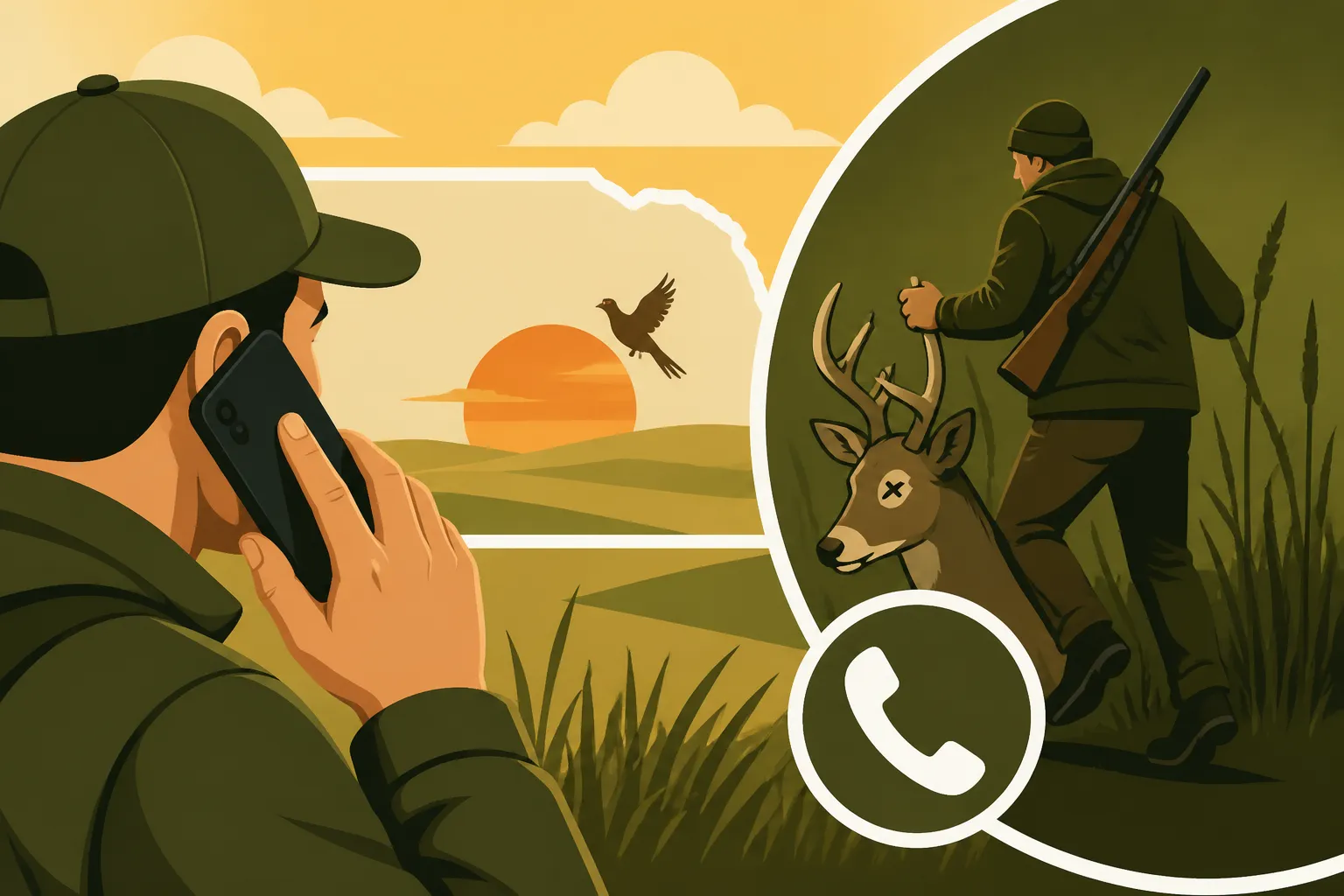
The most direct and often most effective way to report a poacher in Nebraska is through the Nebraska Game and Parks Commission (NGPC) toll-free hotline. This is their dedicated line for wildlife violations, and it’s monitored by staff who can quickly dispatch conservation officers.
The number to call is 1-800-742-SNAP (7627).
When you call, you'll be connected to someone who will guide you through the process of providing information. They'll ask for specifics about what you saw, where it happened, and who was involved. This is your primary resource for urgent situations where immediate action is required, such as seeing someone actively shooting out of season, taking an over-limit of game, or trespassing on posted land. Remember, these calls are usually handled with confidentiality, so don't be afraid to speak up. Your identity can be protected, ensuring your safety and encouraging you to report without fear of retaliation. This hotline is critical because it connects you directly to the officers who patrol the very lands where violations often occur, from the dense timber of river bottoms to the wide-open prairie where Wind Direction on Open Nebraska Prairie Stands is a constant factor in legal hunting.
Online Reporting Options for Less Urgent Cases
For situations that are less urgent – perhaps you found evidence of poaching after the fact, or you observed suspicious activity that wasn't an active violation but raises concerns – the NGPC also offers online reporting options. While this isn't for emergencies, it's a valuable tool for providing information that can aid ongoing investigations or help officers track patterns of illegal activity.
You can typically find an online reporting form on the official Nebraska Game and Parks Commission website. Navigate to their "Law Enforcement" or "Report a Violation" section. These forms often allow you to submit details, and sometimes even attach photos or videos, which can be incredibly helpful for investigators.
This method is ideal for:
- Discovering a discarded carcass with no tag.
- Finding evidence of illegal baiting or trapping.
- Noticing consistent suspicious vehicle activity in an area you frequent.
- Reporting a Nebraska Hunting Violation Penalties for something you observed previously.
Even if you’re using an app like GoHunt to scout new areas or check land boundaries, if you come across something concerning, you can mark the exact location and then use the online form to submit your detailed report later. Having precise GPS coordinates from a hunting app can be a game-changer for officers trying to locate a site.
When to Contact Local Law Enforcement Directly
While the NGPC hotline is your first line of defense for wildlife violations, there are times when contacting local law enforcement (sheriff's office or city police) is appropriate, especially if the situation involves other crimes or poses an immediate threat to public safety.
Consider calling 911 or your local sheriff's non-emergency line if:
- You witness a crime that goes beyond just wildlife violations, such as assault, theft, or property damage in conjunction with poaching.
- The individuals involved are armed and acting aggressively.
- You feel your personal safety or the safety of others is at immediate risk.
- You're on private land and witness blatant trespassing, especially if combined with poaching, which directly violates Nebraska's Posted-Land and Trespass Rules.
Even if local law enforcement responds, they will often coordinate with NGPC conservation officers if a wildlife violation is involved. The key is to use your best judgment. If it’s purely a wildlife issue, the NGPC hotline is best. If there’s an immediate danger or another serious crime, involve local authorities without hesitation. This ensures the quickest and most appropriate response to the situation at hand.
Becoming an Effective Witness: What Information to Gather
When you report a poacher, the more detailed and accurate information you can provide, the higher the chances of a successful investigation and prosecution. Conservation officers are essentially detectives, and they rely heavily on the eyes and ears of concerned citizens like you. Think of yourself as a vital first responder in the evidence-gathering process.
Describing the Suspect and Their Vehicle
This is often some of the most crucial information you can provide. Don't worry about getting every detail perfect, but focus on what stands out.
For Suspect(s):
- Number of individuals: How many people were involved?
- Gender and approximate age: Male/Female, young/old.
- Build/Height: Tall, short, heavy, thin.
- Hair color/style: Bald, long, short, color.
- Clothing: Specific colors, types of jackets, hats, notable logos or patterns. Was it blaze orange during Orange Requirements for Archers in November?
- Distinguishing features: Scars, tattoos, glasses, facial hair, limp, accent.
- Actions: What exactly were they doing? Shooting, loading an animal, cutting fences?
For Vehicle(s):
- Make and model: Ford F-150, Chevy Tahoe, Subaru Outback.
- Color: Be specific (e.g., dark blue, faded red, tan).
- License plate number and state: This is GOLD. Try to get all characters if possible. If you can’t get the full plate, even a partial plate or the state can be helpful.
- Distinguishing features: Dents, rust, specific accessories (e.g., headache rack, unique rims, brush guard, personalized bumper stickers, a specific type of Rifle Cases for Flying to Nebraska visible).
- Direction of travel: Which way did they go when they left?
It can be hard to remember everything in the moment, but try to mentally (or physically, if safe) jot down key details as soon as possible. Even small observations can piece together a larger picture for officers.
Pinpointing the Location and Time
Knowing when and where a violation occurred is just as important as knowing who committed it. Without a specific location, officers might not know where to even begin their search.
For Location:
- Specific address: If you know it, great.
- GPS coordinates: Many smartphones and hunting apps like GoHunt have built-in GPS capabilities. Jotting down the precise latitude and longitude is incredibly useful for conservation officers. This is why having tools like the Nebraska Public Access Atlas Mobile App or onX Layers for Nebraska Land Status is so beneficial; they allow you to pinpoint your exact spot.
- Landmarks: What was near the scene? A specific tree, a fence line, a creek crossing, a power pole, a prominent rock formation, a Shelterbelt Between Nebraska Fields?
- Road names and intersections: "Just off Highway 2, about 3 miles west of town, near the old red barn."
- Type of property: Public land, private property, Hunting a Creek Crossing in the Sandhills? This helps officers determine jurisdiction and appropriate actions.
For Time & Date:
- Exact date and time: "Today, November 10th, at approximately 3:15 PM."
- Duration of activity: How long did you observe the activity?
- Weather conditions: Sunny, cloudy, raining, heavy fog. This can affect visibility and evidence.
Be as precise as you can. A vague report of "some guys poaching out by the river" is much harder to act on than "two men in a red Ford F-150, license plate XXX-XXX, shooting deer at 4:30 PM on November 10th, from the road at the intersection of County Road 12 and Elm Creek Road, directly across from the old windmill."
Documenting the Offense (Safely!)
In today's world, photographic and video evidence can be incredibly powerful. If you can safely obtain photos or videos without putting yourself in danger or being detected, do so. But remember, your safety is paramount. Do not approach suspects or put yourself in a confrontational situation.
What to Document:
- The act itself: If you can record the illegal activity (e.g., someone shooting an animal out of season, retrieving an over-limit of birds, or illegally Setting Up on a Nebraska Cornfield Edge).
- Evidence of the violation: Illegally harvested animals, spent shell casings, tire tracks, bait piles, illegal traps.
- Vehicle and license plate: Multiple angles if possible.
- Suspects (from a distance): Clear photos of faces if safely attainable.
Tips for Safe Documentation:
- Stay hidden: Use natural cover, your vehicle, or distance to remain undetected.
- Zoom in: Use your phone's zoom feature to get closer details without getting physically closer.
- Be discreet: Don't make sudden movements or loud noises that might draw attention to yourself.
- Note sounds: What did you hear? Gunshots, calls, vehicle sounds?
Even if you can only get a blurry photo or a short video clip, it can still provide valuable clues and corroborate your verbal testimony. This type of evidence can be incredibly helpful when pursuing convictions, especially when considering Nebraska Hunting Violation Penalties.
| Information Category | Details to Observe & Report | Importance for Investigation |
|---|---|---|
| Suspect(s) | Number, gender, approximate age, build, height, hair, clothing, distinguishing features (scars, tattoos, limp). Names if known. | Identifies individuals for follow-up. |
| Vehicle(s) | Make, model, color, license plate (state & full number), distinctive features (dents, decals, accessories). Direction of travel. | Tracks down and links offenders to scene. |
| Location | Specific address, GPS coordinates, road names, visible landmarks (barn, unique tree, fence line, river bend), type of property (public/private). | Guides officers to the exact site of violation. |
| Time & Date | Exact date and time of observation. Duration of observed activity. | Establishes timeline and helps verify accounts. |
| Violation Type | What precisely happened? (e.g., shooting out of season, trespassing, over bag limit, illegal method, abandoned animal). | Informs officer of specific laws broken. |
| Evidence Observed | Number of animals, species, type of weapon, spent shell casings, bait, traps, damaged property. | Corroborates report and provides physical evidence. |
| Your Contact Info | Name, phone number, email (for follow-up; usually kept confidential upon request). | Allows officers to ask for clarification. |
What Happens Next: The Investigation Process
Once you’ve made that critical call or submitted your online report, you might wonder what happens behind the scenes. It's a process that often takes time and careful investigation, but your information is the vital starting point.
From Your Call to the Conservation Officer's Actions
When you contact the NGPC hotline, your report goes directly to dispatchers who assess its urgency and nature. For active violations, especially those involving public safety or fresh evidence, a conservation officer will be dispatched immediately. These officers are highly trained law enforcement professionals with specific expertise in wildlife laws and field investigation.
Upon arrival, the officer will typically:
- Secure the scene: If a live situation, they'll prioritize safety and apprehend suspects if present.
- Gather initial evidence: They'll look for physical evidence based on your report – tire tracks, shell casings, footprints, carcasses, or any signs of the violation.
- Interview witnesses: If you provided your contact information, they might follow up with you for more details.
- Canvass the area: They might check surrounding properties or known poaching hotspots.
For less urgent reports, like finding evidence of an older violation, the officer might still visit the site to collect evidence, check for patterns, or open a case for further investigation. They may cross-reference your information with other reports or intelligence they've gathered. Remember, successful poaching cases often involve a puzzle where your piece of information is crucial, especially when combined with data gathered from other sources or platforms like GoHunt that help them understand the hunting pressure in a given area.
Confidentiality and Witness Protection
Many people hesitate to report poaching because they fear retaliation from the poachers. It’s a very real and understandable concern. However, the Nebraska Game and Parks Commission takes confidentiality very seriously. When you call the hotline, you can explicitly request that your identity be kept confidential. This means your name and contact information will not be shared with the suspected poachers or the public.
Conservation officers understand the importance of protecting their sources. They are skilled at conducting investigations without revealing who tipped them off. In some cases, if you are required to testify in court, your identity might become known, but this is a relatively rare occurrence, and measures are often taken to protect witnesses. Most cases are resolved through evidence gathered by officers, often built on the initial lead you provided, without the need for witness testimony. The goal is to encourage people to come forward, ensuring that the fear of retaliation doesn't allow poachers to operate with impunity.
The Long-Term Impact of Your Report
Even if your report doesn't lead to an immediate arrest, it has a significant long-term impact. Every piece of information contributes to a broader intelligence picture that conservation officers build over time. A single report might be the missing piece in an ongoing investigation into habitual poachers. It might highlight a new poaching hotspot that needs increased patrol. It could even inform future wildlife management strategies or changes in Nebraska hunting permit cost or regulations.
Your report also sends a clear message: the hunting community and concerned citizens are watching. This vigilance can act as a deterrent, making poachers think twice before disrespecting Nebraska’s wildlife. By taking the time to report, you become an active participant in wildlife conservation, upholding the ethical standards of hunting, and ensuring that future generations have healthy wildlife populations to enjoy, whether they are Hunting a Pheasant Field Without a Dog or pursuing a trophy whitetail. You’re not just reporting a crime; you’re investing in the future of Nebraska’s outdoor heritage.
Disclaimer
Please remember that hunting regulations, reporting procedures, and specific phone numbers can change. Always consult the latest Nebraska Game and Parks Commission official guidelines or contact them directly for the most current information.