Nebraska Duck Season Zone 1 Dates
Getting your head wrapped around Nebraska's duck season dates can feel like trying to hit a fast-flying teal with buckshot – confusing and frustrating, especially with the different zones. You've got work, family, and a million other things, and trying to decipher the Nebraska Game and Parks Commission regulations booklet shouldn't be another chore. This guide is here to untangle the specifics of Nebraska's Duck Season Zone 1 dates, helping you plan your hunts with confidence and get ready for some fantastic waterfowl action.
Understanding Nebraska's Duck Hunting Zones and Zone 1 Dates
Nebraska, like many states along the Central Flyway, uses a zone system to manage its waterfowl seasons. This isn't just to make things complicated; it's a strategic way to account for varying migration patterns, breeding success, and hunter pressure across different parts of the state. Zone 1 is a critical area for many hunters, and knowing its specific dates is your first step toward a successful season.
What Defines Nebraska's Zone 1
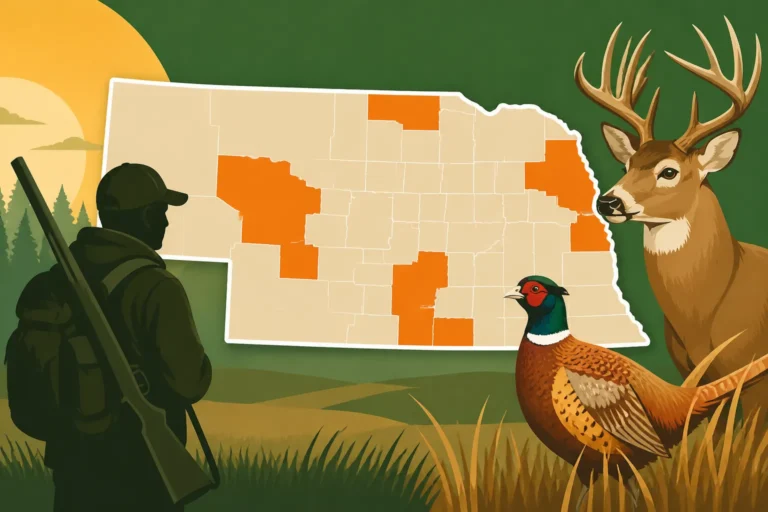
Zone 1, often referred to as the Low Plains East Zone, covers a significant portion of eastern Nebraska. It's generally characterized by a mix of agricultural fields, river systems like the Platte and Missouri, and numerous smaller wetlands and farm ponds. This diverse habitat makes it a prime location for ducks, especially early in the season when local birds are abundant, and later as migrations push new birds south. Understanding where this zone begins and ends is crucial to avoid any accidental violations, which nobody wants after spending all that time and money gearing up. You can always check the official Nebraska Public Access Atlas or use digital tools like GoHunt to visualize these boundaries on a map.
The boundaries for Zone 1 are typically defined by major highways and county lines. For example, the eastern boundary often follows the Missouri River, while the western and northern boundaries are usually delineated by specific roads or other geographic features. It’s always a good idea to double-check the current year's regulations because, while they are generally consistent, minor adjustments can occur. For instance, the line might follow Highway 81 north from the Kansas border, then turn east along a different highway, encompassing counties like Gage, Lancaster, Cass, and Washington. These details are important for both residents and nonresidents planning their hunts within the broader Nebraska Waterfowl Seasons and Zones.
Key Dates for Nebraska's Zone 1 Duck Season
The duck season in Nebraska's Zone 1 is typically split into two segments, allowing hunters to target both early migrators and later birds. This split season approach is common and gives hunters flexibility. The first segment usually kicks off in late September or early October, providing opportunities for local mallards, wood ducks, and teal. The season then takes a brief break, often during a period of minimal migration or to reduce pressure, before reopening for a longer, second segment that extends into December or early January.
For the most up-to-date information, it's essential to consult the Nebraska Game and Parks Commission's official regulations each year. However, based on recent years, here’s a general idea of what to expect for Nebraska Duck Season Zone 1 dates:
| Segment | Approximate Start Date | Approximate End Date | Primary Target Birds (Early Season) | Primary Target Birds (Late Season) |
|---|---|---|---|---|
| First Split | Late September / Early October | Mid-October | Teal, Wood Ducks, Local Mallards | N/A |
| Second Split | Late October / Early November | Early January | Mallards, Gadwalls, Wigeon, Divers | Mallards, Canada Geese, Divers |
Note: These dates are approximate and subject to change annually. Always verify with the official Nebraska Game and Parks Commission regulations for the current hunting year.
This split allows hunters to experience different phases of the migration. The early segment can be incredibly fast-paced, especially for teal. Think warm mornings, flooded timber, and birds buzzing decoys. The later segment, often colder and windier, brings in larger pushes of mallards and other puddle ducks, as well as various diver species, especially on larger bodies of water like reservoirs and the Missouri River. Preparing for these distinct periods, in terms of gear and tactics, is key to maximizing your success.
Factors Influencing Zone 1 Dates
The Nebraska Game and Parks Commission doesn't just pull these dates out of a hat. There's a lot of science and public input that goes into setting them. Factors like habitat conditions, breeding population surveys from the northern prairies, and harvest data from previous years all play a role. If a spring has particularly good water conditions in the breeding grounds of Canada and the Dakotas, it can lead to higher duck production, potentially influencing longer seasons or more generous bag limits. Conversely, drought can have the opposite effect, impacting Duck Production in the Rainwater Basin and other vital areas.
Additionally, hunter feedback and the framework set by the U.S. Fish and Wildlife Service, which manages migratory bird hunting nationwide, guide these decisions. Nebraska operates within the larger Central Flyway framework, which dictates the maximum number of days and bag limits allowed. The state then customizes these within its borders to best serve its hunters and wildlife resources. Tools like GoHunt often provide insights into these trends, helping hunters understand the bigger picture beyond just the dates.
Navigating Regulations and Preparing for Your Zone 1 Hunt
Knowing the season dates is just one piece of the puzzle. To have a truly successful and legal hunt in Nebraska's Zone 1, you'll need a solid grasp of all the associated regulations, necessary permits, and smart preparation strategies. It's not just about pulling the trigger; it's about being a responsible and effective hunter.
Essential Permits and Stamps
Before you even think about setting decoys, you need to ensure all your paperwork is in order. For duck hunting in Nebraska, this includes several key items:
- Nebraska Annual Hunt Permit: This is your basic hunting license, required for any hunting activity in the state.
- Nebraska Habitat Stamp: This stamp supports wildlife habitat projects across the state and is required for most hunting and fishing activities.
- Federal Duck Stamp: This is a federal requirement for all waterfowl hunters 16 years of age or older. The revenue from these stamps goes directly to conserve wetlands and acquire waterfowl habitat. You can purchase these at post offices or many sporting goods stores. Information on the Nebraska Federal Duck Stamp Cost is readily available.
- Harvest Information Program (HIP) Registration: Even if you have all the other stamps, you must also register with the Harvest Information Program (HIP) annually. This helps the U.S. Fish and Wildlife Service gather critical data on migratory bird harvests. It's a quick, free registration you can do online or at permit vendors. Don't forget this Nebraska HIP Registration Requirement!
Failing to have any of these can lead to fines and a ruined hunt, so take the time to acquire them well in advance. Always keep physical or digital copies of these permits with you while hunting.
Daily Bag Limits and Species Identification
The daily bag limit for ducks in Nebraska's Zone 1 is consistent across the state but has specific species restrictions. This means that while you might have a total daily limit, say, six ducks, only a certain number of those can be specific species like mallards (with further hen mallard restrictions), pintails, redheads, or canvasbacks. Wood ducks and black ducks also often have specific limits.
It’s crucial to be able to identify your birds in flight, especially before shooting. A hen mallard looks quite different from a drake, and certain species have very distinctive flight patterns or colors. Mistakes happen, but consistent misidentification can lead to violations. Spend time studying your waterfowl identification guides. Learning your Nebraska Duck Daily Bag Limit before you head out is non-negotiable.
Here’s a general example of a typical duck bag limit, but again, always check current regulations for the most accurate and up-to-date information:
- Total Daily Limit: 6 ducks
- Species-Specific Limits (within the total):
- Mallards: 4, of which only 2 can be hens
- Pintails: 1
- Redheads: 2
- Canvasbacks: 2
- Wood Ducks: 3
- Black Ducks: 2
- Scaup: Varies (often 1-2 depending on population estimates, typically a split of 1 for part of the season, then 2 for the remainder)
- All other legal species: No more than 6 total
These limits are designed to protect vulnerable populations while allowing for sustainable harvest of more common species. Knowing your ducks is not just good practice; it's a legal requirement.
Shooting Hours and Equipment Considerations
Legal shooting hours for ducks in Nebraska typically run from one-half hour before sunrise to sunset. This means you need to be set up and ready before the first legal shooting light, and you must stop shooting as the sun dips below the horizon. Modern hunting apps or a simple sunrise/sunset table can help you determine these times precisely for your specific location.
When it comes to equipment, remember that federal regulations require the use of nontoxic shot for all waterfowl hunting. This means no lead shot. Steel, bismuth, or tungsten-alloy shots are common alternatives. Make sure your shotgun is compatible with nontoxic shot, and choose a choke and shot size appropriate for the type of ducks you expect to encounter. For example, smaller shot sizes like #3 or #4 steel might be good for teal and early-season birds, while #2 or #BB steel might be better for larger, tougher mallards later in the season. You'll find specific Nontoxic Shot Rules on Nebraska WMAs so be sure to check those out.
Decoys are also a huge part of duck hunting. For Zone 1, especially on larger water, you might want a good spread of full-body mallard decoys, and perhaps a few diver decoys if you're on a deep-water lake or river. Consider a spinning wing decoy or two to add some motion and attract birds from a distance. If you're hunting smaller potholes or creeks, a dozen floaters might be all you need. Having the right GoHunt data on typical duck movements in your area can also help you determine the best decoy spreads.
Maximizing Your Success in Nebraska's Zone 1
Hunting ducks in Zone 1 is a fantastic experience, but it often requires more than just showing up on opening day. Strategic scouting, adapting to weather, and understanding bird behavior are crucial for consistent success, especially as the season progresses and birds become warier.
Scouting and Public Access
Successful duck hunting starts long before you pull the trigger. Scouting is paramount. Before the season, drive around your intended hunting areas, looking for water bodies that hold birds, checking for active flight paths, and identifying potential roosting and feeding areas. If you're hunting public land, pay close attention to access points and how other hunters might be using the area. The Nebraska Public Access Atlas is an invaluable resource for finding publicly accessible lands, including Wildlife Management Areas (WMAs) and Open Fields and Waters (OFW) tracts.
For public land, expect competition, especially during the first split and on weekends. Many hunters will be out there. To get away from the crowds, you might need to walk a bit further or explore less obvious spots. Keep an eye out for areas that offer both food and cover, like flooded cornfields or cattail sloughs adjacent to feeding areas. Understanding the general migration patterns and local bird behavior is also key to targeting the right spots at the right time in the Central Flyway. You can find excellent information on Waterfowl of the Central Flyway in Nebraska to help refine your scouting.
Another great scouting method involves watching ducks at dawn and dusk from a distance, noting where they fly to and from. This can reveal key flight corridors and preferred feeding grounds. Pay attention to changes in agricultural practices too; a field that was standing corn last year might be soybeans this year, impacting where ducks choose to feed. Using advanced mapping applications can help pinpoint potential spots before you even set foot in the field.
Adapting to Weather and Water Conditions
Nebraska weather is famously unpredictable, and this directly impacts duck hunting. Early season hunts in Zone 1 can be warm, even hot, requiring careful planning for comfort and game care. As the season progresses into late fall and early winter, temperatures drop, winds pick up, and ice can become a major factor.
- Warm Weather: During the early split, consider hunting small, shaded waters or areas with abundant natural cover. Ducks might be more active in the early morning and late evening, seeking refuge during the heat of the day. Bring plenty of water, and if you bag birds, cool them quickly to preserve the meat.
- Cold Fronts: A strong cold front often means a fresh push of migrating birds. These are prime times to be in the field. Ducks will be actively feeding to fuel their migration or simply to survive the colder temperatures. Focus on food sources like harvested cornfields, especially if there's standing water.
- Wind: Wind can be your best friend or worst enemy. A good stiff breeze makes decoys more lively and can help mask hunter movement and calling. It also dictates how birds approach. Set your spread so ducks will be flying into the wind as they come in to land, typically facing your blind.
- Ice: Once significant ice forms, hunting open water becomes a challenge. Focus shifts to areas with open springs, river sections, or any water kept open by currents or aerators. You might need to break ice for a small decoy spread, or even use specialized ice-eating decoys. Late season can be especially rewarding if you find these open pockets.
Keeping an eye on weather forecasts and understanding how different conditions affect duck behavior will significantly improve your odds. Sometimes, it means changing your planned location at the last minute or altering your Setting Decoys Around a Layout Blind strategy.
Decoys, Calling, and Concealment
These three elements are the bread and butter of duck hunting, and mastering them for Zone 1 conditions will make a huge difference.
- Decoys: For Zone 1, especially in eastern Nebraska, mallards are often the primary focus. A spread of a couple dozen mallard decoys, mixed with a few pintails or wigeon, works well on many waters. Consider adding motion decoys like spinning wings or jerk strings, but be mindful of any local or federal restrictions on spinning wing decoys in certain areas. Think about realism; ducks see thousands of decoys, so make yours look as natural as possible. Check out this guide on Decoy Spreads for Rainwater Basin Geese for some advanced decoy strategies that can be adapted for ducks.
- Calling: A good duck call can be a powerful tool, but overcalling or poor calling can scare birds away. Learn the basic calls: the greeting call, comeback call, and feeder chuckle. Use your call sparingly and realistically. On calm days, less is more. On windy days, you might need to be more aggressive to get birds' attention. Watch the birds' reaction to your calls and adjust accordingly. Often, a subtle chuckle is all you need to seal the deal.
- Concealment: Ducks have incredible eyesight. If they see you, your hunt is likely over. Layout blinds brushed in with local vegetation are excellent for field hunting. For water hunting, natural blinds along shorelines, built into cattails, or pop-up blinds carefully camouflaged are effective. Always hunt with the sun at your back if possible, as it makes it harder for ducks to see into your blind. Ensure your face and hands are covered, as these are often the first things ducks spot. Even wearing the right Waders for Nebraska Marsh Hunting can play a part in blending in seamlessly with your surroundings.
By understanding the Zone 1 dates, following regulations, and refining your scouting and hunting techniques, you'll be well on your way to enjoying the rich waterfowl opportunities Nebraska has to offer. Remember that every hunt is a learning experience, and adapting to the birds and the environment is the true mark of a successful duck hunter.
Disclaimer
The information provided in this guide is for informational purposes only and is not a substitute for official regulations. Hunting laws and season dates are subject to change. Always consult the current year's Nebraska Game and Parks Commission regulations and federal migratory bird hunting regulations before planning any hunt. Ensure you have all necessary permits, stamps, and licenses.