How Nebraska’s Youth Deer Season Works
Getting young people involved in hunting can be one of the most rewarding experiences for a seasoned outdoors enthusiast. But let's be honest, navigating all the rules, regulations, and permit types for adults can feel like a labyrinth, let alone trying to figure out the specifics for a youth hunter. It's easy to get discouraged, worrying if you're doing it right, if your child will have a good experience, or if you'll accidentally run afoul of a technicality. This comprehensive guide is here to untangle Nebraska's youth deer season, laying out everything you need to know to ensure a safe, fun, and legal hunting adventure for the next generation.
The Foundation of Nebraska's Youth Deer Season
Bringing a young hunter into the fold isn't just about getting a tag; it's about instilling a love for nature, teaching responsibility, and passing on a cherished tradition. Nebraska recognizes this, and that's why they've crafted specific opportunities to make it easier and safer for youth to get started.
Why a Dedicated Youth Season Exists
It's tough out there trying to introduce kids to hunting during the general seasons. Crowds can be an issue, especially on popular public lands. The pressure of adult expectations, combined with the general hustle and bustle of opening day, can quickly overwhelm a young hunter who's still learning the ropes. Nebraska's dedicated youth deer season aims to alleviate a lot of that stress. By setting aside specific dates, often earlier than the general firearm season, it provides a less crowded, more focused environment.
This dedicated period allows mentors to concentrate purely on teaching. There’s less competition for prime spots, which means you can take your time, move slowly, and explain things without feeling rushed or like you're in someone else's way. It's a fantastic initiative that helps new hunters build confidence and enjoy the process. It's also a critical component of what conservation agencies call R3 efforts – recruitment, retention, and reactivation – ensuring the future of hunting. For many parents, finding these low-pressure opportunities is a huge relief and takes away a lot of the anxiety associated with a child's first hunt. It's not just about a permit; it's about fostering a passion in a positive environment.
Eligibility and Permit Basics for Young Hunters
Before you even think about hitting the woods or fields, you need to understand who qualifies for a youth deer permit and what that entails. In Nebraska, generally, resident and nonresident youth between 10 and 15 years old are eligible for special youth deer permits. The key here is the age window, as it dictates eligibility for the special youth season dates. Once a hunter turns 16, they typically transition to needing adult permits and adhering to adult season dates, although some exceptions or permit types might still cater to them in other contexts.
The great news is that youth permits are often structured to be more accessible, both in terms of cost and availability. These aren't just scaled-down adult permits; they are designed with the youth hunter's experience in mind. For example, some youth permits allow the harvest of an antlerless deer, which is an excellent way for a beginner to gain experience without the added pressure of holding out for a trophy buck. Getting familiar with the land, proper gun handling, and ethical shot placement on an antlerless deer builds a solid foundation. These permits also come with specific regulations regarding hunter education, which we'll dive into next. It's all about making that first step into hunting as straightforward and positive as possible.
Navigating Youth Deer Permits and Regulations
Once you understand the basic eligibility, the next step is securing the right permit and getting familiar with the specific rules that apply to young hunters. This is where the details really matter, and a little planning goes a long way.
Securing Your Youth Deer Permit
Getting your hands on a youth deer permit in Nebraska is a relatively simple process, thankfully. These permits are typically purchased directly from the Nebraska Game and Parks Commission's online portal or through authorized permit vendors across the state. The critical thing to remember is that youth permits are generally much more affordable than their adult counterparts, especially for nonresidents, making Nebraska an attractive destination for families looking for a quality youth hunting experience.
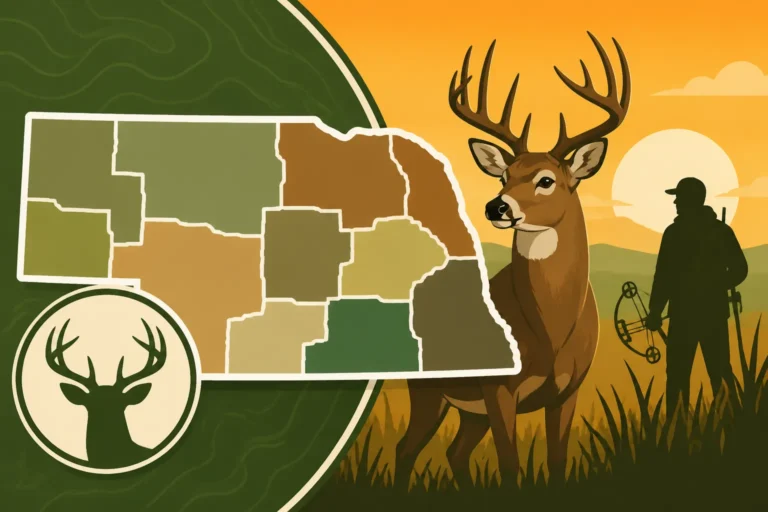
Most often, youth deer permits are "Antlerless-Only" or "Any-Deer" permits, allowing for the harvest of either an antlerless deer or any deer, respectively. These permits are often valid in a broad range of Deer Management Units, sometimes even statewide for whitetails, providing flexibility for where you choose to hunt. It's always a good idea to check the specific regulations for the current year, as units and availability can change. Remember, the goal is a successful and enjoyable learning experience, and harvesting an antlerless deer can be just as rewarding, if not more so, for a new hunter than waiting for a buck. For more detailed information on specific options, be sure to check out our guide on Youth Deer Permits and Mentored Hunts.
Understanding Season Dates and Weapon Restrictions
One of the biggest advantages of Nebraska's youth deer season is the special, often earlier, firearm season dates. While adults might be waiting until mid-November for the general firearm opener, youth hunters often get a dedicated weekend or period in late September or early October. This separation means less competition in the field and a chance to hunt when weather conditions might be more favorable and comfortable for younger participants. It's a thoughtful way to introduce them without the intense pressure of the main firearm season.
During this special youth season, young hunters are generally allowed to use firearms (rifles, shotguns, handguns chambered in legal cartridges), archery equipment (compound bows, recurves), and crossbows. It's crucial to confirm the specific legal firearms for Nebraska deer and ensure any crossbow use aligns with Crossbow Rules and Use in Nebraska. Even though there's an early youth firearm season, youth hunters can also participate during the regular Nebraska Archery Deer Season Dates and Nebraska Firearm Deer Season Dates if they hold the appropriate permits and follow all general regulations, including orange requirements during the firearm season. This flexibility allows families to tailor the hunting experience to their preferences and schedules, ensuring multiple opportunities to get out in the field.
Blaze Orange and Safety Gear
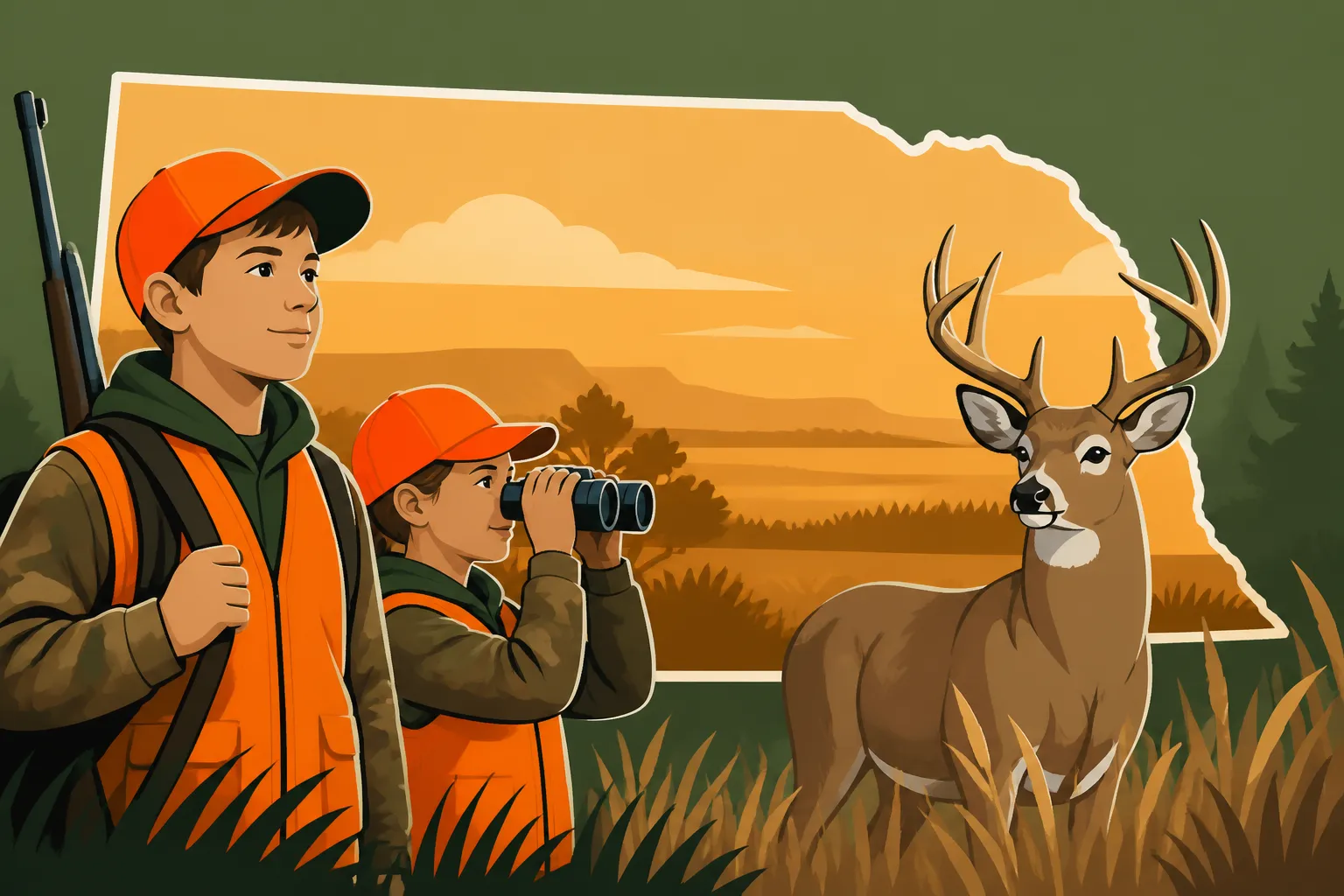
Safety is paramount in any hunting scenario, but it takes on an even greater importance when you're introducing a young person to the sport. During any firearm deer season in Nebraska, including the special youth firearm season, wearing blaze orange is not just a recommendation—it's a legal requirement. All hunters, including youth and their mentors, must display at least 400 square inches of blaze orange material on their head, chest, and back. For a detailed breakdown, you can refer to information about Nebraska Blaze Orange Square Inches. This highly visible color is a critical safety measure, making hunters easily identifiable to one another in the field.
Beyond blaze orange, proper safety gear includes eye and ear protection, especially when using firearms. Hearing protection can range from simple foam earplugs to electronic earmuffs that amplify ambient sounds while suppressing gunshots. Eye protection, whether clear or tinted, safeguards against potential ricochets or debris. It's also a good idea to wear sturdy, comfortable boots that provide ankle support, especially if you'll be walking through varied terrain. And don't forget a well-stocked first-aid kit. Instilling these safety habits from day one ensures that young hunters understand that vigilance and preparedness are just as important as the thrill of the chase.
The Mentorship Role and Field Safety
The backbone of a successful youth hunting experience isn't just the permit or the season dates; it's the mentor. The adult guiding the young hunter plays an absolutely critical role in shaping their experience, teaching them ethics, and ensuring safety above all else.
The Mentor's Crucial Responsibilities
In Nebraska, a youth hunter aged 10 to 15 participating in a firearm deer season must be accompanied by a licensed adult mentor. This isn't a suggestion; it's a rule. The mentor must be at least 19 years old and hold all necessary permits and stamps for the species being hunted, even if they aren't actively hunting themselves. They also need to be hunter education certified, unless they fall under a specific exemption, like the Nebraska Apprentice Hunter Exemption rules.
The mentor's role extends far beyond just supervision. They are the primary educator, responsible for instructing the youth on proper firearm handling, shot placement, game identification, and ethical hunting practices. This means direct, continuous supervision, often with the mentor being within arm's reach of the youth, especially when a firearm is being handled or a shot is taken. It can feel like a lot of pressure, making sure you're teaching correctly and keeping everyone safe, but it's an incredibly important task. You're not just guiding a hunt; you're molding a future hunter and conservationist. This role requires patience, clear communication, and a commitment to making the learning process enjoyable and impactful, rather than just focusing on punching a tag.
Emphasizing Firearm and Archery Safety
Regardless of the weapon chosen—firearm, bow, or crossbow—safety should be drilled into every young hunter from day one. The "four primary rules of firearm safety" are non-negotiable:
- Always treat every firearm as if it's loaded.
- Always point the muzzle in a safe direction.
- Always be sure of your target and what's beyond it.
- Always keep your finger off the trigger until you are ready to shoot.
For archery, similar principles apply: always know where your arrow is headed, identify your target clearly, and never dry-fire a bow. When using treestands, which can be an effective method (and you can learn more about Choosing a Treestand Site on Nebraska Farmland), emphasize using a full-body harness and safety line from the moment their feet leave the ground until they return. Communication in the field is also vital. A quiet, clear whisper can prevent accidents. Imagine a young hunter, heart pounding with excitement, quickly shouldering their rifle. A calm, firm reminder from the mentor to "pause, identify, breathe" can make all the difference, reinforcing responsible habits over impulse.
Ethical Hunting and Respect for the Game
Teaching ethics and respect for the game is arguably the most important lesson a mentor can impart. It goes beyond merely following regulations; it's about developing a profound appreciation for wildlife and the privilege of hunting. This means teaching young hunters about fair chase, ensuring a clean kill, and respecting the animal's life. Emphasize the importance of proper shot placement, not only for a quick, humane harvest but also for a more straightforward tracking and recovery process.
After a successful harvest, involve the youth in every step of the process. From trailing the deer, to field dressing, to packing it out. Learning to properly Field Dressing and Cooling Game in Warm Weather is a crucial skill, especially during warmer early youth seasons. This direct involvement helps them understand the full scope of the hunting experience and their responsibility to the animal. It fosters a connection to the food they're providing and the land. By doing so, we ensure that the next generation not only knows how to hunt but also understands why we hunt and carries on the legacy of conservation with integrity and respect.
Strategies for a Successful Youth Deer Hunt
Now that the rules and safety aspects are covered, let's talk about how to make the actual hunt an unforgettable and successful experience for your young hunter. Success isn't always about a harvest; it's often about the memories made and the lessons learned.
Scouting and Preparation for Young Hunters
The foundation of any successful hunt, especially a youth hunt, lies in thorough scouting and preparation. Before the season even opens, take your young hunter out to the potential hunting grounds. This pre-season activity is invaluable for teaching them about deer sign, trails, food sources, and bedding areas. It also helps them become familiar with the environment, reducing anxiety on opening day. Digital tools like GoHunt can be invaluable here. Its robust mapping features allow you to scout from home, identify potential hotspots, and then confirm them on the ground.
Focus on finding areas that offer a higher probability of deer encounters, even if they're not trophy areas. For example, looking for areas near Hunting Standing Corn Before Harvest or freshly harvested fields, especially as What Changes in Nebraska After the Corn Comes Off can dramatically alter deer movement. The goal isn't necessarily to target the biggest buck, but to get a close, ethical shot opportunity on an antlerless deer. Teach patience, observation, and how to identify different deer characteristics. Discussing what makes a good shot versus a bad one before a deer appears can prevent mistakes when the adrenaline kicks in. Resources like the Nebraska Public Access Atlas are excellent for identifying potential public hunting spots and understanding access points.
Effective Hunting Tactics for Youth
When hunting with youth, flexibility and comfort are key. Long, cold, motionless sits in a treestand might be too much for a beginner. Consider alternative tactics that keep them engaged and comfortable. Ground blinds, for example, offer warmth, shelter from the wind, and a great enclosed space for whispered instruction and movement without alarming deer. Check out our guide on Ground Blinds in Open Nebraska Country for tips on setting up effectively. They also provide a stable shooting rest, which is crucial for a young hunter.
Small deer drives with a few trusted hunting partners can also be effective, especially in smaller timber blocks. The movement and activity can keep kids engaged. If still-hunting (moving slowly and deliberately through cover) is an option, it teaches them to read the landscape and move quietly. Whatever method you choose, keep the sits relatively short. If a young hunter starts to get fidgety or cold, take a break. Walk around, have a snack, talk about wildlife, or even just let them stretch. Setting up on a Hanging a Stand on a Cornfield Edge or near a reliable water source can increase encounter rates. The GoHunt app might show you historic harvest data or heat maps that can guide your strategy, helping you choose locations that maximize the chances of seeing deer. Involve them in every decision, from choosing the stand location to spotting deer and even helping pack out the animal. This full immersion solidifies their connection to the experience.
Making Memories Beyond the Harvest
Let's be real: hunting is about so much more than pulling the trigger. For a youth hunter, the experience itself often far outweighs the outcome. Celebrate the effort, the patience, and the time spent together, regardless of whether a deer is harvested. The sights, sounds, and smells of the outdoors, the bonding time with a mentor, and the thrill of spotting wildlife are memories that will last a lifetime.
Encourage them to journal about their hunts, take photos of the scenery, or simply talk about their observations. These seemingly small details contribute to a rich tapestry of experience. Even if the deer are elusive, teach them about other wildlife encountered—squirrels, birds, coyotes—and discuss the ecosystem. This is where resources like GoHunt can really shine, not just for hunting but for understanding the broader natural world, identifying species, and learning about habitats. If deer aren't cooperating, and the youth's interest wanes, consider combining it with some small game hunting if seasons overlap and permits allow. The act of participation, the lessons learned, and the shared moments are the true trophies. GoHunt can help plan trips to new areas or explore different species, extending the adventure beyond just deer season. The goal is to ignite a lifelong passion, and that starts with making every outing a positive and memorable one.
Here's a quick overview of some key aspects of youth deer hunting in Nebraska:
| Aspect | Details |
|---|---|
| Eligible Ages | Generally 10-15 years old for special youth seasons. |
| Permit Types | Often "Antlerless-Only" or "Any-Deer" permits, typically lower cost. |
| Hunter Education | Required, or hunting under an Apprentice Hunter Exemption with a qualified mentor. |
| Youth Firearm Season | Special early dates, typically in late September/early October, offering less pressure. |
| Weapon Allowed | Firearms (rifles, shotguns, handguns), archery equipment, and crossbows. |
| Blaze Orange | Mandatory 400 square inches during firearm seasons for both youth and mentor. |
| Mentor Requirement | Youth must be accompanied by a licensed, hunter-education certified adult (19+). |
| Focus | Education, safety, ethical hunting, and creating positive outdoor experiences. |
Disclaimer
Please remember that hunting regulations can change. While every effort has been made to provide accurate and up-to-date information, it is your responsibility to consult the current Nebraska Game and Parks Commission hunting guide and regulations prior to any hunting activity. Always confirm season dates, bag limits, permit requirements, and specific rules for the unit you intend to hunt.