Nebraska Antlerless Permit Availability by Unit
Navigating the world of Nebraska deer permits can sometimes feel like trying to solve a puzzle, especially when you're specifically looking for antlerless opportunities to fill your freezer or help manage local herd numbers. It’s frustrating to spend time researching, only to find the unit you wanted is already sold out or has confusing restrictions. This guide aims to clear up that confusion, offering a comprehensive look at antlerless permit availability by unit across Nebraska, helping you understand where and when you're most likely to secure a tag.
Understanding Nebraska's Antlerless Deer Permit System
Nebraska's deer management is a dynamic system, designed to balance hunter opportunity with healthy deer populations and minimize conflicts, particularly in agricultural areas. Antlerless permits are a cornerstone of this strategy, often playing a much larger role in population control than the more coveted buck tags.
Why Antlerless Harvest Matters
Harvesting antlerless deer — does and fawns — is absolutely critical for maintaining a balanced and healthy deer herd. Think of it like managing a garden; if you only prune the biggest, flashiest flowers, the underlying plant structure can become overgrown and unhealthy. With deer, excessive buck harvest and insufficient doe harvest can lead to an unbalanced sex ratio, overpopulation in certain areas, and increased pressure on food sources.
For the Nebraska Game and Parks Commission (NGPC), managing antlerless harvest allows them to fine-tune deer numbers at a local level. If a particular Deer Management Unit (DMU) is experiencing high crop damage, vehicle collisions, or signs of disease due to overpopulation, the NGPC might increase the number of antlerless permits available there. Conversely, if a unit's population is declining, they might reduce antlerless tags to help the herd rebound. This proactive approach helps prevent larger problems down the road and ensures a sustainable hunting future. It's not just about taking a deer; it's about being part of the bigger conservation picture.
Different Types of Antlerless Permits
Nebraska offers several different types of antlerless permits, each with its own nuances regarding season, weapon, and unit availability. Understanding these can significantly expand your opportunities.
- Statewide Antlerless Permits (SWP): These are often the most flexible, allowing the harvest of an antlerless deer during the archery, firearm, or muzzleloader seasons, depending on the specific permit type. They are typically available in many units across the state, and while they can sell out, they often offer some of the broadest availability. You might even find yourself considering Nebraska's Extra Antlerless Opportunities if you've already filled your initial buck tag.
- Season Choice Antlerless Permits: These permits are generally valid within a specific unit during certain seasons (archery, firearm, or muzzleloader). They are often unit-specific and designed to allow for targeted harvest in particular areas. These permits are crucial for managing localized populations.
- December Antlerless Permits: As the name suggests, these permits are typically valid during the December muzzleloader season. They offer a fantastic opportunity for hunters who want to extend their season or weren't successful earlier. Many units have specific allocations for Nebraska Muzzleloader Deer Tactics in December, making these permits a great option when the weather turns cold.
- January Antlerless Permits: These are often the latest season antlerless permits and can provide valuable opportunities, especially in units where deer numbers remain high after previous seasons. These permits are usually very unit-specific and are a key tool for herd reduction. For more details, you might want to look into When Nebraska's Late Antlerless Hunts Run or specifically Which Units Have January Antlerless Hunts.
- River Antlerless Permits: Historically, some specific units along major river systems (like the Platte or Missouri) have had special antlerless permits to address high deer densities in those corridors. These permits target specific geographic areas with distinct management needs.
The sheer variety means that even if one type of permit is gone, another might still be available, requiring you to be flexible and informed about the options.
Navigating Unit-Specific Antlerless Permit Availability
The real trick to securing an antlerless permit in Nebraska lies in understanding how availability fluctuates by Deer Management Unit. What's readily available in one part of the state might be a rare commodity just a few miles away.
How Unit Boundaries Affect Availability
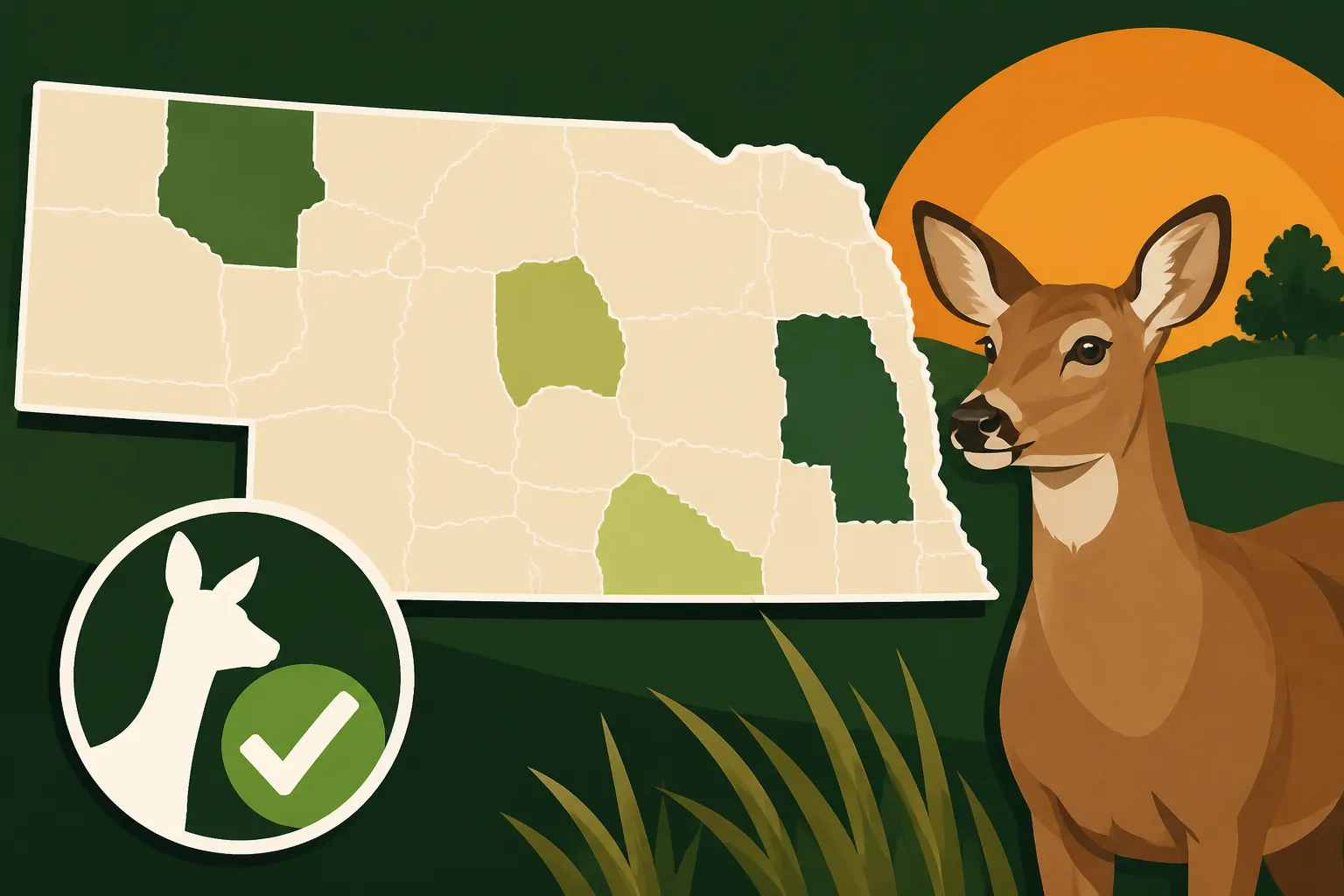
The Nebraska Game and Parks Commission divides the state into numerous Deer Management Units, or DMUs. These aren't just arbitrary lines on a map; they are carefully drawn boundaries based on deer habitat, population densities, land use patterns, and local management objectives. Each DMU has a specific quota of permits—both antlered and antlerless—that the NGPC allocates each year. This quota is designed to achieve specific population goals for that particular area.
For instance, a unit in the eastern agricultural regions, with abundant food sources and often higher deer densities, might have a much higher antlerless quota than a unit in the western Sandhills, where mule deer populations are managed more conservatively. It’s incredibly important to know Nebraska Deer Unit Boundary Changes each year, as they can sometimes shift, impacting where you can legally hunt with your permit. The NGPC website is the authoritative source for these maps, but tools like GoHunt can also offer visual aids to help you understand these boundaries. Understanding these units is the first step to knowing Nebraska Deer Permit Types by Unit and what's available.
Key Factors Influencing Permit Numbers
Several dynamic factors dictate the number of antlerless permits offered in any given DMU each year. It’s not a set-and-forget system, which is why availability can feel like a moving target.
- Deer Population Estimates: The most obvious factor is the estimated deer population within the unit. The NGPC conducts surveys, analyzes harvest data from previous years, and monitors trends in fawn recruitment to estimate current deer numbers. If a unit's population is above desired levels, more antlerless permits will likely be offered. On the other hand, if populations are struggling, perhaps due to a tough winter or disease, fewer permits will be available. You can often see Nebraska Whitetail Population Trends or Nebraska Mule Deer Harvest Recovery reflected directly in permit quotas.
- Habitat Conditions: The quality and quantity of habitat play a huge role. Units with expansive, high-quality habitat that can support a large deer population without overgrazing or causing excessive agricultural damage might have higher quotas. Areas with fragmented habitat or less abundant food sources might have lower quotas to prevent stress on the herd and the environment.
- Crop Damage Complaints: In a heavily agricultural state like Nebraska, deer-related crop damage is a significant concern for landowners. Units with a history of high crop damage complaints often see increased antlerless permit availability to help alleviate these issues. This is a direct example of how localized management objectives influence permit numbers.
- CWD Prevalence: Chronic Wasting Disease (CWD) is a persistent concern for wildlife managers. In units where CWD prevalence is higher, the NGPC might increase antlerless quotas as a management strategy, as higher harvest rates can help slow the spread of the disease by reducing population density.
- Previous Harvest Data: The success rates and total harvest from prior seasons are crucial. If hunters consistently under-harvest antlerless deer in a unit, the NGPC might increase permit allocations the following year to encourage more take. Conversely, an unexpectedly high harvest might lead to reduced permits.
These factors are continuously assessed, making it vital for hunters to check the most current information each season.
Accessing Up-to-Date Availability Information
Staying informed about permit availability can feel like a full-time job, but there are primary resources and helpful tools to make it easier. The official source, of course, is the Nebraska Game and Parks Commission website. They typically post permit quotas and information about when permits go on sale well in advance of the seasons. Once permits are available for purchase, their online permit sales system will show real-time availability. This is the place to check for specific unit breakdowns and ensure you're getting the most accurate information.
Many modern hunters, myself included, also rely on third-party platforms that aggregate hunting information. Tools like GoHunt can be incredibly useful for visualizing draw odds, application strategies, and sometimes even real-time permit availability for various states, including Nebraska. While the NGPC site is the definitive source for purchasing, GoHunt can offer a streamlined way to research and compare different units and permit types, helping you make an informed decision quickly when permits drop. It’s a good idea to cross-reference with the official NGPC site, but GoHunt often provides valuable insights into historical trends and anticipated demand. They might also highlight specific units that have historically had better Nebraska Antlerless Permit Availability by Unit, which can be a huge time-saver.
It's also worth noting that permit availability for over-the-counter (OTC) sales can change rapidly. When permits go on sale, especially for desirable units, they can sell out in a matter of hours, or even minutes. Being prepared with your unit choices and ready to purchase as soon as sales open is key.
Strategies for Securing Antlerless Permits
Given the shifting landscape of permit availability, having a game plan is essential. You can significantly improve your chances of securing an antlerless permit by understanding the sales timeline and where to focus your efforts.
Timing Your Purchase
Timing is everything, especially when it comes to permits that are not part of the initial draw and are sold over the counter. The Nebraska Game and Parks Commission typically announces the on-sale dates for various permits well in advance. For many nonresident hunters, or residents who miss the draw, the over-the-counter period is their main opportunity.
Historically, the initial sales for over-the-counter permits can happen sometime in July after the big game draw results are posted. It's crucial to mark these dates on your calendar. Popular units, especially those known for good deer numbers or convenient access, can see their antlerless permits vanish almost immediately. Think of it like buying concert tickets for a popular band – if you're not online and ready the second they drop, you might be out of luck.
I've heard countless stories (and experienced a few myself) of hunters meticulously planning their season, only to find their preferred unit's antlerless tags gone by lunchtime on the first day of sales. Set reminders, clear your schedule, and have your payment information ready. This is particularly true for units in high-demand areas like those in eastern Nebraska's river bottoms or certain Sandhills regions. If you're targeting a specific unit, knowing When Over-the-Counter Permits Go on Sale and being quick on the draw is paramount.
Focusing on High-Availability Units
While those prime units might sell out fast, not all units are created equal in terms of demand. A smart strategy is to research and identify units that historically have more leftover permits or higher initial quotas. These units often fly under the radar or simply have a larger carrying capacity for deer, allowing for more antlerless harvest.
Generally, you'll find more consistent antlerless availability in units within eastern Nebraska's heavily agricultural areas. These regions often have high whitetail populations, and antlerless harvest is encouraged to manage herd sizes and reduce crop depredation. Units like Wahoo, Blue Southeast, or even some of the central Platte units might offer better long-term chances for an antlerless tag compared to, say, a highly sought-after Sandhills unit where mule deer are the primary draw and antlerless permits are more limited.
Another consideration is looking at units with extensive public land access. While these can sometimes see more pressure, the larger quotas might mean permits remain available longer. Reviewing the NGPC's annual hunt guides and looking at past harvest data can give you clues about where antlerless populations are robust and where the NGPC is trying to encourage more harvest. This research can make all the difference in where you look to be Filling a Second Nebraska Deer Permit.
Considering Late-Season and Special Hunts
Don't despair if you miss out on permits during the primary sales window. Nebraska offers significant antlerless opportunities later in the season, particularly during the December muzzleloader season and the January antlerless deer season. These seasons are specifically designed to provide additional opportunities for herd reduction, especially in areas with high deer populations.
The December muzzleloader season, for example, often has its own allocation of antlerless permits, and because hunting conditions can be colder and more challenging, these permits might remain available longer than those for the earlier firearm season. It's a fantastic time to be in the woods, even if it's chilly, and the chance to fill an antlerless tag can be high. You might find yourself still-hunting Still-Hunting a Snow-Covered River Bottom in pursuit of that late-season doe.
Even later, the January antlerless hunts are typically highly localized and often have very generous quotas. These permits are specifically for antlerless deer and can be found in a range of units, particularly in eastern and central Nebraska where agricultural impacts are most pronounced. They can be a perfect opportunity to tag a deer when many other seasons are closed. It's always a good idea to check the NGPC regulations for the specific dates and units offering these unique, late-season opportunities.
By being flexible with your timing, broadening your unit preferences, and considering all available seasons, you significantly increase your chances of securing those valuable Nebraska antlerless permits.
Here's a general overview of antlerless permit availability trends by region in Nebraska:
| Nebraska Region | Typical Antlerless Availability | Key Factors / Notes |
|---|---|---|
| Eastern Farmlands | High (Often more available) | High whitetail populations due to abundant food/cover. Antlerless harvest encouraged to mitigate crop damage. Permits may sell out quickly in popular units but generally more abundant. Good for River-Bottom Whitetail Hunting in Eastern Nebraska. |
| Central Platte/Loup | Moderate to High | Good mix of farmland and riverine habitat. Whitetail-dominant. Antlerless permits generally available, especially for late seasons, but specific unit demand can vary. |
| Sandhills | Moderate to Low | Mixed whitetail and mule deer. Mule deer antlerless permits are often much more limited and competitive, especially in central Sandhills units. Whitetail antlerless permits are more common in river corridors. Check for specific units, as availability can vary greatly for Mule Deer in the Nebraska Sandhills and Panhandle. |
| Panhandle/Pine Ridge | Low to Moderate | Stronghold for mule deer, with whitetails in river bottoms. Mule deer antlerless permits are very limited and highly sought after. Whitetail antlerless permits are more common in creek bottoms and agricultural fringes. Often requires more specific unit research for Hunting Mule Deer in the Nebraska Pine Ridge. |
| South Central/Republican | Moderate | Good whitetail numbers, some mule deer. Mix of agricultural land and broken country. Antlerless availability is typically decent, especially as the season progresses. |
Disclaimer
The information provided in this guide is for general informational purposes only and is subject to change. Hunting regulations, permit availability, and season dates are set by the Nebraska Game and Parks Commission and can be altered annually. Always consult the official Nebraska Game and Parks Commission website and current hunting regulations before planning any hunting activity.