Nebraska Sandhills Any Deer Draw Odds
Trying to secure an "Any Deer" tag in Nebraska's vast and beautiful Sandhills region can feel like a game of chance, and honestly, sometimes it really is. The anticipation of the draw, the hopeful checking of results, and the sting of disappointment when your number doesn't come up are experiences many hunters know all too well. This guide is here to demystify the Nebraska Sandhills Any Deer draw odds, offering a realistic look at what it takes and how you can best position yourself for success in this challenging but rewarding draw.
The Allure of the Sandhills Any Deer Permit
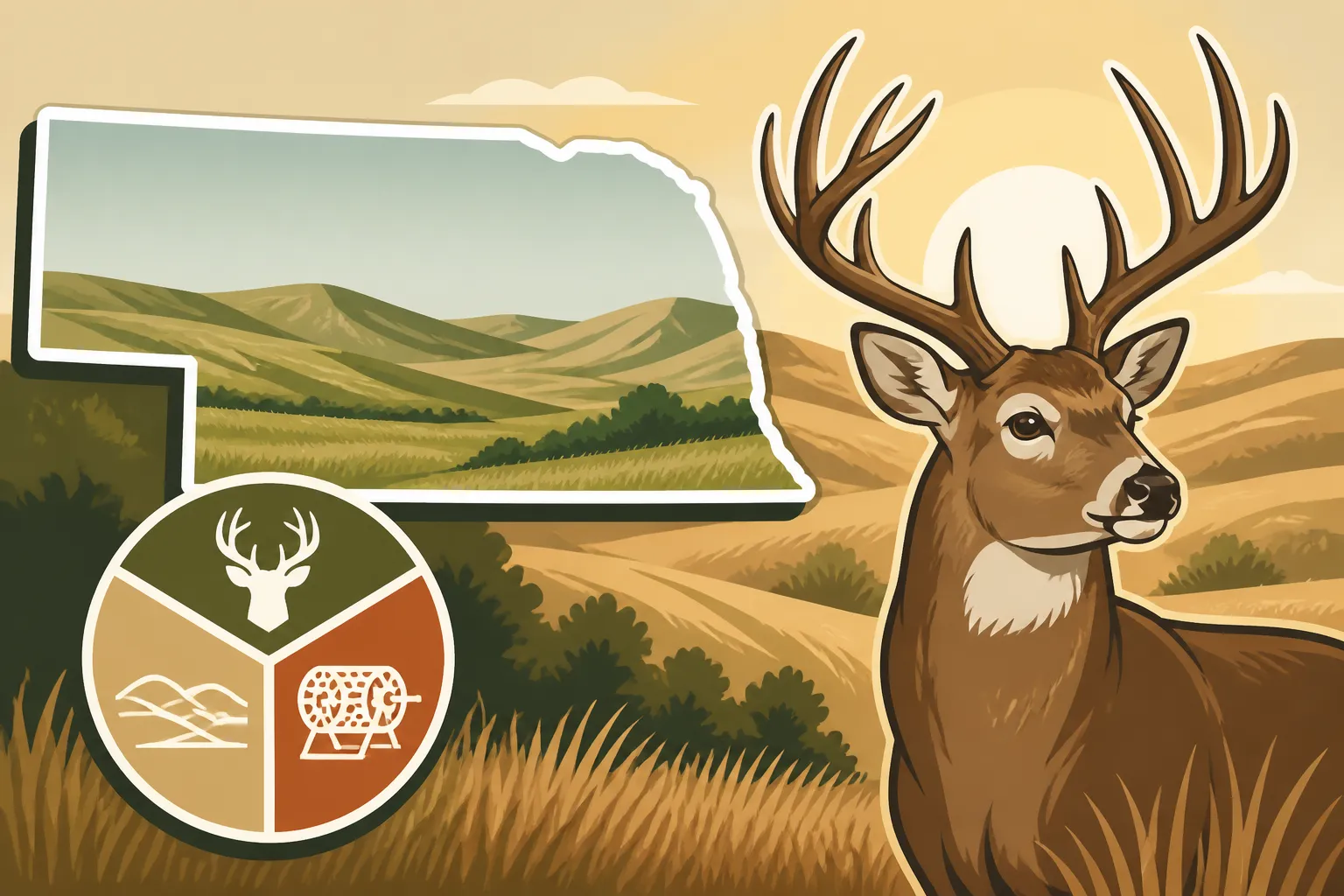
The Nebraska Sandhills are legendary for good reason. Stretching across a quarter of the state, these rolling grasslands, interspersed with occasional pockets of timber and countless wetlands, offer a truly unique hunting experience. When hunters talk about an "Any Deer" permit in the Sandhills, they're often dreaming of a majestic Sandhills mule deer buck, or perhaps a heavy-horned whitetail that has grown old and wise in the rugged topography. This isn't just about punching a tag; it's about pursuing big game in a wild, expansive landscape that tests your glassing skills, your patience, and your physical endurance.
The demand for these permits, especially from nonresidents, far outstrips supply, which naturally drives the draw odds down. Many hunters from across the country set their sights on this region, adding to the competition. The sheer size of the Sandhills, combined with its relatively low human population density, creates an ideal environment for deer to mature and express impressive antler growth, making those "Any Deer" tags some of the most sought-after in the state. It's a true Western-style hunt right in the heart of the Midwest, and that allure makes the draw a constant source of hopeful speculation and strategic planning for countless applicants.
Understanding the Sandhills Unit Boundaries
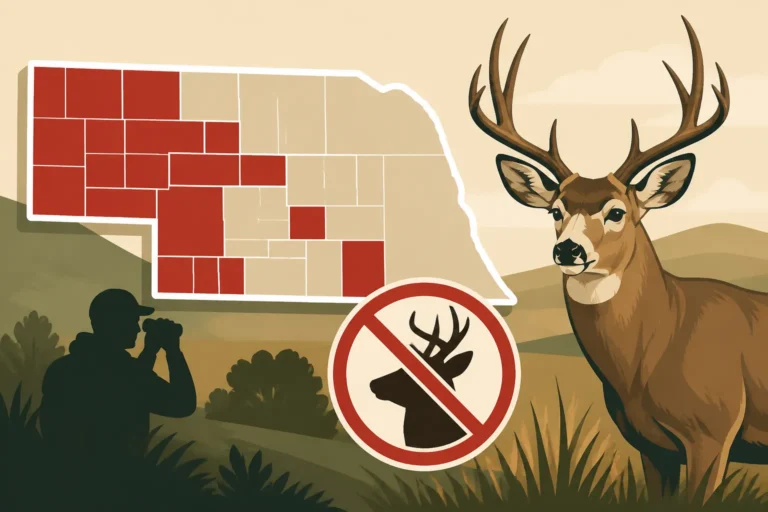
The Sandhills Management Unit is a huge swath of land, encompassing multiple counties and diverse terrain. It’s primarily defined by its distinctive sand dunes, which are stabilized by grass cover, creating a mosaic of grassland, wet meadows, and small pockets of trees, especially along creek drainages and ranch headquarters. These boundaries are crucial because they dictate where your permit is valid. If you successfully draw an "Any Deer" tag for the Sandhills Unit, you are restricted to hunting within those specific county lines. This means thoroughly studying the Public Access Atlas is a must, long before you even consider applying.
Hunters often focus on specific areas within the Sandhills, like the eastern sections with slightly more agricultural influence, or the vast, remote central and western Sandhills which are more akin to wilderness. Each area has its nuances, affecting deer density and mule deer-to-whitetail ratios. Familiarizing yourself with these sub-regions, even before you apply, can help you visualize your hunt and understand the type of deer you'll encounter. It also helps you understand why specific draw odds might fluctuate year to year; shifts in deer populations or hunter pressure can alter the desirability of different parts of this massive unit.
Mule Deer Versus Whitetail in the Sandhills
While an "Any Deer" permit allows you to harvest either species, many applicants are specifically hoping for a mule deer. The Sandhills are one of Nebraska's premier mule deer strongholds, particularly in the central and western reaches. These deer thrive in the open, rolling terrain, using the vastness and subtle elevation changes to their advantage, making for challenging but incredibly rewarding spot-and-stalk hunts. Whitetails, on the other hand, tend to stick closer to the more sheltered areas, like river bottoms, creek drainages, and the timbered shelterbelts often found near ranch operations or smaller towns.
Understanding the distribution of these two species is vital for your hunting strategy, and even for managing your draw expectations. If your heart is set on a mule deer, you'll be focusing your scouting efforts on the more open rangeland after a successful draw. If a whitetail is your target, you might hone in on areas with more cover. Knowing the difference between Telling a Mule Deer From a Whitetail at Distance is also a critical skill for any hunter heading into this diverse habitat. The blend of both species within the "Any Deer" permit adds to its appeal, offering flexibility and different hunting opportunities depending on what you encounter once you're out in the field.
Breaking Down the Draw Odds: What the Numbers Really Mean
The draw odds for the Nebraska Sandhills "Any Deer" permit are, frankly, tough. They fluctuate year to year based on applicant numbers, permit quotas, and residency status. It's not uncommon to see single-digit percentage odds for nonresidents, and even residents face significant competition for these coveted tags. When you look at draw odds, remember they represent the probability of drawing if you apply. They don't account for preference points or application strategy, which are critical factors. Many hunters use platforms like GoHunt to track historical draw odds and analyze trends, which can be immensely helpful in crafting a long-term application strategy.
The Nebraska Game and Parks Commission (NGPC) sets permit quotas based on deer population surveys, harvest data, and management objectives. These quotas are often conservative for mule deer units to protect the herd and ensure sustainable hunting opportunities. This conservation-minded approach, while excellent for the deer population, means fewer tags are available, intensifying the competition in the draw.
Here's a simplified look at how draw odds might appear:
| Permit Type | Resident Odds (Approx.) | Nonresident Odds (Approx.) | Points Needed (Resident) | Points Needed (Nonresident) |
|---|---|---|---|---|
| Sandhills Any Deer | 25-40% | 3-8% | 0-1 | 3-6+ |
| Sandhills Antlerless | 60-80% | 15-25% | 0 | 0-1 |
Note: These percentages are illustrative and fluctuate annually based on applicant numbers, quota changes, and preference points. Always consult the most current NGPC regulations and draw reports.
The Role of Preference Points in the Lottery
Nebraska operates on a preference point system for its big game draws, and these points are absolutely critical for units like the Sandhills Any Deer. Every year you apply and are unsuccessful, you gain a preference point. You can also opt to simply purchase a point if you don't plan to hunt that year or know your odds are too low to bother applying for a tag directly. These points accumulate, and in subsequent draws, applicants with more points are given priority. This means it's often a multi-year commitment to draw a high-demand tag. For many, Buying a Nebraska Preference Point annually becomes a strategic investment.
This system is designed to reward loyalty and persistence, but it also creates a backlog of applicants with high point totals, meaning new hunters might need to wait several years to catch up. For instance, a nonresident might need 3-6 or even more points to feel confident about drawing a Sandhills Any Deer tag, depending on the year and the number of applicants. It's a long game, and patience is key. The more points you have, the better your chances, but it's never a guarantee until you see those official draw results.
Resident vs. Nonresident Draw Disparity
The disparity in draw odds between residents and nonresidents in Nebraska is significant, and it's a frustration many out-of-state hunters feel deeply. Nebraska has an Nebraska's 85 Percent Resident Permit Split policy, meaning that at least 85% of all permits in any given unit are reserved for residents. This rule dramatically reduces the number of tags available to nonresidents, pushing their draw odds down considerably. While residents might have a decent chance with zero or one preference point, nonresidents are often looking at a much longer haul, needing several points to be competitive.
This policy reflects a common approach in many states, prioritizing local hunters who contribute to the state's economy year-round. For nonresidents, this means the Sandhills Any Deer tag is truly a trophy draw, requiring dedication, consistent point accumulation, and often a higher overall cost once travel and other expenses are factored in. Understanding this inherent disadvantage is crucial for nonresidents planning their application strategy and managing their expectations. It’s a tough reality, but one that’s firmly ingrained in the Nebraska hunting system.
Strategies for Improving Your Chances in the Nebraska Draw
Even with tough odds, there are concrete steps you can take to maximize your chances of drawing a Sandhills Any Deer tag. It's not just about blindly applying; it's about smart planning, understanding the system, and making informed decisions. Many seasoned hunters rely on detailed analysis, often found on platforms like GoHunt, to refine their approach year after year.
One of the most important things to do is to consistently build preference points. If you apply every year, even if you don't draw, you're building equity in the system. Missing a year means missing a point, which can set you back significantly. Think of it as investing in your future hunt. Additionally, staying informed about any rule changes or quota adjustments from the NGPC can give you an edge. Sometimes, minor changes can shift the odds, and being aware of these can influence whether you apply for a point or a permit in a given year.
Consistent Preference Point Accumulation
This is arguably the single most important strategy for drawing a Sandhills Any Deer tag, especially for nonresidents. Consistency is key. Every year you apply and are unsuccessful, or choose to purchase a preference point instead of applying for a tag, you add a point to your record. These points essentially move you higher up the priority list in subsequent draws. For a unit as popular as the Sandhills, it’s not unusual for successful applicants, especially nonresidents, to have accumulated several points.
The preference point system means you're playing a long game. Don't get discouraged if you don't draw in your first few years. View each unsuccessful draw as another step closer to your goal. Many hunters will systematically apply for a point each year, knowing that eventually their turn will come. For a detailed explanation of the application timeline, you can refer to Nebraska's June Big Game Draw Explained. It’s a disciplined approach, but one that has proven effective for countless hunters trying to secure those hard-to-get permits.
Considering Antlerless-Only Permits
While the "Any Deer" permit is the dream for many, don't overlook antlerless-only permits for the Sandhills. These tags are significantly easier to draw, often having very high success rates for both residents and nonresidents, especially with zero preference points. While you won't be chasing a trophy buck, an antlerless permit provides an excellent opportunity to experience Hunting the Nebraska Sandhills, learn the terrain, scout for future buck hunts, and, most importantly, fill your freezer with delicious venison.
Hunting antlerless deer also provides valuable insights into deer movement, preferred bedding areas, and food sources in the region. This knowledge can be invaluable for when you eventually draw that coveted "Any Deer" tag. Plus, these hunts often extend into the later seasons, providing chances to hunt in different weather conditions and observe deer behavior during the post-rut period. For example, some units have Nebraska's Extra Antlerless Opportunities that can extend into January, offering a unique cold-weather experience. It’s a fantastic way to gain experience in the Sandhills without the intense draw pressure of the "Any Deer" tag.
Researching Draw Odds and Unit Changes
Staying informed is critical. The Nebraska Game and Parks Commission releases draw odds and harvest data annually, providing valuable insights into the success rates for different units and permit types. Beyond the official data, many hunting forums and specialized platforms like GoHunt compile this information, often breaking it down further by resident/nonresident and point levels. Analyzing these trends can help you gauge how many points you might realistically need to draw a Sandhills Any Deer permit in a given year.
Pay close attention to any changes in unit boundaries, permit quotas, or application rules. These can significantly impact draw odds. For instance, if the NGPC increases the number of "Any Deer" permits in the Sandhills due to herd growth, the odds might temporarily improve. Conversely, a reduction in permits or an influx of new applicants could make the draw even tougher. Consulting the Nebraska Public Access Atlas and any official announcements is a yearly ritual for serious applicants. Being proactive with your research ensures you're making the most informed decision possible when it's time to apply.
What to Do If You Don't Draw a Sandhills Any Deer Tag
It’s a tough pill to swallow when you don’t draw the tag you’ve been dreaming about, especially after accumulating preference points for years. The disappointment is real, but it doesn’t mean your hunting season is over. Nebraska offers a wealth of other opportunities, and a non-draw situation can actually open your eyes to other exciting hunts that you might have otherwise overlooked.
The key is to have a backup plan. This could involve exploring other units for different species, looking into over-the-counter options, or even shifting your focus to different seasons. Many hunters find that diversifying their applications across different units or species not only increases their chances of drawing something but also broadens their hunting skills and experiences. Don’t let one draw result dictate your entire hunting year; there’s always another adventure waiting in Nebraska.
Exploring Leftover Permits and Other Units
If the Sandhills Any Deer tag eludes you in the initial draw, don't despair! Nebraska often has Leftover Nebraska Permits After the Draw that become available over-the-counter. These are usually antlerless-only tags, but sometimes, in less popular units or with unexpected quota changes, a limited number of "Any Deer" tags might pop up. You have to be quick, though, as these often sell out rapidly, especially for nonresident hunters. Keep an eye on the NGPC website and be ready to purchase immediately when they're released.
Beyond leftover permits, consider other units in Nebraska. While the Sandhills are iconic, other units offer excellent deer hunting for both whitetails and mule deer. Units like Pine Ridge, Calamus West, or even some of the eastern river-bottom units can provide fantastic opportunities, often with much better draw odds for "Any Deer" permits. Research these alternatives, check their draw history, and perhaps even dedicate some points to a different unit in a future year. It’s a great way to still get out hunting and experience different parts of the state.
Shifting Focus to Other Species or Seasons
Just because you didn't draw a Sandhills Any Deer tag doesn't mean you can't hunt in Nebraska! The state offers a wide array of hunting opportunities for various species. You could pivot your focus to upland birds like Nebraska's Ring-Necked Pheasant Story or Greater Prairie-Chickens and Sharptails in Nebraska, which offer fast-paced, exciting hunts that require different skills and strategies. Nebraska is renowned for its bird hunting, and it’s a fantastic way to enjoy the state’s wild landscapes.
Alternatively, consider turkey hunting. Nebraska has a robust spring and fall turkey season, and permits are generally much easier to obtain, with Nebraska Turkey Permits and the Nonresident Cap being the main limiting factor for out-of-state hunters. Spring gobblers in the river corridors can be an exhilarating experience. For those passionate about big game, look into Nebraska Antelope Permits and Seasons for bowhunting, or even explore the possibilities of predator calling on the Nebraska Plains. Expanding your horizons beyond a single deer tag can lead to incredible new hunting adventures.
Disclaimer
The information provided in this guide is for general informational purposes only and is subject to change. Hunting regulations, permit availability, draw odds, and season dates are determined by the Nebraska Game and Parks Commission and can be updated annually. Always consult the official Nebraska Game and Parks Commission website and current regulations before planning any hunting trip or applying for permits. We strongly advise all hunters to independently verify all information.