Nebraska’s Four-Month Archery Deer Season
The thought of chasing whitetails and mule deer across Nebraska's diverse landscapes for four whole months is enough to make any bowhunter's heart pound, but the reality can be a complex dance of changing conditions, overlapping seasons, and the constant challenge of outsmarting intelligent game. This guide will walk you through the nuances of Nebraska's extended archery deer season, from understanding the ever-shifting dates and securing your permits to mastering season-specific tactics and preparing for every weather whim the Cornhusker State can throw your way.
Understanding Nebraska's Archery Deer Season Dates
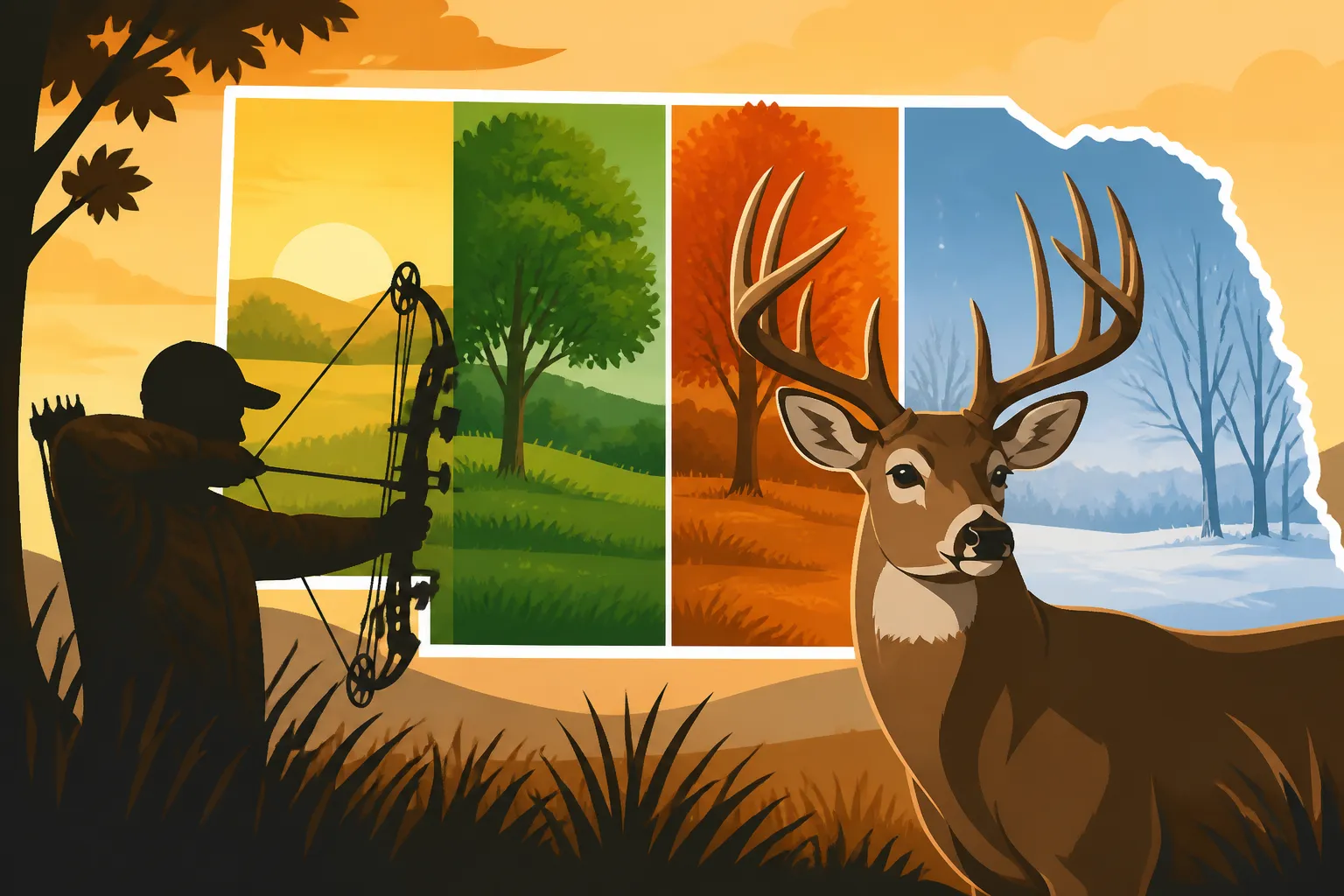
Nebraska boasts one of the longest archery deer seasons in the country, a glorious stretch that typically kicks off in early September and doesn't wrap up until the last day of December. This incredible four-month window offers bowhunters a unique opportunity to experience the full spectrum of deer behavior, from the lazy days of early fall to the frigid depths of winter. But this isn't just one long, homogenous season; it's a dynamic period with distinct phases, each demanding a different approach and mindset.
The Grand Opening: Early Season Opportunities
When September rolls around, there's a palpable excitement in the air. The leaves are still green, temperatures can be surprisingly warm, and deer are largely operating on predictable summer patterns. This early segment of Nebraska's archery deer season often sees bucks still in their bachelor groups, focused intensely on food sources like alfalfa, soybeans, or freshly fallen acorns in timbered river bottoms. Water, especially in drier western Nebraska, can also be a significant draw.
One of the biggest frustrations for bowhunters during this time is managing the heat. Hauling a deer out of a dense cedar draw or across a cornfield when the mercury is still hitting the 80s can be brutal, and proper meat care is paramount to prevent spoilage. Think about those crisp mornings that quickly give way to sweltering afternoons; it’s a constant battle against the elements and the clock. However, the advantage here is predictability. Deer haven't felt much hunting pressure yet, and if you've done your summer scouting, you might have a good handle on their routes from bedding to feeding. This is often the time when you'll find deer on a regular schedule, making stand placement around consistent food plots or travel corridors highly effective. For a deeper dive into these initial weeks, consider reading about When Nebraska's Archery Deer Season Opens.
Mid-Season Rhythms: Pre-Rut to Peak Rut
As October progresses into November, the entire deer woods begin to change. The days shorten, temperatures drop, and the hormonal surge of the rut starts to kick in, transforming deer behavior dramatically. The pre-rut in late October is an electrifying time when bucks become more active, sparring, rubbing, and scraping to establish dominance. They're still hitting food sources, but their focus begins to shift towards does. This is a fantastic window to capitalize on increased buck movement during daylight hours.
Then, of course, comes the peak rut, typically in the second and third weeks of November. This is often considered the holy grail for bowhunters, as bucks throw caution to the wind in pursuit of receptive does. Forget those predictable patterns; during the rut, a mature buck can show up anywhere at any time, covering vast distances. It's a chaotic, thrilling period, and being in the woods as much as possible is key. However, this period also sees the opening of Nebraska's nine-day firearm deer season, which presents unique challenges and requires specific safety precautions, including bright orange clothing. Understanding How Nebraska's Archery Deer Season Overlaps the Rut is crucial for maximizing your success and staying safe during this busy time.
Late Season Challenges: Post-Rut and Winter
The end of November and the entirety of December usher in the late season, a period often marked by colder temperatures, snow, and deer that are recovering from the intensity of the rut. Bucks are exhausted, many have lost significant body weight, and their primary focus shifts back to survival: finding abundant food sources and secure bedding cover to weather the coming winter.
Hunting in the late season means recalibrating your strategy entirely. The deer are much warier after months of hunting pressure, and the landscape can look dramatically different once the leaves have fallen and snow blankets the ground. Food sources like standing corn, winter wheat, or brassicas become magnets for hungry deer. South-facing slopes or thick cedar thickets that offer protection from bitter winds are prime bedding areas. Patience and extreme stealth are your best friends now. It’s also a great time to focus on filling antlerless tags, contributing to herd management while still enjoying the solitude of the winter woods. Many hunters find late-season hunting incredibly rewarding, often because the effort required leads to a greater sense of accomplishment when successful.
Permit Options and Acquisition for Archers
Navigating the permit system can sometimes feel more challenging than finding a mature buck, especially for those new to Nebraska hunting or for nonresidents. Thankfully, for archery deer, the process is generally straightforward compared to other big game permits. However, understanding your options and the acquisition timeline is key to ensuring you're legally ready to hit the woods.
Statewide Archery vs. Management Unit Permits
Nebraska offers two primary types of archery deer permits: the Statewide Archery Permit and specific Deer Management Unit (DMU) Archery Permits. The Statewide Archery Permit is exactly what it sounds like: it allows you to hunt deer with a bow and arrow anywhere in the state that is open to archery deer hunting, across all management units. This is often the most popular choice for hunters who enjoy scouting diverse areas or don't want to be restricted to a single region.
In contrast, some units may also offer specific DMU archery permits. These are less common for general archery but might be tied to specific regulations or special seasons in certain areas. It's always a good idea to consult the current Nebraska Game and Parks Commission (NGPC) regulations to confirm the specific permits available for the year and any unique unit restrictions. Generally, the statewide archery permit provides the most flexibility, allowing you to chase both whitetails and mule deer depending on the unit you're hunting in. For a comprehensive look at all deer permit types, you can reference Nebraska Deer Permit Types by Unit.
Nonresident Considerations and Draw Success
For nonresident bowhunters, Nebraska offers a fantastic opportunity, but it does come with a few extra steps and considerations. Unlike some western states where nonresident archery tags are extremely limited or require years of preference points, Nebraska’s nonresident archery deer permits are generally available over-the-counter or in a similar manner to resident permits. This is a huge draw for those looking for a quality deer hunting experience without the hassle of a complex draw system.
However, there's always a cap on the total number of nonresident permits issued across all deer seasons. While it's rare for archery permits to sell out immediately upon release, especially if purchased early, it's a good practice to acquire your permit well in advance of the season opener. Checking the NGPC website or using a platform like GoHunt to track permit availability is a smart move. GoHunt often provides valuable insights into permit sales trends, helping nonresidents plan their hunts with confidence. The cost for nonresident permits is higher than resident permits, but the opportunity to hunt for four months across such diverse landscapes is often considered a great value.
Youth and Special Archery Opportunities
Nebraska is very supportive of youth hunters, and the archery deer season is no exception. Youth permits are available at a reduced cost, encouraging the next generation of hunters to get out and experience the outdoors. These permits often come with similar statewide privileges as adult permits, but always double-check the specific regulations for any age-related restrictions or requirements. Mentored hunt programs are also available, allowing experienced hunters to take out and guide new or youth hunters, fostering a safe and educational experience.
Additionally, Nebraska offers options for hunters with disabilities, including provisions for adapted equipment or assistance. These special opportunities ensure that everyone has a chance to participate in the state's rich hunting tradition. For all hunters, regardless of age or ability, remembering to purchase a Nebraska Habitat Stamp is mandatory, as it funds crucial conservation efforts across the state. Understanding Nebraska Archery and Muzzleloader Deer Permits will give you even more detail on how to secure your tags.
Tactics and Considerations for the Long Season
Hunting for four months means adapting your tactics constantly. What works in September will likely fail spectacularly in December. This dynamic nature is both the challenge and the allure of Nebraska's extended archery season. From early-season predictability to late-season survival mode, you need to be a versatile bowhunter.
Early Season Strategy: Food and Water Focus
In the early season, deer, especially bucks, are generally more relaxed and on a consistent schedule. Your primary focus should be on identifying their core needs: food, water, and bedding. Scouting for active food sources like alfalfa fields, soybean plots, or oak stands dropping acorns is paramount. Deer will often travel along predictable routes from their bedding areas in timber or thick cover to these feeding grounds, especially during the last hour or two of daylight.
Setting up a treestand or ground blind along these travel corridors or overlooking a prime feeding area can be incredibly effective. Consider the prevailing winds carefully to avoid being scented. For example, if deer are entering a cornfield from a specific timber edge, position your stand downwind of their anticipated entry point. During this warmer period, water sources, particularly in the drier western parts of Nebraska, can be natural choke points. A well-placed blind over a small stock pond or a creek crossing can yield results. Remember, while deer are predictable, they're not dumb. Minimize your entry and exit disturbances to keep them from altering their patterns. When thinking about where to set up, considering Choosing a Treestand Site on Nebraska Farmland or even Ground Blinds in Open Nebraska Country can provide valuable insights for early season success.
Rut-Time Aggression: Calls and Decoys
As the calendar flips to November and the rut kicks into high gear, deer behavior becomes far less predictable, but also far more exploitable. Bucks are no longer tied to strict feeding patterns; their minds are on does. This is the time to employ aggressive tactics like rattling, grunting, and using decoys to capitalize on a buck's primal instincts.
Rattling antlers together can mimic the sound of two bucks fighting, often drawing in curious or territorial bucks looking for a confrontation or a receptive doe. Pairing rattling sequences with grunts and doe bleats can further enhance realism. Decoys, especially a standing buck or a feeding doe, can be incredibly effective in open country or food plots, challenging a dominant buck to investigate. However, always be mindful of other hunters, particularly if you're hunting during the firearm season overlap, and use decoys responsibly. Your approach should be more mobile now, covering more ground, still-hunting through timber, or setting up ambush points near known doe bedding areas. A buck might be cruising a fenceline or a ridge for miles, scent-checking for does, so don't be afraid to try different spots. You can learn more about effective calling techniques in Rattling and Grunting in Nebraska's Rut.
Late Season Scarcity: Cover and Remaining Food
By December, deer have been pressured for months, and winter has usually set in. Food sources are scarcer, and cover becomes even more critical for survival. Deer will concentrate in areas that offer both. Focus your scouting on identifying remaining food, such as standing corn that hasn't been harvested, winter wheat fields, or specific mast crops that have lasted. Combine this with finding dense thermal cover like cedar thickets, brushy draws, or south-facing slopes that catch the sun and provide a break from harsh north winds.
Deer will often move very little during daylight hours in bitter cold, only venturing out to feed during brief periods, often around midday or late afternoon. Your stand or blind placements should be tight to bedding areas, along trails leading directly to winter food sources. Long sits become more crucial, as deer movement can be sporadic. Extreme stealth is key; cold weather often means crunchy leaves or snow underfoot, so pick your entry and exit routes meticulously to minimize disturbance. This is also a fantastic time to target antlerless deer, as they are often more willing to visit food sources in groups.
Navigating Overlaps with Other Seasons
One of the unique aspects of Nebraska's four-month archery deer season is its significant overlap with other hunting seasons, most notably the nine-day firearm deer season in November and the muzzleloader season in December. This overlap requires careful planning, adherence to specific regulations, and heightened awareness to ensure a safe and successful hunt.
Orange Requirements During Firearm Seasons
When Nebraska's November firearm deer season opens, bowhunters in the field face a mandatory blaze orange requirement. This is non-negotiable and incredibly important for safety. During this nine-day period, all deer hunters, including archers, must wear at least 400 square inches of blaze orange on their head, chest, and back. This ensures maximum visibility to firearm hunters, drastically reducing the risk of accidents.
It can be a bit of a mental shift for archers who are used to wearing full camouflage, but safety always comes first. This rule extends to public and private land, so there are no exceptions. Even if you're deep in a thick river bottom and haven't seen another soul all day, you must comply. Ignoring this rule isn't just a violation; it puts you and others at unnecessary risk. Always ensure your orange is clearly visible from all directions. Understanding Orange Rules That Apply During Archery Season is not just a suggestion, it's a safety imperative.
Muzzleloader Season Coexistence
As November fades and December begins, the muzzleloader deer season opens, running concurrently with the latter part of the archery season. While muzzleloader hunters don't have the same blaze orange requirements as firearm hunters, the woods are still active with different types of deer hunters. The muzzleloader season generally sees less pressure than the November firearm season, but awareness remains key.
For bowhunters, this means continuing to be visible where required (if still in the firearm overlap, though generally not for the pure muzzleloader season) and understanding that deer may be reacting to increased human presence. Muzzleloaders have a different range and impact than modern firearms, but the principle of shared woods applies. Respecting other hunters and being aware of their presence contributes to a positive experience for everyone. It also means deer might be pushed into new areas or become more nocturnal, so adjusting your tactics to focus on dense cover or less accessible areas can be beneficial. For more details on these permit types, check out Nebraska Archery and Muzzleloader Deer Permits.
Understanding Crossbow Rules and Use
The use of crossbows in Nebraska has specific regulations, and it's essential for bowhunters to be clear on them. Historically, crossbows often had restrictions, but rules have evolved. As of recent regulations, crossbows are generally legal during Nebraska's archery deer season for all hunters. This is a significant change from years past when their use was more limited, often requiring a specific permit or being restricted to certain user groups, such as those with disabilities or during youth seasons.
This makes crossbows a viable option for many hunters, offering a different style of archery hunting that can be appealing for various reasons, including ease of use, physical limitations, or extended range. However, it's always critical to consult the most current NGPC regulations to confirm any specific stipulations regarding crossbow use, such as minimum draw weights or broadhead requirements. Don't assume; verify. Whether you choose a compound, recurve, or crossbow, the goal is a clean, ethical harvest. For all the specifics, refer to Crossbow Rules and Use in Nebraska.
Essential Gear and Preparation for Bowhunters
Nebraska's four-month archery deer season is a marathon, not a sprint. The sheer variety of weather conditions and hunting scenarios you'll encounter means your gear and preparation need to be top-notch. From your bow setup to your clothing, every detail matters for comfort, safety, and success.
Bow and Arrow Setup for Varied Conditions
Your bow setup is, naturally, the heart of your archery hunt. Given the potential for shots in diverse terrain and weather, reliability and accuracy are paramount. For Nebraska's whitetails and mule deer, a bow with sufficient draw weight to generate kinetic energy for a clean pass-through is critical. While specific minimums exist (often 40 lbs for deer), most modern compounds well exceed this.
Broadhead choice is another vital consideration. Fixed-blade broadheads are known for their rugged durability and reliability, especially through bone, while mechanical broadheads can offer larger cutting diameters and improved flight characteristics, particularly at longer distances. Practice with your chosen broadhead extensively to ensure ethical shot placement. Your arrows should be matched to your bow's draw weight and length, and fletched for stability, especially if you anticipate windy conditions on the open plains or in the Sandhills. A good arrow rest, a reliable sight, and a quiet release aid complete the package. Consider reading Bow Setups for Nebraska Whitetails to fine-tune your rig for the season. The long season means you might be shooting in 80-degree heat or 10-degree cold, so ensure your bow is tuned for all conditions.
Clothing and Weather Readiness
Nebraska weather is famously unpredictable. You can start the season in t-shirt temperatures and end it bundled in multiple layers against biting winds and snow. Effective clothing is all about layering. A good base layer wicks moisture away from your skin, a mid-layer provides insulation, and an outer shell offers protection from wind and precipitation. Look for quiet fabrics that won't spook deer, even with subtle movements.
For early season, lightweight, breathable camo is essential. As the season progresses, you'll need heavier insulation, including a quality insulated jacket, bibs or pants, and warm headwear and gloves. Crucially, during the November firearm season overlap, your outer layer must include blaze orange. Consider investing in high-quality boots that are waterproof and insulated for late-season hunts, capable of handling mud, snow, and long walks. Don't forget rain gear; a sudden prairie thunderstorm can soak you to the bone quickly. For more guidance on staying warm and dry, check out Clothing for Nebraska Wind and Cold.
Scouting and E-Scouting Tools
The vastness of Nebraska, coupled with its ever-changing landscape throughout the four-month season, makes effective scouting indispensable. You can't just rely on what you saw last week, let alone last month. Early season might mean focusing on crop fields, while late season demands finding standing cover and winter food.
Traditional boots-on-the-ground scouting is invaluable for finding rubs, scrapes, bedding areas, and travel corridors. However, modern technology offers incredible advantages. Satellite imagery via apps like GoHunt or onX Hunt allows you to "e-scout" from your computer or phone, identifying potential hotspots, property lines, and access points before you even step foot in the woods. This is especially useful for quickly assessing new public land areas or getting an initial lay of the land on private permission. GoHunt, for example, often integrates public land boundaries, parcel data, and topographic maps that can save hours of walking. Using trail cameras strategically throughout the season can help you monitor deer movement, identify specific bucks, and understand their patterns as conditions change. Remember to check local regulations regarding trail camera use on public land. These tools, combined with a good understanding of deer biology and behavior, dramatically increase your odds of success.
Table: Nebraska Archery Deer Season Overview
| Season Phase | Typical Dates | Key Deer Behavior | Primary Tactics | Weather Considerations | Permit Focus |
|---|---|---|---|---|---|
| Early Season | Sept 1 – Mid-Oct | Predictable patterns, focused on food & water | Stand over food/water, stealthy entry | Warm, potentially hot days; cool nights | Statewide Archery |
| Pre-Rut | Mid-Oct – Early Nov | Increased buck activity, rubs, scrapes, sparring | Scouting for sign, limited calling | Cooler temps, changing foliage | Statewide Archery |
| Peak Rut | Early Nov – Mid-Nov | Bucks actively chasing does, less predictable | Aggressive calling/decoying, mobile | Cold snaps, potential for snow, Blaze Orange Req. | Statewide Archery |
| Post-Rut | Late Nov – Mid-Dec | Bucks recovering, focusing on secure bedding/food | Focus on dense cover, remaining food | Cold, windy, potential snow, ice | Statewide Archery |
| Late Season | Mid-Dec – Dec 31 | Survival mode, concentrated on winter food/cover | Long sits over isolated food, extreme stealth | Bitter cold, deep snow, strong winds | Statewide Archery, Antlerless |
Disclaimer
This article is intended for informational purposes only and does not constitute legal advice. Hunting regulations, season dates, and permit requirements can change. Always consult the official Nebraska Game and Parks Commission regulations for the most current and accurate information before planning any hunting activity.