Nebraska Big Game Permits and How to Get One
Navigating the world of big game hunting permits can feel like trying to solve a puzzle, especially when you're dealing with different species, draw systems, and resident versus nonresident rules. It’s easy to feel overwhelmed and worry you’ll miss a crucial deadline or overlook a vital step, potentially costing you a season in the field. This guide is here to untangle the complexities of Nebraska’s big game permit system, helping you understand how to get the tags you need, whether you're a seasoned local or planning an out-of-state adventure.
Understanding Nebraska's Big Game Permit Landscape
For many, the dream of chasing big game in Nebraska is a powerful draw, whether it's the elusive Sandhills mule deer or a heavy-antlered whitetail along a river bottom. But before you even think about setting up a treestand or glassing a distant ridge, you need to understand the permit system. It's a foundational step that, if overlooked, can sideline your hunting plans before they even begin.
Why Nebraska's System Can Feel Complex
Nebraska's big game permit system, while designed to manage wildlife populations effectively and provide fair opportunities, can certainly present a learning curve. Unlike some states with a more uniform tag structure, Nebraska offers a variety of permit types, each with its own set of rules, application periods, and harvest restrictions. You'll encounter permits issued through a lottery draw, others available over-the-counter (OTC) on a first-come, first-served basis, and even special provisions for landowners. Add to this the distinct quotas for residents and nonresidents, and it's easy to see why hunters sometimes throw their hands up in frustration. It's not just about knowing what you want to hunt, but how you can legally get the chance to pursue it.
This complexity can lead to real headaches. Imagine a hunter from out of state, eager to experience a Nebraska deer hunt. They might hear about the fantastic opportunities but fail to realize that the prime "Any Deer" tags in sought-after units are primarily allocated through a draw, and that draw has a specific application window that closes well before hunting season. They might assume all tags are OTC, wait until late summer, and then find that the permits they wanted are long gone, leaving them scrambling for less desirable options or forced to change their plans entirely. Understanding these nuances from the outset is crucial for successful planning and avoiding disappointment. It's not uncommon for hunters to miss application deadlines because they simply didn't grasp the staggered nature of the permit sales and draw periods.
Key Big Game Species Requiring Permits
Nebraska is home to several incredible big game species, each offering a unique hunting challenge and requiring specific permits. When most hunters talk about "big game" in Nebraska, they're typically referring to deer, antelope, elk, and bighorn sheep. Each of these species has its own permit structure, season dates, and often, specific units where they can be hunted. This means that if you're hoping to fill your freezer with venison and also try your luck at antelope, you'll likely be dealing with two separate permit application processes.
Deer are by far the most popular big game animal in Nebraska, and the state offers both White-Tailed Deer Across Nebraska and Mule Deer in the Nebraska Sandhills and Panhandle. Permits for deer are the most numerous and varied, ranging from archery and muzzleloader tags to firearm permits that can be unit-specific or statewide. Pronghorn antelope offer an exciting plains hunting experience, but their permits are highly sought after and often require successful navigation of the draw system. Elk and bighorn sheep represent the pinnacle of Nebraska hunting, but these majestic animals are managed with extremely limited permits, available exclusively to residents through a highly competitive lottery system or special auction. It's also important to remember that this guide focuses specifically on big game; smaller game species like pheasants, quail, and rabbits, along with wild turkeys, fall under different permit and stamp requirements, which you'll need to explore separately. Each pursuit demands a tailored approach to permit acquisition.
Navigating the Nebraska Big Game Draw
The lottery draw is a core component of Nebraska’s big game permit system, particularly for nonresidents and anyone hoping to hunt high-demand units or species like elk and bighorn sheep. This isn't a simple over-the-counter purchase; it requires careful attention to dates, a grasp of preference points, and a strategic approach to unit selection.
The Annual Draw Process and Key Dates
For many of Nebraska's most coveted big game permits, especially those for limited units or certain species, the only way to get a tag is through the annual lottery draw. This process typically kicks off in early to mid-June each year, with applications accepted for several weeks. It's a critical window that, once missed, cannot be reopened for that season. Hunters will need to submit their applications online through the Nebraska Game and Parks Commission (NGPC) website, carefully selecting their desired species, weapon choice (firearm, archery, or muzzleloader), and hunting unit(s). The results of the draw are usually posted in late June or early July, giving hunters enough time to adjust their plans if they weren't successful.
Imagine a group of friends planning an annual mule deer hunt. One year, they get busy with summer activities and forget to check the NGPC website for the exact Nebraska Draw Application Dates in June. They assume the dates are roughly the same as last year, but a slight shift in the calendar causes them to miss the application deadline by a day. Suddenly, their entire hunting trip is in jeopardy. They're left scrambling to find leftover permits, which are often for less desirable units or antlerless-only opportunities, effectively derailing their carefully planned buck hunt. This scenario, while frustrating, is entirely preventable with a proactive approach to checking official dates and setting reminders. For nonresidents, especially, who might be traveling a great distance, missing this window can be incredibly costly in terms of time, money, and missed opportunity.
Preference Points: Strategy for Future Success
Nebraska's preference point system is designed to reward loyalty and patience for hunters seeking highly desirable permits that are tough to draw in a given year. Instead of applying directly for a permit, you have the option to purchase a preference point during the draw application period. These points accumulate, and in subsequent draws, your accumulated points increase your odds of being successful. It's essentially a long-term investment strategy for a better chance at a premium tag down the road. This system is particularly relevant for permits that see very low draw odds, such as Sandhills Any Deer or the few nonresident antelope tags available.
The cost of a preference point is generally lower than a full permit application fee, making it an accessible way to start building equity in the system even if you're not planning to hunt that specific year, or if you know your odds are slim. For instance, a nonresident might decide to buy a Buying a Nebraska Preference Point for a few years, steadily increasing their chances for a prime mule deer unit. This allows them to plan for a higher-quality hunt several years out, rather than consistently striking out in the general draw. It's a strategic move that many seasoned hunters employ, particularly nonresidents who face steeper competition. It’s important to note that these preference points typically roll over each year, meaning they don't expire as long as you continue to either apply for a permit or purchase a point annually. Missing a year can sometimes cause your points to lapse, so consistency is key to maintaining your position in the draw hierarchy.
Understanding Draw Odds and Unit Choices
When applying for any draw permit in Nebraska, especially for deer and antelope, understanding the draw odds is paramount to making an informed decision. The Nebraska Game and Parks Commission publishes draw statistics annually, detailing the number of applicants, permits available, and success rates for each unit and permit type. This data is invaluable for assessing your chances. Resources like the NGPC website or third-party platforms such as GoHunt provide detailed analyses of draw odds, helping hunters strategize their applications. These tools can break down the historical success rates for resident and nonresident hunters, giving you a clearer picture of where your application stands.
The difference in draw odds is stark, particularly due to Nebraska's 85 Percent Resident Permit Split. For example, a resident might have a 50% chance of drawing an "Any Deer" permit in a particular unit, while a nonresident applying for the same unit might see their odds drop to less than 10%. This means nonresidents often need to build several preference points or focus on units with slightly higher quotas if they hope to draw a tag without waiting many years. Some units, like those in the Pine Ridge or specific Sandhills areas renowned for large mule deer, will always have tighter odds regardless of residency, requiring a long-term strategy of accumulating preference points. By thoroughly researching these odds and understanding the unique characteristics of each unit, hunters can make calculated choices, applying for units where their chances align with their hunting goals and tolerance for waiting. It’s not just about picking a unit you want to hunt; it's about picking one you realistically can hunt based on the draw statistics.
Over-the-Counter and Leftover Permits
Even if you don't participate in the draw or aren't successful, Nebraska still offers plenty of opportunities to get a big game tag. The over-the-counter (OTC) market and the sale of leftover permits after the draw can be a goldmine for flexible hunters, offering a different path to getting afield.
When and Where to Find OTC Permits
For hunters who either missed the draw, weren't successful, or simply prefer a less complicated route, Nebraska makes a variety of permits available for Over-the-Counter Big Game Permits in July. Typically, any permits that weren't claimed in the initial draw become available for purchase beginning in mid-July. This often includes a significant number of antlerless deer permits and, occasionally, limited "Any Deer" permits in less popular or easily accessible units. The sale usually starts online at a specific time, and it's a first-come, first-served race. For some nonresident permits, particularly for specific antlered tags, these can sell out in minutes, if not seconds.
It pays to be ready the moment sales open, with your computer loaded, account logged in, and payment information handy. Many hunters who missed out on their first-choice draw permit have successfully secured a quality OTC tag by being prepared. For example, a nonresident hunter might have hoped for an "Any Deer" permit in a prime Sandhills unit through the draw, but after striking out, they can still secure a general statewide whitetail buck permit or multiple antlerless permits in various units during the OTC sale. This often means being adaptable and willing to hunt a different area or focus on a different type of deer, but it absolutely keeps you in the game. These sales are a great opportunity, but they demand speed and decisive action, especially for nonresidents where demand often outstrips supply almost instantly.
Statewide Whitetail Buck and Antlerless-Only Options
Among the most popular and often readily available permits are the Statewide Whitetail Buck and Antlerless-Only deer permits. The Statewide Whitetail Buck Permits Explained are fantastic because they offer incredible flexibility, allowing you to hunt whitetails in almost any open unit across the state, excluding those with specific mule deer restrictions or limited "Any Deer" tags already claimed. This is a go-to for many resident and nonresident hunters alike, especially those who prefer to scout and find opportunities across diverse landscapes rather than being tied to a single unit. It gives you the freedom to pursue whitetails in the river bottoms of eastern Nebraska, the cedar draws of the central plains, or the agricultural lands across much of the state.
Antlerless-only permits are another highly valuable option. These permits specifically target does or young bucks that have not yet developed antlers, and they are crucial for herd management and providing hunters with additional opportunities to fill their freezers. They are often less expensive and much easier to obtain, especially during the late season. Imagine a family that wants to extend their hunting season or simply wants to harvest more venison. They might secure an "Any Deer" permit for the early season, then pick up several antlerless permits for later hunts in December or even January. These late-season antlerless hunts can be excellent for getting out in the colder weather, especially if you're targeting deer that are heavily feeding in corn or milo stubble after the general seasons have closed. They offer a tangible opportunity for meat hunting and can introduce new hunters to the sport without the pressure of needing to harvest an antlered animal.
Special Seasons and Extra Opportunities
Beyond the general firearm seasons, Nebraska offers a diverse calendar of hunting opportunities that cater to different weapon choices and provide extended periods afield. These special seasons often have their own permit structures, which can sometimes be easier to acquire than the highly competitive firearm tags. Archery season, for example, is incredibly long, stretching for four months, and many archery permits are available for an extended period, offering hunters ample time to pursue deer with a bow. Muzzleloader season in December also provides a unique challenge, appealing to those who enjoy the historical aspect and the slower pace of black powder hunting.
For new or young hunters, Nebraska makes special efforts to provide accessible pathways into the sport. Youth Deer Permits and Mentored Hunts are specifically designed to introduce the next generation to hunting, often with reduced permit fees and earlier season dates. These youth permits are a fantastic resource for families, allowing children to participate under the guidance of an adult mentor. Additionally, the state sometimes offers special extended antlerless hunts in January in specific units where deer populations need further reduction. These late-season hunts can be a great way to fill your freezer, offering a unique challenge in colder weather when deer patterns might be more predictable around limited food sources. These extra opportunities, combined with the various weapon-specific seasons, truly round out Nebraska’s big game hunting calendar, ensuring that there’s usually a way to get out and hunt for those willing to explore all the options.
Specific Permit Types and Considerations
Delving deeper into Nebraska's permit system reveals that not all permits are created equal, and understanding the nuances of unit-specific rules, species limitations, and special draws is key to successful planning. Each permit type is tailored to specific management goals and hunting experiences.
Deer Permits by Management Unit
Nebraska is divided into various Deer Management Units (DMUs), and many deer permits are allocated directly to these specific geographic areas. This means that when you apply for or purchase a deer permit, you often need to select the particular unit you intend to hunt. This unit-specific approach allows the Nebraska Game and Parks Commission to manage deer populations locally, addressing varying herd health, agricultural damage, and hunter pressure across the state. Understanding these DMUs is critical because a permit for one unit might not be valid in another, especially for limited "Any Deer" or mule deer permits.
For instance, a hunter might successfully draw an "Any Deer" permit for the Calamus West Unit, known for its mix of whitetail and mule deer opportunities. This permit, however, would not allow them to hunt in the Pine Ridge Unit, which has its own separate allocation. Furthermore, some units have specific restrictions on harvesting mule deer, often requiring that an "Any Deer" tag taken in those units be used only on whitetail bucks, or on a mule deer buck with a certain antler configuration. It’s absolutely essential to check the current hunting guide for detailed rules on Nebraska Deer Management Unit Permits before applying or heading afield. Hunters can find detailed unit boundary maps on the NGPC website or through resources like the Nebraska Public Access Atlas mobile app, ensuring they know exactly where their permit is valid and what they can legally harvest. This careful selection and understanding of unit boundaries is a fundamental step to avoid violations and ensure a successful hunt.
Antelope Permits: Draw and Archery Options
Pronghorn antelope, often called the "speedgoats" of the prairie, offer an exhilarating hunting experience on Nebraska's vast open landscapes. However, their permits are among the most difficult to acquire for firearm seasons. Firearm antelope permits are extremely limited and are exclusively issued through the annual big game draw. This means that if you're dreaming of a rifle antelope hunt, you'll need to participate in the June draw and often accumulate preference points over several years, especially as a nonresident, to improve your odds. The competition is stiff, reflecting the limited number of tags available for these magnificent animals.
While firearm antelope permits are a tough draw, there's a more accessible pathway for those willing to pursue pronghorn with a bow. Archery antelope permits are generally much easier to obtain, often available over-the-counter starting in July after the draw. The archery season is also considerably longer, typically opening in August and running through the end of the year. This extended season and greater availability make archery antelope a popular choice for hunters who enjoy the challenge of bowhunting. Many archers find success hunting over water sources during the hot August and September months, as antelope are creatures of habit when it comes to hydration. Platforms like GoHunt also offer predictive insights and detailed draw statistics for Nebraska Antelope Permits and Seasons, helping hunters strategize whether to invest in preference points for a rifle tag or to simply purchase an archery permit. Regardless of your chosen weapon, careful scouting and understanding antelope behavior on the open plains are crucial for success.
Elk and Bighorn Sheep: The Pinnacle Hunts
For many Nebraska hunters, the pursuit of elk or bighorn sheep represents the ultimate big game challenge, a truly once-in-a-lifetime opportunity. However, these permits are incredibly rare and are exclusively reserved for residents of Nebraska, highlighting the state's commitment to providing unique opportunities for its local hunting community. Elk permits, while still very limited, are allocated to specific management units in the state's western regions, such as the Pine Ridge and the Hat Creek areas, where small herds of these majestic animals reside. The draw odds for elk are exceptionally low, often in the single digits, even for residents with accumulated preference points.
Bighorn sheep permits are even more elusive, representing arguably the most sought-after tag in the entire state. Nebraska’s bighorn sheep restoration program has been a conservation success story, bringing these iconic animals back to the rugged Pine Ridge. However, only a tiny handful of permits are issued each year through a lottery, usually just one or two, making the draw odds astronomically low. There's also a highly publicized auction tag each year, which typically sells for six-figure sums to conservation-minded hunters, with the proceeds directly benefiting bighorn sheep management. The dream of drawing an elk or bighorn sheep tag is a powerful motivator for many residents to apply year after year, buying preference points and contributing to the conservation efforts, knowing that if their number is ever called, it will lead to an unforgettable experience. For nonresidents, these magnificent animals remain a viewing spectacle rather than a hunting pursuit, as Nebraska Elk Permits Are Residents Only and bighorn sheep are similarly restricted.
Resident vs. Nonresident: Understanding the Divide
One of the most significant distinctions in Nebraska's big game permit system lies in the allocation between residents and nonresidents. This divide profoundly impacts availability, pricing, and the overall strategy required for hunters from out of state to gain access to Nebraska's hunting opportunities.
Nonresident Permit Quotas and Sales Challenges
The reality for nonresident hunters in Nebraska is that they face a significantly different playing field than residents. The state, like many others, prioritizes its own citizens by reserving a large majority of big game permits for them. Specifically, Nebraska adheres to an Nebraska's 85 Percent Resident Permit Split, meaning a maximum of 15% of any given permit quota can be allocated to nonresidents. This limitation, while understandable from a management perspective, creates intense competition for out-of-state hunters. For popular species and units, particularly "Any Deer" or prime mule deer tags, the nonresident quota can be incredibly small, sometimes numbering only a few dozen permits statewide.
This scarcity leads to rapid sell-outs, especially for over-the-counter permits. When nonresident tags become available after the draw (typically in July), they can vanish literally within seconds of going on sale online. A nonresident hunter planning a trip needs to be acutely aware of this challenge. Logging on even a minute late can mean the difference between securing a highly desired tag and being left with no viable options. This often requires setting alarms, having all personal and payment information pre-loaded, and being ready to click "buy" the instant the sale opens. Furthermore, the cost for nonresidents is substantially higher, not just for the individual permit but also for the required annual hunt permit and habitat stamp. When you consider the What a Nonresident Pays to Hunt Nebraska, which includes these additional fees, a nonresident hunt in Nebraska represents a significant financial investment, making the stakes even higher for securing a coveted tag.
Landowner Permits and Eligibility
Nebraska's permit system also includes provisions for landowners, recognizing their role in wildlife habitat and management. Landowner permits are designed to provide opportunities for those who own or lease agricultural land within the state, often allowing them to hunt on their own property. This can be a significant benefit, as it circumvents the highly competitive public draws and OTC sales for certain permit types. However, eligibility for a landowner permit isn't as simple as just owning a parcel of land; there are specific criteria that must be met.
Generally, to qualify for a landowner permit, the individual must own or lease a minimum acreage of land (the exact requirement can vary, so checking current regulations is essential) that is actively used for agricultural purposes. This usually means farming or ranching operations. The land must also be located within the specific deer management unit for which the permit is being sought. These permits are primarily intended for the landowner themselves, their spouse, or immediate family members, and are often limited to one permit per eligible landowner per species. The purpose is not to create a pathway for commercial hunting operations but to provide a reasonable opportunity for those directly managing and living on the land to participate in the harvest. It’s a recognition of the symbiotic relationship between private land and wildlife, offering a direct avenue for landowners to manage deer populations on their property while enjoying the benefits of hunting.
Youth and Apprentice Hunter Programs
Nebraska is committed to fostering the next generation of hunters, and to that end, offers specialized programs to make it easier and more affordable for youth and new hunters to get started. The Youth Deer Permits and Mentored Hunts program is a prime example, providing reduced-price permits and often special early season dates for hunters under a certain age. These youth-specific opportunities allow younger individuals to gain valuable experience in the field, often with less pressure and fewer crowds than during the general seasons. The focus is on education and safety, with youth hunters typically required to be accompanied and supervised by a licensed adult mentor.
Beyond youth, Nebraska also offers the "Apprentice Hunter Education Exemption Certificate." This is a fantastic program for individuals of any age who are new to hunting and want to try it out before committing to the full hunter education course. The certificate allows an individual to hunt for a limited period (often two years), provided they are accompanied by a licensed, experienced hunter who can directly supervise them. This exemption provides a low-barrier entry point for adults who didn't grow up hunting but are interested in trying the sport, removing the immediate need to complete a full hunter education course upfront. It's a pragmatic approach to welcoming new participants and ensuring the future of hunting in the state. Both the youth permits and apprentice certificates are vital components of Nebraska's efforts to ensure that hunting traditions continue and that new hunters have supportive pathways to get afield safely and legally.
Essential Steps After Securing Your Permit
Congratulations, you've secured your Nebraska big game permit! But getting the tag is only half the battle. There are several critical steps and responsibilities that follow, ensuring you're fully compliant with state regulations and prepared for a successful, legal, and ethical hunt.
The Habitat Stamp and Hunter Education
Before you even step foot into the field, you need to ensure you have all the necessary accompanying documentation. A cornerstone of conservation funding in Nebraska is the mandatory Nebraska Habitat Stamp and Hunter Education. This stamp is required for almost all hunting and fishing activities in the state, regardless of species or residency. The revenue generated from its sale directly supports habitat improvement projects across Nebraska, benefiting a wide range of wildlife. It's an often-overlooked but absolutely essential purchase that contributes to the very resources hunters enjoy.
Equally important, especially for first-time hunters or those moving to Nebraska from other states, is complying with hunter education requirements. Nebraska mandates that all hunters born on or after January 1, 1977, complete a hunter education course. This course covers vital topics like firearm safety, ethical hunting practices, wildlife identification, and state hunting laws. While there are options for online courses, they often require a hands-on field day to complete. It's crucial to check if your previous state's hunter education certification is recognized by Nebraska, or if you need to complete additional training. For bowhunters pursuing big game, a separate bowhunter education course is also required if you were born on or after January 1, 1986. Ignoring these requirements can lead to fines and legal complications, so make sure all your paperwork is in order well before opening day.
Understanding Tagging and Reporting Requirements
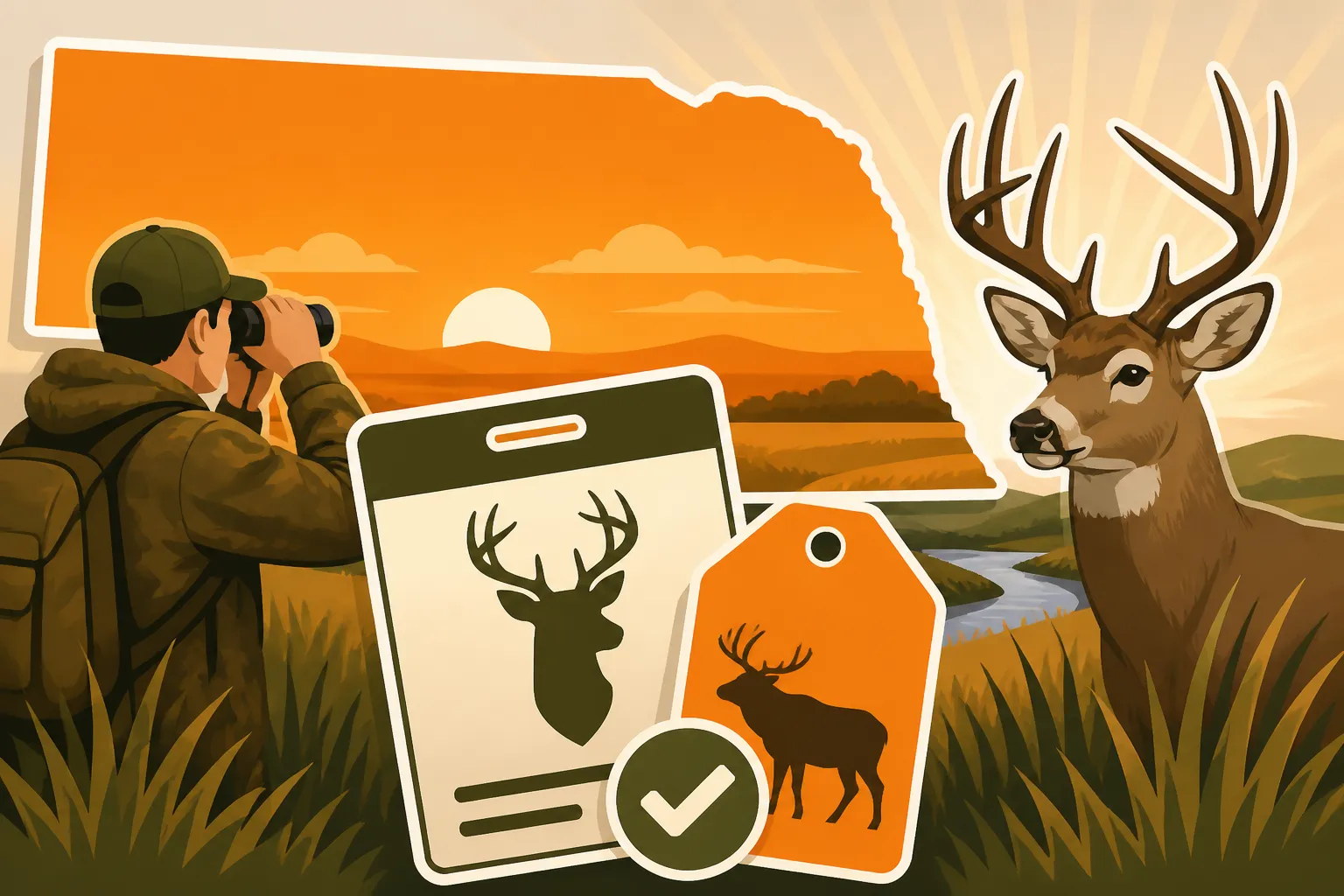
Once you've successfully harvested a big game animal in Nebraska, your responsibilities shift to proper tagging and reporting. This is not merely a bureaucratic formality; it's a crucial part of wildlife management, providing the Nebraska Game and Parks Commission with vital data to assess harvest rates, monitor populations, and make informed decisions for future seasons. The process typically involves physically attaching your permit tag to the harvested animal immediately after recovery, often through a slit in the ear or leg, before moving it from the kill site. The tag must remain affixed during transport and until the animal is processed.
Beyond physical tagging, Nebraska Deer Tagging and Checking Rules require hunters to report their harvest to the NGPC. This is usually done online through the state's harvest reporting system within a specific timeframe (often within 48 hours). You'll need information like the species, sex, and unit of harvest, and sometimes details about antler points. For deer, there may also be specific requirements for Chronic Wasting Disease (CWD) sampling in designated CWD management zones. In these areas, hunters are often required to submit the head of their harvested deer for testing. Failing to properly tag and report your harvest can result in significant penalties, including fines and the loss of hunting privileges. It’s always best to familiarize yourself with the current year's regulations, which are detailed in the annual hunting guide.
Carcass Transport and CWD Considerations
The final, but often complex, aspect of your post-harvest responsibilities involves the legal transportation of your harvested game, especially with increasing concerns about Chronic Wasting Disease (CWD). Nebraska, like many states, has strict regulations regarding the movement of deer, elk, and moose carcasses to prevent the spread of CWD, a fatal neurological disease. These rules are particularly important if you plan to transport your animal across state lines or even within Nebraska itself.
Generally, whole carcasses are restricted from being moved out of certain CWD management zones or from Nebraska into other states. The most common rule is that only certain parts of the animal are allowed to be transported, such as deboned meat, quarters with no spinal column attached, cleaned skulls or skull plates with antlers, hides, and taxidermy mounts. This means that if you harvest a deer in Nebraska and plan to take it home to a neighboring state, you will likely need to perform initial processing, such as deboning the meat, before leaving. It is absolutely crucial to check not only Nebraska's regulations but also the regulations of your home state or any states you will be traveling through. A failure to comply with Carcass Transport Rules Out of Nebraska can lead to confiscation of your game and severe penalties. Hunters should be prepared to field dress and potentially quarter their animal in the field, especially during warmer early seasons, not only for meat preservation but also to meet these critical CWD transport regulations. Always consult the most current NGPC hunting guide and any advisories for CWD zones before and after your hunt.
Nebraska Big Game Permit Overview
Here's a quick look at the primary big game permits in Nebraska, to help you get a handle on the landscape:
| Permit Type | Species | Availability | Typical Season | Notes |
|---|---|---|---|---|
| Any Deer | Deer | Draw (most units), Limited OTC | Varies | Often unit-specific, highly sought-after, especially for nonresidents. |
| Statewide Whitetail Buck | Whitetail Deer | OTC | Archery, Firearm, Muzzleloader | Very flexible, popular choice, widely available for whitetails. |
| Antlerless Deer | Deer | OTC | Varies | Easier to obtain, good for filling freezers and extended seasons. |
| Archery Antelope | Pronghorn | OTC | Late Summer/Fall | More accessible than firearm antelope, long season. |
| Firearm Antelope | Pronghorn | Draw | Fall | Very limited, highly competitive draw. |
| Elk | Elk | Draw (Residents Only) | Fall | Extremely limited, highly competitive. |
| Bighorn Sheep | Bighorn Sheep | Draw (Residents Only), Auction | Fall | Ultra-rare, once-in-a-lifetime opportunity. |
| Muzzleloader Deer | Deer | Draw (some units), OTC | December | Specific weapon choice, extended season. |
Please note that this table provides a general overview. Specific rules, seasons, and availability can change annually, so always consult the most current Nebraska Big Game Hunting Guide published by the Nebraska Game and Parks Commission.
Disclaimer
Please remember that hunting regulations, permit availability, and season dates are subject to change by the Nebraska Game and Parks Commission. This guide provides general information and should not be considered legal advice. Always consult the most current official Nebraska Hunting Guide and relevant state statutes before planning any hunting trip or purchasing permits. It is your responsibility as a hunter to understand and comply with all applicable laws and regulations.