Hunting Grouse in September Heat
Stepping out for those first September grouse hunts in Nebraska can be a real mixed bag. On one hand, the season is finally here, and the anticipation has been building all summer. On the other, September in Nebraska often means lingering summer heat, which can turn what should be an exhilarating walk in the sandhills into a real slog, not just for us, but especially for our hardworking bird dogs. This guide is all about navigating those warm early-season conditions, helping you find grouse, stay safe, and make the most of your time afield when the mercury is still climbing.
Understanding Nebraska's Early Grouse Seasons
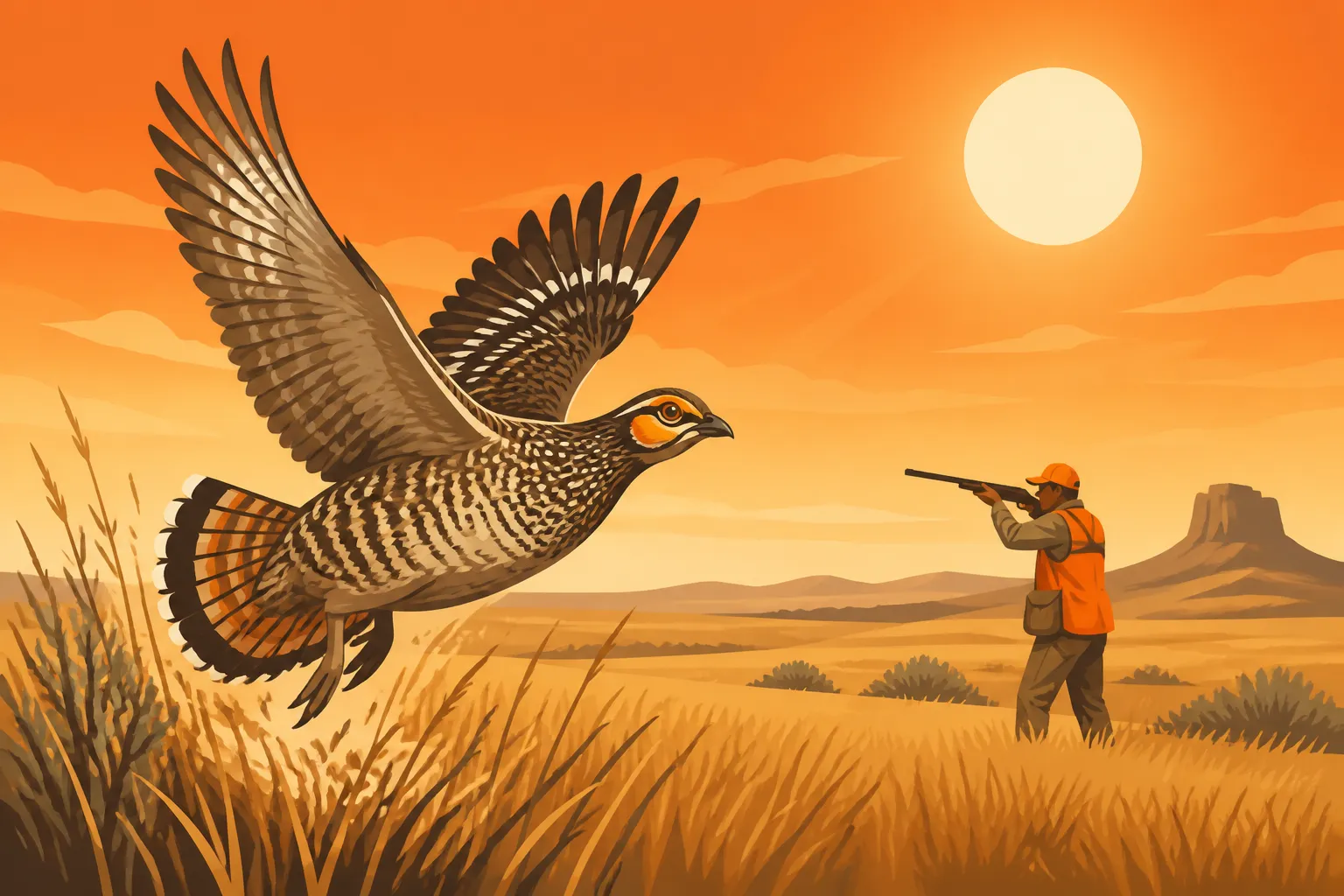
Before you even think about lacing up your boots, it’s crucial to understand the lay of the land when it comes to Nebraska's prairie grouse seasons. We're talking about two fantastic birds: the sharp-tailed grouse and the greater prairie-chicken. While both offer incredible hunting experiences, their ranges and behaviors, especially in the early season heat, can differ just enough to warrant a slightly different approach.
Prairie Grouse Species in Nebraska
Nebraska is blessed with robust populations of both sharp-tailed grouse and greater prairie-chickens, primarily concentrated in the vast, rolling expanses of the Sandhills. Sharp-tailed grouse tend to favor areas with more woody cover, like willow thickets, plum patches, and the edges of larger grasslands. They often stick to higher ground, especially during the heat of the day, seeking out any available shade or dense cover. You might find them closer to the fringes of agricultural fields, particularly if there's good native grass nearby. Their camouflage is incredible, and they can hold tight, making them a real challenge for even the most seasoned bird dogs. For more on where these birds live, take a look at our guide on Sharp-Tailed Grouse Range in Nebraska.
Greater prairie-chickens, on the other hand, are true denizens of the open prairie. They prefer large, unbroken tracts of tallgrass and mixed-grass prairies. In September, especially when it's warm, they might be found in denser, taller grasses where they can escape the sun and find insects. While you'll often see them in large coveys later in the season, early September might find them in smaller family groups. Understanding their primary habitat is key; they're less likely to be found right on the edge of a tree line or in dense plum thickets. If you're really looking to hone in on prairie chickens, learning about Finding Prairie Chickens on a Lek Range can give you insights into their preferred territories, even outside of breeding season.
Season Dates and Permit Requirements
Nebraska's prairie grouse season typically kicks off in early September, offering hunters a fantastic opportunity to chase these birds before the colder weather sets in. It's usually a long season, running well into January, but those early weeks are unique due because of the heat. Always double-check the current year's Nebraska Game and Parks Commission (NGPC) regulations for exact opening and closing dates, as well as bag limits, which are usually quite generous for grouse. You'll need a valid Nebraska hunting permit and a Nebraska Habitat Stamp. Non-residents, in particular, should make sure all their paperwork is in order well in advance. Keep in mind that specific units or areas might have unique regulations, so a thorough review of the Public Access Atlas is always a good idea. For a broader overview of the season structure, you can always refer to How Nebraska's Prairie Grouse Season Runs.
Strategies for Hunting Grouse in Hot Weather
September heat fundamentally changes how you approach a grouse hunt. It's not just about comfort; it's about hunter and dog safety, as well as maximizing your chances of finding birds when they're likely seeking relief from the sun. Ignoring the heat can quickly turn a fun outing into a dangerous situation.
Early Morning and Late Evening Hunts
When the sun is blazing, grouse, like most wildlife, are smart enough to seek shelter. Their activity peaks during the cooler parts of the day. This means your best bet for success in September heat is to hit the fields right at legal shooting light and hunt until mid-morning, or from late afternoon until sunset. During these times, temperatures are lower, and the birds are more likely to be out foraging for food, dusting themselves, or moving between roosting and feeding areas.
Think about a typical September morning in the Sandhills: the air might still have a crispness from the overnight low, but you know by 9:00 AM it's going to be heating up fast. That first hour or two after sunrise is prime time. The birds are more active, and your dog will be able to work much more effectively without overheating. If you're planning an afternoon hunt, wait until the sun begins to drop significantly, usually an hour or two before sunset, when the landscape starts to cool down. This also gives the birds time to move out of their midday cover. This strategy also applies to other upland birds, as seen in how many people handle Walking Milo and Corn Stubble for Pheasants in similar conditions.
Protecting Your Hunting Dog from Heat
This is arguably the most critical aspect of early-season grouse hunting. Your dog’s safety should be your absolute top priority. Dogs don't dissipate heat as efficiently as humans do, and they can succumb to heatstroke rapidly. A strong, healthy hunting dog can quickly become severely ill in warm conditions.
- Hydration is Key: Bring at least twice as much water as you think you'll need, both for yourself and your dog. Offer water frequently, even if your dog doesn't seem thirsty. A collapsible water bowl is invaluable. You might even consider bringing a small spray bottle to mist your dog's chest and paws periodically.
- Monitor Your Dog Constantly: Watch for signs of overheating: excessive panting, lethargy, bright red gums, or a loss of coordination. If you see any of these, stop immediately, get your dog into the shade, and cool them down. Wet towels, especially on the belly and groin, can help.
- Limit Hunt Duration: Even with frequent breaks, don't push your dog for hours on end. Short, intense bursts of hunting followed by longer rest periods in the shade are far better. On really hot days, consider only an hour or two in the morning and evening, or even skipping a hunt if the temperatures are extreme.
- Booties: The ground can get incredibly hot, especially sandy areas, which are common in grouse country. Dog booties can protect paws from burning and from sharp burrs.
- Cooling Vests/Collars: There are excellent cooling vests and collars available that use evaporative cooling to help regulate your dog's body temperature. Brands like Ruffwear and Chilly Dogs offer effective solutions. These can make a huge difference in extending your dog's safe working time. This topic is so important, we have a whole article dedicated to Water and Heat Risk for Bird Dogs.
Water Sources and Grouse Behavior
In dry, hot conditions, water becomes a magnet for wildlife, including grouse. While prairie grouse can go for extended periods without direct water, they'll still gravitate towards areas that offer more moisture, which typically means denser vegetation, cooler microclimates, and often, insect activity.
- Low-Lying Areas: Look for draws, creek beds (even if dry on the surface, the soil can hold moisture), and the edges of marshes or wet meadows. These areas retain moisture longer, supporting lusher vegetation that provides both cover and cooler temperatures.
- Dew Pockets: In the early morning, dense grass can hold dew, offering birds a source of moisture. These areas can be excellent starting points for a hunt.
- Thicker Cover: Grouse will often seek out the densest cover available to escape the midday sun and predators. This could be tall, thick native grass, plum thickets, or even small patches of cedars if you're hunting in areas like the Pine Ridge. Your dog will have to work hard to penetrate this cover, so ensure they are well-conditioned. When you're scouting, paying attention to what a bird might need for refuge is always a good strategy, and scouting notes from apps like GoHunt can highlight these potential spots.
Essential Gear and Preparation for Early Season Heat
Proper preparation and the right gear can make all the difference between a miserable, potentially dangerous hunt and an enjoyable, successful one when hunting grouse in September heat. It’s not just about staying comfortable; it’s about safety and efficiency.
Hydration and Cooling for Hunters
Just like your dog, you need to stay hydrated. Dehydration can lead to fatigue, poor judgment, and even heatstroke.
- Water, Water, Water: Carry a hydration pack (like a CamelBak) with plenty of water, or multiple water bottles. Electrolyte drinks can also be beneficial to replenish salts lost through sweating. Freeze some bottles overnight to keep your pack cool and have chilled water as it thaws throughout the morning.
- Cooling Accessories: A wet bandana around your neck, a cooling towel, or a wide-brimmed hat can help regulate your core temperature. Some hunters even wear lightweight, moisture-wicking shirts that have built-in cooling technology.
- Breaks in the Shade: Plan your routes to include opportunities for short breaks in any available shade. Even a few minutes out of the direct sun can make a big difference in preventing overheating.
Lightweight Clothing and Footwear
Forget the heavy canvas brush pants you might use in November. Early season demands lightweight, breathable attire.
- Moisture-Wicking Layers: Start with a base layer that wicks sweat away from your skin. Long sleeves, even in the heat, can protect you from the sun's harsh UV rays and provide a bit of evaporative cooling. Look for fabrics designed for activewear.
- Breathable Outerwear: Lightweight, breathable upland vests are ideal. They offer pockets for shells, water, and harvested birds without adding unnecessary bulk or heat. Brands often integrate blaze orange panels into these vests, which is essential. You'll want to ensure you meet the Nebraska Blaze Orange Square Inches requirements during shared seasons.
- Durable, Breathable Pants: Look for upland pants made from lighter synthetic materials that can withstand burrs and thorns but don't trap heat. If you're walking through really dense cover, burr-resistant chaps over lighter pants can be a good compromise.
- Ventilated Boots: Your feet will sweat, and hot, sweaty feet lead to blisters. Choose lightweight, breathable hunting boots with good ankle support. Consider waterproof options only if you expect to be in wet areas; otherwise, prioritize breathability. Make sure they are well broken-in before your hunt. For the long walks across the Nebraska Sandhills, the right boots are key.
Navigation and Communication Tools
The Nebraska Sandhills can be vast and disorienting, especially when you're focused on working a bird dog and battling the heat. Getting lost or running into trouble without communication can be dangerous.
- GPS and Phone Apps: A reliable GPS unit or a hunting app on your smartphone (like GoHunt's mapping features or onX Hunt) is indispensable. These tools allow you to mark your vehicle, track your path, identify property boundaries, and navigate safely. Download offline maps before you leave reception. For more on this, check out our insights on GPS Units Versus Phone Apps.
- Two-Way Radios: If hunting with a partner, two-way radios provide a reliable way to communicate, especially if cell service is spotty. It's much easier to coordinate drives or simply check in with each other without shouting.
- Whistle: A dog whistle is essential for communicating with your bird dog, and a loud personal whistle can be a lifesaver if you become disoriented or need to signal for help.
- First-Aid Kit: Always carry a compact first-aid kit, including supplies for both human and canine injuries. This means bandages, antiseptic wipes, pain relievers, and any personal medications. For your dog, include paw balm, vet wrap, and tweezers for burrs.
- Cooler and Game Bags: After all that hard work, you want to protect your birds. Pack a cooler with ice in your vehicle. Field dress your grouse quickly, place them in breathable game bags, and get them into the cooler as soon as possible to prevent spoilage in the heat. Our article on Coolers and Game Bags for a Nebraska Opener has more tips.
Locating Grouse in Warm September Conditions
Finding grouse in the vastness of Nebraska's prairie is always a challenge, but when September heat is a factor, you need to adjust your search strategy. Birds become more concentrated in specific areas that offer relief from the sun and heat, so knowing what to look for can significantly improve your odds.
Focusing on Upland Edges and Cover
Grouse are not typically found in completely open, short grass under a blazing sun during the heat of the day. They seek relief where they can find it.
- Edge Habitat: Look for the edges where different types of cover meet. This could be where tall native grasses meet a shorter grazed pasture, where a plum thicket borders open rangeland, or along the margins of small cedar patches. These transition zones often provide both food and protection.
- Thicker Vegetation: Focus your efforts on the densest, tallest cover available. This could be tall switchgrass, big bluestem, or areas with an abundance of wildflowers and other broadleaf plants that create a canopy. This dense cover provides shade at ground level, which is critical for birds trying to stay cool. In the Sandhills, this often means walking the slightly wetter, lower ground within the meadows, which supports more robust vegetation. This is key to success when Walking Nebraska Sandhills Meadows for Sharptails.
- North-Facing Slopes: If the terrain has any undulation, north-facing slopes receive less direct sunlight throughout the day, making them cooler and potentially holding birds longer. Conversely, south-facing slopes will heat up faster and hold less moisture.
Reading the Landscape for Water
While grouse don't need standing water daily, areas that hold more moisture will support lusher, taller vegetation, which in turn offers better thermal cover.
- Low-Lying Basins and Draws: Even if a small depression or draw appears dry on the surface, the soil below often retains moisture much longer than the surrounding uplands. This moisture sustains greener, taller vegetation, creating a microclimate that’s more appealing to grouse. These areas are worth investigating thoroughly, as they can be hidden gems.
- Ephemeral Ponds/Wetlands: Early September might still see some remnant water in isolated ponds or shallow wetlands from summer rains. These areas, even if they're drying up, often host a higher concentration of insects and offer excellent cover.
- Focus on the ‘Green’: Visually scan the landscape for patches of greener, more vibrant vegetation. These spots indicate better moisture retention and are prime candidates for holding birds trying to escape the heat. Utilize satellite imagery on your GoHunt app or other mapping tools to pinpoint these greener areas before you even step out of the truck.
Scouting Ahead for Success
Effective scouting is always important, but it becomes even more critical when you're dealing with challenging conditions like September heat. Knowing where the birds might be beforehand saves you valuable hunting time and effort, especially when you need to conserve energy.
- Pre-Season Drives: Before the season, take leisurely drives along two-track roads in grouse country. Keep an eye out for birds dusting in sandy areas, crossing roads at dawn or dusk, or flushing from dense cover. Even a quick visual can give you an idea of bird presence. Look for Reading Sign on a Nebraska Sandhills Two-Track to help you interpret what you see.
- Glassing: Use good binoculars or a spotting scope to glass large areas from a high vantage point during the early morning or late evening. Look for grouse feeding in open areas or moving between covers. This is a great way to cover a lot of ground visually without exerting yourself or your dog in the heat.
- Talk to Locals: Local farmers, ranchers, and even other hunters can provide invaluable insights into bird movements and concentrations. They are on the land daily and often have the most up-to-date information.
- Public Access Atlas: Utilize the Nebraska Public Access Atlas to identify public hunting grounds or Open Fields and Waters tracts. Cross-reference these with satellite imagery to identify promising habitat features like plum thickets, dense grass, and potential water sources. This tool is a cornerstone for Scouting Nebraska Public Ground Before Opening Day.
Hunting grouse in September heat is undeniably tough, but with the right mindset, preparation, and tactical adjustments, it can be incredibly rewarding. Respect the conditions, prioritize safety, and cherish those moments with your dog and the wild beauty of Nebraska's prairie.
Disclaimer
Always consult the current Nebraska Game and Parks Commission regulations before planning any hunting trip, as rules and seasons can change. This guide is for informational purposes only and does not supersede official state regulations. Hunt safely and ethically.