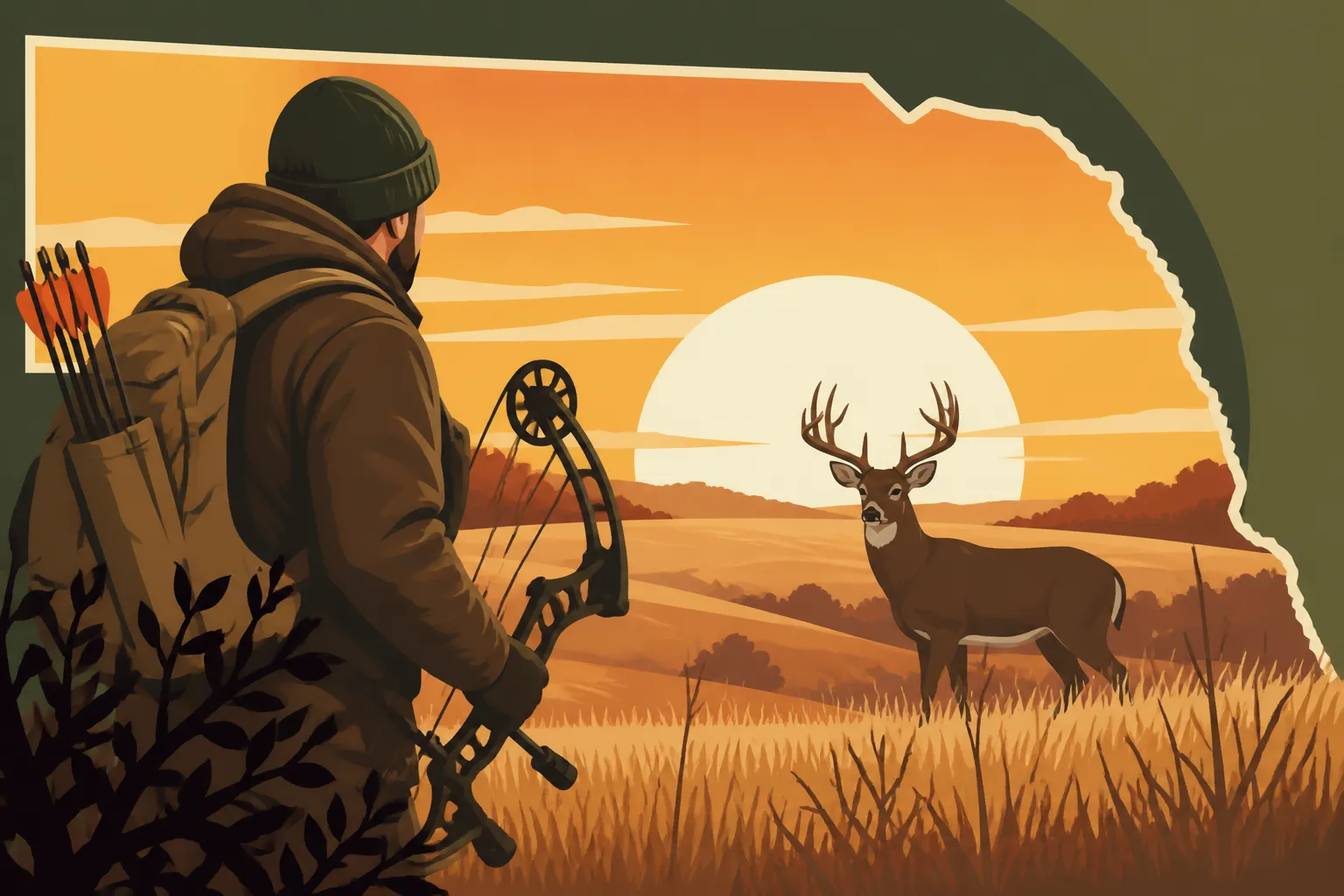
Hunting Nebraska Deer After the Firearm Season
That moment when the final echo of the November firearm season fades, and suddenly, the woods feel empty. If you've ever found yourself wondering, "Is that it for deer season?" or felt a pang of disappointment as the crowds dispersed, you're not alone. Many hunters assume the best opportunities are over, but in Nebraska, the late season offers some truly unique and challenging chances to fill your tag. This guide will help you understand the specific seasons available after the general firearm hunt, how deer behavior changes, and the tactics and gear you'll need to succeed in the colder months.
Understanding the Late Seasons: Muzzleloader and Antlerless Opportunities
Once the nine-day November firearm season wraps up, it's easy to feel like you've missed your shot. But in Nebraska, the deer hunting narrative doesn't end there. We're fortunate to have specific late seasons that cater to different hunting styles and offer crucial opportunities, especially when the landscape has transformed into a winter wonderland. These aren't just an afterthought; they're a completely different ballgame, demanding a shift in strategy and mindset.
The December Muzzleloader Season
For many, December means decking the halls, but for a dedicated few, it means loading up a muzzleloader. This season, typically running throughout December, provides a fantastic chance to get back into the field. The pressure is usually much lower than during the general firearm season, and the crisp, often snowy, conditions make for a completely different hunting experience. When you're considering the muzzleloader season, it's important to remember that these permits are often specific to certain units, and while some are "any deer" permits, others might be antlerless only. This is where researching your unit and understanding permit availability becomes paramount. You'll want to check out details on When Nebraska's Muzzleloader Deer Season Runs to make sure you're aware of the exact dates.
The allure of muzzleloader hunting in December is strong. You're trading modern conveniences for a more traditional, deliberate approach, and that adds a layer of satisfaction to the hunt. The deer, having been pressured during November, are often much warier, which means your stealth and woodsmanship skills will be put to the test. Plus, there's just something inherently cool about the puff of smoke and the thud of a slug in the cold air.
Late-Season Antlerless Hunts in January
Beyond the muzzleloader season, Nebraska offers crucial late-season antlerless opportunities, often extending into January. These permits are typically designed to help manage local deer populations, and they're a prime chance to stock your freezer or introduce new hunters to the sport without the pressure of chasing a trophy buck. These hunts are often overlooked, but they can be incredibly productive for those willing to brave the coldest parts of winter.
You'll find that these permits are almost exclusively antlerless-only, and they're available in units where population management is a priority. This is an excellent time to focus on specific late-season food sources and cover areas where does and fawns will congregate for warmth and sustenance. If you're looking to put meat on the table, these January hunts are invaluable. Make sure you understand Nebraska Antlerless Permit Availability by Unit to find the best opportunities.
Here's a quick look at the typical differences between these late seasons:
| Season Type | Typical Dates | Permit Type | Primary Focus | Pressure Level | Key Challenges |
|---|---|---|---|---|---|
| Muzzleloader | December 1-31 | Any Deer/Antlerless | Specific Units | Moderate | Cold, wary deer, single shot |
| Late Antlerless | January 1-15 (approx.) | Antlerless Only | Population Mgmt. | Low | Deep cold, snow, limited movement |
Decoding Deer Behavior in Winter
Hunting deer after the firearm season isn't just about changing your weapon; it's about fundamentally understanding how deer behavior shifts as winter truly sets in. Gone are the days of the rut-crazed bucks making mistakes. Now, survival is the name of the game, and if you can tap into that instinct, your chances of success will soar.
The Dominance of Food and Cover
As temperatures plummet and snow blankets the landscape, a deer's priorities narrow significantly. They aren't thinking about breeding anymore; they're focused squarely on two things: finding enough calories to survive and finding dense cover to escape the brutal wind and cold. This is perhaps the most crucial shift in their behavior. Understanding Late-Season Food Sources in Nebraska is paramount. These aren't always the lush alfalfa fields of early fall. Think standing corn, soybean stubble, winter wheat, and even browse in thick timber. Deer will concentrate heavily in areas where food is readily available and requires minimal energy expenditure to access.
Similarly, cover becomes magnetic. Think cedar thickets, dense willow bottoms, deep draws, or the south-facing slopes of hills that catch the sun. These spots offer thermal refuge from howling winds and deep snow. A smart hunter will prioritize scouting for these two elements and look for where they intersect. A hidden food plot or a patch of standing corn adjacent to a thick cedar draw becomes a late-season hotspot.
Deer Movement and Patterning in Cold Weather
Cold weather drastically impacts deer movement patterns. During periods of extreme cold, especially after a fresh snowfall, deer will move less and conserve energy. They might even yard up in dense cover for extended periods, only venturing out during the warmest parts of the day, often around midday, to feed. This is a stark contrast to the dawn and dusk activity you might expect earlier in the season. You'll want to adjust your sitting times accordingly. Patience and the ability to endure a Cold Weather Sitting Strategy are critical.
Another factor is snow. Deep Snow and Deer Movement creates predictable travel corridors. Deer will often follow the path of least resistance, using old logging roads, game trails, or even man-made paths through heavy snow. They'll also avoid deep drifts and open areas where they expend too much energy. This can actually simplify patterning their movements, as their options become more limited.
Moreover, deer will be more wary. They've been hunted for months, and any loud noise, strong scent, or sudden movement will send them fleeing. This is where meticulous attention to wind direction, quiet movement, and careful entry and exit routes become absolutely essential. Think about how you approach your stand or blind, making sure you don't spook deer out of their bedding or feeding areas before you even settle in.
Essential Tactics for Post-Firearm Success
Hunting after the general firearm season demands a refined approach. The deer are smarter, the weather is harsher, and the margin for error is slimmer. But with the right tactics, these late-season hunts can be incredibly rewarding.
Aggressive Scouting for Winter Hideouts
Pre-season scouting is always important, but post-firearm season scouting is a game-changer. The landscape is stripped bare, leaves are off the trees, and recent snowfalls highlight fresh tracks and trails. This is the time to identify those crucial food sources and thermal cover areas that deer are now relying on. Don't be afraid to put boots on the ground, even in the cold. Look for concentrated droppings, fresh tracks leading from bedding to feeding, and rub lines or scrapes (though less frequent) that indicate activity.
Tools like GoHunt can be incredibly valuable here, allowing you to overlay public land maps with aerial imagery that clearly shows changes in agriculture or timber density. You can pinpoint potential standing corn fields or dense cedar thickets even before you step foot on the ground. This kind of diligent scouting can save you hours of aimless wandering in the cold and help you narrow down high-probability areas. Remember, deer will often "yard up" in specific winter havens, so finding these critical spots can be like hitting the jackpot. You might want to revisit your Scouting Nebraska Public Ground Before Opening Day skills and apply them to the late season.
Patience and Adaptability in the Stand
Late-season hunting is often a test of endurance and patience. You'll likely be sitting for longer periods in colder conditions, and deer movement might be sporadic. This isn't the time for frequent stand changes or restless fidgeting. Once you've identified a prime location – perhaps a pinch point between a bedding thicket and a standing cornfield – commit to it.
Adaptability is also key. The weather can change in an instant in Nebraska. A sudden blizzard or a drastic temperature drop might alter deer patterns. Be prepared to adjust your hunting times, focusing on midday movement during bitter cold snaps. If the wind shifts, you might need a secondary approach or even a different stand location to maintain your scent control. This is where having a well-brushed-in ground blind that can withstand the wind, as discussed in Using a Ground Blind on Nebraska Public Ground, can be a huge asset, offering warmth and concealment without exposing your movement.
Leveraging Local Pressure and Terrain
One of the biggest advantages of late-season hunting is understanding the impact of previous hunting pressure. Deer that have survived the general firearm season are exceptionally wary. They've learned to avoid high-traffic areas and move primarily during the safest times, often at night or during the quietest parts of the day. This means focusing your efforts on overlooked pockets of cover, steep draws, or small timber blocks that might have been ignored by other hunters.
Don't forget the power of terrain. Even subtle elevation changes can offer a thermal advantage or block prevailing winds, creating sanctuaries for deer. In areas like the Nebraska Sandhills, a deep blowout or a secluded basin can be a haven for mule deer. For whitetails in river bottoms, understanding Where Deer Yard Up in a Nebraska Winter in dense thickets along the water's edge can be crucial. Using features like ditches, creek beds, or even fencerows to mask your approach can make all the difference in getting within range of a wary late-season deer. When you're assessing a new area, a quick check with an app that includes satellite imagery, like GoHunt, can reveal these subtle terrain features that might be overlooked on a flat map.
Gear Up for the Cold: What You Need
Hunting in the late season means confronting Nebraska's brutal winter elements head-on. If you're not properly prepared with the right gear, your hunt will be cut short, and misery will quickly set in. This isn't just about comfort; it's about safety and extending your time in the field.
Layering for Extreme Cold and Wind
The key to staying warm in the late season is effective layering. Forget bulky, single-piece outfits that restrict movement and trap sweat. Start with a moisture-wicking base layer that pulls sweat away from your skin. On top of that, add insulating mid-layers – think fleece, wool, or down. Finally, an outer shell that is both windproof and waterproof is non-negotiable. Nebraska winds can cut right through lesser materials, turning a chilly day into an unbearable one.
Consider the temperature fluctuations throughout the day. You might start in the bitter cold of morning and find it warms up significantly by midday if the sun is out. Your layering system should allow you to add or shed layers easily to regulate your body temperature, preventing both overheating (which leads to sweating and then chilling) and freezing. Don't forget extremities: a warm hat, a neck gaiter or balaclava to protect your face, and insulated gloves or mittens are absolutely critical for maintaining core body temperature and fine motor skills.
Muzzleloader-Specific Considerations
If you're heading out for the muzzleloader season, your gear list takes on a few unique additions. Keeping your powder dry in December's often damp or snowy conditions is paramount. Invest in waterproof caps for your muzzle and nipple, or use electrical tape for a quick and effective seal. Many hunters carry a small, sealed container with extra powder charges and primers to ensure they're always ready, even if they drop their primary load.
Beyond that, a good quality cleaning kit specific to muzzleloaders is essential. Black powder is corrosive, and a quick clean after each hunt will protect your investment. Since you're likely only getting one shot, ensuring your muzzleloader is sighted in precisely and that you're comfortable with its loading and firing process in cold, gloved hands is crucial. Read up on Nebraska Muzzleloader Deer Tactics in December for more specific advice on hunting with this traditional weapon in cold weather.
Essential Accessories for Winter Hunts
Beyond your primary weapon and clothing, a few key accessories can make or break a late-season hunt. Hand warmers and toe warmers, particularly the larger, long-lasting varieties, are a hunter's best friend. Stick them in your gloves, boots, and even inside your jacket pockets. A quality thermos filled with hot coffee, tea, or soup can provide a much-needed morale boost and internal warmth during long sits.
Finally, don't underestimate the importance of reliable navigation tools. While your phone might work, cold weather drains batteries quickly. A dedicated GPS unit or a fully charged power bank for your phone (especially if you're relying on a hunting app like GoHunt for maps and property lines) is a wise investment. Make sure you have a headlamp with extra batteries, as short winter days mean you'll often be walking in and out in the dark. A small, dry bag for your electronics and extra gloves is also a smart addition, protecting them from unexpected moisture.
Disclaimer
Please note that hunting regulations, season dates, and permit requirements can change. Always consult the most current Nebraska Game and Parks Commission regulations before planning any hunting trip. This guide is for informational purposes only and does not supersede official state regulations.