Judging Pronghorn Horn Length
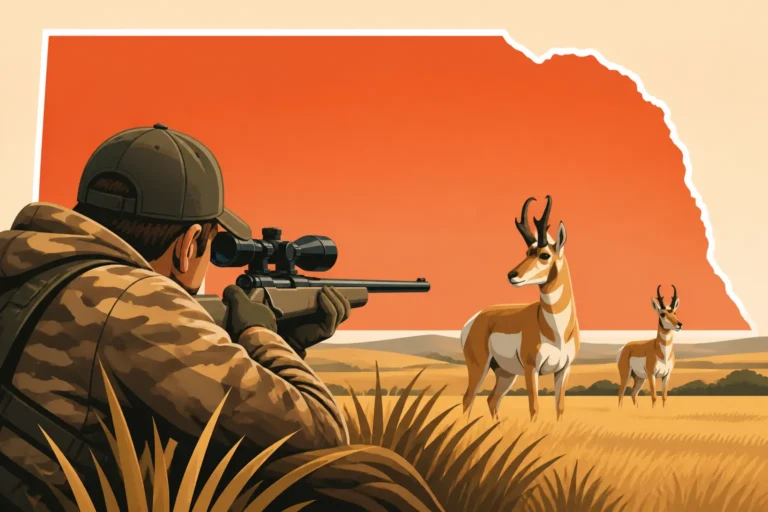
One of the most thrilling and challenging aspects of hunting pronghorn antelope on the vast Nebraska plains is the often fleeting opportunity to accurately judge a buck's horn length. In those intense moments when a buck finally presents a shot, the pressure is immense, and it’s all too easy for excitement or heat shimmer to distort your perception, leading to either a missed opportunity on a true trophy or, just as frustrating, taking an animal that doesn't quite meet your expectations. This guide is dedicated to helping you sharpen your eye and confidently estimate pronghorn horn length, ensuring a more satisfying and ethical hunt in the wide-open spaces of Nebraska.
Why Judging Horn Length Matters on the Prairie
Pronghorn hunting in Nebraska is a unique experience, often involving long-range glassing and quick decisions in an environment where cover is scarce. Unlike deer hunting, where many hunters are content with harvesting any legal animal, pronghorn hunters often have specific goals for horn length. Getting this judgment right is crucial for a fulfilling hunt.
The Ethics of the Shot
Every hunter has a responsibility to know what they're shooting at. For pronghorn, this often means understanding what constitutes a "keeper" in terms of horn size, especially if you're holding out for a buck that meets a certain standard. Taking the time to properly identify and judge a buck's horns ensures you're making an informed decision, honoring the animal, and adhering to your personal hunting ethics. Rushing a shot or misidentifying a buck can lead to regret or, even worse, a poorly placed shot that results in a wounded animal. In the expansive terrain where pronghorn live, tracking a wounded animal can be incredibly difficult, making initial judgment paramount.
Trophy vs. Table Fare Considerations
While pronghorn meat is lean and delicious, many hunters pursuing these speedsters are specifically looking for a buck with impressive headgear. Nebraska offers fantastic opportunities for big bucks, especially in units like the Sandhills, but you have to be able to pick them out from a herd. If your goal is to pursue a buck that will make the record book or just one that makes a truly impressive mount, then developing a keen eye for horn length is non-negotiable. It’s not just about the length, but also the mass, the shape, and the distinct forward-curving prong that makes a truly special buck.
Understanding Nebraska's Pronghorn Regulations
For most of Nebraska's antelope permits, the regulations are fairly straightforward, allowing the harvest of "any antelope." This means there usually isn't a legal minimum horn length you must meet. However, this flexibility places the responsibility squarely on the hunter to define their own success. Knowing the typical horn lengths for a mature Nebraska buck—which can range from 12 to 16 inches, with exceptional animals pushing 18 inches or more—helps you set realistic expectations and make sound decisions in the field. When you're out glassing the Oglala National Grassland or other prime antelope country, having a mental benchmark for what you consider a trophy is incredibly helpful.
Key Visual Cues for Estimating Pronghorn Horn Length
Judging pronghorn horns accurately is an art developed through experience and careful observation. Fortunately, pronghorn possess several consistent anatomical features that serve as excellent benchmarks for estimating horn length.
Ear Height as a Benchmark
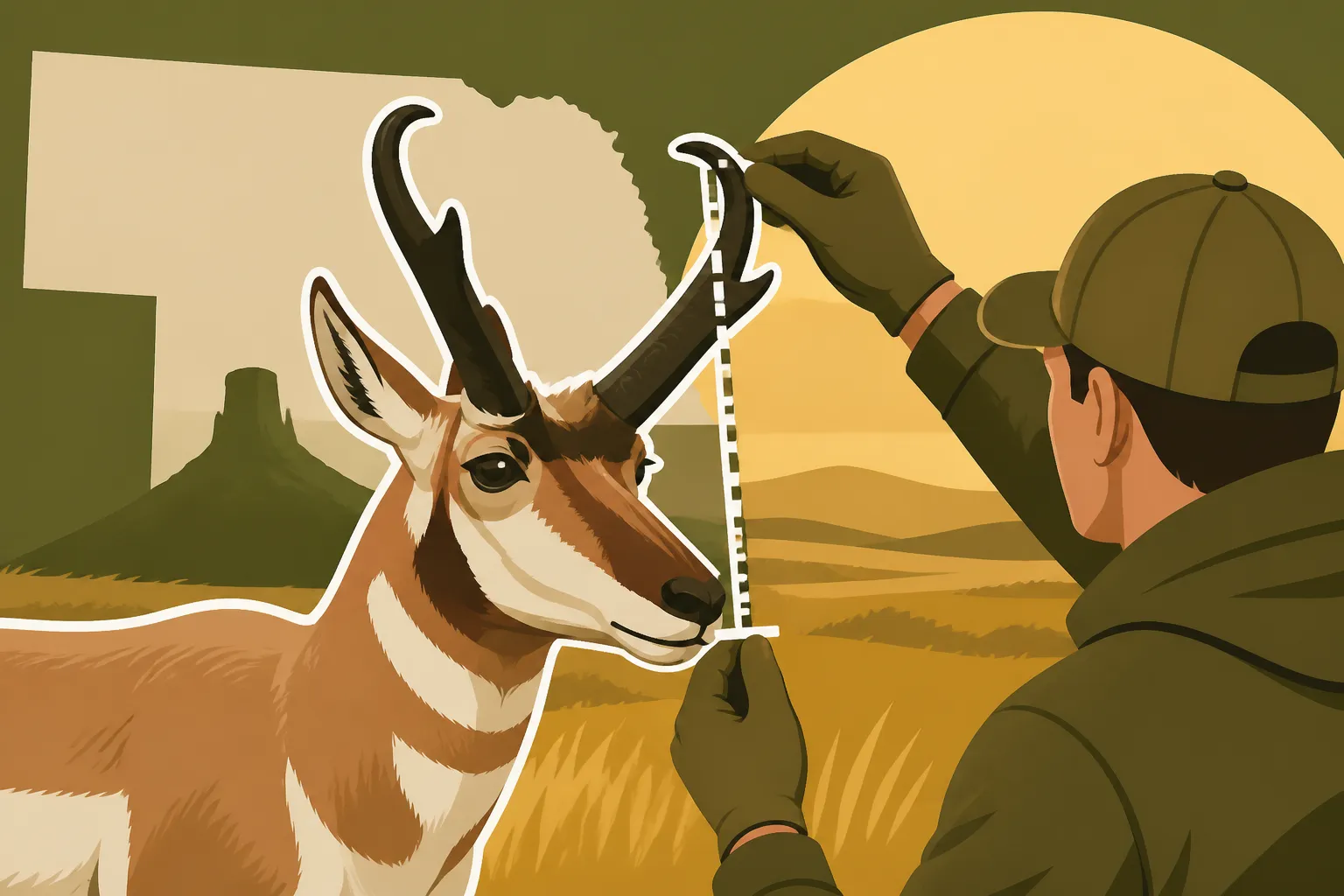
This is perhaps the most universally used and effective trick for judging pronghorn. A pronghorn's ear, from its base to its tip, is consistently about 5 to 6 inches long on an average adult. This provides a readily available, "built-in" ruler.
When you're glassing a buck, mentally compare the horn length to the ear length:
- Average Buck (12-14 inches): The horns will typically appear to be about two to two-and-a-half times the length of the ear. So, if the ears are 6 inches, a 12-inch horn is twice that.
- Good Buck (15-16 inches): These horns will look noticeably longer, pushing past two-and-a-half times the ear length, often with significant mass.
- Exceptional Buck (17+ inches): A truly outstanding buck’s horns will dwarf the ears, looking closer to three times their length, sometimes more. You'll often see the horn tips extending well above the head and neck.
Always remember that light conditions, distance, and the animal's angle can play tricks on your eyes, so try to get multiple views if possible.
Eye-to-Nose Measurement
Another helpful, albeit secondary, measurement is the distance from the buck's eye to the tip of its nose. This length is roughly equivalent to a pronghorn's ear length, around 5-6 inches. If a buck's horns barely clear the top of its ears, but don't extend much past its nose when looking head-on, it’s likely an average buck. If the horns extend significantly past the eye-to-nose measurement, you're looking at a longer-horned animal. This cue is particularly useful when a buck is facing you directly or quartering towards you, making ear height comparison less straightforward.
The Pronghorn's Neck and Body Proportions
It’s easy to get tunnel vision on the horns, but stepping back and looking at the buck's overall proportions can prevent costly errors. A large-bodied, mature buck might make average horns appear smaller due to its overall size. Conversely, a younger, smaller-bodied buck might have horns that look disproportionately long for its frame, even if they're not exceptional. Look for:
- Mature Buck Characteristics: A thick, muscular neck, a deep chest, and a stocky body. These older bucks often carry more mass in their horns, which can also make them appear longer.
- Younger Buck Characteristics: A more slender neck and body, which can sometimes create the illusion of longer horns.
Consider the entire animal. How do the horns fit the entire picture? Do they look stout and proportional, or do they look spindly and short on a big body? This holistic view is a key part of becoming a successful judge of pronghorn.
Prongs and Their Position
The prong—that distinct forward-curving fork on a pronghorn's horn—is a defining characteristic and a crucial indicator of horn quality.
- Prong Location: A high-set prong, typically at least two-thirds of the way up the horn, often indicates a longer horn. Lower-set prongs tend to be found on shorter-horned bucks.
- Prong Length and Shape: Longer, more defined prongs add to the visual appeal and score. A prong that kicks out aggressively and measures several inches is a good sign. Shorter, stubby prongs generally point to a less desirable animal for trophy purposes.
- Amount of Horn Above the Prong: The length of horn above the prong, often called the "cutter," is very important. Bucks with long, pointed cutters that extend well past the prong itself are usually exceptional. If the horn ends abruptly right after the prong, it will likely be a shorter measurement.
Mass and Curvature
While not directly about length, mass (circumference of the horn) and curvature (the sweep and hook of the horn) are strong indicators of a quality buck and often correlate with longer horns.
- Mass: Look for horns that are thick, especially at the base, and maintain good circumference all the way up. Thin, "pencil-horned" bucks rarely have exceptional length.
- Curvature: The classic pronghorn horn has a beautiful, graceful curve backward and then tips inward. Bucks with good curvature and clean, sharp points are highly sought after. Sometimes, a very straight horn might appear longer, but a well-curved horn adds to the overall score and aesthetic.
Practical Tips for Judging in the Field
Putting these visual cues into practice on the wide-open Nebraska plains requires patience, the right gear, and a solid understanding of how to use them effectively.
Using Optics Effectively
Your optics are your best friend when hunting pronghorn. The vast distances involved mean you'll be doing a lot of glassing.
- Binoculars: A good pair of 10×42 or 12×50 binoculars is essential for initial spotting and sorting. Use them to pick out bucks from does and get a general sense of horn quality.
- Spotting Scopes: This is where the real judging happens. A high-quality spotting scope with at least 60x magnification is invaluable. A steady tripod is non-negotiable for using a spotting scope effectively, especially when the wind is blowing, which it often does in Nebraska. Don’t try to hand-hold a spotting scope; the image will be too shaky to make accurate judgments. When considering "Spotting Scope Magnification for Antelope," prioritize clarity and stability over raw power.
- Rangefinders: While a rangefinder won't tell you horn length, it will confirm the distance, which is critical for understanding perspective. A buck at 400 yards will always look smaller than the same buck at 200 yards. Brands like Vortex, Leupold, and Zeiss offer excellent options.
- GoHunt & Mapping Tools: Before you even hit the field, tools like GoHunt’s mapping features can help you scout potential glassing points and understand the terrain. Knowing where you might expect to find animals and planning your approach can give you crucial extra minutes for judging when a buck appears.
Patient Observation and Multiple Angles
Pronghorn are rarely static. They are constantly on the move, feeding, sparring, or simply covering ground. This can be frustrating, but it also provides opportunities.
- Don't Rush: Resist the urge to quickly pull the trigger on the first buck you see. Take your time.
- Wait for Different Angles: A buck might present a perfect broadside view for judging ear height, then turn and offer a head-on view for assessing prong and mass. Different angles can confirm or challenge your initial assessment.
- Observe Behavior: A mature, dominant buck often exhibits distinct behaviors, like pushing smaller bucks around or herding does, which can be an indicator of age and, often, horn quality.
- Use the Environment: Look for a rise, a fence post, or even another animal to help you compare the buck's size. Sometimes, a nearby fence post of known height can act as an improvised scale.
Practice, Practice, Practice
Like any skill, judging horn length gets better with practice.
- Study Photos and Videos: Before the season, spend time looking at photos and videos of pronghorn with known horn measurements. Train your eye to associate certain visual cues with specific lengths.
- Use the "Practice Buck": In the field, practice judging every buck you see, even if it's too far or not what you're looking for. Make a mental estimate, then confirm your assessment if you get a closer look or if a hunting partner offers their opinion.
- Post-Harvest Analysis: If you harvest a buck, measure its horns precisely. Compare the actual measurement to your estimate. This feedback loop is invaluable for refining your skills for future hunts. It’s a bit like learning to read a deer’s body language when still-hunting Nebraska cedar draws – it just takes time in the field.
Common Mistakes and How to Avoid Them
Even seasoned hunters can make mistakes when judging pronghorn horns. Understanding these common pitfalls can help you avoid disappointment and make more informed decisions.
The "Ground Shrinkage" Phenomenon
Ah, ground shrinkage—the bane of many a big-game hunter! This infamous phenomenon occurs when an animal’s trophy looks significantly smaller once you walk up to it compared to how it looked through your optics. With pronghorn, this is often due to:
- Distance Deception: As mentioned, distance makes everything appear smaller, and it’s easy to overestimate size at long range.
- Lack of Reference Points: When a buck is standing alone in a vast, flat landscape, there's nothing to compare it to, making judgment incredibly difficult.
- Excitement: Adrenaline can make an average buck look like a monster.
How to Avoid: Slow down. Use multiple reference points (ear height, eye-to-nose, prong location). Get a second opinion if hunting with a partner. If you're unsure, pass. Another buck will likely come along. This patience is similar to the approach needed for "Stalking Pronghorn Across Open Nebraska Ground".
Rushing the Shot
The open country of Nebraska means pronghorn are often on high alert, and opportunities can be fleeting. It’s natural to feel pressure to take the shot quickly before the animal disappears. However, rushing leads to poor judgment.
- Pressure from Others: Don't let a hunting partner or guide pressure you into a shot you're not confident in. It's your hunt.
- "Now or Never" Mentality: While some opportunities are truly brief, often a little patience will yield a better, calmer shot. Pronghorn often circle back or reappear in unexpected places.
- Adrenaline Overload: Take a deep breath. Slow your heart rate. If you're shaking, you're not ready to judge or shoot accurately.
How to Avoid: Practice mental toughness. Remind yourself of your goals before the hunt. Focus on your breathing. If you're struggling with "Wind and Thermals in the Sandhills", extra time to observe can help with both judgment and shot placement.
Relying Solely on One Metric
While ear height is a fantastic starting point, relying only on it can lead to misjudgments.
- Angled Ears: If a buck's ears are laid back or angled forward, their perceived length can change dramatically.
- Immature Bucks: Some young bucks can have surprisingly long ears, which might make their short horns look relatively longer than they are.
How to Avoid: Always use a combination of metrics. Cross-reference ear height with eye-to-nose, prong location, and overall body proportions. If all the indicators align, you have a much higher chance of making an accurate judgment.
Misjudging the Body Size
As discussed earlier, the size of the buck's body can significantly influence how long its horns appear.
- Large-bodied bucks: Can make good horns look average. These older, more mature bucks often have thick necks and deep chests.
- Small-bodied bucks: Can make average horns look exceptional. These are typically younger animals with slender necks and less overall mass.
How to Avoid: Train your eye to assess body size independently of horn length. Look for mature physical characteristics like thick necks, pronounced shoulder humps, and a heavy gait. A big, mature buck is more likely to carry impressive horns, but not always.
Ultimately, judging pronghorn horn length is a skill that improves with every hour spent glassing the plains. Take your time, trust your optics, and learn to read the subtle cues these incredible animals provide.
Here's a quick reference table for visual horn estimation:
| Horn Characteristic | Estimated Length Range | Notes |
|---|---|---|
| Barely above ear tips | 8-10 inches | Usually younger bucks, minimal trophy potential. |
| 1.5 – 2 times ear height | 10-12 inches | Legal, but generally not a trophy. Good learning buck. |
| 2 – 2.5 times ear height | 12-14 inches | Decent mature buck, often good mass, respectable trophy. |
| 2.5 – 3 times ear height | 15-16 inches | Very good buck, strong mass, high prongs, excellent trophy. |
| 3+ times ear height | 17+ inches | Exceptional buck, noticeable length, great mass & prong. Rare. |
Remember, these are guidelines. Factors like the individual buck's ear size (which can vary slightly) and your viewing angle will always influence perception. Using tools like GoHunt's detailed maps for scouting and planning your approach, combined with diligent practice with your optics, will dramatically improve your success in judging horn length. If you're looking for more general information on Archery Antelope From a Water Blind or Decoying a Rutting Pronghorn Buck, check out our other guides. Always remember that Nebraska Antelope Draw Odds can be tough, so make your shot count!
Disclaimer
Hunting is an inherently dangerous activity. This guide provides general information and recommendations for judging pronghorn horn length in Nebraska. Always prioritize safety, adhere to all Nebraska Game and Parks Commission regulations, and obtain appropriate permits and licenses before hunting. Conditions in the field can change rapidly, and personal judgment, experience, and adherence to local laws are paramount.