Field Dressing and Cooling Game in Warm Weather
There’s nothing quite like the thrill of a successful hunt, especially when you’ve put in the work, braved the elements, and finally tagged your quarry. But let’s be honest, that triumphant feeling can quickly turn to anxiety when the temperatures are climbing, and you know you’re facing a race against the clock to preserve your hard-won meat. The warm Nebraska sun, especially during early archery seasons or upland bird openers, can be your biggest enemy, turning a prime cut into spoiled waste in a matter of hours. This comprehensive guide is here to walk you through the critical steps of field dressing and aggressively cooling your game in warm weather, ensuring that all your effort in the field translates into delicious, high-quality meat on your table.
The Urgency of Warm Weather Field Dressing
We've all been there, standing over a downed animal, the adrenaline still pumping, but with a nagging glance at the thermometer. When the mercury is high, the clock starts ticking the moment your animal hits the ground. This isn't just about good practice; it's about salvaging every pound of meat from spoilage. Ignoring the heat can mean losing your entire harvest, a truly heartbreaking and wasteful outcome for any hunter.
Understanding the "Danger Zone" for Meat
Bacteria, the silent saboteurs of fresh meat, thrive in a specific temperature range, often referred to as the "danger zone," which typically falls between 40°F and 140°F (4°C and 60°C). When an animal dies, its internal body temperature is still around 100°F (38°C), placing it squarely within this danger zone. Without rapid cooling, these bacteria multiply exponentially, producing toxins and causing irreversible spoilage. Think about leaving a steak on the counter too long; the same principles apply, but on a much larger scale with a whole animal. This is why quick action is not just recommended, but absolutely essential.
The warm environment of Nebraska's early seasons, like when you're pursuing whitetails in September or even during a mild October, only exacerbates this issue. The ambient air temperature often hovers well within or above the danger zone, making it incredibly difficult for a whole carcass to cool naturally. Every minute counts because the deeper muscle tissues, insulated by hide and fat, retain heat for a long time, creating a perfect incubator for bacterial growth. This internal heat is the primary culprit behind sour meat or green spoilage, starting deep within the muscle where it's hardest to detect until it's too late.
Why Speed is Your Greatest Ally
When dealing with warm weather, speed isn't just a virtue; it's a necessity. The faster you can get that hide off and the guts out, the faster the carcass can begin to shed heat. Evisceration (gutting) removes a massive amount of internal heat and eliminates a major source of bacteria. The internal organs hold a lot of warmth, and they are also home to the bacteria that, once the animal's natural defenses are gone, will rapidly begin to break down the surrounding tissue. So, the very first step is to open up that body cavity as quickly and cleanly as possible.
Imagine the difference between a warm, insulated thermos and an open, empty container. That’s the analogy for a field-dressed animal versus an intact one. By removing the insulating organs and creating an opening for air circulation, you’re turning that thermos into an open container, allowing heat to escape. This is particularly crucial for larger game like deer, where the sheer mass of the animal holds heat for a long time. Even for smaller game like turkeys or pheasants, prompt gutting helps, though their smaller size allows them to cool faster naturally. During early archery antelope hunts, for example, getting that animal cooled quickly can make or break your trip, especially considering how quickly temperatures can soar on the open prairie.
Dispelling Common Misconceptions
There are a few myths floating around about warm weather game care that can lead to unfortunate outcomes. One common misconception is that "it's fine if I get to it in a few hours." In cool weather, you might have a buffer, but in warm temperatures, a "few hours" can be the difference between perfectly good meat and a total loss. Even if the outside feels cool, the deep muscle tissue could still be cooking from the inside out. Another myth is that simply hanging the animal in the shade is enough. While shade is absolutely vital, it's often not enough on its own to drop core temperatures fast enough, especially without evisceration and proper air circulation.
Another belief some hunters hold is that a brief dip in water can help cool the animal. While some quick cooling methods involving water might be used in extreme scenarios, generally, getting your meat wet is a bad idea as it introduces more moisture, which, combined with warmth, creates an even more hospitable environment for bacterial growth on the surface of the meat. You want the meat to dry out slightly, forming a protective pellicle, not to be soggy. Understanding that warm weather hunting demands an elevated level of vigilance and proactive care, rather than relying on wishful thinking, is the first step toward success.
Essential Gear for Warm Weather Game Care
Proper preparation for warm weather hunting means having the right tools on hand before you even head out. You don't want to be scrambling for supplies or making do with inadequate equipment when the clock is ticking. A well-stocked field dressing kit and a solid plan for cooling can make all the difference.
Field Dressing Kit Essentials
A sharp, reliable knife is non-negotiable. Many hunters prefer a gut hook knife for opening the body cavity without puncturing intestines, but any sharp fixed-blade knife will do the job with care. Personally, I always carry at least two, sometimes three, knives in my kit because you never know when one might dull or get misplaced. A good pair of latex or nitrile gloves is also crucial. These not only keep your hands clean but, more importantly, prevent the transfer of bacteria from your hands to the meat and protect you from potential pathogens.
Beyond the knife and gloves, consider a small bone saw if you anticipate needing to split the pelvis or sternum for larger animals like deer. This can significantly aid in opening the cavity wider for faster cooling. A roll of paper towels or a small rag for wiping blood and fluids, and some heavy-duty trash bags or game bags, round out the basics. Game bags, specifically, are invaluable. They protect the meat from flies, dirt, and debris while still allowing for air circulation. Investing in a good set of Coolers and Game Bags for a Nebraska Opener is a smart move, especially for early season hunts.
Advanced Cooling Aids
When hunting in Nebraska’s notorious heat, thinking beyond just field dressing is paramount. Reflective emergency blankets, often found in first-aid kits, can be surprisingly effective for immediate shade. Drape one over your field-dressed animal to reflect sunlight and prevent radiant heat absorption while you prepare for transport. A small, battery-operated fan, believe it or not, can be a game-changer. Positioned near the opened cavity of a deer, it creates airflow, accelerating the cooling process, particularly when there’s no natural breeze.
For serious backcountry or multi-day warm weather hunts, portable cooling units designed for game, though an investment, can be invaluable. Brands like Boss Buck make specific cooling inserts for their larger coolers. While not always practical for every hunter, understanding these options highlights the critical need for aggressive cooling. Even simpler tools like a sturdy piece of rope can be considered an advanced aid – useful for hanging a field-dressed carcass from a tree limb, allowing air to circulate completely around it, lifting it off the warm ground. Remember, every little bit helps when you're battling the heat.
Communication and Navigation Tools
While not directly related to cooling meat, having reliable communication and navigation tools is essential for effective warm weather game care. You need to know where you are, how to get back to your vehicle quickly, or how to call for help if you have a problem. A GPS device or a robust smartphone app like those offered by GoHunt, with offline mapping capabilities, can guide you efficiently back to your vehicle or a pre-planned rendezvous point. This minimizes the time the animal spends exposed to the elements after dressing. Imagine tracking an animal in the Sandhills and needing to get back quickly; precise navigation is key.
Furthermore, if you're hunting with a partner or group, two-way radios or cell phones (where service permits) ensure you can coordinate recovery efforts. Knowing exactly where your partner is and if they need assistance can shave precious minutes off recovery time. For instance, if you're Hunting Grouse in September Heat in a remote area, having clear communication can make the difference between a quick recovery of your birds and an extended, hot search. This allows you to delegate tasks, like one person heading back for the cooler while another finishes the field dressing, maximizing efficiency in critical warm weather conditions.
Step-by-Step Field Dressing in the Heat
The goal of field dressing in warm weather is simple: get the hide off and the guts out as quickly and cleanly as possible to allow the carcass to cool down. Every second counts, so knowing the steps and executing them efficiently is paramount.
Prioritizing Evisceration for Rapid Cooling
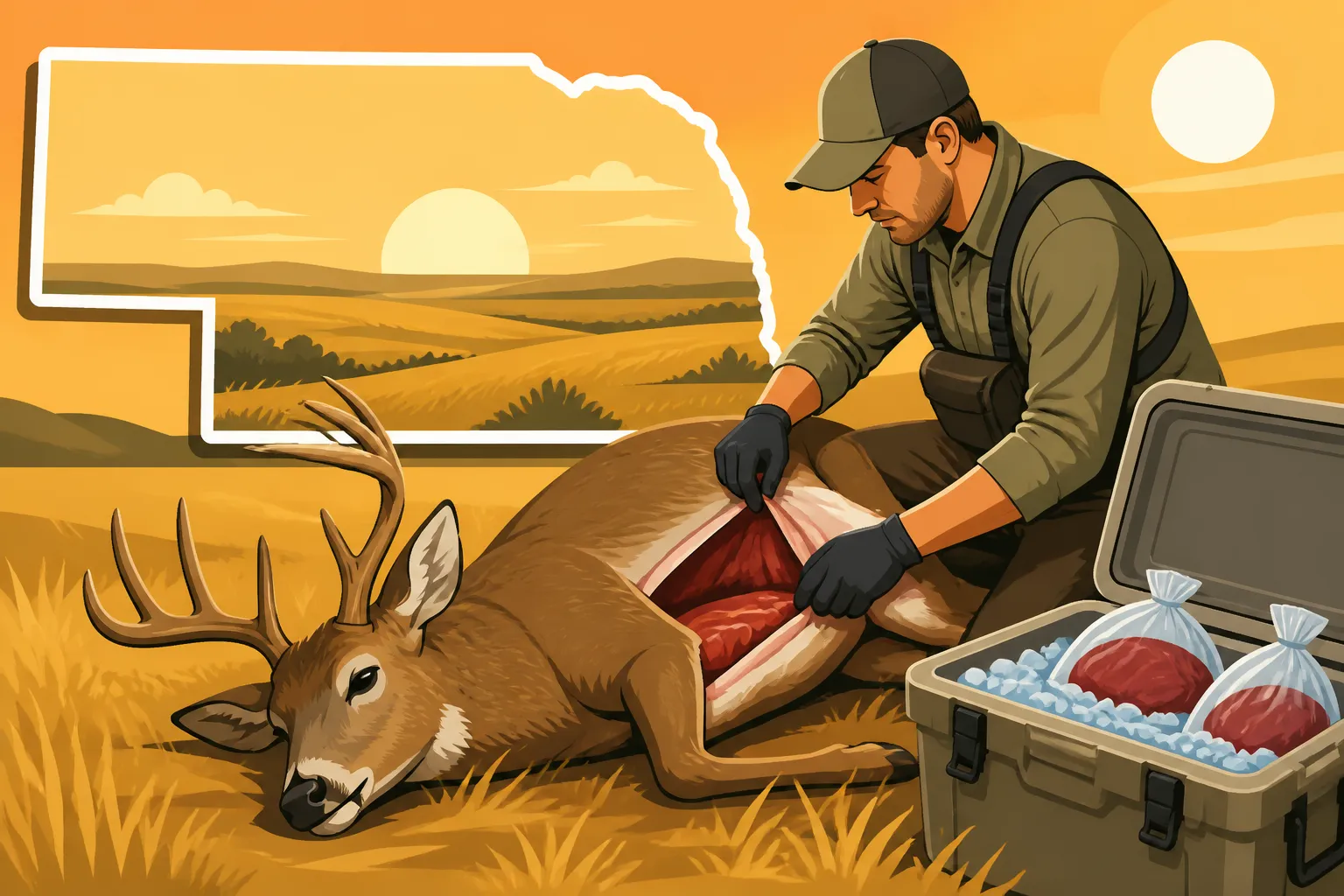
The very first action after ensuring the animal is dispatched and safe is to begin evisceration. This involves opening the body cavity and removing the internal organs. Start by making a shallow incision from the sternum (breastbone) down to the pelvis. Be careful not to puncture the stomach or intestines, as this will release digestive contents and bacteria, contaminating the meat and creating an unpleasant smell. Use your fingers to guide the blade, pushing the intestines away as you cut. For larger animals, some hunters like to use a bone saw to cut through the sternum, opening the chest cavity wider.
Once the cavity is open, reach in and sever the trachea and esophagus as far forward as possible, then carefully pull out all the internal organs. This includes the heart, lungs, liver, stomach, and intestines. Work quickly and methodically. Once everything is out, roll the animal onto its side to allow any remaining blood and fluids to drain. A clean cavity, free of organ mass, is critical for rapid heat dissipation. It immediately removes the largest sources of internal heat and bacteria, initiating the cooling process from the inside out.
Addressing the Body Cavity
After removing the organs, inspect the cavity for any remaining bits of tissue, fat, or clotted blood. Remove anything loose. For deer, many experienced hunters will split the pelvis to allow for better drainage and airflow. This can be done with a bone saw or a stout knife if you're skilled. This extra step further opens the rear of the animal, allowing cooler air to penetrate deeper into the hindquarters. You can also wipe down the inside of the cavity with clean paper towels or a dry rag to remove excess moisture and blood. Resist the urge to rinse the cavity with water, as introducing moisture can promote bacterial growth, especially in warm conditions.
Once the cavity is clean and as open as possible, prop it open with a stick or two. This ensures maximum air circulation. If you're hunting deer during the peak of the rut in Nebraska and the weather is unseasonably warm, this step becomes even more critical. You'll want to get as much air as possible moving through that cavity to prevent spoilage. Think about creating a "wind tunnel" through the animal’s body. Even a slight breeze will aid immensely in drawing heat away. The more exposed surface area, the faster the cooling process can occur.
The Gutless Method for Backcountry Hunts
For those deep backcountry hunts, especially if you’re Hunting Mule Deer in the Nebraska Pine Ridge or far into the Sandhills where packing out a whole animal is impossible, the gutless method is a game-changer. This technique involves removing all the prime meat from the animal without ever opening the body cavity. It’s a bit more involved but incredibly efficient for warm weather and remote locations. You essentially quarter the animal on the spot, skinning and deboning as you go, leaving the entrails intact. This minimizes exposure of the meat to bacteria from the gut pile and lightens your load significantly.
To perform the gutless method, you start by skinning one side of the animal, exposing the hindquarter, front shoulder, and backstraps. Carefully remove these muscle groups, then flip the animal over and repeat on the other side. The tenderloins can be accessed from the inside of the body cavity without completely eviscerating the animal. This method reduces the amount of time the meat is exposed to warm ambient temperatures as you're handling smaller, more manageable pieces that can be immediately placed into clean game bags. Having a sharp Field Dressing Knives Worth Carrying and understanding the anatomy makes this process much smoother. If you need a more detailed guide, searching for Bone Saws Versus the Gutless Method can offer further insights into this technique.
Aggressive Cooling Strategies Post-Field Dressing
Field dressing is only the first part of the equation. Once the guts are out, your next mission is to get that core temperature down as quickly and dramatically as possible. This is where aggressive cooling strategies come into play, especially when you're dealing with warm Nebraska days.
Air Circulation and Shade are Paramount
Immediately after field dressing, the priority shifts to maximizing air circulation and getting the animal into the deepest shade you can find. Hanging the animal, if possible, is ideal. Suspending it from a sturdy branch allows air to flow completely around the carcass, aiding in heat dissipation from all sides. If hanging isn't an option, lay the animal on its back, propping the ribcage open with sticks or logs to ensure constant airflow through the cavity. Never lay an animal directly on hot ground, as the ground will conduct heat back into the carcass.
During archery season, when temperatures can still be quite warm, finding natural shade is non-negotiable. Large cottonwoods along a river bottom or the dense cedars in the Sandhills can provide a significant temperature drop compared to direct sunlight. If natural shade isn't available, create it using a tarp, a reflective emergency blanket, or even your vehicle. Just ensure there's still plenty of airflow. A slight breeze, even a weak one, is your best friend right now. Position the animal so that any available wind can move freely through the body cavity and over the meat's surface.
Utilizing Ice and Water Effectively
While direct rinsing with water is generally discouraged, strategic use of ice is an absolute game-changer in warm weather. Once the animal is field dressed and in the shade, you want to get ice into that body cavity immediately. Fill clean plastic bags with ice and insert them directly into the chest and abdominal cavities. Ensure the ice is contained in bags to prevent water from soaking the meat directly, which can lead to bacterial growth. You can even place ice bags around the neck and hindquarters, areas that tend to retain heat. The cold from the ice will draw heat out of the surrounding tissues, rapidly dropping the core temperature.
When planning your warm weather hunt, bringing a large cooler specifically for ice is just as important as your hunting gear. If you’re preparing for an early season hunt, check out the article on Ice Requirements for Hauling a Deer for detailed planning. You might need more ice than you think, especially for a large deer. If you've quartered the animal using the gutless method, place the individual pieces of meat into game bags, and then pack them loosely into a clean cooler, surrounding them with ice packs or bagged ice. Do not allow the meat to sit in melted ice water; drain the cooler frequently. This direct cooling dramatically slows bacterial growth and is often the only way to save meat during scorching days.
Transporting Game in Challenging Temperatures
Getting your game out of the field and back to processing quickly is the final critical step. For smaller game like pheasants or ducks, a cooler with ice is usually sufficient for transport. For larger game, it gets more complicated. If you've been able to quarter the animal and pack it on ice, maintain that cool environment during transport. This is where having a reliable set of Coolers and Game Bags for a Nebraska Opener becomes incredibly beneficial.
If you must transport a whole, field-dressed deer in warm weather, do everything you can to keep it cool. Lay it on a tarp in the bed of a truck, keeping the body cavity propped open. Pack the cavity with as much bagged ice as you can fit, and cover the entire animal with a reflective tarp or blanket to shield it from direct sunlight and radiant heat from the road. Keep windows down if in a cab or ensure airflow in the truck bed. If you have a long drive ahead of you, consider making a stop for more ice. Remember, the goal is to keep that meat as cold as possible until it reaches a processor or your home for further breakdown. If you are ever in doubt about the condition of the meat, it’s always better to err on the side of caution. For example, if you're trying to figure out Recovering an Antelope in Warm Weather, swift, iced transport is usually key.
Post-Harvest Care and Butchering Considerations
The effort doesn't stop once the animal is out of the field. What you do in the hours and days following the harvest, especially when it's warm, is just as important to the final quality of your meat.
Aging Game in Warm Climates (or lack thereof)
Aging game meat, typically done by hanging it in a controlled environment at temperatures just above freezing for several days to a week, helps tenderize the meat and develop flavor. However, in warm climates, traditional dry aging is often not an option. The risk of spoilage far outweighs any potential benefits. Attempting to age meat at temperatures above 40°F (4°C) is a recipe for disaster, as it provides a perfect breeding ground for bacteria.
In Nebraska, if you harvest an animal in warm conditions, your best bet is to forgo traditional aging. Instead, focus on rapid cooling and prompt processing. If you have access to a walk-in cooler or a large commercial refrigerator that can consistently maintain temperatures between 34-38°F (1-3°C), then a very short aging period (24-48 hours) might be feasible for larger cuts, but this is rare for most hunters immediately after harvest. For the vast majority of warm weather harvests, think "cool and cut quickly" rather than "age."
Processing Your Harvest Promptly
Once your game is back at your home or a processing facility, the race continues. The goal is to get that meat broken down into manageable cuts, vacuum-sealed or freezer-wrapped, and into the freezer as quickly as possible. This means having your butchering area clean and ready, with all necessary tools like sharp knives, a cutting board, and packaging materials at hand. If you’re processing at home, ensure your workspace is cool and hygienic.
Don’t delay processing. Even if the carcass has been well-iced during transport, bacterial growth will resume once the ice melts and temperatures rise. The sooner you can get individual cuts separated, trimmed, and packaged, the better the quality and longevity of your meat. This might mean dedicating an entire evening or day to processing immediately after a warm weather hunt, even if you’re exhausted. It's the final, crucial step in respecting the animal and ensuring your hard-earned venison, elk, or antelope makes it to your dinner plate. Knowing about Freezing and Shipping Game Meat can also help if you plan to send some meat to friends or family.
Preventing Contamination and Spoilage
Throughout the entire process, from field dressing to final packaging, maintaining cleanliness is paramount to preventing contamination and spoilage. Always use clean knives and tools. If you drop a knife or it becomes excessively dirty, clean it thoroughly before continuing. Change gloves if they become soiled, especially if you’ve handled internal organs. Keep your hands, clothing, and workspace as clean as possible.
When handling meat, avoid direct contact with dirt, dust, or hair. Use game bags to protect the meat from flies and debris. Flies, in particular, can lay eggs that quickly hatch into maggots, even on relatively cool meat. If you notice any questionable spots on the meat, such as discolored areas or an off-smell, trim them away aggressively. When in doubt, throw it out. It's better to lose a small portion than risk consuming contaminated meat. Remember to adhere to Nebraska’s Carcass Transport Rules Out of Nebraska, especially concerning CWD, which often includes requirements for removing specific parts of the carcass before leaving the state.
Disclaimer
Please note: Hunting regulations and best practices can change. Always consult the latest Nebraska Game and Parks Commission regulations before heading afield. This guide provides general information and should not replace official guidelines or professional advice.