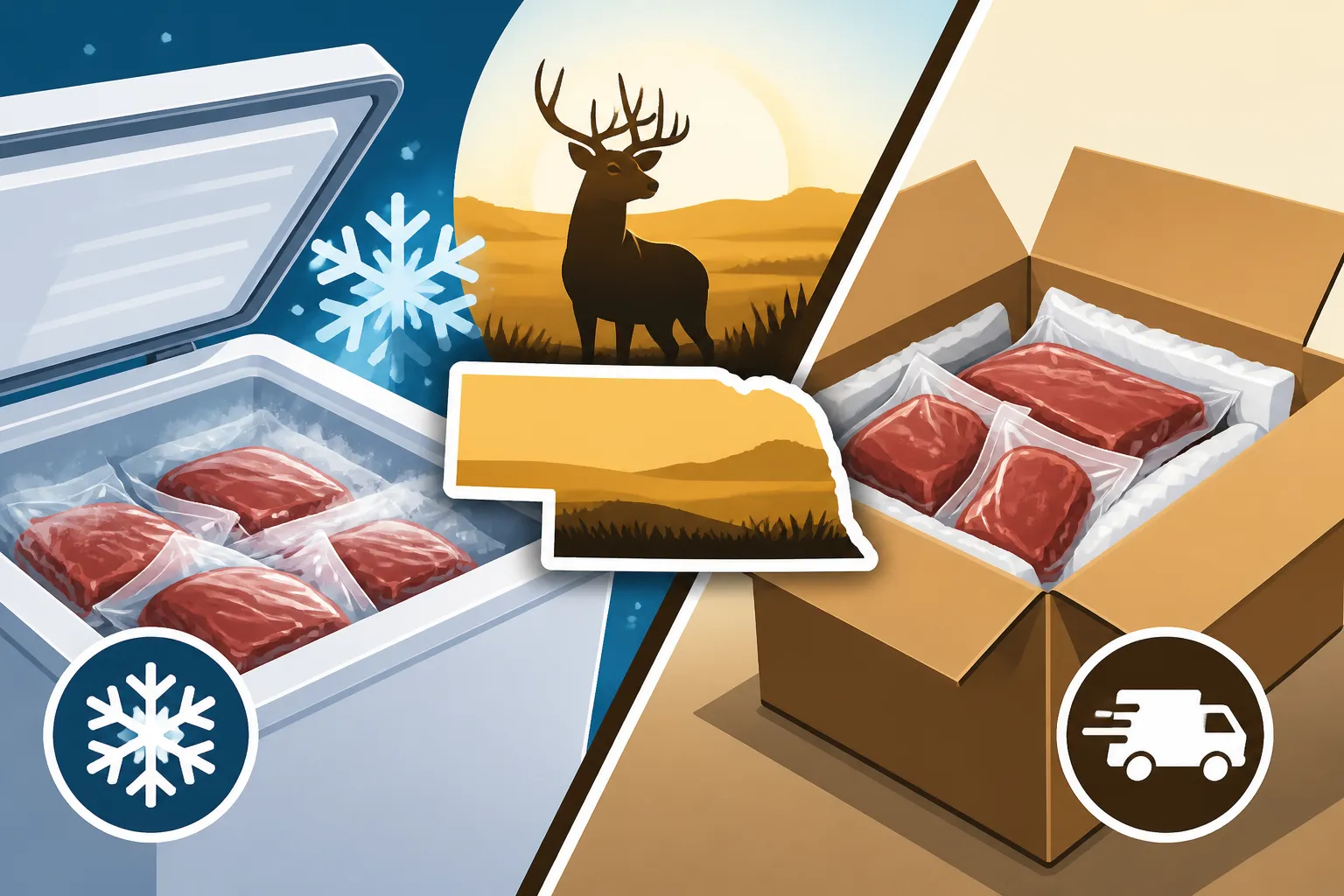
Freezing and Shipping Game Meat
After a successful hunt in Nebraska, whether you've downed a magnificent whitetail in the river bottoms or put a limit of pheasants in the bag out west, the excitement quickly gives way to a practical challenge: how do you get all that hard-earned game meat home, fresh and safe, especially if home is hundreds of miles away? The thought of all that delicious protein spoiling, or running afoul of transport regulations, can be a real headache. This guide will walk you through the essential steps for properly freezing and safely shipping your wild game, ensuring your freezer is stocked with memories and meals.
The Foundation: Proper Field Care and Freezing for Lasting Quality
The journey of your game meat from field to plate begins the moment the animal is down. All the fancy freezing and shipping in the world won't make up for poor initial care. Many hunters overlook this critical first step, leading to disappointment down the line. You've worked hard for your harvest; let's make sure it tastes as good as the memory of the hunt itself.
Quick Chilling and Cleaning Your Harvest
Temperature is the enemy of fresh meat. The faster you can cool down your animal's core temperature, the better the quality of the meat will be. This is especially true if you're hunting during warmer early archery seasons or even a mild November firearm season. Don't underestimate how quickly bacteria can multiply in warm conditions.
For big game like deer or antelope, this means Field Dressing and Cooling Game in Warm Weather immediately. Get those guts out, and if you can, split the sternum and pelvis to allow for maximum airflow. Prop the cavity open with a stick. Some hunters even fill the cavity with ice bags if they're close to a cooler and ice source, though this requires careful management to prevent water from soaking the meat. For smaller game like pheasants or ducks, getting them breasted out and into a cooler on ice within an hour or two is ideal. Once back at camp or home, meticulous cleaning is next. Remove all hair, dirt, blood clots, and bruised or damaged meat. These seemingly small imperfections can significantly impact the flavor and longevity of your frozen meat. Take your time, trim carefully, and rinse quickly if necessary, but avoid prolonged soaking which can degrade meat quality.
Breaking Down and Packaging Your Meat
Once cleaned, it's time to break down your animal into manageable cuts. This step is where many hunters realize the sheer volume of meat they've acquired! Whether you opt for roasts, steaks, grind, or stew meat, consistency in cut size helps with even freezing and thawing later. For birds, separating breasts and legs is common. If you're planning on sending some of it to a processor, make sure they understand your intentions for freezing and shipping, as their packaging might differ.
When it comes to packaging, you have a few options, each with its pros and cons. The ultimate goal is to protect the meat from freezer burn, which happens when air comes into contact with the meat's surface, drying it out and degrading its flavor and texture.
| Packaging Method | Pros | Cons | Ideal Use Case |
|---|---|---|---|
| Vacuum Sealing | Excellent protection against freezer burn | Requires a vacuum sealer; bags can be costly | Long-term storage, high-quality preservation, shipping |
| Freezer Paper | Inexpensive, readily available, good short-term protection | Can get freezer burn if not wrapped properly or stored too long | Shorter-term storage (6-9 months), budget-conscious |
| Freezer Bags (heavy duty) | Convenient, easy to use, decent protection | Less effective than vacuum sealing over long periods | Short-to-medium term storage, ground meat |
| Water Submersion | Excellent for preserving fish and small birds | Requires a container, limited to specific meat types | Fish fillets, small whole birds |
Vacuum sealing is, hands down, the best option for long-term storage and for meat you intend to ship. It removes virtually all air, creating an airtight seal that can keep your meat fresh for a year or more. Investing in a good vacuum sealer will pay dividends in preserving your harvest. Make sure each package is clearly labeled with the type of meat (e.g., "Whitetail Backstrap," "Pheasant Breast"), the date, and ideally, the cut weight. This makes meal planning much easier later on.
Preparing Your Game for the Journey Home
Once your meat is properly frozen and packaged, the next hurdle is getting it safely to its final destination. This often involves careful planning, especially for hunters traveling long distances or across state lines. Understanding Carcass Transport Rules Out of Nebraska and Nebraska Deer Transport Requirements is crucial.
Keeping It Cold: The Essential Role of Coolers and Ice
For any length of travel, a high-quality cooler is your best friend. Forget those flimsy picnic coolers; you need something that can maintain consistent, sub-freezing temperatures for extended periods. Rotomolded coolers from brands like Yeti, RTIC, or Orca are excellent choices, but even a well-insulated standard cooler packed correctly can do the job for a day or two.
When packing, think layers. Start with a layer of ice (block ice lasts longer than cubes) at the bottom. Place your frozen, vacuum-sealed meat packages on top, packing them tightly to minimize air pockets. Fill any remaining space with more ice. Dry ice is another excellent option, especially for very long trips or if you're worried about keeping things frozen solid. Dry ice is significantly colder than water ice and will keep your meat frozen hard. However, it requires careful handling (wear gloves!) and proper ventilation, as it releases carbon dioxide. Never put dry ice in an airtight container. If you're using dry ice, place it on top of your meat, as cold air sinks. For big game, consider what you'll use for Getting a Deer Out of a Nebraska Sandhills Basin and plan your cooler setup from there. You might need multiple coolers if you've harvested a large animal.
Navigating State Lines: Regulations and Documentation
Crossing state lines with wild game means you need to be aware of regulations in both the state where you hunted and the state you're traveling through, and your home state. Most states require you to present proof of legal harvest, such as your hunting permit or tag. Always keep your hunting license and tags readily accessible.
Some states have specific rules about transporting certain parts of an animal, particularly concerning Chronic Wasting Disease (CWD). For example, many states restrict the transport of brains, spinal cord, and other lymph tissues from cervids (deer, elk, moose) out of CWD-positive areas. Nebraska has CWD in certain areas, so be sure to check the latest regulations from the Nebraska Game and Parks Commission before you leave. Often, boned-out meat, capes, and antlers (skull plates cleaned of all tissue) are generally permissible. Always err on the side of caution and consult official state wildlife agency websites or call them directly if you're unsure. This research is just as important as checking the weather forecast before your hunt; it's part of being a responsible hunter.
Shipping Game Meat: Logistics for Out-of-State Hunters
For many nonresident hunters, driving hundreds or thousands of miles with coolers full of meat just isn't feasible. That's where shipping comes in. While it adds a layer of complexity and cost, it's a reliable way to get your harvest home.
Choosing Your Shipping Carrier and Understanding Their Rules
When it comes to shipping frozen meat, major carriers like FedEx and UPS are usually your go-to options. However, they have specific requirements you must follow. Failure to do so can result in delays, spoilage, or refusal of your package.
Key considerations for shipping with common carriers:
- Packaging: This is paramount. You'll need sturdy, insulated shipping containers, often made of thick-walled Styrofoam, inside a durable cardboard box. These are designed to maintain temperature for the duration of transit. You can often purchase these specialized boxes from shipping supply stores or even directly from the carriers.
- Refrigerant: Dry ice is almost always the preferred choice for shipping frozen meat. You'll need enough dry ice to last for the entire transit time, plus a buffer. A general rule of thumb is about 5-10 pounds of dry ice per 24 hours of transit for a standard cooler size, but always consult the carrier's guidelines. Ensure the dry ice is wrapped in paper or placed in a bag to prevent direct contact with your meat, and be sure the container is vented to allow the carbon dioxide gas to escape safely. Never seal a dry ice package airtight.
- Labeling: Clear labeling is critical. Mark the outside of your box with "FROZEN FOOD," "PERISHABLE," and "DRY ICE" labels. Include your contact information (name, address, phone number) both inside and outside the package.
- Shipping Speed: Always opt for the fastest shipping possible, typically overnight or two-day air. The extra cost is a small price to pay compared to losing an entire cooler full of meat due to a delayed shipment. Weekend deliveries can be tricky; try to ship early in the week to avoid packages sitting in warehouses over Saturday and Sunday.
- Documentation: Keep copies of your hunting license and tags with you, and consider putting a copy inside the box with the meat, especially if you're shipping antlers or capes. While GoHunt might help you plan your travel and scouting, always refer to the specific carrier's website for their up-to-date policies on shipping perishables and dry ice.
It’s always a good idea to call your local FedEx or UPS store in advance to confirm their specific policies regarding dry ice and perishable food shipments. Some smaller locations might not handle dry ice packages, or they may have specific drop-off times.
The Role of Commercial Processors
If you're an out-of-state hunter and plan on flying, or simply don't want the hassle of field processing and packaging, consider using a commercial game processor near your hunting area. Many small towns in Nebraska have excellent local butchers who specialize in wild game. They can field dress, cut, wrap, and even prepare your meat for shipping. They often have experience with regulations and can advise you on the best way to get your meat home. This service can be incredibly valuable, especially after a tough hunt, or if you're worried about your Meat Care Gear for Warm Nebraska Openers.
For example, if you're hunting pheasants in central Nebraska, a local processor in a town like Broken Bow or Kearney might be able to handle your birds, freeze them solid, and even help arrange shipping. You'd simply pick up your frozen boxes at a designated receiving location in your home state. This takes a lot of the logistical burden off your shoulders, allowing you to focus on the hunt itself.
Troubleshooting and Best Practices for Success
Even with the best planning, sometimes things go awry. Being prepared for potential issues can save your hard-earned harvest.
What to Do if Things Go Wrong
Imagine you're driving home, and your truck breaks down. Or perhaps your flight gets delayed, and your meticulously packed cooler is sitting on the tarmac for hours. What then?
- Unexpected Delays: If you're delayed, try to find a local grocery store or gas station as quickly as possible to replenish your ice supply. If you're flying, immediately contact the airline about your perishable luggage. In extreme cases, you might need to find a local locker plant or processor who can temporarily store or re-freeze your meat. Having an emergency contact number for a meat locker in a town along your route is not a bad idea for long road trips.
- Compromised Packaging: If you notice a vacuum seal has broken, or freezer paper has torn, re-wrap or re-seal the meat as soon as possible. If it's still frozen solid, you can salvage it. If it's thawed and the packaging is compromised, you might need to process it immediately upon arrival to prevent spoilage.
- Partial Thawing: If your meat partially thaws during transit but still feels icy cold to the touch and has no off-odors, it can usually be refrozen. However, the quality might be slightly reduced. If it has fully thawed and been warm for an extended period, or if there's any questionable smell or appearance, it's best to err on the side of caution and discard it. Remember, food safety is paramount.
Critical Tips for a Smooth Process
Preparation and attention to detail are your best allies when preserving and transporting game meat.
- Pre-Freeze Everything: Before packing for a trip, ensure all your meat is frozen solid. This isn't just "mostly frozen"; it needs to be rock-hard. The colder the meat starts, the longer it will stay frozen.
- Pack Tightly: Whether in a cooler or a shipping box, pack meat as tightly as possible. Less air space means less temperature fluctuation.
- Label Clearly and Completely: Don't just write "Deer" on a package. Specify the cut, the date, and whether it's buck or doe. This helps with inventory and allows you to prioritize older meat.
- Know Your Regulations: This cannot be stressed enough. Check Nebraska's regulations for Nebraska Deer Tagging and Checking Rules and Nebraska Deer Transport Requirements, and also consult the wildlife agencies of any states you'll be traveling through or to. Regulations can change, so always check before each hunting season. For specific unit information or season dates, resources like GoHunt can be useful for planning, but always cross-reference official state publications.
- Consider a Logistics Partner: For high-value hunts or very large harvests (like elk, though Nebraska's elk permits are limited to residents), consider a specialized game shipping service. These companies handle all the dry ice, packaging, and carrier logistics for you, ensuring your trophy and meat arrive safely.
By following these guidelines, you can ensure that the delicious bounty of your Nebraska hunt makes it home safely, ready to be enjoyed with family and friends. There's nothing quite like sharing a meal of wild game, knowing you harvested it yourself, and knowing you put in the effort to care for it properly from the field to your plate.
Disclaimer
This article is for general informational purposes only and does not constitute professional advice. Laws, prices and regulations vary by location and change over time. Consult a qualified professional for guidance on your specific situation.