Decoy Spreads for Rainwater Basin Geese
For any goose hunter making the pilgrimage to Nebraska's famed Rainwater Basin, the sheer vastness of the sky and the endless acres of corn stubble can feel both exhilarating and incredibly daunting. You know the geese are there, sometimes by the thousands, but getting them to commit to your spread can be a maddening puzzle. This guide is all about cracking that code, diving deep into the art and science of decoy spreads specifically tailored for the unique challenges and incredible opportunities of hunting geese in this iconic Nebraskan landscape.
Understanding the Rainwater Basin Goose Hunter's Challenge
Hunting geese in the Rainwater Basin isn't just another goose hunt; it's an experience defined by a specific geography and the immense numbers of birds that migrate through it. This isn't timber hunting or small-pond shooting. This is wide-open country, demanding a different approach to your decoy setup.
The Landscape of the Rainwater Basin
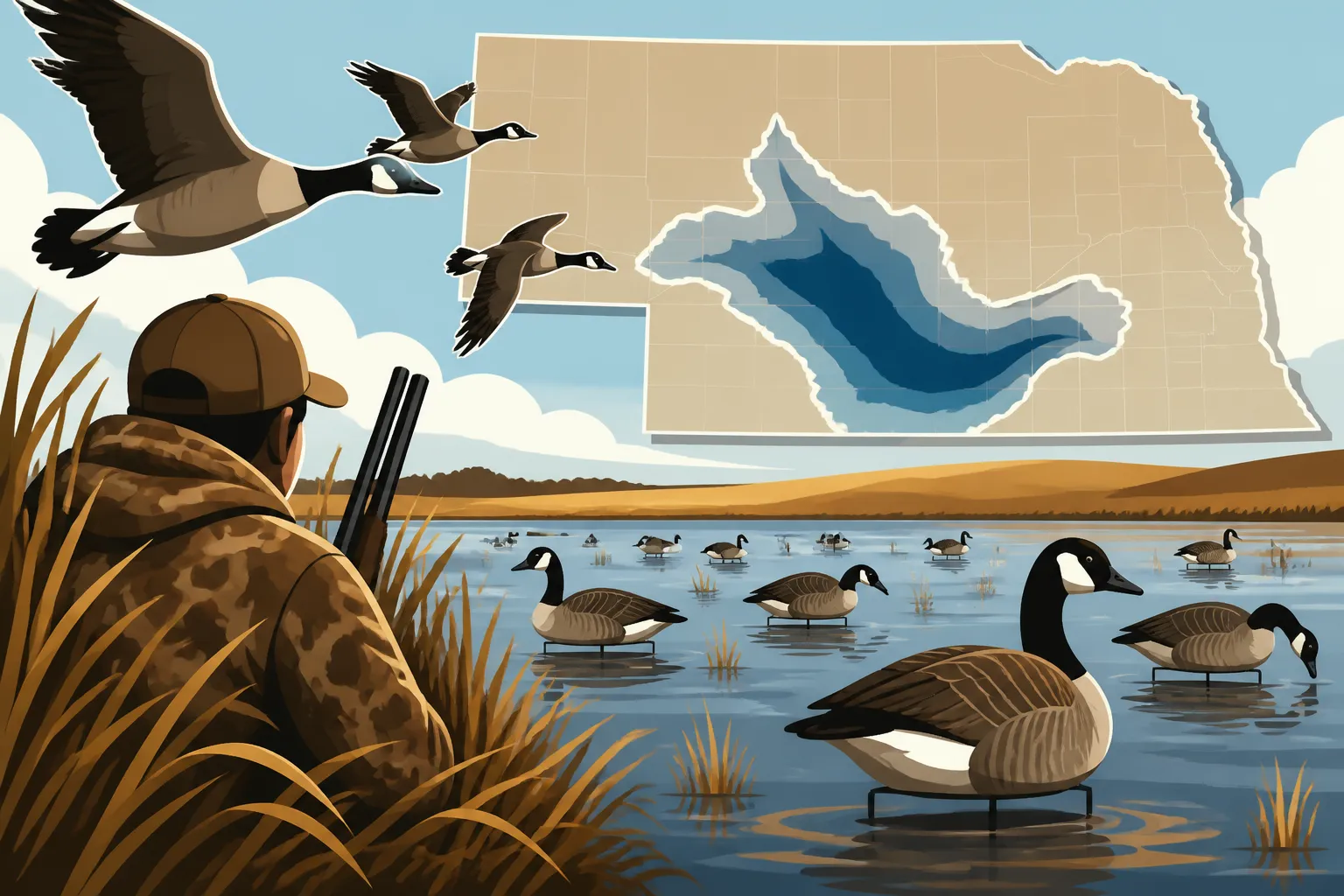
The Rainwater Basin is a truly unique ecological region, characterized by thousands of shallow, temporary wetlands—the "basins" themselves—scattered across a flat, agricultural landscape. These wetlands act as critical staging and refueling areas for millions of migratory birds along the Central Flyway, including a tremendous number of geese. When you're hunting here, you're often setting up in a harvested corn, bean, or milo field that might be miles from the nearest roosting water. The flat terrain means that geese can see for miles, and they've learned to be incredibly wary, especially as the season progresses. This visibility makes your decoy spread not just important, but absolutely critical to drawing birds in close.
Primary Goose Species and Their Behavior
While you might encounter several species, the primary targets in the Rainwater Basin are typically Canada geese, with significant numbers of White-fronted geese and, during the conservation order, Snow geese. Each species has its own quirks and behaviors that can influence your decoy spread. Canada geese, often the most common target, tend to be the most wary. They fly in family groups or small gaggles, often circling multiple times before committing. White-fronted geese, or "specs" as they're affectionately known, can be a bit more aggressive to a good call, but also have a distinct flight pattern. Snow geese, especially during the spring conservation order, can be overwhelming in their numbers, but also incredibly difficult to fool due to their sheer numbers and inherent caution. Understanding their typical flight paths, feeding habits, and social structures is the first step in designing an effective spread. These birds have specific patterns, like their daily flights from roosts to feeding fields, which keen observation can reveal. Knowing these patterns will help you determine the best location to set up your spread and how to orient it.
Essential Elements of Effective Decoy Spreads
No matter the species or the specific spread pattern you're aiming for, certain fundamental principles underpin all successful decoy setups in the Rainwater Basin. These aren't just suggestions; they are non-negotiable aspects of a productive hunt.
Concealment and Blind Placement
In the wide-open expanse of a Nebraska field, your concealment is paramount. Geese have incredible eyesight, and if they spot anything out of place—a hunter, a shiny blind, or an unnatural shape—they're simply not coming in. Your layout blind needs to be impeccably brushed in. This isn't just about throwing a few cornstalks on top; it's about making your blind disappear into the natural contours and colors of the field. Many hunters in the Rainwater Basin utilize natural cover, digging into terraces or existing low spots in the field, or placing blinds along the edges of standing vegetation or old fencelines if available. Remember that even small details matter: a glint of sunlight off a gun barrel or an uncovered face can flare an entire flock. Positioning your blinds within the decoy spread, rather than off to the side, helps them blend in, making them part of the "flock" on the ground. When planning your hunt, consider checking resources like the Nebraska Public Access Atlas to find suitable public land, and then use mapping tools to scout for natural concealment.
Wind Direction and Goose Approach
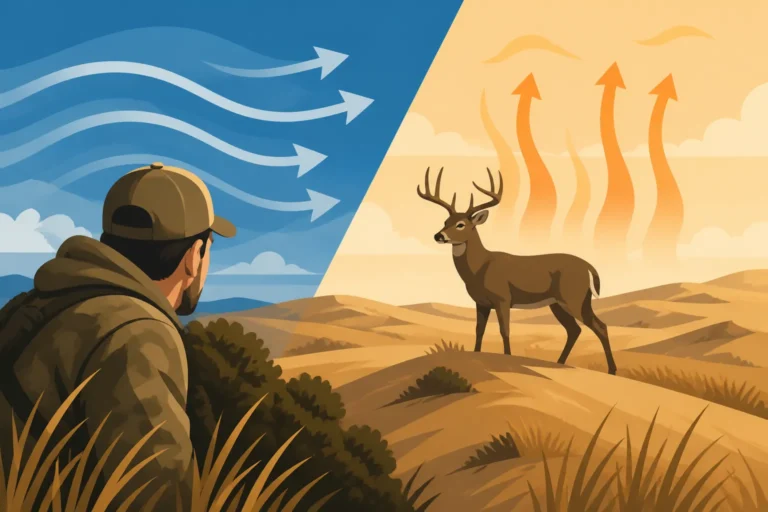
Wind is the goose hunter's best friend and worst enemy, and it dictates everything about your spread. Geese, like all birds, prefer to land into the wind. This means your landing zone—the open area you want the geese to drop into—must be directly downwind of your main decoy spread. The wind helps them slow down, control their descent, and maintain balance. If you're setting up a spread, always consider where the prevailing wind is coming from. Place the bulk of your decoys upwind, creating a funnel or pocket downwind where you and your blind are positioned. This forces the geese to fly over your decoys, offering closer shots, and brings them into the wind directly in front of you. A common mistake is not accounting for shifting winds throughout the day, especially if you're out for a long hunt. Always have a plan B, or be prepared to adjust your spread's orientation if the wind changes direction significantly. This is why thorough scouting, especially observing how birds approach fields under different wind conditions, is so valuable.
Goose Decoy Types and Their Strategic Use
The world of goose decoys offers a vast array of options, each designed to serve a specific purpose in your spread. Choosing the right mix and deploying them strategically can make a significant difference in your success rate.
Full-Body Decoys and Silhouettes
Full-body decoys are the gold standard for many goose hunters, and for good reason. They offer incredible realism, both in shape and texture, providing that three-dimensional look that convinces wary geese there's a real flock on the ground. In the Rainwater Basin, where visibility is so high, the realism of full-bodies can be crucial. They create natural shadows and appear "alive" from a distance. However, full-bodies are bulky, expensive, and take more time to set up and pick up.
Silhouettes, or "silos," offer a fantastic balance of portability, affordability, and effectiveness. While two-dimensional, modern silhouettes often have highly realistic photographic printing and matte finishes that prevent glare. When viewed from above, especially with a bit of a breeze making them sway slightly, they can look surprisingly convincing. Many successful Rainwater Basin hunters use a combination: a core of highly realistic full-body decoys around the landing zone and blinds, augmented by a much larger number of silhouettes extending outwards to create the illusion of a massive flock. This strategy allows you to cover a larger area and achieve the numbers effect without breaking your back or your bank account.
Motion Decoys and Flagers
Adding motion to your spread is often the secret sauce that takes it from good to great. Geese are constantly moving—feeding, stretching, flapping their wings—and a completely static spread can look unnatural, especially on a calm day. Motion decoys, such as those with spring-loaded heads that bob in the wind or battery-operated flappers, replicate this natural movement. They catch the eye of distant birds and convey a sense of activity and safety.
Flagging, which involves using a hand-held flag designed to mimic flapping goose wings, is another highly effective form of motion. It's an active technique, requiring the hunter to pay attention and "work" the flag at the right moments. A few short, sharp flags as geese are approaching can simulate birds dropping into the field, grabbing their attention and signaling "all clear." As they get closer, subtle flagging can indicate contented feeding birds. Just be careful not to over-flag or flag at the wrong time, as it can look unnatural and scare birds away. The goal of motion is to create the illusion of a lively, secure feeding area, not a frantic panic.
Specific Decoy Spreads for Different Scenarios
While the core principles remain, the precise arrangement of your decoys needs to be adaptable. Different situations call for different formations, and having a few go-to patterns in your playbook will make you a more versatile and successful hunter in the Rainwater Basin.
The Classic "J" or "U" Spread
This is arguably the most common and effective goose decoy spread, especially for Canada geese and White-fronts. The "J" or "U" shape is designed to create a natural-looking funnel with a clear landing zone. You place the bulk of your decoys, often full-bodies and more realistic silhouettes, upwind and along the "arms" of the J or U. The open part of the "J" or "U" faces downwind, forming your landing hole, with your blinds positioned subtly within or just at the edge of this landing area.
The "long arm" of the J is typically extended further upwind, creating a visual beacon for distant birds. The "short arm" or the curve of the "U" acts as a natural barrier, subtly guiding geese into the desired landing zone. This spread works because it mimics how geese naturally land: they circle, approach into the wind, and drop into an open, inviting space within the flock. By carefully placing your blinds at the curve or base of the "J," you ensure that incoming geese are landing directly in front of you, often presenting broadside or slightly quartering shots. This is a foundational spread, perfect for early season or less pressured birds. For specific guidance on how to deploy this in a field, you might want to look into Setting a Goose Spread in Harvested Corn.
Aggressive Feeding Spreads
Sometimes, you need to convey a sense of urgency and intense activity to draw in wary birds, especially when dealing with pressured geese or larger flocks. An aggressive feeding spread aims to do just that. Instead of a distinct "landing hole," these spreads often feature more haphazard groupings of decoys, mimicking a flock that has just dropped in and immediately started feeding. You'll want a higher ratio of active, feeding posture decoys (heads down) mixed with a few sentry (heads up) decoys to imply security.
To achieve this, you might break up your typical "J" into several smaller, irregular clusters, with open lanes between them that act as landing zones. Incorporate more motion decoys, like "feeding flags" that simulate birds digging for grain, and be more active with your hand flagging. The goal is to make it look like a prime feeding location where birds are eager to get to the food. This type of spread works particularly well when scouting has shown heavy feeding activity in a specific area, and you want to capitalize on that intense focus. Using mapping tools, such as those offered by GoHunt, can help you analyze aerial photos to identify these prime feeding areas and existing travel corridors.
Loafing and Resting Spreads
Not all goose hunts are about immediate feeding. Sometimes, particularly later in the morning or on days with light hunting pressure, geese may be looking for a safe place to "loaf"—to rest, preen, and socialize after an initial feed. A loafing spread is designed to convey this relaxed atmosphere. These spreads will feature a higher percentage of decoys in resting, sleeping, or preening postures. The spread itself tends to be looser, more open, and less structured than a tight feeding spread.
Place decoys in small, scattered groups, often near the edge of a field or a slight rise, mimicking how geese often congregate when not actively foraging. The landing zone should be very open and inviting, suggesting a peaceful environment. Blinds should be positioned carefully, allowing incoming birds a wide-open approach. While not as common for prime feeding times, a loafing spread can be incredibly effective on those days when birds aren't hammering the fields but are looking for a secure spot to pass the mid-day hours. This can be especially useful for Hunting Rainwater Basin Wetlands where birds might be utilizing smaller water bodies to rest.
Small Spreads for Less Pressure or Scouting
Sometimes, less is more. For solo hunters, small groups, or when hunting highly pressured birds, a minimalist spread can be surprisingly effective. Instead of deploying hundreds of decoys, you might focus on a core group of 12-24 ultra-realistic full-bodies, perhaps supplemented by a dozen or so silos. The key here is hyper-realism and impeccable hide.
The arrangement would still follow the wind principles, perhaps a very tight "U" or even just a small cluster with a clear landing zone directly into the wind. The emphasis shifts from sheer numbers to perfect concealment, calling, and reading the birds. This approach is also excellent for scouting new areas or if you only have a short window to hunt. It's less labor-intensive and allows for quicker relocation if the birds aren't cooperating. This strategy can be particularly potent when trying to decoy a lone gobbler using Calling Spring Gobblers in Nebraska Timber, where realism and minimal intrusion are key, though for geese the numbers are still a factor to a degree. The idea is to appear as a small, content group that's safe to join, rather than a massive, intimidating flock.
| Decoy Type | Advantages | Disadvantages | Best Use Case |
|---|---|---|---|
| Full-Body | Max realism, 3D appearance, natural shadows | Bulky, heavy, expensive, slow setup/pickup | Core of spread, close to blinds, high-visibility |
| Silhouettes | Portable, affordable, quick setup, good numbers | 2D, less realistic up close | Bulk numbers, extended wings of spread, distant appeal |
| Shells | Portable, stackable, cheaper than full-body | Less realistic than full-body, prone to glare | Large numbers, cost-effective filling out spreads |
| Socks/Flags | Ultra-portable, lightweight, motion | Less realistic, can look unnatural if misused | Snow geese, mass numbers, creating widespread motion |
| Motion | Adds critical realism, catches eye | Can be expensive, battery-dependent, fragile | Enhancing realism, drawing attention, calm days |
Adapting Your Spread to Changing Conditions
The Rainwater Basin is a dynamic environment, and successful goose hunting demands flexibility. What worked yesterday might not work today, and what works at dawn might not work at noon. Being able to adapt your decoy spread is a hallmark of a seasoned hunter.
Responding to Hunting Pressure
Geese are intelligent birds, and they learn quickly. As the season progresses and they encounter more hunting pressure, they become warier and more difficult to decoy. Early in the season, big, bold spreads might work wonders. However, later on, those same spreads might be too obvious. When pressure is high, consider scaling back your spread, making it look smaller and more natural. This is where those minimalist spreads can shine, focusing on ultra-realism rather than sheer numbers. You might also need to shift your location entirely. Geese will often abandon fields that receive too much pressure, moving to areas with less human disturbance. Utilizing tools like GoHunt can help you identify public land areas that might be overlooked, or private land access that experiences less pressure. Pay attention to how the birds are reacting; if they're flaring at 200 yards, your spread is too aggressive, too unnatural, or your concealment isn't good enough. Sometimes, simply changing the shape of your spread, from a "J" to a more dispersed "feeding frenzy," can make the difference if birds are recognizing common patterns.
Weather and Migratory Shifts
Weather plays an enormous role in goose behavior and migration. Cold fronts, snow, and strong winds can dramatically change how and where geese feed and fly. During periods of active migration, especially with a strong north wind, you might see a constant flow of new, less pressured birds. In these situations, a larger, more aggressive spread can often pull birds from high altitudes.
Conversely, during prolonged periods of mild weather or heavy hunting pressure, resident birds might become incredibly wary. In these cases, you might need to adjust your spread to mimic a small, contented family group. When a fresh blanket of snow hits, ensure your decoys are clear and visible. Consider adding more motion, as geese moving against a white backdrop are highly visible. Strong winds, typical of the Nebraska plains, can make decoys sway wildly, sometimes looking unnatural. Use heavier stakes or anchoring systems to keep your full-bodies stable. Conversely, on dead-calm days, the lack of motion can be a problem; this is when motion decoys and aggressive flagging become absolutely critical. Always check the forecast and have a plan for how you'll adjust your spread based on the wind, temperature, and precipitation.
Optimizing Your Rainwater Basin Goose Hunt Beyond Decoys
While decoy spreads are crucial, they are just one piece of the puzzle. Truly successful goose hunting in the Rainwater Basin integrates calling, meticulous scouting, and proper location selection to create an irresistible overall presentation.
Calling Strategies to Complement Your Spread
A perfect decoy spread is still only half the battle without effective calling. Your calls should match the visual story your decoys are telling. If you have an aggressive feeding spread, your calling should be enthusiastic and urgent, with lots of clucks, murmurs, and excited greetings. If it's a relaxed loafing spread, your calling should be softer, more intermittent, with contented moans and single clucks. The goal is to make the geese believe what they see is real, and the calls are the soundtrack to that reality.
Listen to the geese as they approach. Are they honking back aggressively? Are they silent and cautious? Adjust your calling volume and intensity accordingly. When geese are far out, louder hail calls are appropriate to get their attention. As they get closer, switch to softer, more contented clucks and moans to draw them in. Resist the urge to overcall. Many hunters call too much, especially when birds are working in. Once they're committed and turning, often a few soft clucks are all you need. Consider learning how to use different calls for different species; a good White-front call can be incredibly effective when those birds are around.
Scouting and Location Selection
This is perhaps the single most important factor, even more so than the decoys themselves. You can have the most expensive, elaborate decoy spread in the world, but if you're not where the geese want to be, you won't kill birds. Scouting in the Rainwater Basin means spending time driving backroads, using good optics to locate feeding fields, and observing flight patterns. Look for fresh droppings, disturbed stubble, and actual geese feeding in fields. Pay attention to the types of fields they're in—corn, beans, milo—and the specific areas within those fields they prefer.
Once you identify a hot field, observe their entry and exit routes. Where are they crossing roads? What's the prevailing wind when they feed there? This reconnaissance will tell you exactly where to set up your spread. Don't be afraid to move if your chosen spot isn't producing. Geese are creatures of habit, but those habits can shift daily. Rely on resources like the Nebraska Public Access Atlas and even satellite imagery from tools like GoHunt to narrow down potential scouting locations and identify key features like wetlands, shelterbelts, and drainages that might hold birds. Your success hinges on being in the right place at the right time. Being able to read Reading Roost-to-Field Flight Lines is a crucial skill for this.
Disclaimer
Hunting is an inherently dangerous activity. Always prioritize safety, follow all local, state, and federal hunting regulations, and obtain proper licenses and permits before heading afield. The information provided here is for educational and entertainment purposes only and should not be considered a substitute for professional instruction or adherence to official guidelines. Be aware of your surroundings, practice ethical hunting, and respect wildlife.