Bow Cases for Travel to Nebraska
Oh, the sheer stress of planning a hunting trip to Nebraska, especially when you're bringing along your most prized possession: your bow. You've spent countless hours practicing, tuning, and maybe even dreaming of that perfect shot on a Sandhills mule deer or a river-bottom whitetail. The last thing you want is for that finely tuned instrument to arrive damaged, jostled, or worse, lost in transit. This guide is all about giving you peace of mind, delving deep into how to choose the best bow case and prepare your equipment for a seamless journey to the Cornhusker State.
The Non-Negotiable Necessity of a Quality Bow Case for Nebraska Adventures
Let's be real, your bow isn't just a piece of equipment; it's an extension of your passion, an investment of time, money, and dedication. When you're traveling, especially over long distances or through airports, it faces potential hazards that could severely impact your hunt before you even string an arrow. Think about it: luggage handlers aren't always gentle, vehicle trunks can turn into a tumble-dryer on rough roads, and even a simple accidental bump can throw off your carefully set pins.
A cheap, flimsy case might seem like a way to save a few bucks, but it's a false economy. A cracked limb, a bent cam, or a misaligned sight housing due to inadequate protection can completely derail your hunting plans. Imagine arriving at your destination, eager to hit the field, only to discover your bow needs major repairs or re-tuning. That's a heartache and a logistical nightmare no hunter wants to face, especially when precious hunting days are ticking away. Investing in a quality bow case isn't an extravagance; it's essential insurance for your hunting trip and your equipment.
Protecting Your Investment from the Elements and the Unexpected
Nebraska weather can be notoriously unpredictable. A beautiful, sunny autumn morning can quickly turn into a driving rainstorm, or a dusty prairie road can kick up enough grit to fill every crevice of your vehicle. A robust bow case protects your gear not just from physical impacts but also from the elements. Dust, moisture, and extreme temperature fluctuations, if not mitigated, can affect string performance, cam integrity, and even the finish of your bow.
Furthermore, a well-designed case offers an added layer of security. While no case is completely theft-proof, a sturdy, lockable case acts as a significant deterrent and provides critical peace of mind when your bow is out of your sight, whether it's in the bed of your truck overnight or waiting at the airport carousel. When you're focused on Scouting Nebraska Public Ground Before Opening Day or planning your strategy, the last thing you want is to be worried about your bow's safety.
Understanding Your Options: Hard Cases Versus Soft Cases for Travel
When it comes to bow cases, you generally have two main categories: hard cases and soft cases. Each has its own strengths and weaknesses, making one more suitable than the other depending on your primary mode of travel and the level of protection you need. It's a crucial decision that can make or break your travel experience.
Hard Cases: The Ultimate Fortress
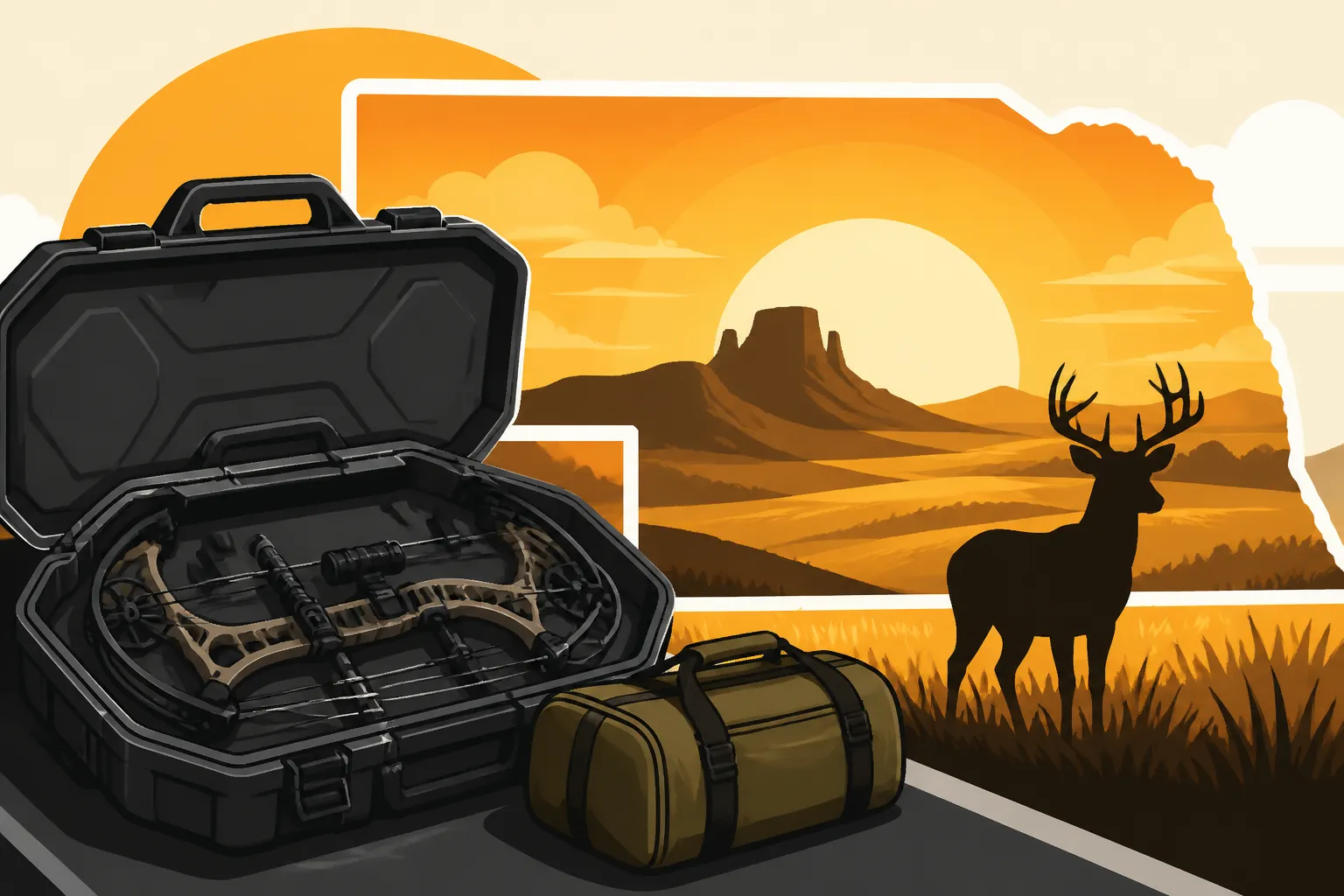
Hard cases are the undisputed champions when it comes to maximum protection. Constructed from durable, impact-resistant plastics or composites, these cases are designed to withstand crushing forces, hard impacts, and often, harsh weather conditions. They typically feature strong latches, reinforced hinges, and sometimes even pressure relief valves for air travel.
The primary benefit of a hard case is its ability to create a rigid shell around your bow, preventing any external pressure from reaching the limbs or cams. This makes them absolutely essential for air travel, where your bow will be handled by multiple people, loaded into cargo holds, and potentially subjected to significant bumps and shifts. For road trips where your bow might be bouncing around in the bed of a truck, a hard case offers superior protection against tools, luggage, or whatever else you might be hauling. Many hard cases also offer robust locking mechanisms, often TSA-approved, which is a non-negotiable requirement for flying with firearms and often recommended for bows. The peace of mind knowing your bow is secure and protected from nearly anything is invaluable.
However, hard cases come with their trade-offs. They are generally heavier and much bulkier than soft cases, consuming considerable space in a vehicle or luggage cart. Their rigid nature means they don't conform to tight spaces, and their weight can add to airline baggage fees. While they are a critical piece of gear for serious travel, they might be overkill for a quick drive to a local range or a short day hunt where your bow stays within your immediate control.
Soft Cases: Lightweight and Convenient
Soft cases, on the other hand, are designed for portability and lighter protection. Made from heavy-duty fabrics like Cordura or ballistic nylon, they often feature thick foam padding, multiple pockets, and comfortable carrying straps. These cases are fantastic for day trips, transporting your bow in the cab of your truck, or simply keeping it protected from dust and minor scratches around the house.
The advantages of a soft case are clear: they are significantly lighter, less bulky, and often easier to maneuver. Many soft cases offer ample external pockets for organizing accessories like releases, broadhead boxes, and rangefinders. For hunters who mostly travel by personal vehicle for short to moderate distances, a soft case might be perfectly adequate, offering enough padding to prevent dings and scratches from everyday handling. They can also often be stored more easily when not in use, folding or collapsing to take up less space.
The main drawback, however, is their limited protection against heavy impacts or crushing forces. While the padding helps with minor bumps, a soft case won't prevent your bow from being damaged if something heavy falls on it or if it gets caught under other luggage. They are generally not recommended for air travel due to the lack of structural rigidity needed to protect against the rigors of baggage handling. For serious travel, especially if it involves checking your bow, a soft case simply doesn't provide the level of security and protection needed.
Here’s a quick comparison to help visualize the differences:
| Feature | Hard Case | Soft Case |
|---|---|---|
| Protection | Excellent (impact, crushing, weather) | Good (scratches, minor bumps, dust) |
| Air Travel | Highly Recommended/Required | Not Recommended |
| Vehicle Travel | Excellent (truck bed, long distances) | Good (cab, short distances, light loads) |
| Security | High (robust latches, lockable) | Moderate (zippers, lighter materials) |
| Weight | Heavier | Lighter |
| Bulk | Bulky, rigid | Less bulky, often more flexible |
| Cost | Generally higher | Generally lower |
| Accessory Pockets | Often internal mesh or minimal | Often multiple external pockets |
Key Features to Prioritize in a Travel Bow Case
Once you've decided between a hard or soft case, it's time to dive into the specifics. Not all cases are created equal, and paying attention to certain features can make a significant difference in how well your bow is protected and how smoothly your travel experience goes.
Durability and Materials: Built to Last
For hard cases, look for high-density polyethylene (HDPE) or injection-molded polypropylene. These materials offer superior impact resistance and rigidity. Cheaper plastics can become brittle in cold temperatures or crack under stress. Ensure the latches are robust and made of metal or heavy-duty plastic, not flimsy clips that can easily break. For soft cases, a denier rating of 600D or higher for the exterior fabric indicates good tear and abrasion resistance. Look for reinforced stitching at stress points like handles and straps. You want a case that can endure the journey without falling apart.
Imagine your case being tossed around, or sliding off a stack of gear. The materials need to hold up. This isn't just about protecting your bow; it's about the longevity of the case itself. A well-built case will serve you for many seasons and many trips, from your local stomping grounds to the vast plains of Nebraska.
Internal Padding and Securing Systems: Immobilize Your Investment
This is perhaps the most critical feature. The inside of your case should cradle your bow, preventing any movement during transit. For hard cases, many come with dense foam inserts that you can customize by cutting out the shape of your bow and accessories. This creates a snug, custom fit that virtually eliminates shifting. Others use layered foam that you can pluck or pull out to create the ideal shape. Make sure there are also strong internal straps or tie-downs to further secure the bow and any major accessories like stabilizers.
In soft cases, look for thick, high-density foam padding throughout the interior, especially around the cam areas and limbs. Internal straps or Velcro closures are also important to keep the bow from sliding around within the case. Any movement inside the case, even slight, can lead to wear, friction, and eventually, damage or de-tuning. Before you commit to a case, place your bow inside and shake it gently. If you hear or feel significant movement, it's probably not secure enough for travel. This is where researching reputable brands on sites like GoHunt can really pay off, as experienced hunters often share their feedback on how well cases secure gear.
Locking Mechanisms and Security: Peace of Mind on the Road or in the Air
For hard cases, particularly those intended for air travel, TSA-approved locks are a must. These locks allow TSA agents to open your case for inspection without damaging the lock. Some cases have integrated locks, while others require external padlocks. Ensure that whatever system is in place, it feels sturdy and secure. For vehicle travel, even a simple padlock on a zipper or latch can deter opportunistic theft.
The security of your bow case is not just about preventing theft, but also about compliance with regulations. When flying, federal regulations require your bow to be in a locked, hard-sided container as checked luggage. For driving through states, while specific regulations might vary, keeping your bow securely locked and out of sight is always a good practice. Knowing your bow is safely secured can really help you focus on the hunt ahead, whether you're heading to the Pine Ridge National Forest Ground or the Oglala National Grassland Hunting.
Wheels, Handles, and Portability: Easing the Burden
A fully loaded hard bow case can be surprisingly heavy. Integrated wheels, much like those on quality luggage, are a godsend for navigating airports, parking lots, or long walks to your vehicle. Look for durable, smooth-rolling wheels that can handle uneven surfaces.
Ergonomic and sturdy handles are equally important. You'll likely be lifting and carrying your case frequently, so comfortable, well-attached handles are crucial. For soft cases, adjustable padded shoulder straps are a big plus, especially if you plan on carrying your bow for any distance. Consider how you’ll actually be moving your case around and choose features that match your travel style.
Accessory Storage: Keeping Everything Organized
Many cases, especially soft cases, offer multiple internal and external pockets for accessories. This is invaluable for keeping broadheads, releases, rangefinders, extra arrows, and tools organized. For hard cases, you might find internal mesh pockets or trays. Ensure that any accessory storage is also secure; you don't want a loose broadhead rattling around inside the case with your bow! Some cases even have dedicated tubes for arrows, which is a fantastic feature for keeping them protected and organized.
When packing, consider what accessories you need immediate access to and what can be tucked away. For instance, your Broadheads for Open Country Shots need to be safely stowed, but your release might be something you want to grab quickly. This organization saves time and reduces the chance of misplacing critical gear.
Packing Your Bow for the Journey to Nebraska
Getting the right case is just half the battle; how you pack your bow inside it is equally important. Proper packing ensures your gear stays protected, prevents unnecessary wear, and ensures it's ready to shoot when you arrive.
Disassembly and Securing Major Components
Before packing, carefully remove any easily detachable accessories from your bow. This usually includes your stabilizer, quiver, and sometimes even your bow sight if it protrudes significantly. These items can often be stored in separate compartments within the case or in their own padded bags. Removing them reduces the chances of them snagging, bending, or putting undue stress on your bow.
Once these are off, ensure your bow itself is nestled securely within the case's foam inserts or tie-downs. Many cases have specific cutouts for the cams and riser. Make sure no part of the bow is pressing against the hard shell of the case or against another accessory in a way that could cause damage. It should sit snugly, completely immobilized. You should consider researching various bow setups, perhaps with resources like GoHunt, to ensure you understand optimal disassembly for different bow models.
Broadhead Safety and Arrow Organization
Broadheads are razor-sharp and can easily damage your bow, the case, or even injure you if not handled correctly. Always store broadheads in a dedicated, hard-sided broadhead box. Never leave them attached to arrows that are loose in the case. Many cases offer internal tubes or compartments specifically for arrows. If yours doesn't, consider purchasing a separate arrow tube to keep your arrows straight and fletchings protected.
When placing arrows in the case, ensure the fletchings aren't crushed or bent. A damaged fletching can drastically affect arrow flight. By keeping arrows separate and broadheads safely contained, you protect both your equipment and yourself, ensuring your Bow Setups for Nebraska Whitetails are in prime condition.
Accessory Organization and Documentation
Use the case's internal pockets or small zip-lock bags to organize smaller accessories like your release, extra string, Allen wrenches, and any spare parts. This prevents them from rattling around and potentially scratching your bow. Always double-check that everything is secured before closing and locking the case.
Finally, consider carrying essential documentation with you, separate from your bow case. This includes your hunting permits, such as Nebraska Big Game Permits and How to Get One, any necessary federal stamps, and possibly your bow's serial number and insurance information. This is good practice in case of loss or damage, and some destinations might require proof of ownership.
Navigating Travel Modes with Your Bow Case
Different modes of travel present different challenges and requirements for transporting your bow. Being prepared for each scenario will help ensure a smooth, stress-free journey to your hunting grounds.
Air Travel: The Most Stringent Rules
Flying with a bow requires careful adherence to airline and TSA regulations. The general rule is that your bow must be transported in a locked, hard-sided case as checked luggage. Soft cases are almost universally prohibited for bows in the cargo hold due to their lack of sufficient protection. Before you even head to the airport, check with your specific airline for their current policies on sporting equipment, as dimensions and weight limits can vary.
When you check your bow, declare it as sporting equipment. The agents will usually apply specific tags indicating it contains a bow. Allow ample time at the airport for check-in, as oversized luggage can sometimes take longer to process. While you might feel a pang of anxiety watching your case disappear on the conveyor belt, a well-chosen hard case, properly packed and locked, is designed to withstand the journey. You'll likely pick it up at the oversized baggage claim at your destination, eager to hit the Hunting the Nebraska Sandhills for your adventure.
Vehicle Travel: Road Trip Ready
For most hunters traveling to Nebraska, a vehicle is the preferred mode of transport. This offers more flexibility, but it doesn't mean you can forgo proper case selection and packing. If your bow is traveling in the bed of a truck, especially an open bed, a hard case is highly recommended. It will protect your bow from road grime, dust, and unexpected precipitation. Secure the case with tie-downs to prevent it from sliding around, which can lead to damage to the case itself or your bow.
If your bow is traveling inside the cab of your truck or in the trunk of a car, a soft case might suffice for shorter, less rigorous trips. However, even then, ensure it's positioned so it won't be crushed by other luggage or shift dramatically during sudden stops or turns. For long drives across the vast expanses of Nebraska, particularly if you're traversing gravel roads or two-tracks, a hard case still offers superior protection against constant vibrations and jostling. Consider how you’ll protect your other gear, like Optics for Glassing the Nebraska Sandhills, and apply the same level of care to your bow. Your bow is going to be your primary tool in the field, so arriving in perfect working order is paramount.
Disclaimer
This article is for general informational purposes only and does not constitute professional advice. Laws, prices and regulations vary by location and change over time. Consult a qualified professional for guidance on your specific situation.