Minimum Draw Weight Nebraska Requires for Deer
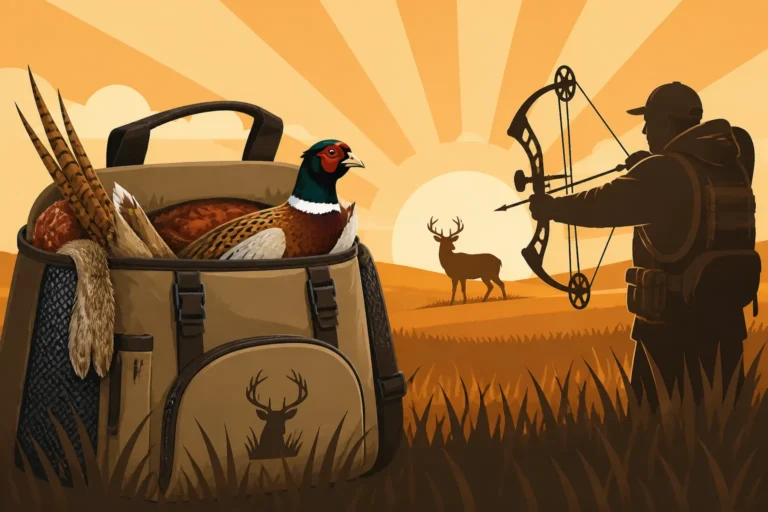
The crisp autumn air of Nebraska beckons, and for many of us, that means getting ready for deer season. There's nothing quite like the challenge and reward of bowhunting, but before you hit the timber or the Sandhills, you’ve got to make sure your gear is squared away and, just as importantly, that you're in compliance with all the regulations. One question that often comes up, especially for newer bowhunters or those considering an equipment change, is about the minimum draw weight required for deer hunting in Nebraska. It’s a crucial detail that ensures both legality and, more importantly, ethical hunting. This guide will walk you through what Nebraska requires and delve into why meeting—and often exceeding—that minimum is so vital for a successful and humane harvest.
Understanding Nebraska's Archery Regulations for Deer
Navigating hunting regulations can sometimes feel like trying to find a shed antler in a prairie dog town – it takes careful searching! When it comes to archery equipment for deer in Nebraska, there are specific guidelines in place. These aren't just arbitrary rules; they're designed to ensure that hunters use equipment capable of delivering a swift, humane kill, minimizing suffering for the animal. It’s a responsibility every bowhunter takes on.
The Specific Draw Weight Requirement
Let's get right to it: Nebraska has established minimum draw weights for bows used in big game hunting, and deer definitely fall into that category. For most modern compound bows, the legal minimum draw weight is often set at a certain poundage, commonly around 40 pounds. For traditional bows like recurves and longbows, which operate differently and generally require more skill to shoot effectively at higher poundages, the minimum might be slightly lower, perhaps in the range of 35 pounds. It's imperative to always check the most current Nebraska Game and Parks Commission hunting guide or their official website for the exact, up-to-date figures. Regulations can be tweaked from year to year, and what might have been true last season could see a subtle change for the next. Don't rely on hearsay or old guides; pull up the latest official information before you head out. This simple check is your first step in ensuring a legal and ethical hunt.
Beyond the number itself, remember that this minimum is about the ability of the bow to effectively launch an arrow with enough force to penetrate deeply and quickly. An arrow needs significant kinetic energy to pass through tough hide, muscle, and bone to reach vital organs. If your bow doesn't meet the minimum, it’s simply not considered sufficient for the task at hand. This isn't about making hunting harder; it's about respecting the animal and striving for the most humane outcome possible. Think of it as a baseline; it's the bare minimum expected to achieve a responsible harvest. Many experienced bowhunters will tell you they comfortably exceed this minimum, understanding that more power often translates to a better chance at a clean pass-through, even on a less-than-perfect shot angle.
Why Draw Weight Matters Beyond the Minimum
While meeting the legal minimum is non-negotiable, the true importance of draw weight extends far beyond just ticking a box on a checklist. The draw weight of your bow directly impacts the kinetic energy and momentum of your arrow. Higher draw weight generally means more kinetic energy and momentum, and these are critical factors for effective broadhead penetration. Imagine trying to push a nail through a thick piece of oak. A light tap might dent it, but a solid whack with a hammer will drive it deep. The same principle applies to an arrow hitting a deer.
In Nebraska, deer can be tough animals, especially a mature whitetail buck in the river bottoms of eastern Nebraska or a mule deer in the rugged Pine Ridge. Their hide is thick, their muscles are dense, and if your arrow encounters bone, you need every bit of energy you can get. A bow that only barely meets the minimum might struggle to achieve adequate penetration, especially if your shot isn't perfectly placed or if the deer is angled slightly, requiring the arrow to pass through more tissue. This is where the ethical considerations truly come into play. A poorly penetrating arrow increases the risk of a wounded animal that isn't recovered, which is every hunter's worst nightmare. Many hunters prioritize ample kinetic energy and momentum to maximize their chances of a quick, clean kill, even if it means pulling a few more pounds than legally required. It's about preparedness for real-world hunting scenarios, not just ideal conditions.
Factors Influencing Your Effective Draw Weight
It's one thing to know the number, and another to actually use a bow at that poundage effectively. Your "effective" draw weight isn't just what the bow is set to; it's what you can consistently and accurately handle in real hunting situations.
Hunter Strength and Shooting Form
Let's be honest, hunting is a physical activity, and bowhunting, in particular, demands a certain level of physical conditioning. Your ability to comfortably and consistently draw your bow, hold it steady at full draw, and release smoothly is paramount. Trying to pull too much weight can lead to a host of problems: shaky aiming, poor shot execution, fatigue during long waits, and even injury. If you're struggling to draw your bow smoothly and quietly, that's a red flag. An overly heavy draw weight will often cause you to "punch" the trigger or jerk the bow, leading to errant shots.
It's much better to shoot a slightly lower draw weight with perfect form and accuracy than to muscle a heavier bow with sloppy technique. Many archers find that by focusing on their back muscles and proper drawing mechanics, they can handle higher weights more efficiently, but only with practice. Regular workouts that strengthen your back, shoulders, and core will certainly help. Imagine being at full draw on a wary buck, trying to settle your pin, and your muscles are screaming because you're over-bowed. That's a recipe for a missed shot or, worse, a wounded animal. You should be able to hold your bow at full draw for at least 30 seconds comfortably, without shaking. If you can't, you likely need to drop your draw weight down a few pounds. This is especially true for those long days in the stand or on the ground waiting for the perfect opportunity. Think of it as a marathon, not a sprint, for your muscles. You want consistency from the first draw of the day to the last.
Bow Type and Mechanics
The type of bow you choose also plays a significant role in how draw weight feels and performs. Modern compound bows, for example, feature a "let-off" mechanism. This means that once you reach full draw, a significant percentage of the peak draw weight is "let off," making it much easier to hold the bow steady. A bow set at 60 pounds might only require you to hold 10-20 pounds at full draw, depending on its specific let-off percentage. This is a huge advantage for hunters, allowing them to draw more weight for higher kinetic energy while still being able to hold comfortably for extended periods, which is vital when a deer takes its time to offer a shot.
Traditional bows, such as recurves and longbows, operate differently. They have no let-off. The draw weight you feel at your fingers is the full draw weight throughout the shot cycle, increasing as you pull back (known as "stacking"). This requires more physical strength and disciplined form to master. A 45-pound recurve, for instance, will feel much heavier to hold at full draw than a 60-pound compound with 80% let-off. This distinction is critical when selecting your equipment and determining the maximum comfortable draw weight you can consistently shoot with accuracy. Understanding these mechanics is key to making an informed decision about your setup, whether you're looking at a sleek new compound or considering the classic appeal of a traditional stick and string. Many resources, like those found on GoHunt, can offer insights into different bow technologies and their implications for hunters.
Beyond the Minimum: Ethical Considerations and Practice
Hunting is about more than just harvesting an animal; it's about taking responsibility and upholding ethical standards. The minimum draw weight is a starting point, but a truly ethical hunter goes further.
Ensuring Clean Kills and Ethical Hunting
The goal of every ethical hunter is to achieve a quick, clean kill. This isn't just about humane treatment of the animal; it's about respecting the game and the act of hunting itself. An arrow needs to penetrate deeply enough to damage vital organs like the heart and lungs, causing rapid blood loss and a swift demise. This requires a combination of factors: sufficient kinetic energy from your bow (which relates directly to draw weight and arrow speed), a properly tuned bow, sharp broadheads, and precise shot placement. If any of these links in the chain are weak, the outcome can be less than ideal.
Consider a scenario where you're set up on a Nebraska Muzzleloader Deer Tactics in December hunt, and it's bitter cold. You finally get a shot opportunity on a nice whitetail. If your bow isn't tuned, your broadheads aren't razor-sharp, or your arrow doesn't have enough kinetic energy to push through the animal's winter coat and muscle, you could end up with a superficial wound. This leads to a difficult, if not impossible, blood trail and a deer that may suffer unnecessarily. That's why many experienced hunters intentionally shoot bows at higher draw weights, often in the 60-70 pound range for compounds, even if the minimum is much lower. They want the confidence that their equipment has the power to get the job done efficiently. The extra kinetic energy provides a greater margin of error for less-than-perfect scenarios, like hitting a rib or encountering a thick layer of hide on a mature buck.
The Role of Practice and Proficiency
You could have the most expensive, most powerful bow on the market, but without consistent practice, it's just a fancy stick. Proficiency with your chosen draw weight is arguably more important than the draw weight itself. It’s not enough to just draw the bow a few times in your backyard; you need to practice under varying conditions, mimicking hunting scenarios as closely as possible. Are you practicing from an elevated stand? How about from a ground blind, or while wearing all your hunting layers? These factors can significantly impact your shooting form and comfort level at full draw.
Regular practice builds muscle memory, refines your form, and boosts your confidence. You should be able to consistently hit a pie plate-sized target out to your maximum ethical shooting distance – and then some. For many bowhunters, this means being accurate out to 40 yards, even if they aim to keep shots within 30 yards in the field. This buffer gives you confidence when that crucial shot presents itself. Consider taking a Bowhunter Education for Big Game Hunters course, even if you’re not required to, as it can offer valuable insights into ethical shot placement and practice routines. The more you shoot, the more comfortable and accurate you'll become with your bow, regardless of its draw weight. This consistent practice is the real key to ensuring that when you get your chance, you're not just legal, but truly ready.
Choosing the Right Bow for Nebraska Deer Hunting
Selecting a bow is a deeply personal choice, and it's about finding the right balance between power, accuracy, comfort, and personal preference. Nebraska offers a diverse range of hunting environments, from the dense river bottoms to the wide-open Sandhills, and your bow needs to be capable for whatever you encounter.
Modern Compound Bows and Adjustability
For the vast majority of Nebraska deer hunters, a modern compound bow is the weapon of choice. Their design offers several advantages, chief among them being adjustability. Most compound bows allow you to easily adjust the draw weight within a range of 10-20 pounds or more. This is incredibly beneficial, especially for new archers or those recovering from injury. You can start at a lower, more manageable draw weight to develop proper form, and then gradually increase it as your strength and technique improve, ensuring you meet and even exceed the legal minimum.
Many compound bows also offer adjustable draw lengths, which is crucial for accuracy. A bow that doesn't fit your draw length perfectly will never shoot consistently well. When looking at compounds, consider models known for smooth draws and minimal hand shock. Brands today offer an incredible array of options. Take your time, visit a pro shop, and shoot several different bows. You'll quickly find what feels comfortable and natural in your hands. A good shop will help you dial in your draw weight and length, making sure your setup is perfectly tailored to you. This level of customization ensures that you can achieve optimal Bow Draw Weight for Nebraska Whitetails for your individual strength and comfort, giving you the best chance for success whether you're using Fixed Versus Mechanical Broadheads on your arrows. Checking out gear reviews on sites like GoHunt can also give you a head start on what's available and highly rated in the current market.
Recurves and Longbows: Different Considerations
For a segment of the bowhunting community, the allure of traditional archery is strong. Hunting with a recurve or longbow offers a unique challenge and a deep connection to hunting's roots. These bows, as mentioned, do not have let-off, meaning you are holding the full draw weight at full draw. Their draw weight is also fixed; you typically can't adjust it. If you have a 45-pound recurve, it's always a 45-pound recurve.
This means that choosing a traditional bow requires a different mindset. You must be able to comfortably and consistently draw that fixed weight throughout your hunt. Many traditional archers spend years honing their strength and form to master these bows. While they may require more practice and a closer shooting distance due to lower arrow speeds compared to compounds, their simplicity and instinctive shooting style appeal to many. When selecting a traditional bow for Nebraska deer, ensure its draw weight comfortably meets the legal minimum and, more importantly, that you can shoot it accurately and ethically. The romance of the traditional bow is real, but it's a romance that demands dedication to practice and an honest assessment of your physical capabilities. The challenge might seem daunting, but the satisfaction of harvesting a deer with a stick and string is truly unmatched for those who pursue it.
Here's a quick comparison of bow types and their general characteristics relevant to Nebraska deer hunting:
| Feature | Compound Bow | Recurve/Longbow (Traditional) |
|---|---|---|
| Draw Weight Adjustability | Highly adjustable (typically 10-20 lbs range) | Fixed (purchased at specific draw weight) |
| Let-Off at Full Draw | Yes (significant reduction in holding weight) | No (full draw weight held at release) |
| Typical Draw Weight | 40-70+ lbs (peak) | 35-60+ lbs (at specific draw length) |
| Kinetic Energy Potential | Generally higher, especially at longer ranges | Moderate, effective at closer ranges |
| Ease of Learning | Easier to master basic accuracy due to let-off | Steeper learning curve, requires more practice |
| Arrow Speed | Generally faster | Generally slower |
| Max Ethical Range | Often 40-60+ yards (with practice) | Typically 20-30 yards (with practice) |
| Accessories | Sights, rests, stabilizers, quivers | Often simpler setup, less reliance on accessories |
Ultimately, whether you choose a compound or a traditional bow, the most crucial element is your ability to wield it safely, legally, and ethically. The minimum draw weight Nebraska requires for deer hunting isn't just a hurdle; it's a foundational standard that every responsible bowhunter should not only meet but strive to exceed through dedicated practice and thoughtful equipment choices. Make sure you're ready for whatever Nebraska's diverse hunting landscape throws your way, from waiting patiently in a Choosing a Treestand Site on Nebraska Farmland to setting up a Ground Blinds in Open Nebraska Country.
Disclaimer
This article is for general informational purposes only and does not constitute professional advice. Laws, prices and regulations vary by location and change over time. Consult a qualified professional for guidance on your specific situation.