Muzzle Brakes and Recoil on Long Shots
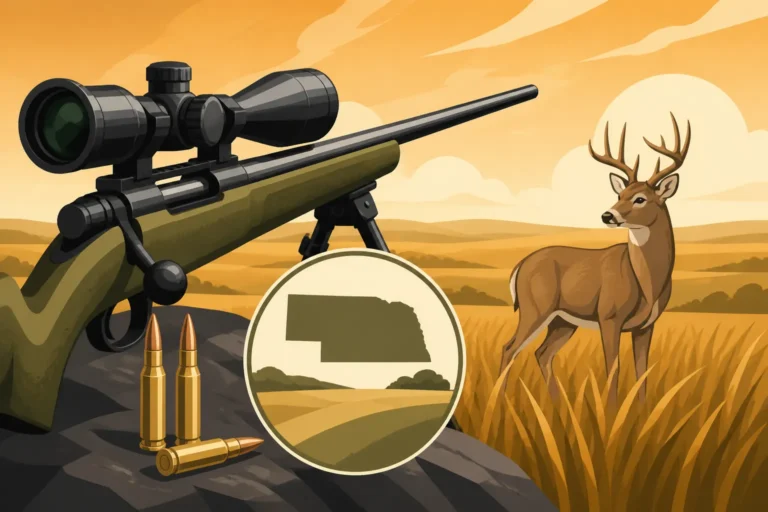
For many hunters traversing Nebraska's vast open country, the dream of a precise, ethical long-range shot can quickly turn into a frustrating reality if heavy recoil throws you off target. Whether you're chasing mule deer across the Sandhills or pronghorn on the plains, missing the opportunity to see your impact or make a quick follow-up can be disheartening. This guide will explore muzzle brakes, their benefits, drawbacks, and how they can potentially transform your shooting experience, helping you manage recoil for those crucial long shots.
What is a Muzzle Brake and How It Tames Recoil
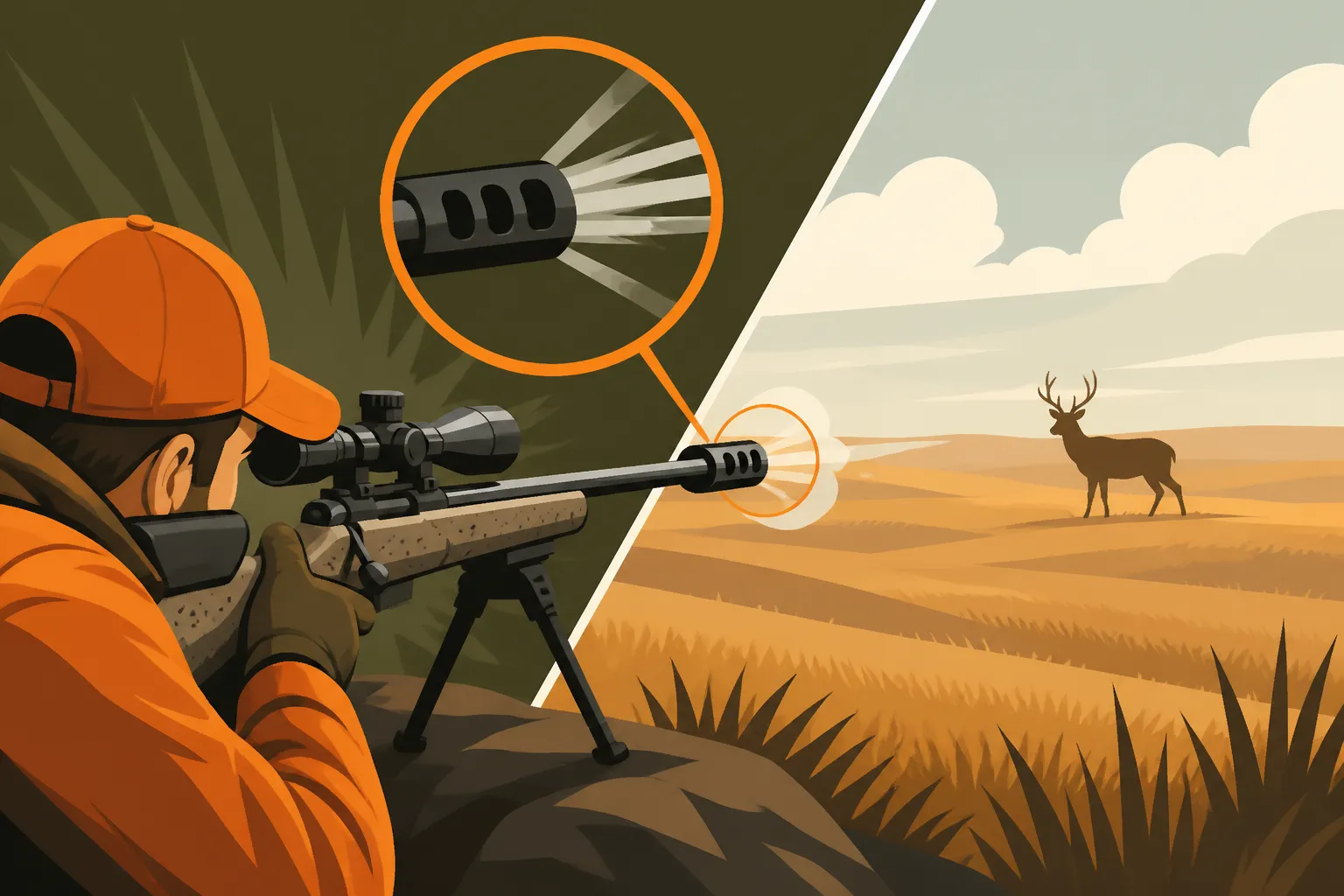
Let's be honest, few things are as jarring as the sharp kick of a powerful hunting rifle. That sudden backward shove, known as recoil, can make even seasoned shooters flinch, impacting accuracy and slowing down follow-up shots. A muzzle brake is essentially a device attached to the end of your rifle barrel, specifically designed to mitigate this recoil. It's a bit of a marvel in rifle mechanics, redirecting the high-pressure gases that exit the barrel right after the bullet.
Think of it this way: when you fire a bullet, gases rapidly expand and propel it forward. As the bullet leaves the muzzle, these gases continue to blast out, creating a forward thrust. Newton's third law of motion comes into play here – for every action, there's an equal and opposite reaction. That opposite reaction is what pushes your rifle back into your shoulder. A muzzle brake intercepts these gases and, through strategically placed ports or baffles, redirects them sideways or slightly backward. By doing so, it creates a forward thrust that counteracts the backward recoil, significantly reducing the felt kick.
There are various designs out there, from simple side-port brakes that vent gases to the sides, to more complex baffled designs that offer multiple chambers for gas expansion and redirection. Some are integrated into the barrel's manufacturing, while others are aftermarket additions that require your barrel to be threaded. The effectiveness of a muzzle brake largely depends on its design and the caliber of the rifle, but generally, you can expect a noticeable reduction in recoil, sometimes by as much as 50% or more. This reduction doesn't make your rifle any less powerful; it just makes it much more comfortable to shoot.
Why Muzzle Brakes are a Game Changer for Nebraska Shots
Hunting in Nebraska often means wide-open spaces and the potential for long-distance engagements. Whether you're Spot-and-Stalk Mule Deer in the Nebraska Sandhills or trying to get on a distant whitetail in a river bottom, being able to manage your rifle's recoil can be a massive advantage. Muzzle brakes can be a true game-changer in these scenarios, offering several key benefits that directly translate to more ethical and successful hunting.
Spotting Your Impact in Open Country
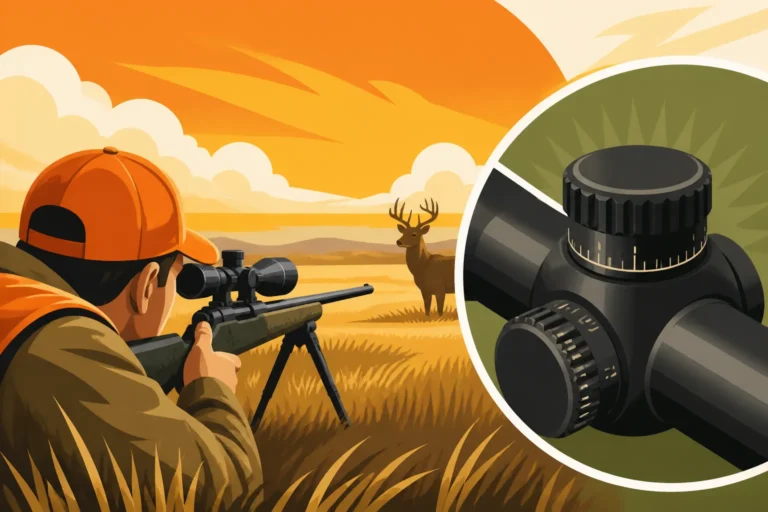
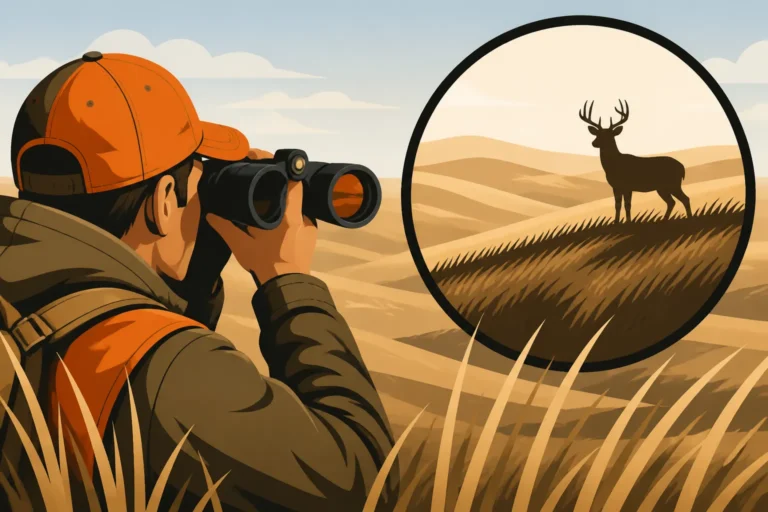
This is perhaps the biggest selling point for muzzle brakes, especially when hunting species like pronghorn or mule deer in the wide-open Nebraska landscape. When your rifle has significant recoil, the scope often jumps off target so violently that you completely lose sight of where your bullet hit. You're left guessing if you made a good shot, if you missed high or low, or if the animal simply spooked and ran. In the vastness of the Sandhills or the Oglala National Grassland, losing sight of your target even for a second can mean losing valuable tracking information or precious seconds for a follow-up.
With a muzzle brake, the reduced recoil means your scope stays much closer to the target after the shot. This allows you to literally watch the bullet's impact through your scope. Did it kick up dust just behind the animal? Was there a visible reaction where you aimed? This immediate feedback is invaluable. You can instantly know if you need to adjust your aim for a follow-up or if you should begin tracking. This capability alone can drastically improve your chances of a clean kill and a successful recovery, particularly when you're shooting at Rifle Ranges Realistic on the Nebraska Prairie.
Faster Follow-Up Shots and Reduced Flinching
Beyond spotting your impact, reduced recoil makes it much easier to get back on target for a quick follow-up shot if needed. Imagine you're on a trophy mule deer. You take your shot, and the deer flinches but doesn't go down immediately. Without a brake, you might be fighting your rifle's recoil, struggling to find the animal again in your scope. By the time you get settled, the deer could be gone over the next ridge or into a cedar draw.
A muzzle brake allows you to stay on target or quickly reacquire it, chamber another round, and confidently place a second shot if necessary. This isn't about promoting bad marksmanship; it's about being prepared for real-world hunting scenarios where animals don't always drop in their tracks. Moreover, the psychological effect of less recoil can't be overstated. Many hunters, especially those new to larger calibers, develop a subconscious flinch in anticipation of the kick. This flinch, even a tiny one, can pull shots off target. By reducing the physical shock, muzzle brakes can help eliminate this flinch, leading to greater confidence and consistent accuracy shot after shot. This is particularly beneficial for hunters who are sensitive to recoil or are building confidence with their rifle.
The Loud Truth: Downsides and Etiquette of Muzzle Brakes
While the benefits of muzzle brakes for recoil reduction are compelling, they do come with significant drawbacks that every Nebraska hunter needs to consider. It’s not a simple one-size-fits-all solution, and understanding the negative aspects is just as crucial as knowing the positives.
Increased Noise and Concussion
This is, without a doubt, the most significant downside of a muzzle brake. By redirecting gases sideways and backward, a muzzle brake dramatically increases the noise level and concussion experienced by the shooter and anyone nearby. A rifle shot is already loud, but with a brake, it can be deafening and even painful if you're not properly protected. The sound waves are no longer directed predominantly downrange; they're now blasting back at you and your hunting partners.
This intensified blast isn't just uncomfortable; it poses a serious risk to your hearing. Permanent hearing damage can occur from even a single un-protected shot with a braked rifle. It’s absolutely vital to always wear adequate hearing protection when shooting a rifle equipped with a muzzle brake, whether you’re on the range or in the field. This means not just wearing earplugs, but often doubling up with earplugs and over-the-ear muffs, especially for extended range sessions.
Impact on Hunting Partners and Game
The increased concussion from a muzzle brake isn't just an issue for the shooter. If you're hunting with a partner, they will also experience the full force of that side blast. Shooting a braked rifle next to someone without warning can be genuinely disorienting and uncomfortable for them. It's not just a matter of courtesy; it's about safety and maintaining a positive hunting experience for everyone in your party. If you hunt with others, clear communication is essential. Let them know your rifle has a brake and give them a chance to prepare or move to a safer distance.
Beyond your hunting companions, consider the impact on the game itself. While a deer or pronghorn won't "hear" the shot in the same way we do, the concussive blast can be more jarring to nearby animals than a non-braked shot. This might not be a huge factor for a single animal standing alone, but if you're hunting in a group of animals, the intensified sound could potentially spook others more severely. In many tactical situations, the noise signature is actually why brakes are used, making it harder for the origin of the shot to be pinpointed. But for hunting, the goal is often stealth, and a loud brake doesn't help with that.
Other Practical Considerations
Muzzle brakes also add a bit of length and weight to the end of your rifle. While often minimal, this can affect the rifle's balance, especially if you're accustomed to a specific feel. For hunters navigating thick brush in places like River-Bottom Whitetail Hunting in Eastern Nebraska, a longer barrel with a brake could be more prone to snagging on branches.
Finally, there's the cost. Muzzle brakes themselves vary in price, and if your rifle barrel isn't already threaded, you'll need to factor in the expense of a qualified gunsmith to perform the work. This is not a DIY job unless you have specialized tools and expertise, as improper threading can lead to accuracy issues or even dangerous malfunctions. Always ensure any modifications are done professionally.
Here's a quick overview of the pros and cons:
| Feature | Advantages | Disadvantages |
|---|---|---|
| Recoil | Significantly reduced felt recoil (up to 50% or more) | No direct disadvantage related to recoil |
| Accuracy | Reduced flinching, improved shooter comfort, greater confidence, better follow-through | No direct disadvantage related to accuracy |
| Target View | Easier to spot impacts through the scope, faster target re-acquisition | No direct disadvantage |
| Noise & Blast | N/A | Dramatically increased noise and concussive blast for shooter and bystanders |
| Ergonomics | N/A | Adds length and weight to barrel, potential for snagging |
| Cost | N/A | Cost of brake and professional installation (if barrel not pre-threaded) |
| Legality | Generally legal for hunting in Nebraska (always check current regulations) | No inherent legal disadvantage, but certain ranges may restrict use |
Making the Right Choice: Selecting and Using Your Muzzle Brake Effectively
Deciding if a muzzle brake is right for you involves weighing the recoil reduction benefits against the undeniable increase in noise and concussion. If you frequently find yourself taking longer shots in open country and value being able to spot your impacts, a brake might be a valuable addition to your Rifle Setups for Nebraska's Open Country. But it requires a commitment to proper hearing protection and good field etiquette.
Professional Installation and Matching Your Rifle
As mentioned, proper installation is paramount. If your rifle barrel isn't already threaded, a competent gunsmith is absolutely necessary. They'll ensure the threads are cut concentric to the bore, which is critical for accuracy and safety. A poorly installed brake can cause accuracy issues or even result in a dangerous baffle strike if the bullet contacts the brake upon exiting.
When choosing a brake, consider one that is specifically designed for your rifle's caliber. Many companies offer brakes tailored to popular hunting cartridges. Some manufacturers also offer proprietary designs that integrate seamlessly with their barrels. Researching different models and their reported effectiveness can be helpful. Many hunters rely on resources like GoHunt to research the perfect setup, including how different brakes perform with various cartridges and rifles.
Hearing Protection: Not Optional, It’s Essential
This cannot be stressed enough: always use hearing protection when shooting a rifle with a muzzle brake. This means every single shot, whether it's at the range or in the field. Electronic hearing protection that amplifies ambient sounds while suppressing gunshots is an excellent investment for hunting, allowing you to hear subtle game movements and communicate with partners while still protecting your ears during the shot. However, for maximum protection, especially during practice, consider wearing earplugs under electronic muffs. Your long-term hearing health is far more important than any temporary inconvenience.
Field Etiquette and Alternatives
When hunting with others, it's a matter of courtesy and safety to inform them that your rifle has a muzzle brake due to the increased noise and concussion. If possible, position yourself so that the muzzle blast is directed away from your partners. On public land, be extra mindful of other hunters who might be nearby. While the benefits of seeing your impact are great, you don't want to ruin someone else's hunt or risk their hearing.
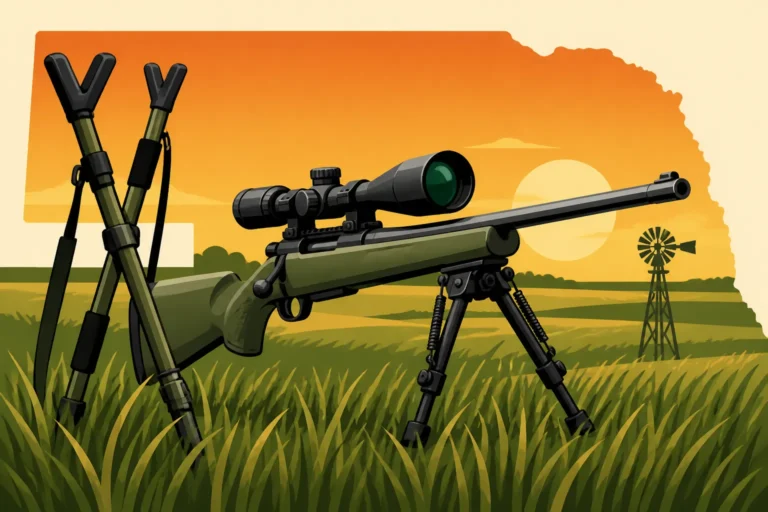
If you're recoil-sensitive but the downsides of a muzzle brake seem too much, there are other ways to manage recoil. A heavier rifle will naturally have less felt recoil. Adding a high-quality recoil pad to your stock can absorb a significant amount of the kick. For very long shots, where every bit of stability helps, a bipod or shooting sticks can improve accuracy and help mitigate some of the movement induced by recoil. Exploring different calibers, such as those discussed in Choosing a Rifle Caliber for Nebraska Deer, can also lead to a more comfortable shooting experience. Ultimately, the best solution is the one that allows you to shoot most accurately and ethically, while remaining safe and considerate of those around you.
Disclaimer
This article is for general informational purposes only and does not constitute professional advice. Laws, prices and regulations vary by location and change over time. Consult a qualified professional for guidance on your specific situation.