Nonresident Access to Nebraska Public Land
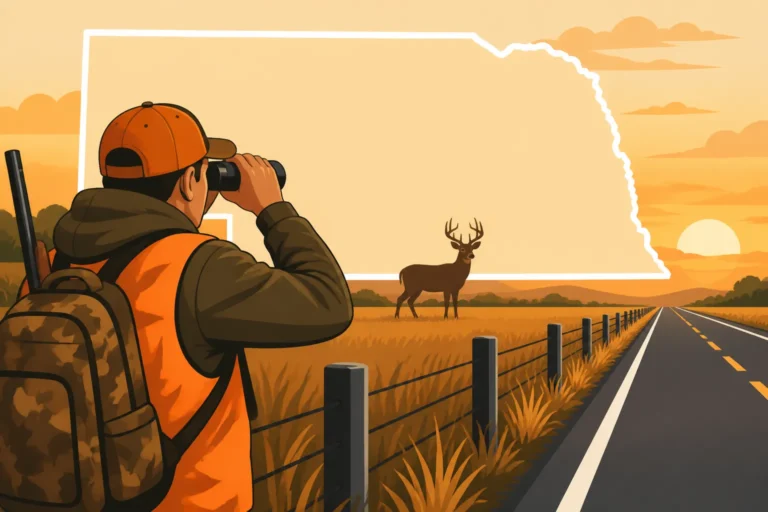
For nonresidents looking to hunt in Nebraska, the daunting perception of limited public land can feel like a brick wall. Many hunters from out of state often hear the discouraging advice that Nebraska is "all private," leaving them frustrated before they even start scouting. This guide aims to dismantle that myth, offering a detailed roadmap to successfully accessing Nebraska's diverse public hunting opportunities, ensuring you understand exactly where you can legally pursue game and how to maximize your time afield.
Understanding Nebraska's Public Land Landscape for Nonresidents
The notion that Nebraska is a private land hunting desert is a common misconception, especially for those coming from states with vast tracts of national forest or BLM land. While it's true that the percentage of public land is lower than in some Western states, there are indeed significant opportunities, and understanding where to find them and how they're managed is your first step to a successful hunt. Nonresidents often feel like they're starting at a disadvantage, but with the right information, the playing field evens out considerably.
The Myth vs. Reality of "No Public Land" in Nebraska
It's easy to get discouraged when you look at a general map of Nebraska and don't see massive blocks of green public land like you might in Colorado or Wyoming. However, this doesn't mean the opportunities don't exist; they just might be spread out differently or managed under unique programs. The reality is that Nebraska offers a diverse patchwork of accessible land, from state-managed wildlife areas to federal grasslands and crucial private lands enrolled in public access programs. This diverse tapestry requires a bit more digging and understanding than simply looking for national forest boundaries.
The key is to change your perspective from seeking vast, unbroken wilderness to identifying and utilizing these smaller, often equally productive tracts. Many of these areas are rich in habitat and hold excellent populations of deer, pheasants, turkeys, and waterfowl. What often appears as a disadvantage — the fragmented nature of public access — can actually work in your favor, as it often means less hunting pressure on any single parcel, especially if you're willing to walk a bit further or explore less obvious spots. It's about knowing where to look and, more importantly, how to use the tools available to find these gems.
Key Programs That Unlock Access
Nebraska offers several avenues for public access, and nonresidents are welcome to utilize them, provided they follow all regulations. The most prominent program, and often the most valuable for nonresidents, is the Open Fields and Waters (OFW) program. This initiative allows private landowners to enroll their property for public hunting, fishing, or trapping access in exchange for an incentive. These tracts are clearly marked with distinctive yellow signs, making them easy to identify once you're on the ground. Understanding How Nebraska's Open Fields and Waters Works is crucial for any nonresident hunter, as these areas often provide some of the best opportunities, especially for upland birds and deer.
Beyond OFW, the state also manages numerous Wildlife Management Areas (WMAs), which are dedicated public lands specifically for hunting and conservation. These areas range from small wetlands to expansive timber and grassland tracts. Additionally, federal lands like the Oglala National Grassland and various National Forests, while not as abundant as in other Western states, provide significant hunting opportunities, particularly in the Nebraska Panhandle and Sandhills regions. Each of these categories has its own rules and characteristics, which we'll dive into, but collectively, they form a substantial network of huntable ground.
The Importance of the Public Access Atlas
For any hunter, resident or nonresident, planning a hunt in Nebraska, the Public Access Atlas is an indispensable tool. This annually updated guide, produced by the Nebraska Game and Parks Commission, details all publicly accessible lands across the state, including WMAs, federal lands, and critically, all current Open Fields and Waters tracts. Think of it as your hunting Bible for Nebraska. It’s available both online and often in print at Game and Parks offices and license vendors. The digital version is particularly useful, allowing you to zoom in on specific areas and check boundaries before you even leave home.
The Atlas isn't just a list; it provides vital information on what game species are typically found in an area, specific rules for each tract (e.g., walk-in only, specific season dates), and contact information where applicable. Regularly checking The Nebraska Public Access Atlas for updates is important, as OFWs can change from year to year, with new properties added and some removed. Learning Reading the Nebraska Public Access Atlas effectively will save you countless hours of driving and scouting, allowing you to prioritize areas that align with your hunting goals. It's the primary resource for turning the "no public land" myth into a tangible hunting plan.
Navigating the Open Fields and Waters Program
The Open Fields and Waters (OFW) program is a game-changer for nonresident hunters in Nebraska. It's often where the most accessible and productive hunting lies, offering a unique opportunity to hunt private land without needing to secure individual landowner permission. However, like any program, it comes with its own set of guidelines and best practices that, when followed, ensure a positive experience for both hunters and the landowners generously participating.
How OFW Works for Nonresidents
At its core, OFW is a voluntary program where private landowners open their land to public access for hunting, fishing, or trapping. The Nebraska Game and Parks Commission compensates these landowners, creating a win-win situation for conservation and public access. For nonresidents, this means a chance to hunt some of Nebraska's prime pheasant, deer, and turkey habitat that would otherwise be off-limits. These areas are typically marked with yellow and white "Open Fields and Waters" signs, making them easy to spot. The specific dates and species allowed on each tract are also indicated on these signs and detailed in the Public Access Atlas.
When you're planning your trip, you'll find that many OFW tracts are former CRP fields, corn and milo stubble, river bottom timber, or even small wetlands. This diversity means you can tailor your search to the species you're pursuing. For instance, if you're chasing pheasants, you'll prioritize tracts with good grass cover or food plots. If deer are your target, river bottoms or shelterbelts adjacent to crop fields might be more appealing. It's a fantastic way to experience hunting across Nebraska's varied landscapes without the stress of knocking on doors.
Rules and Etiquette on OFW Tracts
Hunting on an OFW tract is a privilege, and respecting the rules and the landowner's property is paramount to ensuring the program continues for future generations of hunters. The most critical rule to remember is "walk-in access only" unless explicitly stated otherwise. This means no vehicles on the property, and you'll typically park along the road. Always check the specific signs at the entrance and the Public Access Atlas entry for any unique restrictions. For example, some areas might have restrictions on certain activities or specific dates they are open. Blinds and Stands on Open Fields Ground often have specific rules, so familiarize yourself with those.
Beyond the posted regulations, general hunting etiquette goes a long way. Leave no trace, pack out all your trash, and avoid damaging crops, fences, or other property. Be mindful of livestock if present in adjacent fields, and always know your target and what's beyond it. Treat these lands as if they were your own, or even better, as if you were a guest on a friend's private property. Remember, a landowner's willingness to re-enroll in the program depends heavily on how hunters treat their land.
Finding the Best OFW for Your Hunt
Identifying the most promising OFW tracts requires a combination of pre-season scouting and leveraging digital tools. Start with the Public Access Atlas, both the online interactive map and a physical copy if possible. Look for areas that align with the habitat preferences of your target species. For instance, if you're hunting upland birds, focus on tracts near other cover or food sources in good pheasant country. If you're chasing deer, look for areas with timber, creek bottoms, or thickets that provide bedding and travel corridors.
Digital mapping apps, like onX Hunt, are invaluable for overlaying OFW boundaries with satellite imagery, showing you topography, cover types, and potential access points. This allows you to conduct virtual scouting from hundreds of miles away, identifying bottlenecks, pinch points, and areas of dense cover that might hold game. onX Layers for Nebraska Land Status can be a huge advantage here. You can identify potential parking spots and plan your routes before you even set foot in the state. Don't be afraid to drive past a few tracts that look less promising to find one that truly offers the kind of hunting experience you're after. Look for those parcels that might be a bit further from the road or require a longer walk, as these often see less pressure.
Utilizing State and Federal Lands
While the Open Fields and Waters program offers extensive opportunities, don't overlook Nebraska's traditional public lands. These areas, managed by state and federal agencies, provide consistent access year after year and often comprise larger tracts of land that can accommodate a variety of hunting styles.
Nebraska Wildlife Management Areas (WMAs)
Nebraska's Wildlife Management Areas are properties acquired and managed by the Nebraska Game and Parks Commission primarily for wildlife habitat and public recreation, including hunting. These WMAs are scattered across the state and vary greatly in size and habitat, from small waterfowl production areas in the Rainwater Basin to large tracts of timber along river corridors or rolling grasslands in the Sandhills. For nonresidents, WMAs are a reliable source of public hunting ground, as their status as public land is permanent.
When hunting WMAs, it's essential to understand Nebraska Wildlife Management Area Rules. These rules can sometimes be more specific than general state regulations, covering things like vehicle access, camping (though Camping on Nebraska Public Ground is generally limited on WMAs), or specific season dates for certain species. Always check the individual WMA's regulations on the Game and Parks website or in the Public Access Atlas. Many WMAs are phenomenal for upland birds, particularly pheasants and quail, and some larger ones offer excellent deer and turkey hunting. Be prepared for potential crowds, especially on opening weekends, but often, a willingness to walk a little further away from parking areas can put you into unpressured pockets of game.
National Forests and Grasslands
While Nebraska isn't known for vast national forests like many mountainous states, it does host two National Forests and a significant National Grassland that provide excellent hunting opportunities, particularly in the western and central parts of the state. These federal lands include the Nebraska National Forest (Bessey Ranger District near Halsey and Samuel R. McKelvie National Forest) and the Oglala National Grassland in the Panhandle. These areas represent some of the largest contiguous blocks of public land in Nebraska.
The Oglala National Grassland, in particular, is a sprawling landscape of rolling hills, buttes, and prairie, offering unique opportunities for mule deer, antelope, and prairie grouse. Oglala National Grassland Hunting requires a different approach than hunting dense timber; glassing vast expanses is often key. The National Forests offer more traditional timber hunting for deer and turkey, along with upland bird opportunities. These federal lands fall under federal regulations in addition to state hunting laws, so be sure to familiarize yourself with any specific requirements for these areas. They can be incredibly rewarding for nonresidents willing to scout and adapt their hunting style to the open country.
Other Federal and State Opportunities
Beyond WMAs and National Forests/Grasslands, several other types of public land offer access to nonresident hunters. These include lands managed by the U.S. Army Corps of Engineers, often found along major rivers like the Missouri and Platte, offering river bottom hunting for deer, turkey, and waterfowl. Additionally, Nebraska has School Trust Lands, which are parcels held in trust to generate revenue for public education. Many of these are open to public hunting, though they are often surrounded by private land, requiring careful attention to boundaries.
Similarly, specific federal refuges or Waterfowl Production Areas (WPAs) may allow hunting for certain species during regulated seasons. While these may have more stringent rules, they can be phenomenal for waterfowl hunting. Always consult the Public Access Atlas for precise boundaries, access points, and specific regulations for each of these diverse public land types. They add important pieces to the puzzle of public access in Nebraska, ensuring that a nonresident hunter has a multitude of options if they're willing to do their homework.
Tools and Strategies for Success
Finding and effectively hunting Nebraska's public land as a nonresident isn't just about knowing where the land is; it's about employing the right tools and strategies to maximize your chances and respect the local hunting culture.
Digital Mapping and Scout Prep
In today's hunting world, digital mapping applications are essential, especially for nonresidents trying to navigate unfamiliar territory. Apps like onX Hunt and GoHunt provide invaluable layers that show public vs. private land ownership, property boundaries, aerial imagery, and topographic maps. For a nonresident, this means you can "scout" from hundreds or thousands of miles away, identifying potential access points, likely bedding areas, food sources, and travel corridors on public tracts. Finding Nebraska Property Lines is made infinitely easier with these tools, ensuring you stay on public ground and avoid accidental trespassing.
Before you even leave home, use these apps to highlight all the public land within your chosen hunting unit. Look for parcels that are harder to access, as these often hold less pressured game. Plot out potential routes, mark key features, and save offline maps, as cell service can be spotty in remote parts of Nebraska. Many nonresidents combine the Public Access Atlas with their preferred mapping app for a powerful scouting combination. This pre-trip preparation isn't just a suggestion; it's often the difference between a frustrating hunt and a successful one.
| Public Land Type | Description | Key Features for Nonresidents | Common Game | Typical Access |
|---|---|---|---|---|
| Open Fields & Waters (OFW) | Private land enrolled for public hunting via incentive program. | Often prime habitat, marked with yellow signs, changes annually. | Pheasant, Quail, Deer, Turkey | Walk-in only, parking usually roadside. |
| Wildlife Management Areas (WMAs) | State-owned land managed for wildlife and recreation. | Permanent public access, diverse habitats, specific rules. | Deer, Turkey, Pheasant, Waterfowl | Vehicle access to parking, some walk-in only. |
| National Forests / Grasslands | Federally owned lands (e.g., Oglala, Halsey). | Large, contiguous tracts, open country hunting, specific federal rules. | Mule Deer, Antelope, Grouse, Whitetail, Turkey | Designated roads, primitive camping allowed in some areas. |
| School Trust Lands | State-managed parcels for education funding. | Smaller, scattered tracts, often surrounded by private land. | Deer, Upland Birds | Requires careful boundary checking, some are walk-in. |
| Corps of Engineers Land | Federal land along major rivers/reservoirs. | River bottom habitat, good for waterfowl, deer, turkey. | Waterfowl, Deer, Turkey | Access via roads, boat ramps, some walk-in. |
On-the-Ground Reconnaissance
No amount of digital scouting can fully replace putting boots on the ground. Once you arrive in Nebraska, spend your first day or two driving around your target areas. Verify access points, look for recent sign (tracks, droppings, rubs, scrapes), and observe game movement. Pay attention to how other hunters are using the land, particularly on weekends. If a parking area is full, consider driving to another access point or walking deeper into a tract than most others are willing to go.
Chatting with locals, if appropriate and respectful, can also provide valuable insights, though always be prepared to do your own legwork. Don't be afraid to drive past a few public tracts that look less promising at first glance. Sometimes, the most productive areas are those that might require a bit more effort to reach or appear less inviting from the road. Scouting also helps you confirm what the Wind Direction on Open Nebraska Prairie Stands might be doing, which is critical for success. Take note of agricultural practices, as standing crops or recently harvested fields will influence game movement.
Respecting Boundaries and Local Customs
The vast majority of Nebraska is private land, and respecting those boundaries is not just good etiquette, it's the law. Always be acutely aware of where public land ends and private land begins. Use your mapping apps religiously, and if there's any doubt, err on the side of caution. What Nebraska Trespass Law Requires is very clear, and violating it can lead to serious consequences, not to mention a bad reputation for nonresident hunters. This is especially true when Getting Private Land Permission in Nebraska is often a matter of reputation and trust within rural communities.
Remember that you are a guest in Nebraska, and treating landowners, local residents, and fellow hunters with respect is paramount. Close gates behind you, don't block access points, and retrieve game ethically and legally, even if it runs onto private land (ensure you understand the rules for game retrieval from private property). Nebraska hunting has a strong tradition, and demonstrating courtesy and professionalism will go a long way in ensuring future access for everyone. Be a good ambassador for hunters everywhere.
Disclaimer
This article is for general informational purposes only and does not constitute professional advice. Laws, prices and regulations vary by location and change over time. Consult a qualified professional for guidance on your specific situation.