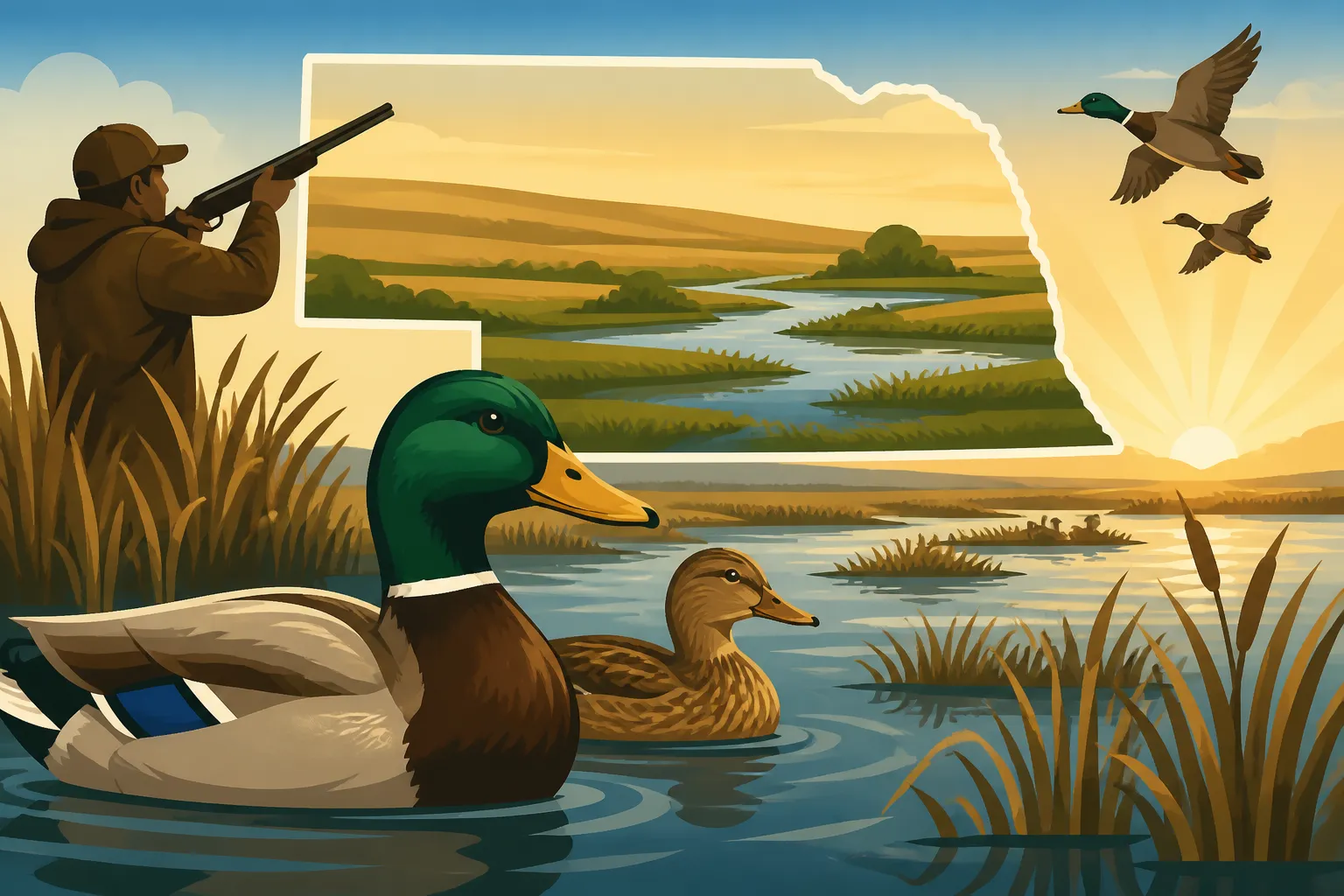
Why the Rainwater Basin Matters to Ducks
For anyone who has ever gazed up at the sky in Nebraska and witnessed the sheer spectacle of ducks pouring into the wetlands, it’s clear that something special is happening. But what many folks don't fully grasp is the incredible, almost magical, significance of a place like the Rainwater Basin. This guide is here to unravel why this unique corner of Nebraska isn't just important for ducks, but absolutely critical for the health of the entire Central Flyway and the future of waterfowl hunting.
The Unique Landscape of the Rainwater Basin: Nebraska's Wetland Jewel
The Rainwater Basin isn't just another collection of ponds; it's a truly distinctive ecological region in south-central Nebraska. For hunters and conservationists alike, understanding its formation and characteristics is key to appreciating its immense value. This isn't some man-made reservoir or engineered system; it's a natural marvel shaped over millennia.
Geology and Formation: A Basin Like No Other
Imagine a time long, long ago, when glaciers scraped and carved their way across the landscape. While direct glaciation didn't create the basin's wetlands, the processes that followed, involving ancient rivers, wind, and the relentless forces of nature, certainly did. What we see today are thousands of shallow, naturally occurring depressions or "basins" scattered across several counties, primarily fed by rainfall and snowmelt.
Beneath the surface lies a crucial geological feature: an impermeable layer of clay. This clay acts like a natural bathtub liner, preventing the water that collects in these depressions from simply seeping away into the groundwater. It’s why these wetlands are often called "playa lakes" or "ephemeral wetlands"—they fill up during wet periods and can dry down in droughts, mimicking the natural ebb and flow that waterfowl have adapted to for countless generations. Without this unique geology, the Rainwater Basin would be just another stretch of prairie.
Hydrology and Wetland Types: A Dynamic Water Cycle
The beauty of the Rainwater Basin's hydrology lies in its dynamic nature. These wetlands aren't static; they pulse with the seasons. During spring snowmelt and heavy rains, they swell, creating vast shallow sheets of water that are perfect for dabbling ducks to feed in. As summer progresses, many of these wetlands begin to shrink, exposing mudflats rich with seeds and invertebrates, which are vital for ducks gearing up for migration or raising broods. This ever-changing water level is a natural cycle, and it dictates the habitat available at different times of the year.
The basin actually hosts several distinct types of wetlands. There are the true "basin wetlands," which are the large, shallow playas. Then you have "fringing wetlands," which might be slightly deeper areas around the edges of the basins, and even "ephemeral streams" that connect some of these water bodies during high water events. Each type offers slightly different resources, creating a complex and incredibly productive mosaic of habitats that can support a diverse array of waterfowl and other wildlife. It's a delicate balance, and understanding this natural water rhythm is fundamental to its preservation.
The Migration Superhighway: Fueling the Central Flyway
The Rainwater Basin's strategic location right in the heart of the Central Flyway makes it an undeniable hub for millions of migrating waterfowl each spring and fall. These birds aren't just passing through; they're stopping over, refueling, resting, and preparing for the arduous journeys ahead. For them, the basin isn't a luxury; it's a non-negotiable pit stop. Waterfowl of the Central Flyway in Nebraska are truly dependent on these wetlands.
Food Resources Abound: A Duck's All-You-Can-Eat Buffet
When you think about why ducks flock to a particular area, food is almost always at the top of the list. The Rainwater Basin is an absolute powerhouse when it comes to providing high-energy forage. As these wetlands fill and dry, they expose or re-wet vast stores of seeds from smartweed, millet, sedges, and other native wetland plants. These seeds are like tiny, nutrient-dense power bars for ducks, packed with carbohydrates and fats essential for migration.
Beyond seeds, the shallow, productive waters teem with aquatic invertebrates like insect larvae, crustaceans, and snails. These protein-rich morsels are especially critical for hens in the spring, providing the nutrients needed for egg production and successful nesting. In agricultural areas surrounding the basins, waste grain from corn, milo, and soybeans also provides supplemental food, particularly for larger dabblers and geese. This incredible combination of natural wetland forage and agricultural remnants creates a bounty that few other regions can match, literally fueling the birds' incredible journeys. For species like White-Fronted Geese in the Rainwater Basin, this food source is indispensable.
Critical Resting and Roosting Sites: A Sanctuary in the Storm
Migration isn't just about finding food; it's also about finding safety. Traveling thousands of miles is physically exhausting and incredibly dangerous for waterfowl. The Rainwater Basin offers vast, open water bodies and secluded marshy areas that serve as crucial resting and roosting sites. These locations provide refuge from predators, a place where ducks can preen, socialize, and simply conserve energy without constant threat.
Picture thousands upon thousands of ducks rafting together on a large basin wetland, creating a living, breathing blanket of feathers. This communal roosting offers safety in numbers, allowing individual birds to rest more soundly. During inclement weather – severe thunderstorms, high winds, or even early blizzards – these wetlands become vital havens, offering shelter until conditions improve. Without these reliable staging areas, migrating waterfowl would face even greater mortality rates, struggling to find safe harbor in a landscape increasingly altered by human activity. This sanctuary aspect is why Duck Production in the Rainwater Basin is so robust.
Water Quality and Disease Prevention: A Healthy Ecosystem for Millions
While often overlooked, the quality and dynamics of the water in the Rainwater Basin are paramount for waterfowl health. The natural, ephemeral cycle of filling and drying wetlands plays a critical role in preventing the buildup of disease-causing bacteria and viruses. When wetlands dry, the sun and air naturally sterilize the basin floors, breaking down pathogens that can flourish in stagnant, permanently flooded systems.
In contrast, continually wet, overcrowded conditions can lead to outbreaks of avian botulism or avian cholera, which can decimate waterfowl populations. The Rainwater Basin's natural hydrology acts as a built-in defense mechanism, reducing the risk of such widespread epidemics. However, even here, challenges like Avian Influenza in Prairie Waterfowl can still arise, highlighting the importance of ongoing monitoring and management. Maintaining a healthy, functioning ecosystem in the basin is therefore not just about providing food and shelter, but about ensuring the long-term health and resilience of the entire Central Flyway's waterfowl population.
| Wetland Type | Original Acreage (Pre-Settlement) | Current Acreage (Approx.) | Primary Water Source | Key Ecological Role |
|---|---|---|---|---|
| Basin (Playa) Wetlands | ~200,000 acres | ~30,000 acres | Rain, snowmelt | Primary migratory stopover, food, roosting |
| Fringing Wetlands | Included with basin wetlands | Varies, often restored | Runoff, higher elevation | Brood rearing, diverse plant life |
| Semipermanent Wetlands | Less common naturally | Increased by management | Groundwater, managed | Longer-term habitat, open water for divers, deep marsh |
Note: Acreage figures are estimates and can vary based on definitions and hydrological conditions.
Threats, Conservation, and the Future: A Legacy to Protect
The importance of the Rainwater Basin has long been recognized, but its existence has also been under severe threat for generations. Understanding the historical context of its decline and the ongoing efforts to restore and protect it is crucial for anyone passionate about waterfowl and the environment. Tools like GoHunt can help you scout public access areas within the basin, giving you a tangible connection to these conservation efforts on the ground.
Historical Wetland Loss and Drainage: A Century of Change
The story of the Rainwater Basin is unfortunately one of dramatic habitat loss. When European settlers first arrived in Nebraska, the basin comprised hundreds of thousands of acres of wetlands. However, with the advent of large-scale agriculture, these "wet spots" were often seen as obstacles to farming. Starting in the late 19th and early 20th centuries, extensive drainage projects were undertaken. Farmers installed drain tiles, dug ditches, and leveled land, all with the goal of converting wetland habitat into productive cropland.
This process was incredibly effective at converting land for agriculture but devastating for waterfowl. It's estimated that somewhere between 85% and 90% of the original Rainwater Basin wetlands were destroyed. This massive Wetland Loss in the Rainwater Basin dramatically reduced the capacity of the flyway to support migrating birds, concentrating them in fewer and fewer remaining wetlands, which in turn increased the risk of disease. This historical context provides a stark reminder of the delicate balance between human needs and ecological preservation.
Current Challenges and Pressures: A Modern Balancing Act
Even with increased awareness and conservation efforts, the Rainwater Basin continues to face significant challenges today. The primary pressure remains agricultural demands; while outright drainage has largely slowed, maintaining existing wetlands in a productive agricultural landscape is a constant battle. Changes in farming practices, such as less reliance on traditional row cropping and more center pivot irrigation, can alter local hydrology, sometimes to the detriment of wetlands.
Another major challenge is climate variability. Extended droughts can leave many basins dry for long periods, stressing waterfowl populations and reducing available habitat. Conversely, extreme rainfall events can flood basins too deeply, or too early, making them less suitable for certain duck species. Pollution from agricultural runoff, including pesticides and fertilizers, can also impact water quality and invertebrate populations, further compromising the health of the ecosystem. Navigating these complex modern pressures requires continuous adaptation and strategic conservation planning. Before planning a hunt, it's always wise to check current conditions and access points, and resources like GoHunt can be invaluable for up-to-date mapping.
Restoration and Management Efforts: Hope for the Future
Despite the historical losses and ongoing challenges, there is significant hope for the Rainwater Basin, thanks to dedicated restoration and management efforts. Organizations like Ducks Unlimited, The Nature Conservancy, and the U.S. Fish and Wildlife Service, along with the Nebraska Game and Parks Commission, have worked tirelessly to acquire, restore, and manage remaining and former wetland tracts. These efforts involve techniques like breaking drain tiles, restoring original wetland contours, and implementing water management strategies to mimic natural hydrological cycles.
Many wetlands in the basin are now part of Wildlife Management Areas or Waterfowl Production Areas, offering critical habitat and public hunting opportunities. These managed areas are vital for species ranging from mallards to pintails, providing safe havens and abundant food. Hunters contribute directly to these efforts through the purchase of licenses, stamps, and equipment, funding conservation on the ground. Understanding which Nebraska Duck Zones and Split Seasons apply to these areas is vital for hunters. The ongoing commitment to restoration ensures that the Rainwater Basin remains a cornerstone of the Central Flyway, a living testament to what can be achieved when conservation is prioritized. Using mapping tools to identify these areas can greatly improve your hunting success, and platforms like GoHunt provide excellent overlays for public access.
Hunting the Rainwater Basin: An Unforgettable Experience
For many, the Rainwater Basin isn't just a biological marvel; it's a hallowed ground for waterfowl hunting. The sheer volume of birds that move through here offers incredible opportunities, but it's also a place that demands respect, preparation, and an understanding of its unique characteristics. Getting out there means understanding the tactics for Setting Decoys Around a Layout Blind in vast fields or getting your Waders for Rainwater Basin Wetlands ready for a chilly morning.
Preparing for a Rainwater Basin Hunt: More Than Just Decoys
Hunting the Rainwater Basin isn't like hunting a small farm pond. The scale is immense, the weather can be brutal, and the ducks are often educated. Preparation is key. First, scouting is paramount. Long before opening day, you'll want to use tools like the Nebraska Public Access Atlas or even advanced mapping software like GoHunt to identify potential public access areas and understand the surrounding landscape. Look for areas with current water, good food sources, and logical flight paths.
Beyond scouting, gear is critical. Warm, waterproof clothing is a non-negotiable. You'll often be sitting in layout blinds in open fields or wading into cold, shallow water. Decoy spreads can range from a handful of fakes to massive spreads of hundreds, depending on the species you're targeting and the conditions. Calling can be effective, but often the sheer number of birds means subtle calling is sometimes more effective than aggressive hailing. Remember to check regulations carefully regarding Nebraska Duck Daily Bag Limit and specific rules for public ground.
Respecting the Resource: Hunter's Role in Conservation
As hunters, we have a profound responsibility to be stewards of the Rainwater Basin. Every hunt is an opportunity to contribute to the conservation efforts that make these experiences possible. This means following all hunting regulations, practicing ethical shooting, and being mindful of your impact on the environment. Pick up spent shells, leave no trash behind, and avoid disturbing sensitive areas.
Furthermore, purchasing your state hunting license and the Nebraska Federal Duck Stamp Cost directly funds wetland acquisition, restoration, and management projects not just in Nebraska, but across the country. Hunters are often the most passionate advocates for wetland conservation because they understand intimately what these places offer. By conducting ourselves as responsible, ethical hunters, we ensure that the Rainwater Basin continues to thrive, providing vital habitat for generations of waterfowl and unforgettable experiences for those who pursue them.
Disclaimer
This article is for general informational purposes only and does not constitute professional advice. Laws, prices and regulations vary by location and change over time. Consult a qualified professional for guidance on your specific situation.