Elk Crop Damage in Nebraska
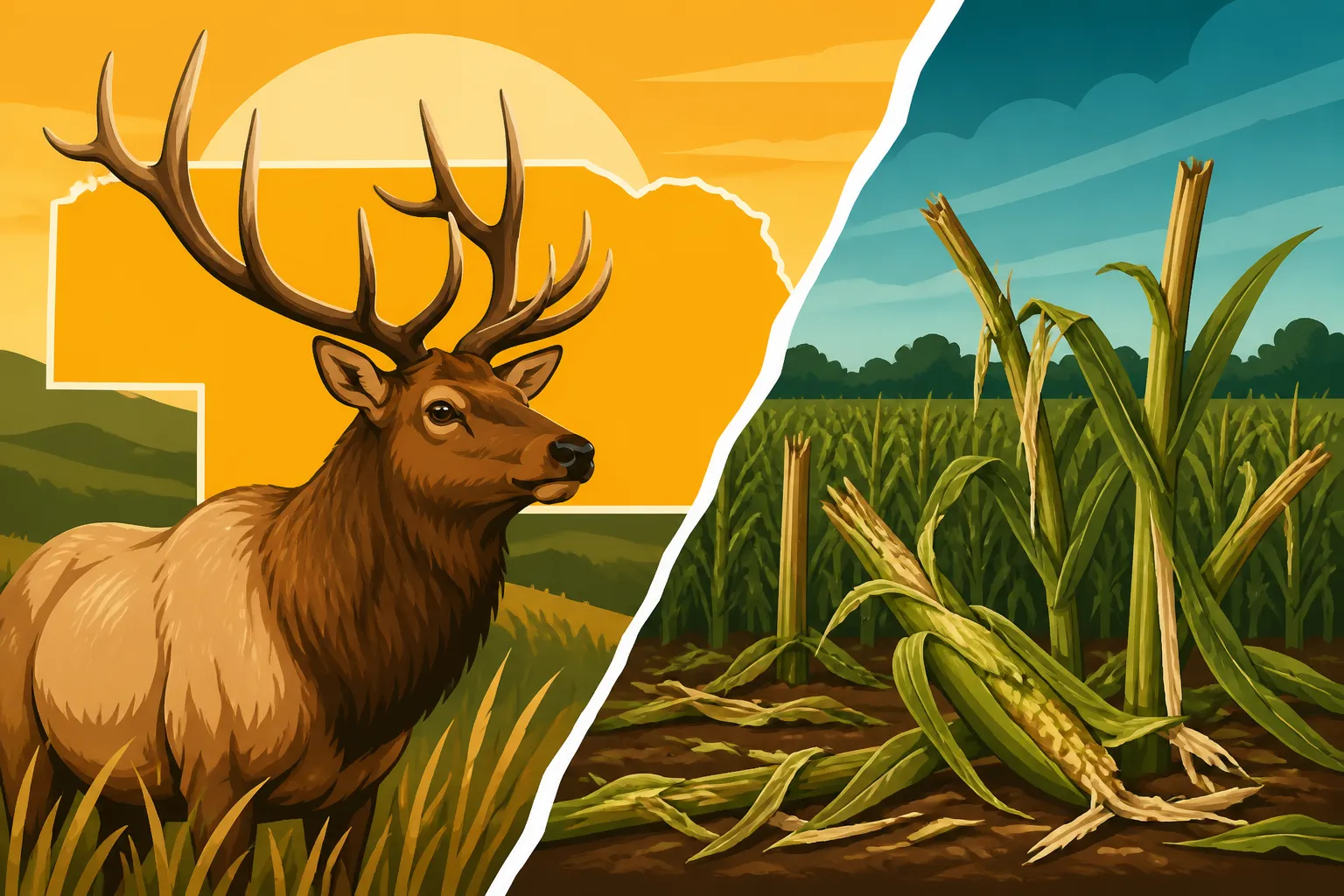
Few things are as disheartening for a Nebraska farmer or rancher as driving by a field and seeing the tell-tale signs of wildlife devastation – especially when that wildlife is a herd of majestic, but incredibly hungry, elk. These beautiful animals, while a testament to successful conservation in our state, can wreak serious havoc on agricultural operations, turning months of hard work and significant financial investment into a trampled, munched-down mess. This guide aims to thoroughly explore the problem of elk crop damage in Nebraska, offering insights into why it happens, where it’s most prevalent, and what strategies exist for managing this challenging situation for both landowners and wildlife.
The Root Causes of Elk Crop Damage in Nebraska
Understanding why elk are damaging crops is the first step toward finding sustainable solutions. It's not out of malice, of course, but a combination of natural instincts, changing landscapes, and the sheer appeal of a bountiful food source.
Expanding Elk Populations and Habitat Pressures
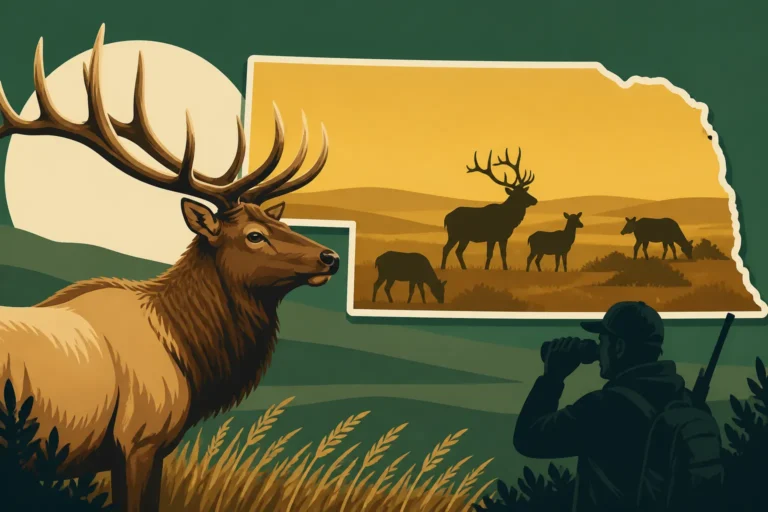
Nebraska's elk population has made an impressive comeback, a true success story for wildlife enthusiasts. Once largely extirpated from the state, herds have steadily grown, primarily in areas like the Pine Ridge and along the Niobrara River. As these herds expand, they naturally need more space and more food. While vast tracts of rangeland and timber provide excellent natural forage, the boundaries of these natural habitats often butt right up against agricultural fields. It’s a classic case of increasing populations meeting limited or fragmented traditional habitat.
Elk are large, intelligent animals, and they quickly learn where the easiest and most calorie-rich meals can be found. A group of elk moving through a pasture is one thing; a herd of them bedding down in a cornfield or grazing through an alfalfa pivot is another entirely. This pressure intensifies when natural forage is scarce due to drought, harsh winters, or simply overgrazing in their core areas. Landowners often express frustration, feeling caught between appreciating the wildlife and bearing the significant costs of their presence. For more on where these animals live, you can read Nebraska's Elk Herds and Where They Live.
Irresistible Forage: Why Crops are a Five-Star Buffet
Let's be honest, if you were an elk, would you rather browse on tough prairie grasses and woody browse, or stroll into a field of succulent, nutrient-dense corn, alfalfa, or soybeans? It’s hardly a choice. Agricultural crops are often far more palatable and provide significantly more energy than most natural forage.
Consider a young cornfield in late spring: the tender green shoots are packed with carbohydrates. Or a mature cornfield in the fall: essentially a giant, open-air buffet of easily digestible kernels. Alfalfa fields are green year-round in many cases, offering a constant supply of high-protein forage. These crops represent a concentrated food source that helps elk maintain body condition, especially through the lean months of winter or during the demanding rut. The sheer volume of available food in a cultivated field can support a much larger number of animals than an equivalent natural area, making these fields incredibly attractive to elk seeking an easy meal.
Seasonal Patterns of Damage
Elk crop damage isn't a constant, year-round issue; it often follows seasonal patterns dictated by the agricultural calendar and the elk's own life cycle. Early in the growing season, newly sprouted corn, alfalfa, or soybeans are highly vulnerable to browsing. Elk will eat the tender young plants, which can stunt growth or even kill the plant outright, leading to bare patches or reduced yields.
As summer progresses, corn and soybeans mature, and elk will continue to feed on the developing plants. Come fall, when corn is drying down and the ears are full, it becomes a prime target. Elk will push down stalks, eat the kernels directly from the cob, and generally trample large sections of a field. This timing often coincides with their peak caloric needs as they prepare for winter and the breeding season. Winter wheat, planted in the fall, can also suffer damage as elk graze on the emerging shoots, though this tends to be less severe than damage to summer crops. Understanding these patterns helps farmers anticipate and, hopefully, deter damage.
Identifying Hotspots and Affected Agricultural Areas
Knowing where elk are likely to cause damage is crucial for both prevention and for hunters looking to help manage populations. While elk can wander, consistent damage usually points to established herd ranges intersecting with farmland.
Pine Ridge and Niobrara River Valleys
When we talk about elk in Nebraska, our minds immediately go to the state's northwestern corner – the rugged, beautiful Pine Ridge. This area, with its unique topography of buttes, canyons, and Ponderosa pine forests, provides ideal elk habitat. Surrounding and interspersed with this wild country are ranches and farms, leading to inevitable conflicts. Elk move out of the timbered hills and into irrigated valleys or agricultural fields for feeding, especially at night. Similarly, the Niobrara River Valley, with its mix of river breaks, timber, and adjacent pastures and crop fields, hosts a growing elk population that frequently interacts with agriculture.
Farmers in these regions face the brunt of the damage. Fields close to large tracts of timber or public lands like the Oglala National Grassland Hunting or Pine Ridge Public Land in Nebraska are often primary targets. The constant back-and-forth movement between cover and food sources means these areas become true hotspots for crop depredation.
Types of Crops Most Vulnerable
While elk aren't picky eaters when they're hungry, certain crops are consistently hit harder than others.
The top contenders for elk damage include:
- Corn: Both young corn plants and mature ears are highly attractive. Elk can destroy acres of corn, especially when they bed down in the middle of a field, creating large flattened areas in addition to consuming the grain.
- Alfalfa: This high-protein forage is like candy to elk. They will graze it repeatedly throughout the growing season, reducing cuttings and overall yield.
- Soybeans: Similar to corn, young soybean plants are browsed, and mature plants with pods are also consumed, leading to significant yield loss.
- Winter Wheat: While generally less severe, elk will graze on winter wheat during the colder months, impacting its vigor and subsequent yield.
- Forage crops and hay: Pastures and hay meadows, while not cash crops in the same way, still represent a significant investment for ranchers. Elk will graze these areas, competing with livestock for feed and reducing hay harvests.
Here’s a quick overview of how elk interact with common crops:
| Crop Type | Attractiveness to Elk | Typical Damage Pattern | Time of Year Most Vulnerable |
|---|---|---|---|
| Corn (Grain) | High | Browsing young plants; consuming mature ears; trampling | Spring (emerging), Late Summer/Fall (mature) |
| Alfalfa | High | Heavy grazing on leaves and stems; trampling | Throughout growing season (Spring-Fall) |
| Soybeans | Moderate to High | Browsing leaves and pods; some trampling | Early Summer (vegetative), Late Summer (pod fill) |
| Winter Wheat | Moderate | Grazing on tender shoots | Late Fall/Winter/Early Spring |
| Hay/Forage Pasture | Moderate | Grazing, competing with livestock | Throughout the year, especially during dry periods |
Recognizing Elk Sign and Damage
It’s one thing to see damage, it’s another to correctly identify the culprit. Elk sign is fairly distinctive once you know what to look for. Their tracks are much larger than deer tracks – imagine something closer to a small cow or large domestic calf print. Elk scat, too, is larger, often resembling deer droppings but in greater volume and size.
The damage itself is usually extensive. Elk don't just nibble; they rip and tear. In a cornfield, you'll see large sections pushed over, stalks broken, and cobs stripped. Alfalfa and soybean fields will show broad areas of heavy grazing and trampling, often with distinct bedding areas where the animals have rested. Deer damage tends to be more localized and less impactful in terms of sheer acreage. When scouting or assessing damage, look for:
- Large tracks: Oval, cloven hooves, typically 3-4 inches long.
- Large droppings: Similar to deer pellets but bigger, often in larger piles.
- Massive trampling: Extensive areas of flattened plants, especially in corn.
- Browsing patterns: Elk lack upper incisors, so they tear plants rather than making clean cuts. This leaves a ragged edge on browsed stems.
Understanding these signs helps landowners document damage and wildlife professionals assess the situation accurately.
Strategies for Mitigating Elk Crop Damage
Addressing elk crop damage often requires a multi-pronged approach, combining deterrence with population management. There’s no single magic bullet, but a combination of methods can help reduce the impact.
Non-Lethal Deterrents
Many landowners first turn to non-lethal methods to protect their crops. These can range from simple scare tactics to more robust physical barriers.
- Fencing: High fences, often eight feet or taller, are the most effective physical barrier. However, they are incredibly expensive to install and maintain, particularly around large agricultural fields, and can impede the movement of other wildlife. Electric fences, while less costly than solid barriers, require regular maintenance and can be less effective if elk learn to jump them or push through. Some specialized electric fencing designed for large game can work, but again, the cost and labor are significant.
- Hazing and Scare Tactics: Loud noises, flashing lights, propane cannons, or even guard animals (like donkeys or llamas in some cases, though less common for elk) can temporarily deter elk. The problem is that elk are intelligent and quickly habituate to consistent, non-threatening stimuli. What works for a few days often loses its effectiveness after a week or two. Consistent, varied hazing, including human presence, is usually required, which is a huge time commitment for busy farmers.
- Repellents: Some taste or scent-based repellents are available, but their effectiveness for large, persistent animals like elk over wide areas of crops is generally limited and cost-prohibitive for large-scale application. They may work on small, high-value plots but are not a field-wide solution.
While these methods can offer some relief, they often demand significant investment or continuous effort, which is a real frustration for landowners already stretched thin.
Hunting as a Management Tool
Perhaps the most effective long-term strategy for managing elk populations and reducing crop damage is regulated hunting. Nebraska issues a limited number of elk permits, and the opportunity to hunt elk is highly coveted. Hunters play a critical role in controlling herd numbers and influencing elk behavior.
When elk are hunted in an area, they tend to become warier and may avoid open fields or human-disturbed areas more consistently. This pressure can disperse herds, preventing large numbers of elk from concentrating in one area and causing excessive damage. Depredation permits, which are special permits issued to landowners experiencing significant damage, also allow for targeted removal of elk that are specifically causing problems. These permits are an important tool in extreme cases, providing direct relief.
However, hunting is not without its challenges. Drawing an elk permit in Nebraska is difficult due to the limited number available, as detailed in Nebraska Big Game Draw Explained. Even with a permit, success is not guaranteed, and the hunt often requires significant effort and skill. For hunters, this is an incredible opportunity; for landowners, it's a critical management strategy.
Working with Landowners and Wildlife Agencies
Collaboration between landowners and the state wildlife agency is essential for effective elk damage management. The Nebraska Game and Parks Commission (NGPC) works with landowners to assess damage and develop solutions. This can include:
- Damage Assessment: Wildlife biologists can visit affected properties to verify elk damage and help determine its extent.
- Depredation Permits: In cases of severe and persistent damage, the NGPC may issue special depredation permits to landowners. These permits allow for the removal of a specific number of elk outside of regular hunting seasons or unit boundaries, directly addressing the problem animals.
- Technical Assistance: Advice on fencing, hazing techniques, or habitat modifications that might reduce elk reliance on crops.
- Hunting Access Programs: Encouraging public hunting or facilitating access for hunters with permits can help manage local elk numbers. Programs like Nebraska's Open Fields and Waters often provide beneficial access to land, though elk-specific access for damage control is usually handled directly by landowners and the NGPC.
Open communication and a willingness to work together are key to finding solutions that balance agricultural needs with wildlife conservation goals. Many landowners find that engaging with the NGPC, alongside carefully planned hunting efforts, yields the best results.
The Hunter's Role in Elk Management
Hunters are often seen as a vital part of wildlife management, and their role in addressing elk crop damage is no exception. Beyond just taking an animal, a hunter’s understanding and actions can contribute significantly to the broader management goals.
Understanding Elk Behavior to Aid Prevention
A successful elk hunter understands elk behavior: their patterns of movement, feeding, and bedding. This knowledge isn't just for putting meat in the freezer; it's invaluable for helping to deter elk from crop fields. For example, knowing that elk prefer to move along specific drainages or timber edges to access fields can help a landowner strategically place deterrents or even collaborate on a hunt plan.
Hunters, through their presence and hunting pressure, can make elk more wary, forcing them to spend less time in vulnerable crop areas. This subtle shift in behavior, often called "conditioning," is a crucial aspect of reducing long-term damage. Hunters using scouting tools and platforms like GoHunt often gather immense amounts of data on elk habits, which, when shared with landowners or wildlife agencies (respecting privacy, of course), can contribute to a more comprehensive understanding of local herd movements. This data helps everyone involved make more informed decisions about where and when elk are likely to cause problems.
Drawing an Elk Permit in Nebraska
Getting an elk permit in Nebraska is a challenge, often requiring multiple years of applying in the limited draw. Nonresidents face even steeper odds due to caps on their participation, which you can learn about in Nebraska Elk Permit Eligibility. The limited number of permits is a reflection of the carefully managed elk population, designed to sustain healthy herds while balancing impacts on private land.
Despite the difficulty, every permit drawn and filled by a responsible hunter contributes directly to population management. Each elk harvested helps to reduce the overall number of animals that could potentially contribute to crop damage. For the hunter, it's a dream hunt; for the ecosystem and local landowners, it's a vital service. Platforms like GoHunt can sometimes offer insights into permit application strategies, draw odds, and unit characteristics, helping hopeful hunters make informed decisions when applying for these highly sought-after tags.
Ethical Hunting as a Solution
Ethical, responsible hunting is not just about following the rules; it's about respecting the animal, the land, and the role we play in the ecosystem. When hunters pursue elk in areas prone to crop damage, they contribute to a necessary management objective. By selectively harvesting animals, especially those contributing to depredation issues (where depredation tags are issued), hunters help to maintain herd health and reduce conflicts.
This isn't about eradicating elk, but about maintaining a sustainable population level that can coexist with agricultural operations. Hunters who understand the broader conservation picture, who build relationships with landowners, and who are willing to hunt challenging areas often become invaluable partners in managing Nebraska's elk. Their efforts help ensure that future generations can both appreciate elk in the wild and that farmers can continue to feed the world without undue burden from wildlife.
Disclaimer
This article is for general informational purposes only and does not constitute professional advice. Laws, prices and regulations vary by location and change over time. Consult a qualified professional for guidance on your specific situation.