Why Nebraska Turkey Poult Survival Dropped
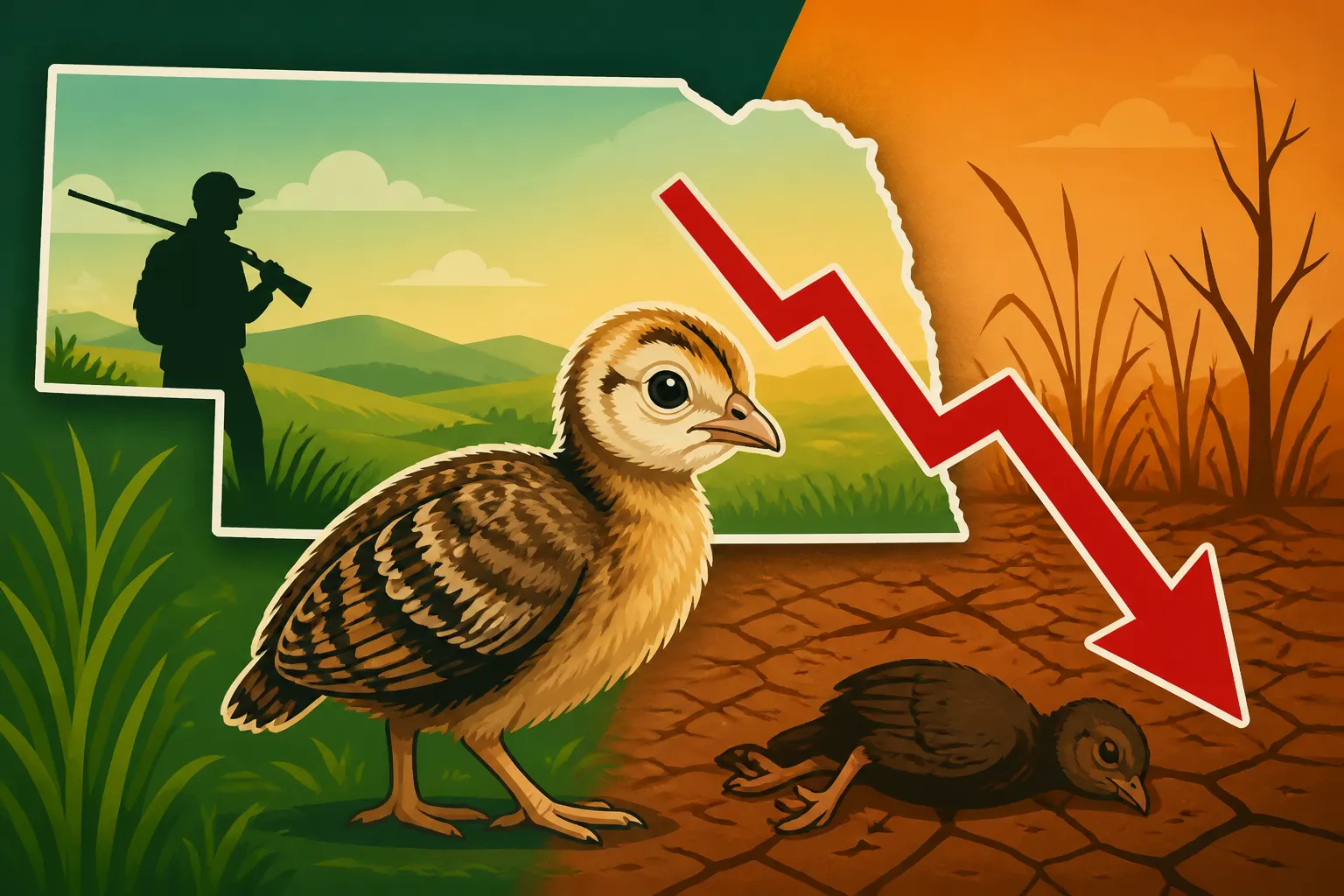
It's a disheartening truth for many of us who love chasing gobblers across the Nebraska landscape: wild turkey numbers aren't what they used to be. A major piece of this puzzle, and a source of much frustration and concern, is the struggle of young turkeys, known as poults, to simply survive past their first few weeks of life. This guide will dive deep into the multifaceted reasons behind Nebraska's declining turkey poult survival, exploring the environmental, predatory, and human factors at play, and what this means for the future of our beloved spring tradition.
Understanding Poult Survival: The Foundation of Future Flocks
When we talk about "poult survival," we're not just discussing a biological metric; we're talking about the very lifeblood of our wild turkey populations. A strong, healthy turkey population depends almost entirely on how many of those tiny, vulnerable poults make it to adulthood each year. If only a small percentage survive, the overall population will inevitably decline, leading to fewer birds gobbling in the spring and fewer opportunities for hunters and wildlife enthusiasts alike.
Think about it: a hen might lay a clutch of a dozen eggs, but if only two or three of those hatchlings manage to avoid predators, harsh weather, and disease long enough to fledge and fend for themselves, that's a significant loss. Over time, these small individual losses compound into a larger, more worrying trend. Without sufficient recruitment of young birds, even if adult survival remains steady, the population simply can't grow or even maintain itself. This is why when the numbers for Nebraska Turkey Population Estimate come out, the poult-to-hen ratios are often a major talking point.
The Critical First Weeks of a Poult's Life
The window immediately following hatching is the most perilous for a young turkey. Poult survival rates are notoriously low during these initial weeks, primarily because the birds are small, flightless, and incredibly susceptible to cold, wet conditions and a myriad of predators. Their thermoregulation isn't fully developed, meaning a prolonged cold rain event can be absolutely devastating, especially for newly hatched birds that haven't had time to feather out properly.
Furthermore, poults rely entirely on the hen for protection and guidance to food and water. They are essentially miniature versions of the adults, but without the physical defenses or the learned behaviors to navigate a dangerous world. Their primary defense is camouflage and staying hidden, but even the most vigilant hen can't be everywhere at once. This vulnerability is why understanding and addressing the factors that impact poult survival is so crucial; it's the period where we see the most significant losses and thus the greatest opportunity for potential positive impact.
Environmental Factors and Their Devastating Toll
Nebraska's weather patterns and habitat conditions play an enormous role in whether a poult makes it to see its first fall. We've all experienced those seasons where it feels like the weather just won't cooperate, and unfortunately, these conditions can be catastrophic for fragile young turkeys.
Unforgiving Weather: Cold, Rain, and Hail
One of the most significant culprits in poult mortality is adverse weather, particularly during the late spring and early summer when most turkey clutches are hatching. Cold, incessant rain can be absolutely deadly. Poults are not waterproof, and their downy feathers offer little insulation when soaked. Hypothermia can set in quickly, especially if the hen can't keep them adequately brooded and dry. A sustained period of cold, wet weather can decimate an entire hatch. Imagine a nest of a dozen little turkeys, just a few days old, huddled under a hen during a three-day cold front with steady drizzle. Their tiny bodies simply can't handle the chill, and many will perish from exposure.
Hailstorms, too, are another brutal reality of Nebraska weather. A severe hailstorm can strike quickly and violently, pelting open areas and dense cover alike. While adult turkeys might be able to weather such a storm, or find more substantial shelter, tiny poults can be killed by the sheer impact of large hail stones or succumb to injuries sustained. These unpredictable weather events, unfortunately, are often beyond any human control but have a profound impact on yearly poult numbers. This is a common challenge not just for turkeys, but also for other ground-nesting birds, as seen in how Spring Rain and Pheasant Nesting can impact those populations.
Habitat Degradation and Lack of Quality Brood Cover
The quality of habitat available to hens and their broods directly correlates with poult survival. Ideal brood-rearing habitat includes a mosaic of open woodlands, native grasslands, and agricultural edges, providing a mix of insects for food and dense, protective cover to hide from predators. However, habitat degradation, fragmentation, and changes in agricultural practices have steadily chipped away at these vital areas.
When quality brood cover is scarce, hens are forced to lead their poults through more open, less protective terrain, increasing their exposure to predators. Think about fields that are quickly mowed or grazed short, or areas where dense undergrowth has been cleared. Poults need tall, thick grasses, weeds, and shrubs to hide in, especially during those early weeks when they can't fly. These areas also host the insects that are a crucial food source for rapidly growing poults. The reduction in these complex, insect-rich environments due to modern farming methods or increased development means fewer safe places for poults to forage and escape danger, leading to lower survival rates year after year. Groups like GoHunt often highlight the importance of understanding habitat when planning a successful hunt, and this certainly applies to knowing where turkeys can thrive.
Predation and Disease: A Constant Threat
Even if poults manage to survive the weather, they face a gauntlet of predators and the ever-present threat of disease, particularly in areas with increasing predator populations or declining habitat quality.
The Ever-Present Threat of Predators
Predation is a natural part of the ecosystem, but when poult numbers are already struggling due to other factors, an increase in predator pressure can be devastating. A vast array of animals prey on turkey poults and eggs, including raccoons, skunks, opossums, coyotes, foxes, bobcats, owls, hawks, and even snakes. The vulnerability of young turkeys makes them easy targets.
Consider a scenario where a hen leads her brood across a field edge. A coyote or fox, often more abundant in fragmented landscapes, could quickly snatch several poults. An aerial predator like a hawk or owl can swoop down unnoticed. While a healthy turkey population can absorb some level of predation, a struggling one cannot. Increased populations of generalist predators, often thriving in human-altered landscapes, compound the issue. Effective predator management, or at least understanding predator dynamics, is a frequent discussion point for those focused on game populations, including how Predator Calling on the Nebraska Plains is part of wildlife management.
Disease and Parasites: Silent Killers
Disease and parasites can also significantly impact poult survival, often going unnoticed by the casual observer. Young birds, with their developing immune systems, are particularly vulnerable. Common poultry diseases can sometimes spill over into wild populations, especially if wild turkeys are interacting with domestic fowl. Internal parasites, while not always immediately fatal, can weaken poults, making them more susceptible to predation, disease, or the stresses of weather.
For example, a parasitic load might not kill a poult outright, but it could make it lethargic, less able to escape a predator, or less efficient at absorbing nutrients, stunting its growth and making it more vulnerable to the next cold snap. While large-scale disease outbreaks among wild turkeys are less common than in dense domestic settings, localized issues can certainly contribute to reduced poult survival, especially if environmental conditions are already stressing the birds.
Human Impact and Changing Landscapes
Our own actions and the way we manage the land profoundly affect the survival chances of young turkeys. From farming practices to overall land use, human activity casts a long shadow over wild turkey populations.
Agricultural Practices and Habitat Fragmentation
Modern agricultural practices, while essential for food production, have undeniably altered the landscape in ways that are less favorable for wild turkeys. Large-scale monoculture, the elimination of field edges and fence rows, and early haying or mowing schedules can destroy nests and poults directly, or eliminate crucial brood-rearing cover and insect food sources.
Imagine a farmer cutting alfalfa or hay fields early in the season. Many turkey hens will have nested in these fields, and the mowing equipment can easily destroy nests and kill brooding hens or young poults. Similarly, the trend towards "clean farming" practices means fewer weedy areas, brush piles, and uncultivated corners that once provided critical sanctuary and food for turkeys. This habitat fragmentation breaks up large, contiguous areas of suitable turkey habitat into smaller, isolated patches, making it harder for turkeys to find everything they need to thrive and for poults to survive. This also affects other game birds, which is why programs like CRP are so important, as discussed in CRP Acres and Nebraska Bird Numbers.
Limited Management Focus and Data Collection
Another aspect of human impact is the challenge of effectively managing wild turkey populations, especially when poult survival is a nuanced and difficult metric to track accurately. While agencies like Nebraska Game and Parks work diligently, resources are always stretched. Gathering robust data on poult-to-hen ratios and identifying specific causes of poult mortality across vast and varied landscapes is a massive undertaking.
Sometimes, management strategies might focus on broader population trends or adult harvest numbers, without fully pinpointing the specific pinch points in poult survival until the decline is already well underway. Hunters and conservation groups, using tools like those found on GoHunt, can sometimes contribute valuable anecdotal observations, but comprehensive, scientific data is key to understanding the specific regional challenges. Understanding How Game and Parks Counts Wildlife is a complex process, and poult survival is a particularly tricky aspect to quantify year over year.
What Does This Mean for Nebraska's Turkey Hunting?
The decline in poult survival ultimately translates to fewer turkeys in our woods and fields, directly impacting hunting opportunities. For those of us who eagerly anticipate Nebraska Spring Turkey Season Dates, this trend is concerning. Fewer successful hatches mean fewer jakes and young gobblers entering the population in subsequent years, which can affect harvest numbers and even the overall quality of the hunting experience.
If poult survival remains low, we might see continued adjustments to season lengths, bag limits like Nebraska Turkey Daily Harvest Limit, or even permit availability to try and stabilize or rebuild populations. This isn't just about limiting hunting; it's about ensuring the long-term health and sustainability of wild turkeys in Nebraska. The focus shifts from simply harvesting birds to a greater emphasis on conservation, habitat improvement, and understanding the ecological factors that hinder population growth.
Here's a simplified look at how poult survival can influence future turkey populations:
| Poult Survival Rate (0-6 weeks) | Effect on Population | Hunting Impact |
|---|---|---|
| High (>40%) | Growing/Stable | Good opportunities, consistent harvests |
| Moderate (20-40%) | Stable/Slight Decline | Variable opportunities, potential for small declines |
| Low (<20%) | Declining | Reduced opportunities, population management likely |
The good news is that understanding these factors is the first step toward finding solutions. Conservation efforts, habitat enhancement projects, and responsible land management can all play a part in improving the odds for those fragile young turkeys, hopefully leading to a rebound in our beloved wild turkey flocks. Whether you're using GoHunt to scout new areas or simply enjoying the sight of a strutting gobbler, the health of our turkey population starts with the survival of its youngest members.
Disclaimer
This article is for general informational purposes only and does not constitute professional advice. Laws, prices and regulations vary by location and change over time. Consult a qualified professional for guidance on your specific situation.