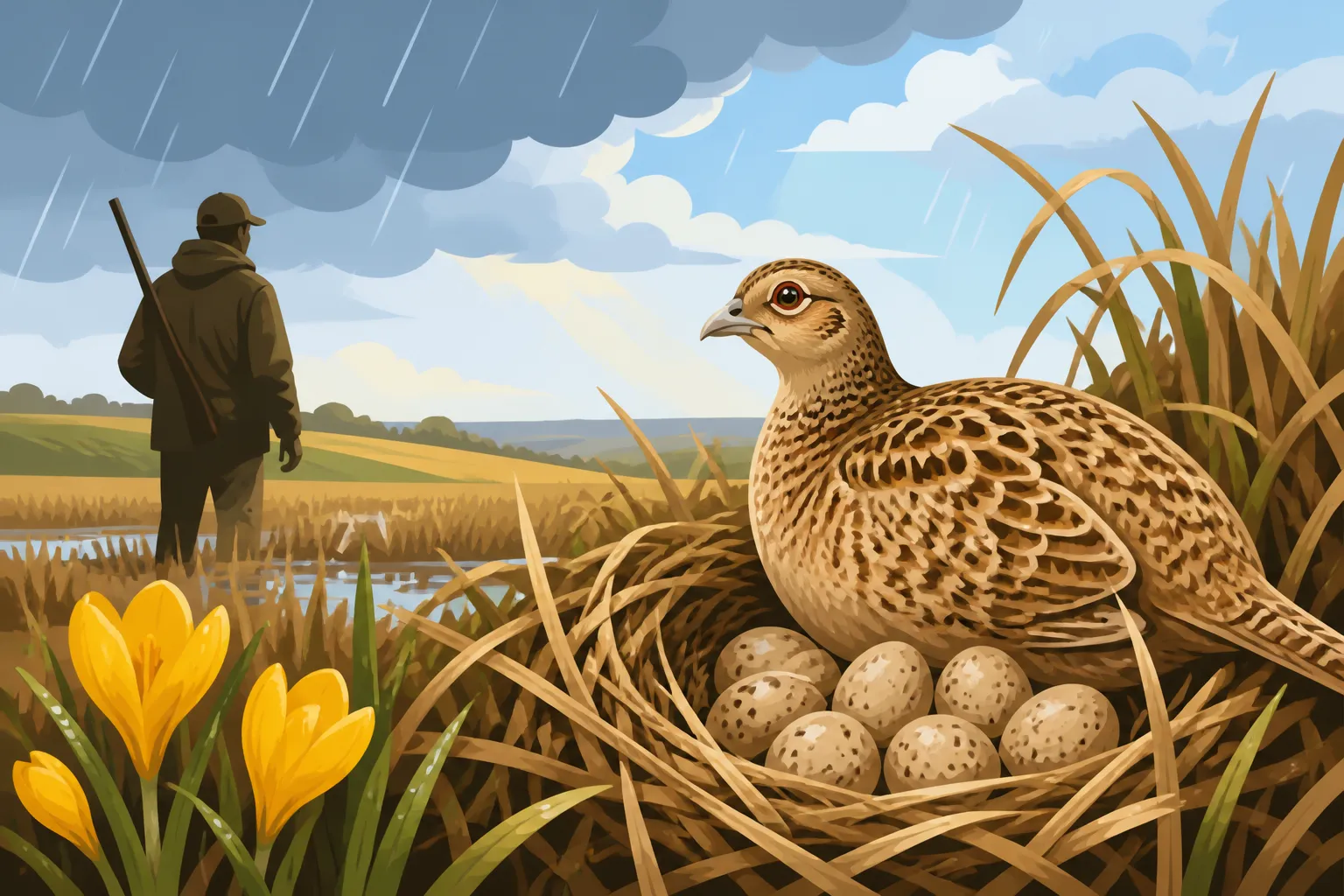
Spring Rain and Pheasant Nesting
One of the biggest heartaches for any hunter in Nebraska is seeing pheasant numbers dip, and it often leaves us wondering why. While harsh winters certainly play a role, the amount of rain we get in spring can make or break an entire nesting season for pheasants, impacting how many vibrant roosters and productive hens will be out there come fall. This guide dives deep into how spring moisture, from gentle drizzles to relentless downpours, truly affects pheasant nesting and brood survival, giving you a better understanding of what influences those crucial bird numbers.
The Critical Impact of Spring Rain on Pheasant Nests
When we talk about pheasant nesting, spring rain might sound like a simple factor, but its influence is anything but. Pheasants typically start nesting in April and continue through late summer, often attempting multiple clutches if the first one fails. During this crucial period, the type, duration, and intensity of rainfall can have profound effects, setting the stage for the fall hunting season.
A gentle, consistent spring rain is usually a blessing. It soaks into the soil, encouraging lush growth of grasses, alfalfa, and other herbaceous cover that pheasants rely on for nesting. This dense vegetation provides crucial concealment from predators like coyotes, raccoons, and raptors, giving hens a better chance to incubate their eggs safely. It also supports a booming insect population, which is absolutely vital for newly hatched pheasant chicks, providing their primary food source for the first few weeks of life. Without adequate insects, even well-hatched broods can struggle to survive. This is the sweet spot, where everything aligns for maximum nesting success.
However, too much rain, or rain at the wrong time, can spell disaster. Early spring deluges can flood nests that are located in low-lying areas, drowning eggs or forcing hens to abandon their efforts. Imagine a hen diligently sitting on a clutch of 10-12 eggs, only for a torrential overnight storm to turn her well-chosen nest site into a pond. She's left with no choice but to start over, if she can. These re-nesting attempts usually result in smaller clutches and later hatches, pushing the most vulnerable period for chicks further into the summer when conditions might be even tougher. The sheer energy expenditure of re-nesting can also take a toll on the hen's health and future reproductive success. It’s a delicate balance that these birds navigate every single year.
Optimal Rainfall for Pheasant Production
So, what exactly constitutes "optimal" rainfall for our Nebraska pheasants? It's not a one-size-fits-all answer, but generally, we're looking for consistent, moderate moisture without prolonged, heavy downpours. Think of it as a steady drip of life-giving water rather than a firehose blast.
An ideal spring will feature regular, light to moderate rainfall spread out over several weeks. This kind of moisture keeps the vegetation growing robustly, creating a canopy of cover that is tall, dense, and protective. This isn't just about hiding nests; it's about providing microclimates where chicks can thrive, protected from both predators and the elements. A strong, healthy stand of grass in April means better nesting opportunities in May and June. When observing historical data or looking at areas with consistently good pheasant numbers, you’ll often find springs that fit this pattern. Platforms like GoHunt often compile data that can hint at these conditions, though local observation is always key.
Furthermore, this consistent moisture allows for a rich and diverse insect population to flourish. Newly hatched pheasant chicks are almost entirely dependent on insects for protein during their first few weeks. Grasshoppers, beetles, ants, and various larvae provide the essential building blocks for rapid growth and development. If a spring is too dry, insect numbers can be drastically reduced, starving chicks even if they successfully hatch. Conversely, overly wet conditions can also suppress insect activity or wash them away, making foraging difficult for young birds. The goldilocks zone of spring rain truly sets the foundation for a strong pheasant recruitment year, giving those small, vulnerable chicks the best possible start in life. Nebraska's Ring-Necked Pheasant Story is deeply tied to these environmental factors.
How Extreme Rain Events Affect Brood Survival
While moderate rain is a boon, extreme rain events are often the nemesis of pheasant brood survival. Nebraska weather can be notoriously fickle, swinging from drought to deluge, and these extremes hit nesting pheasants particularly hard. Heavy, prolonged rainfall, especially when accompanied by cold temperatures, can decimate pheasant populations in a hurry.
Consider a scenario where a massive thunderstorm system stalls over a region for several days, dumping several inches of rain. Such events lead to widespread standing water in fields, ditches, and low-lying grasslands – precisely where pheasants often choose to nest. Nests become waterlogged, and eggs can be chilled to the point of being non-viable, or simply float away. Hens, despite their dedication, cannot incubate eggs effectively when they are submerged or constantly cold. The stress of trying to keep eggs warm in such conditions can also lead to hen mortality or abandonment.
Even if eggs manage to hatch after a severe rain event, the challenges continue for the chicks. Young pheasant chicks are incredibly vulnerable to hypothermia. A prolonged period of cold rain can chill them quickly, leading to death. Their downy feathers offer little protection against persistent wetness and cold. Additionally, the very insects they rely on for food might be washed away, driven underground, or become scarce in waterlogged conditions. This creates a double whammy: surviving chicks face a food shortage just when their need for high-protein sustenance is most critical. This is a common factor when you hear about Nebraska Pheasant Population Decline.
In the table below, you can see a general comparison of how different spring rainfall scenarios tend to impact pheasant nesting success:
| Rainfall Type | Impact on Nesting Success | Brood Survival | Habitat Cover Growth | Insect Abundance |
|---|---|---|---|---|
| Light, Consistent | Excellent: promotes dense cover, minimal disturbance | High: abundant food, warm | Lush, protective | High |
| Moderate, Timely | Good: supports growth, occasional re-nesting | Moderate to High | Healthy, diverse | Moderate to High |
| Heavy, Prolonged | Poor: nest flooding, egg chilling, abandonment | Low: drowning, exposure, starvation | Waterlogged, sparse in low areas | Low |
| Cold, Persistent | Very Poor: hen mortality, chick hypothermia | Very Low | Stressed, slow growth | Very Low |
| Drought/Too Dry | Poor: sparse cover, increased predation risk | Low: food scarcity, heat stress | Stunted, poor concealment | Low |
These extreme weather patterns can wipe out entire clutches and severely reduce the number of young birds making it to fall. It’s a stark reminder of how fragile early life is for these game birds and why Winter Weather and Pheasant Survival is only one piece of the puzzle.
What Hunters Can Look For After a Wet Spring
For those of us eagerly anticipating the fall pheasant season, understanding the nuances of spring rainfall can give us a leg up on expectations and scouting. You can learn a lot by simply observing the environment around you in the summer months, long before the first rooster takes flight. Scouting Nebraska Public Ground Before Opening Day becomes even more crucial after a questionable spring.
First, pay close attention to the general condition of nesting cover. If you see areas that were traditionally thick and lush now looking sparse, or if low-lying areas that typically hold good cover appear to have been recently flooded, that's a red flag. Look for signs of "drowning out" – dead or stunted vegetation in depressions. Even in August, these indicators can tell you a lot about the conditions during the prime nesting months of May and June. Satellite imagery tools, sometimes available through resources like GoHunt, can even help you identify these patterns over larger areas, though ground-truthing is always the best.
Secondly, observe the water levels in ditches, creeks, and small wetlands. If they were overflowing for extended periods in spring, it's highly likely that many nests in adjacent uplands or low-lying areas were impacted. Persistent standing water in fields or along field edges in late spring and early summer suggests unfavorable conditions for both nests and young broods. When you're driving through rural areas in July or August, notice how many broods you see. While this is anecdotal, a noticeable lack of young birds can confirm your suspicions about a tough spring. You can compare your observations to information from sources like The Nebraska Rural Mail Carrier Survey that track pheasant numbers.
Finally, consider the timing of any significant rainfall. An early May deluge might allow for re-nesting, leading to later, smaller broods. A series of heavy rains in June or July, however, can be catastrophic for established broods, as chicks are still very vulnerable to chilling and drowning. All these observations will help you calibrate your expectations for the season. You'll know that if the spring was exceptionally wet, you might need to hunt harder, focus on areas with higher elevation or better drainage, and be prepared for potentially lower bird numbers. Knowing When Nebraska's Pheasant Season Opening Date is important, but knowing what to expect when you get there is even better.
Disclaimer
This article is for general informational purposes only and does not constitute professional advice. Laws, prices and regulations vary by location and change over time. Consult a qualified professional for guidance on your specific situation.