Winter Weather and Pheasant Survival
The bitter winds sweeping across the Nebraska plains and the heavy blankets of snow aren't just an inconvenience for us; for our pheasants, winter can be an incredibly harsh test of survival. Many hunters and wildlife enthusiasts wonder just how these vibrant birds make it through the toughest months, often frustrated by seeing fewer birds after a particularly brutal cold snap. This guide will dive deep into the challenges pheasants face when the temperatures drop and the snow flies, exploring the critical role of habitat and what we can all do to help these resilient birds thrive.
The Harsh Realities of a Nebraska Winter for Pheasants
When the calendar flips to December and beyond in Nebraska, the landscape transforms into a formidable opponent for pheasants. It's not just about a little chill in the air; it's a multi-faceted assault that tests their limits every single day. The challenges they face are direct, constant, and often unforgiving.
The Double Whammy of Cold and Snow
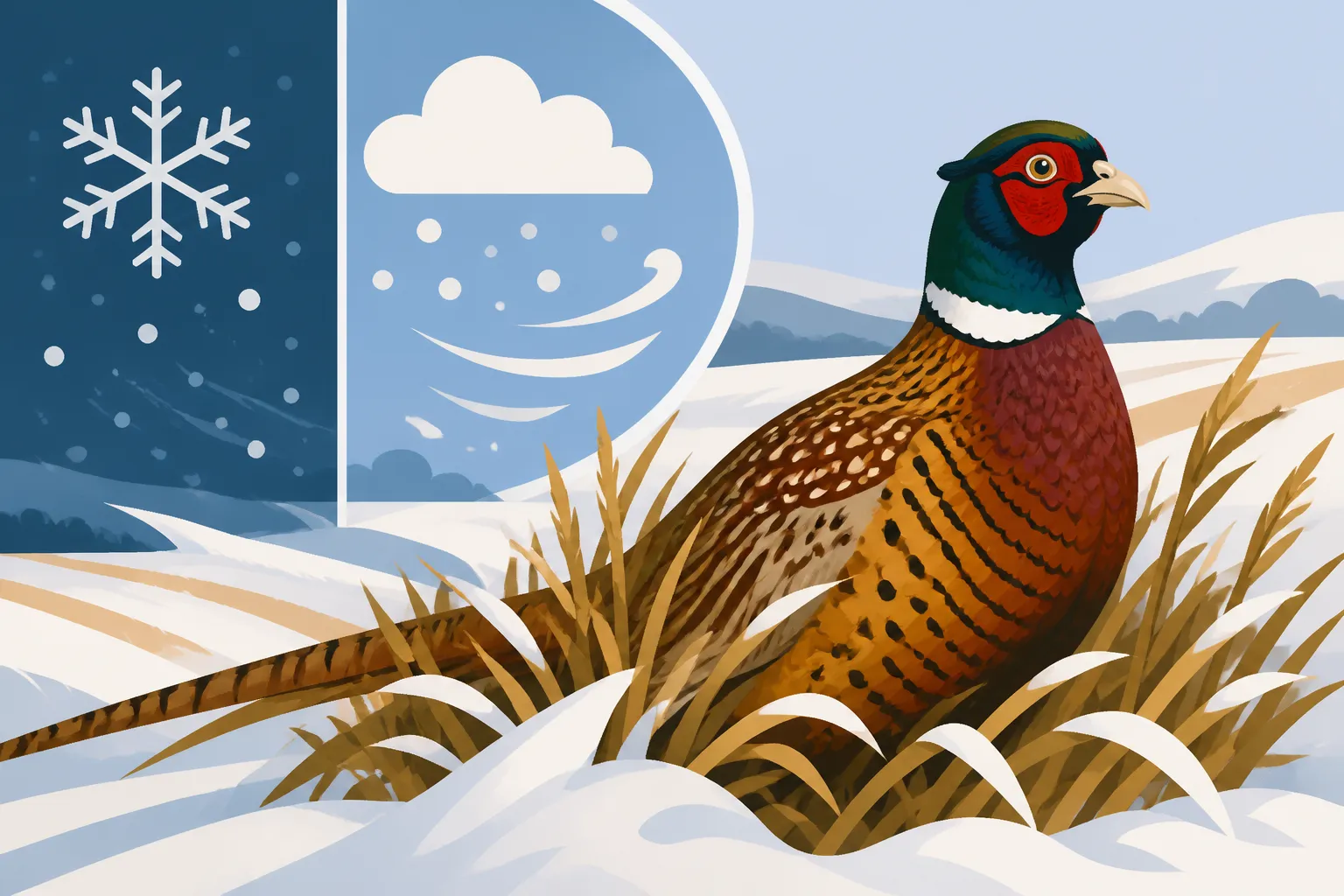
Imagine trying to stay warm and find food when the wind howls at 30 miles per hour and the thermometer barely crawls above zero, all while a foot of snow covers everything. That's the reality for a pheasant in a typical Nebraska winter. The combination of intense cold and deep snow is perhaps the most significant threat to their survival. Pheasants are warm-blooded, meaning they need a constant intake of calories to maintain their body temperature. When temperatures plummet, their metabolic rate skyrockets, demanding more energy just to stay alive. If they can't find enough food to meet these energy demands, they quickly deplete their fat reserves, becoming weakened and more susceptible to other threats.
Deep snow exacerbates this problem by acting as a physical barrier to food. Pheasants primarily feed on waste grain, seeds, and insects found on the ground. A few inches of light snow might not be an issue, but when several inches or even feet of heavy, crusted snow accumulate, those food sources become completely inaccessible. They can scratch through light snow, but a solid, icy crust or deep drifts are impassable. This is where you'll hear hunters talking about "winter kill" – not from being directly frozen, but from starvation and exposure as their energy reserves are exhausted. It's a cruel irony that the very snow that makes for picturesque winter scenes can spell disaster for our feathered friends. You can see how harsh conditions impact other species, too, in our article on Quail Winter Kill in Hard Years.
Predation: An Added Winter Burden
As if battling the elements wasn't enough, winter significantly alters the predator-prey dynamic, putting pheasants at an even greater disadvantage. With much of the vegetation flattened by snow or harvest, the natural cover that pheasants rely on for concealment during warmer months disappears. This lack of protective cover makes them highly visible targets for aerial predators like hawks and owls, and ground predators such as coyotes, foxes, and bobcats. A pheasant trying to scratch through snow for food in an open field is a stark silhouette against the white background, a beacon for any hungry predator.
Furthermore, weakened birds are easier to catch. A pheasant already struggling with hunger and cold won't have the same burst of speed or stamina to escape a pursuing coyote as a healthy bird would. Predators are also feeling the pinch of winter, meaning they are often more persistent and desperate in their hunting efforts. It creates a vicious cycle where the elements weaken the prey, making them easier targets for predators who are themselves driven by the same harsh conditions. Understanding these pressures helps us appreciate the importance of dense, protective habitat, especially when considering Predator Calling on the Nebraska Plains for other game species.
The Lifeline of Quality Winter Habitat
Given the severe challenges winter poses, it becomes abundantly clear that habitat isn't just a convenience for pheasants; it's an absolute necessity for their survival. Without adequate, well-placed winter cover and reliable food sources, even a moderately harsh winter can decimate local pheasant populations. Think of good winter habitat as a fortified castle against the siege of cold, snow, and predators.
Shelter from the Storm: Thermal Cover
The most crucial component of winter pheasant habitat is dense, protective cover that offers both thermal insulation and concealment. This isn't just a few scattered weeds; we're talking about robust, standing vegetation that can intercept snow, block wind, and provide a safe haven. Excellent examples include thick cattail sloughs, dense cedar shelterbelts, unharvested food plots, or even switchgrass and other warm-season grasses. These areas create microclimates that are significantly warmer and less windy than the surrounding open fields. The thick stems and leaves trap insulating air, and the sheer density prevents snow from completely burying the ground.
When pheasants can escape the wind and find refuge in such cover, they can drastically reduce their energy expenditure. A bird hunkered down in a dense cattail stand might experience temperatures 10-20 degrees warmer than the exposed air temperature, and be completely shielded from the wind chill. This makes a huge difference in their ability to conserve precious energy. Without such thermal cover, pheasants are forced to roost in more exposed areas, rapidly burning through their energy reserves and becoming more vulnerable. This is why when you're Working a Cattail Slough in January, you're often finding birds that have sought out these crucial hideouts.
Reliable Food Sources: Fueling Survival
Even the best thermal cover won't sustain pheasants if they can't access food. Calories are king in winter. While pheasants are opportunistic feeders, relying on waste grain from harvested fields is a gamble, especially with deep snow. Therefore, dependable, easily accessible food sources within or immediately adjacent to their thermal cover are vital. Unharvested food plots, left standing specifically for wildlife, are gold mines. These plots, often planted with corn, milo, or sunflowers, provide a high-energy food source that stands above the snow and is relatively easy for pheasants to access.
Consider a patch of standing corn adjacent to a thick shelterbelt or cattail marsh. The birds can emerge from their warm cover, feed quickly, and retreat to safety without expending excessive energy or exposing themselves to predators for long periods. This proximity is critical; pheasants cannot afford to travel long distances across open, snowy fields to find food in winter. Every calorie spent flying or walking through deep snow is a calorie that might have been used to stay warm. Programs like the Conservation Reserve Program (CRP) that encourage planting such cover and food have a direct impact on how many birds survive, as highlighted in CRP Acres and Nebraska Bird Numbers.
The Role of Hunters and Landowners in Winter Survival
While nature throws its toughest challenges at pheasants during winter, we humans, particularly hunters and landowners, have a significant role to play in tipping the scales in their favor. Our actions, both direct and indirect, can make a tangible difference in the survival rates of these beloved game birds. It's about being proactive and thoughtful in our approach to land management and hunting practices.
Habitat Improvements: A Hands-On Approach
Landowners hold immense power when it comes to creating and maintaining vital winter pheasant habitat. Simple, strategic improvements can have a profound impact. One of the most effective methods is leaving standing strips of corn, milo, or other grain crops adjacent to good thermal cover like shelterbelts or grass waterways. These unharvested strips provide accessible food above the snow line and can even offer additional windbreak. The impact of such efforts is clearly seen when we look at Nebraska's Pheasant Population Decline and how habitat loss has contributed.
Another crucial improvement is managing existing cover to make it denser and more diverse. This could involve selective burning or mowing of older grass stands to encourage new growth, or planting additional shrubs and trees to thicken shelterbelts. Sometimes, simply delaying tillage on certain fields can leave waste grain available longer. Even small, seemingly insignificant pockets of dense cover can act as vital refuges during severe weather. Organizations and state programs often provide resources and incentives for landowners to implement these conservation practices. When I'm looking for prime areas, I use mapping tools from services like GoHunt to analyze land features and identify potential habitat improvement zones or existing wintering areas. This kind of detailed aerial view can reveal overlooked opportunities for enhancing cover.
Thoughtful Hunting Practices: Easing Winter Pressure
Hunters, too, can contribute to pheasant survival by adopting thoughtful practices, especially as the season wears on and winter deepens. While hunting is a valid and important management tool, understanding the birds' vulnerability in late season is key. One approach is to avoid over-pressuring prime wintering cover, particularly during the coldest, snowiest stretches. If birds are repeatedly flushed from their thermal cover, they expend critical energy that they desperately need for survival. This doesn't mean stopping hunting altogether, but perhaps choosing to hunt different areas or limiting the frequency of hunts in the most critical winter refuges.
Additionally, targeting rooster-only harvests ensures that the breeding stock for the following spring remains strong. Hens are vital for future populations, and protecting them, especially in late winter, is paramount. Many hunters also choose to focus on Hunting Cattail Sloughs Late in the Season because these areas are so critical, knowing that the birds they encounter there are truly tough survivors. By respecting the challenges pheasants face and adjusting our hunting strategies accordingly, we can help ensure a healthy population for years to come.
Beyond the Snow: Long-Term Trends Affecting Pheasants
While immediate winter weather impacts are obvious, a deeper look reveals broader, long-term trends that significantly influence pheasant survival and overall population health in Nebraska. These are often tied to agricultural practices, land use policies, and ongoing conservation efforts. Understanding these larger forces helps us put individual winter events into a greater context.
Changing Landscapes and CRP Enrollment
The face of agricultural Nebraska has changed dramatically over the decades, and with it, the availability of quality pheasant habitat. As farming practices have become more intensive, larger fields, fewer fence rows, and more "clean farming" approaches have reduced the diverse, brushy edges and idle lands that pheasants thrive in. The widespread adoption of fall tillage, for example, removes crucial waste grain and cover that would otherwise carry birds through winter. This relentless march of efficiency, while beneficial for crop production, has a direct and often negative impact on ground-nesting birds like pheasants.
The Conservation Reserve Program (CRP) has been a vital counter-balance to these trends, paying landowners to convert highly erodible cropland into perennial vegetative cover. These CRP acres often provide excellent nesting, brooding, and winter cover for pheasants. However, CRP enrollment fluctuates with commodity prices and policy changes. When CRP acres decline, pheasant populations often follow suit, as evidenced by studies that informed What the Berggren Plan Set Out to Do. The availability of these enrolled lands is a huge factor, and services like GoHunt can help identify large tracts of such habitat that might be available through public access programs like Hunting Open Fields and Waters Tracts for Pheasants. The ebb and flow of CRP enrollment directly affects how many pheasants have the habitat necessary to weather a harsh winter and rebound in spring.
Monitoring Pheasant Populations and Management Efforts
State wildlife agencies, like the Nebraska Game and Parks Commission, continuously monitor pheasant populations through various surveys to assess their health and guide management decisions. One of the most important tools is the annual roadside "Rural Mail Carrier Survey" or similar August roadside counts, which give biologists a snapshot of the year's breeding success and poult survival. This data, as discussed in The Nebraska Rural Mail Carrier Survey, helps them understand trends and predict the impact of various factors, including the previous winter's severity. If a severe winter leads to heavy winter kill, it will often show up as lower bird numbers in the following spring and summer surveys.
These surveys, combined with hunter harvest data, inform decisions on season lengths, bag limits, and habitat initiatives. When populations are struggling, perhaps after a series of tough winters or significant habitat loss, agencies might implement plans to boost numbers through habitat development projects, predator control efforts, or even adjusting hunting regulations. It's a continuous cycle of observation, analysis, and adaptation, all aimed at ensuring that Nebraska's pheasant population remains robust enough to withstand the inevitable challenges that come with living on the Great Plains, from brutal winters to fluctuating nesting success, as detailed in Spring Rain and Pheasant Nesting.
Summary of Winter Pheasant Survival Factors
| Factor | Impact on Pheasants | Mitigation/Benefit of Good Habitat |
|---|---|---|
| Cold Temperatures | Increased metabolic rate, rapid energy depletion, hypothermia. | Thermal cover provides insulation, reduces wind chill, conserves energy. |
| Deep/Crusted Snow | Blocks access to food sources, increases energy expenditure. | Standing food plots, dense cover intercepts snow, food remains accessible. |
| Predation | Increased vulnerability due to lack of cover, weakened state. | Dense, secure cover provides concealment and escape routes. |
| Lack of Food | Starvation, weakened immune system, susceptibility to disease. | Accessible food plots, waste grain adjacent to cover. |
| Exhaustion | Constant energy drain from searching for food, staying warm. | Close proximity of food and cover minimizes travel and energy use. |
Disclaimer
This article is for general informational purposes only and does not constitute professional advice. Laws, prices and regulations vary by location and change over time. Consult a qualified professional for guidance on your specific situation.