Shotgun Weight on a Long Prairie Walk
Shotgun weight on Nebraska prairie walks affects hunter fatigue, shooting accuracy, and overall upland hunting enjoyment.
See it before it sees you.
Binoculars, spotting scopes, and rangefinders, plus packs, boots, layering systems, blinds, and stands that earn their weight.
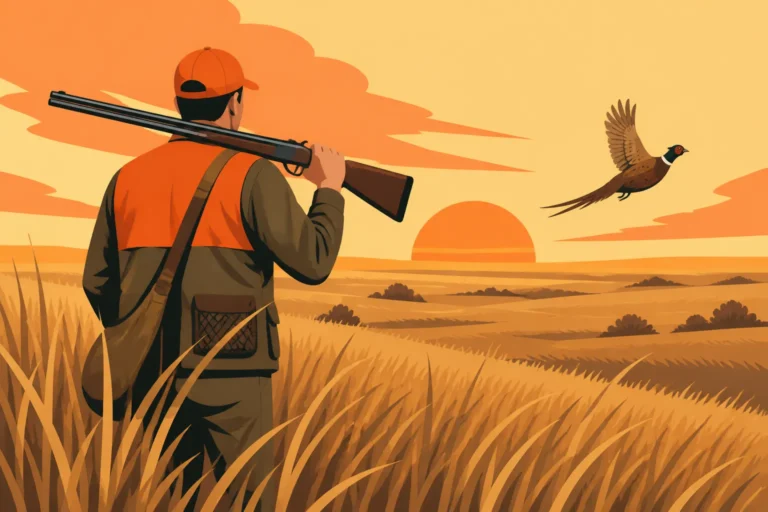
Shotgun weight on Nebraska prairie walks affects hunter fatigue, shooting accuracy, and overall upland hunting enjoyment.
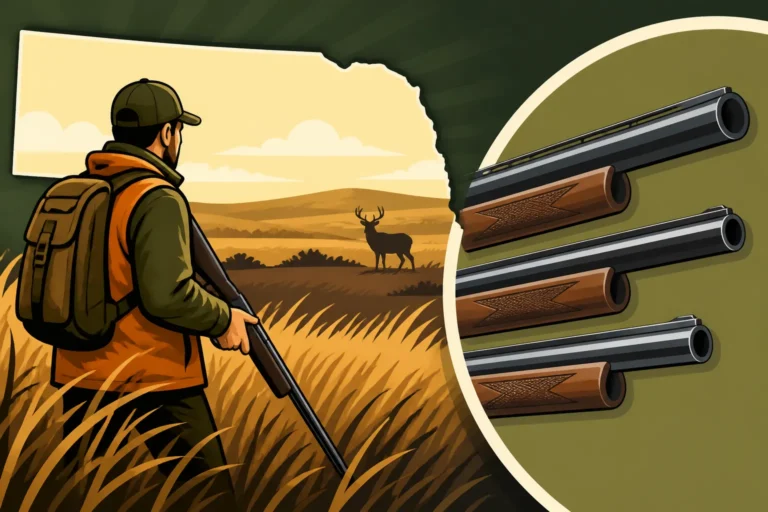
Shotgun barrel length for Nebraska walk-up hunting determines maneuverability in dense cover and swing stability for open prairie birds.
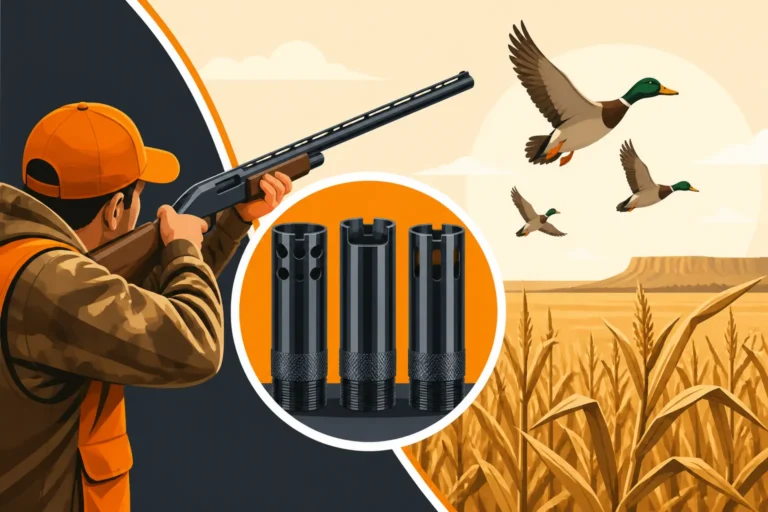
Choosing the right shotgun choke for blocking pheasant and grouse field hunts helps hunters make ethical, clean kills.
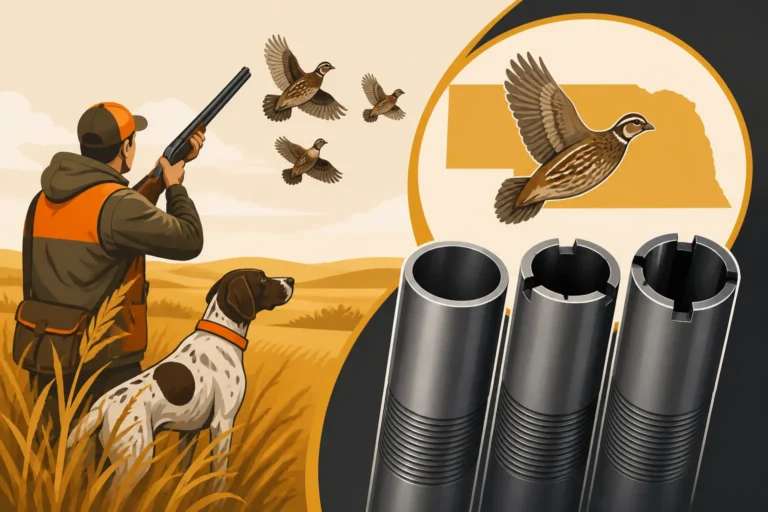
Shotgun choke selection controls pellet spread for Nebraska pheasant and grouse hunters across varying field distances.
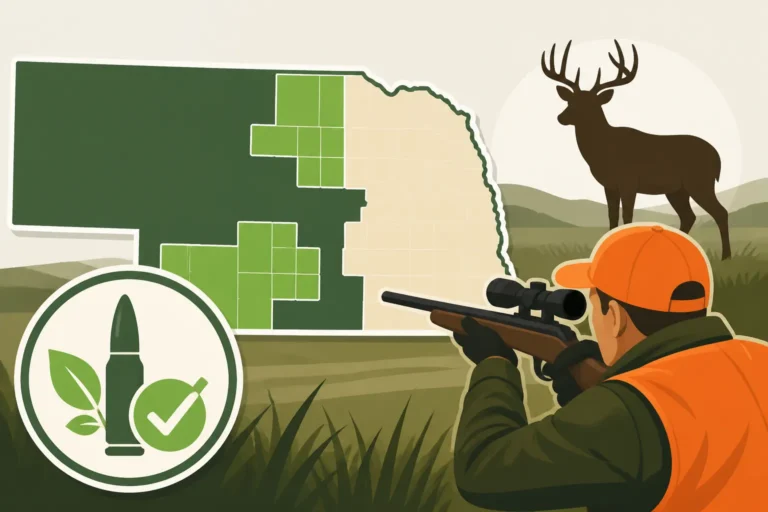
Nebraska hunting regulations require nontoxic shot on federal lands including National Wildlife Refuges and Waterfowl Production Areas.
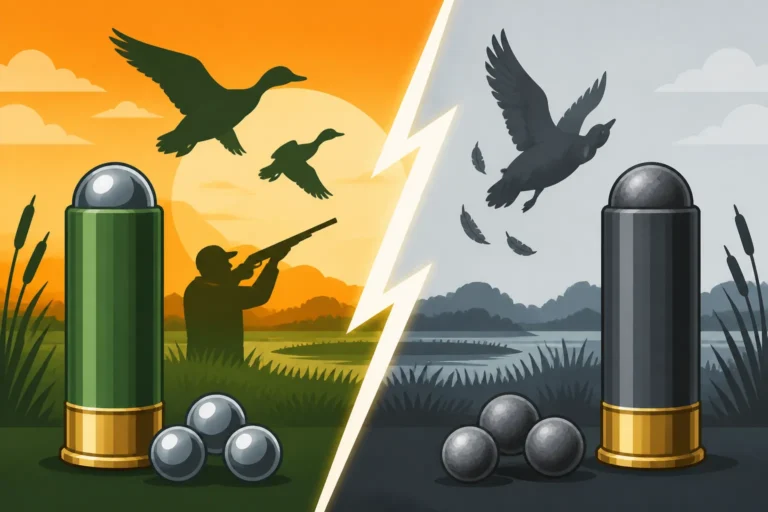
Nebraska Wildlife Management Area ammunition regulations explain when hunters must use nontoxic steel shot instead of lead.
Late-season Nebraska pheasant hunting requires larger shot sizes because birds develop heavier body mass and thicker plumage.
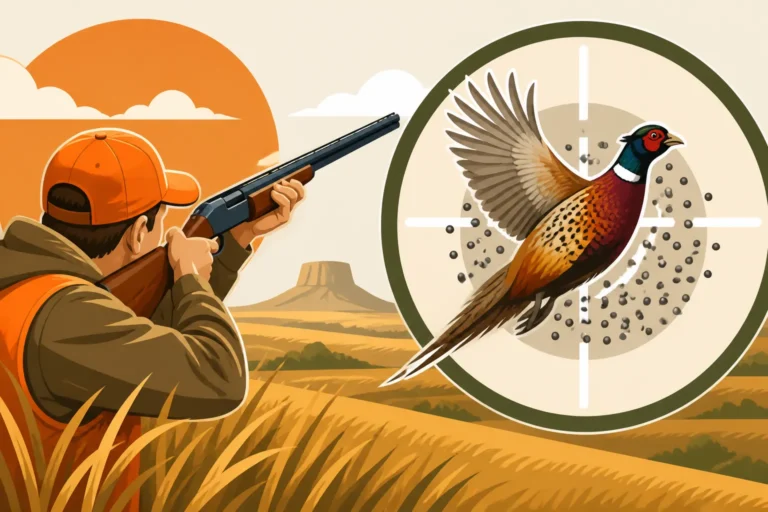
Early-season pheasant hunting in Nebraska requires choosing the right shot size for close flushes and dense cover.
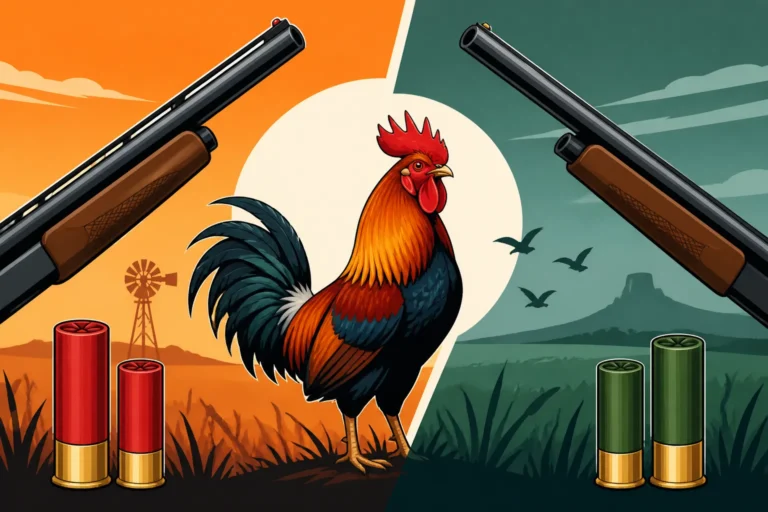
Choosing between 12 gauge and 20 gauge shotguns for Nebraska pheasants depends on bore size, payload, and felt recoil.
Nebraska pheasant hunters learn how 12-gauge, 20-gauge, and smaller shotgun sizes handle wild roosters and heavy cover.