Nebraska’s Pheasant Population Decline
Nebraska pheasant population decline stems from habitat loss and reduced Conservation Reserve Program acreage since the mid-twentieth century.
Know what you’re after.
Big game, small game, upland birds, and waterfowl — identification, behavior, rut and migration timing, and how each species moves through the season.
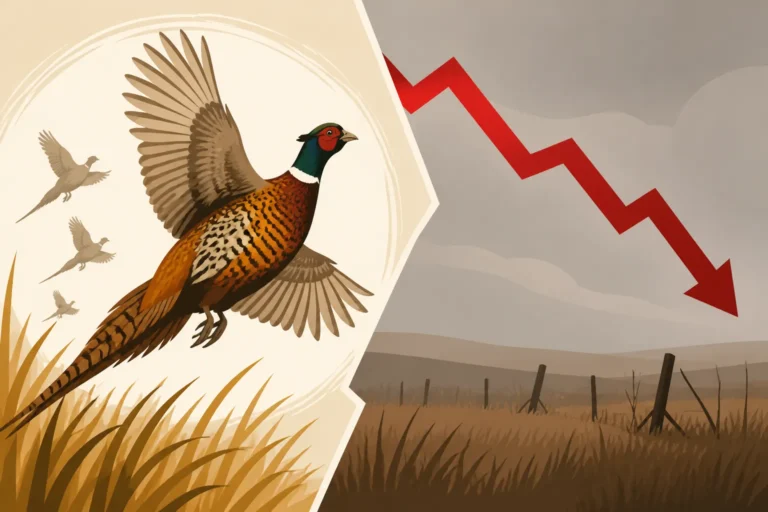
Nebraska pheasant population decline stems from habitat loss and reduced Conservation Reserve Program acreage since the mid-twentieth century.
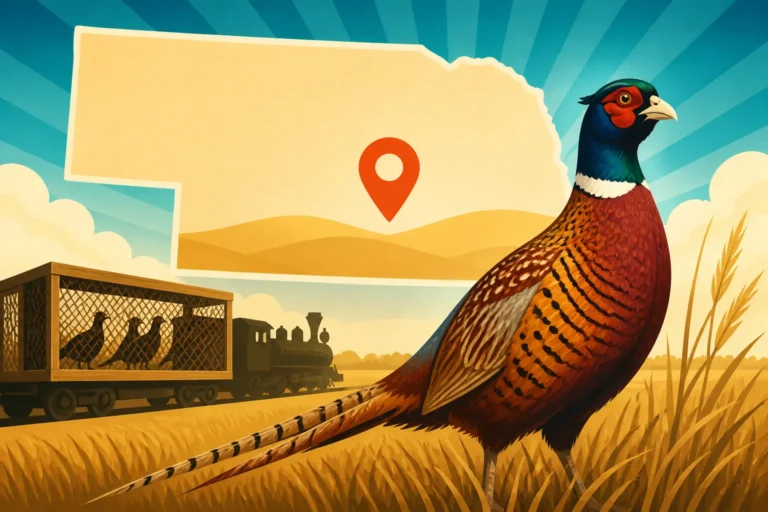
The history of ring-necked pheasants details their introduction, adaptation, and early conservation efforts across Nebraska.
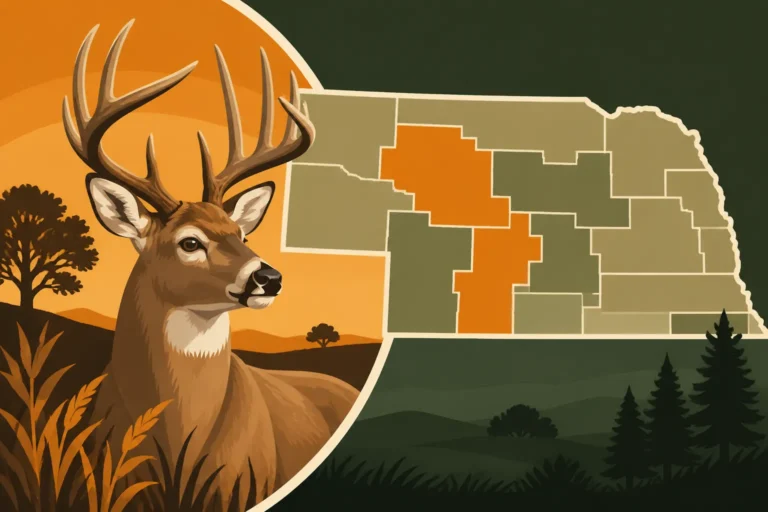
Nebraska deer management units ranked by buck harvest data, along with permit types and the eighty-five percent resident permit split.
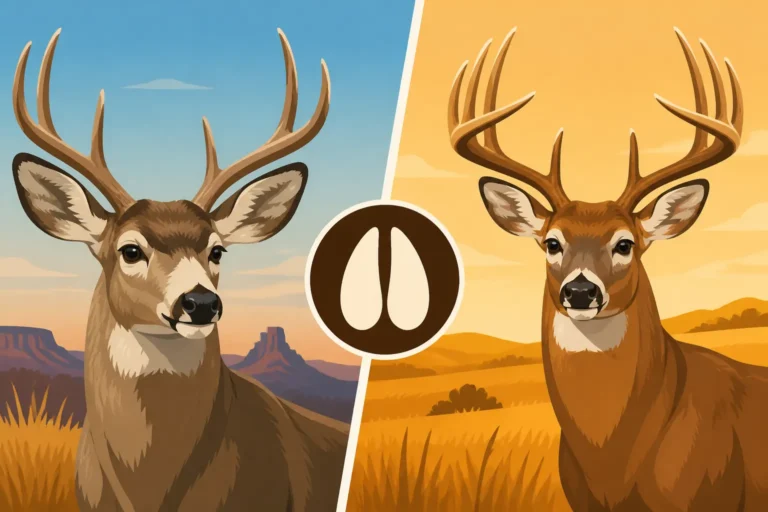
Nebraska mule deer and white-tailed deer identification requires comparing distinct ear sizes, tail colors, and physical traits.
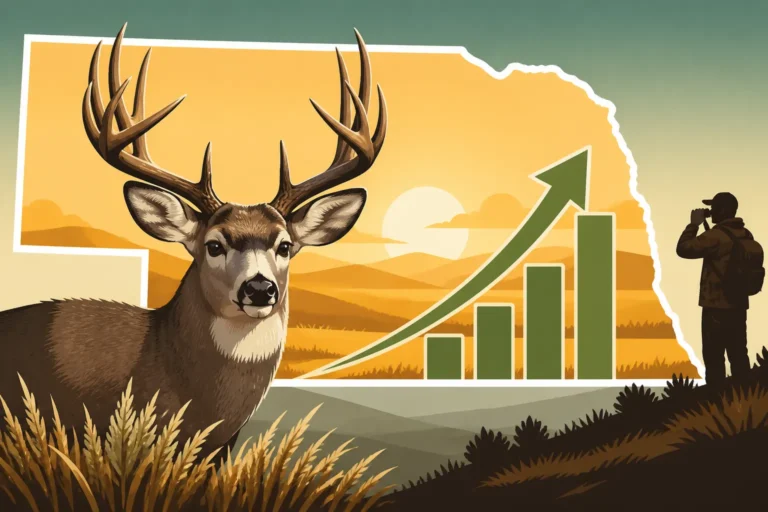
Nebraska mule deer harvest recovery details past population declines, conservation strategies, and signs of a positive population resurgence.
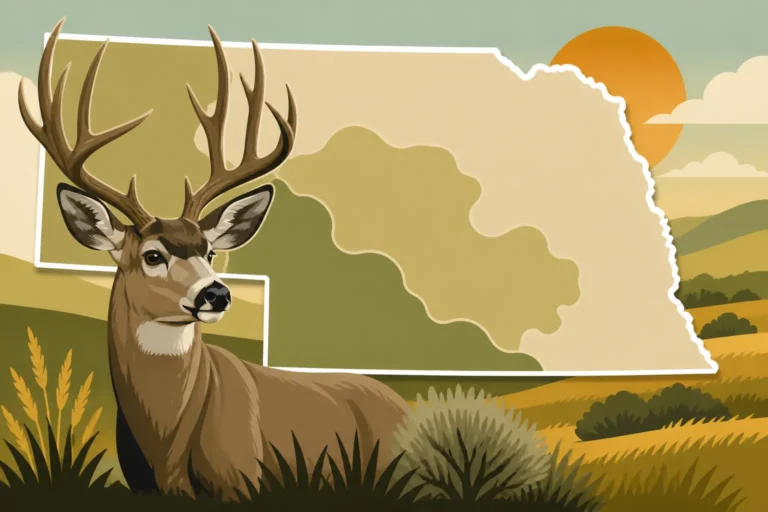
Nebraska mule deer range details explain specific western terrain preferences, canyon systems, and open grasslands for hunting success.
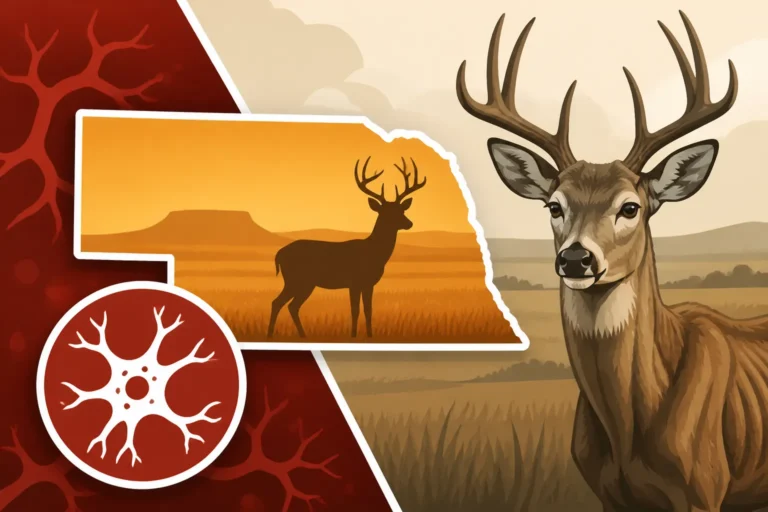
Chronic Wasting Disease in Nebraska explains prion transmission, neurological symptoms in deer, and steps hunters take to manage spread.
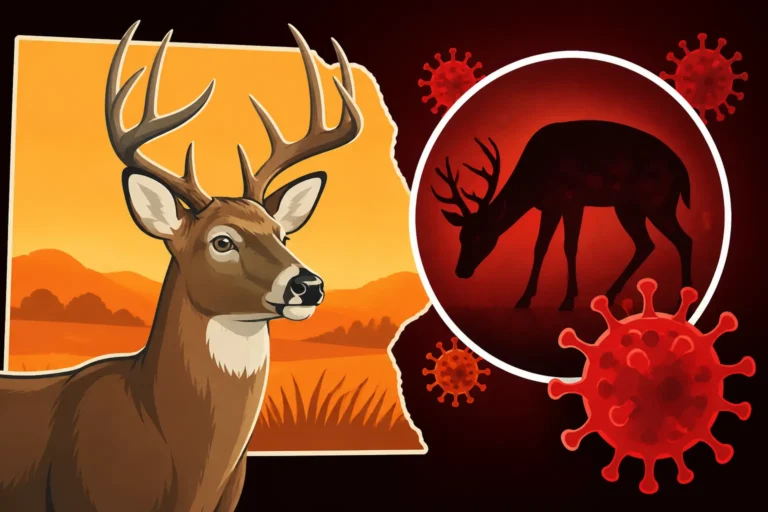
Epizootic Hemorrhagic Disease causes severe viral infections in Nebraska white-tailed deer via biting midge transmission.
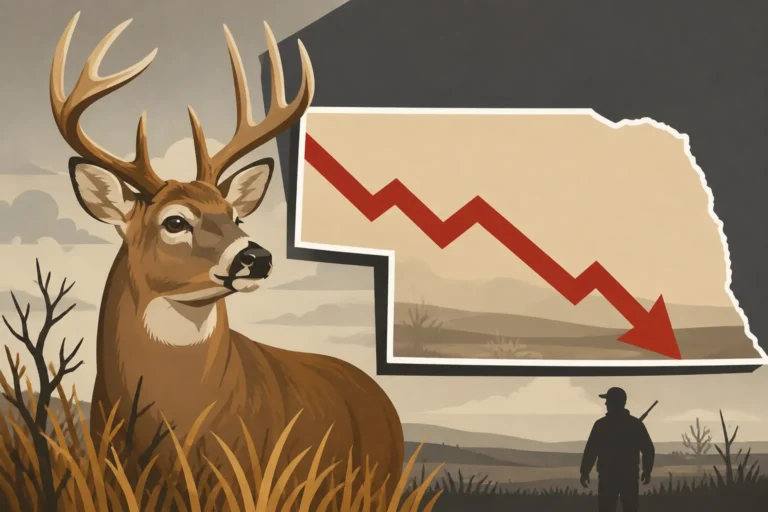
Nebraska whitetail buck harvest numbers reaching a thirty-year low reveal population declines, environmental challenges, and management issues.
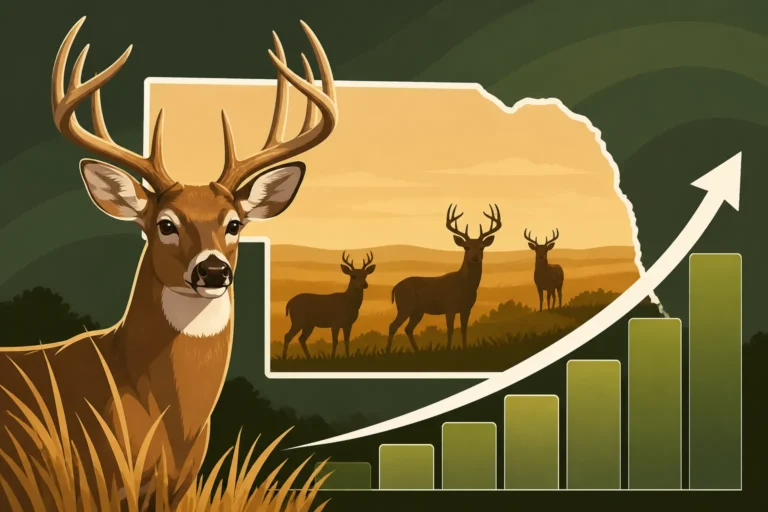
Nebraska whitetail population trends, regional differences, and harvest data explain recent deer herd declines across the state.