How Mule Deer Numbers Have Rebounded
There was a time when seeing a big mule deer buck in Nebraska felt like finding a unicorn. Many of us who hunt the Sandhills or the Panhandle remember years where mule deer numbers seemed to be constantly on a downward slide, leaving us frustrated and wondering if those majestic deer would ever truly thrive again. This guide dives into the incredible journey of Nebraska's mule deer, exploring the challenges they faced and celebrating the significant rebound in their populations we're witnessing today.
The Historical Dip and What Caused It
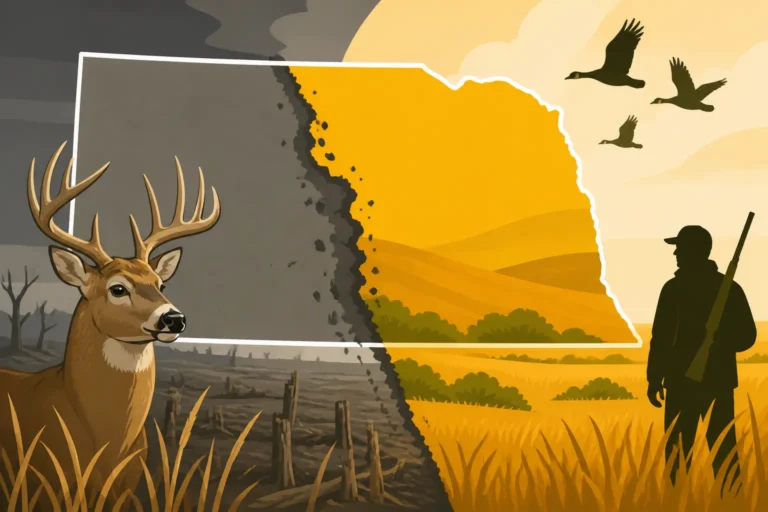
It's no secret that mule deer populations across much of the West, including Nebraska, hit some pretty low points over the past few decades. For hunters and wildlife enthusiasts alike, it was a worrying trend that felt like it would never reverse. You’d drive through familiar country, glassing draws and distant ridges, and come up empty, or see only a fraction of the deer you once did. This decline wasn't due to a single culprit but rather a perfect storm of environmental pressures and other factors.
Disease, Habitat, and Hard Winters
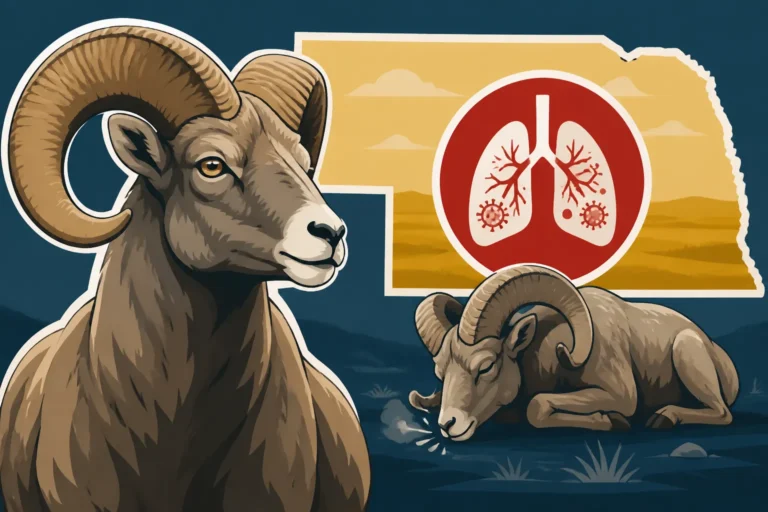
One of the most devastating blows to mule deer populations has always been disease. Outbreaks of diseases like epizootic hemorrhagic disease (EHD) and other less-common ailments can sweep through herds, particularly in areas with higher deer densities or during times of environmental stress. While EHD often hits whitetails harder, mule deer aren't immune, and localized outbreaks certainly took their toll. Imagine finally seeing a strong age-class of bucks, only for a disease to decimate them, setting the population back years.
Beyond disease, habitat changes have played a massive role. The Sandhills and Panhandle regions, while vast, are not static. Changes in land use, ranging from shifts in grazing practices to the encroachment of invasive plant species, can alter critical mule deer forage and cover. Droughts, which Nebraska experiences with some regularity, also degrade habitat quality, making it harder for deer to find adequate food and water, especially in the crucial summer months when fawns are growing. Then, you layer on top of that some truly brutal winters. When deep snow covers forage for extended periods and temperatures plummet, mule deer, particularly fawns and older animals, struggle to survive. A series of consecutive harsh winters can wipe out the gains made in previous milder years, leaving the herds struggling to recover.
Hunter Concerns and Management Response
The declining numbers didn't go unnoticed by the hunting community. Many hunters, myself included, felt that familiar pit in our stomach, seeing fewer deer year after year. There was a genuine fear that we were losing something special. This concern was voiced loudly and clearly to the Nebraska Game and Parks Commission (NGPC), urging them to take action. Hunters, after all, are often the first to notice these shifts in wildlife populations because we're out there, day after day, year after year.
In response to these trends and hunter input, the NGPC began to implement various management strategies aimed at stabilizing and eventually rebuilding mule deer herds. This often involved conservative permit allocations, especially for antlered mule deer. The goal was to reduce harvest pressure, allowing more bucks to reach maturity and contribute to the breeding population, and more does to reproduce successfully. It wasn't always a popular decision, especially when hunters were already seeing fewer tags available for a species they loved to pursue, but it was a necessary step. These measures also prompted more intensive research into mule deer ecology, habitat use, and survival rates within the state, giving biologists better data to guide future decisions.
Understanding the Factors Behind the Turnaround
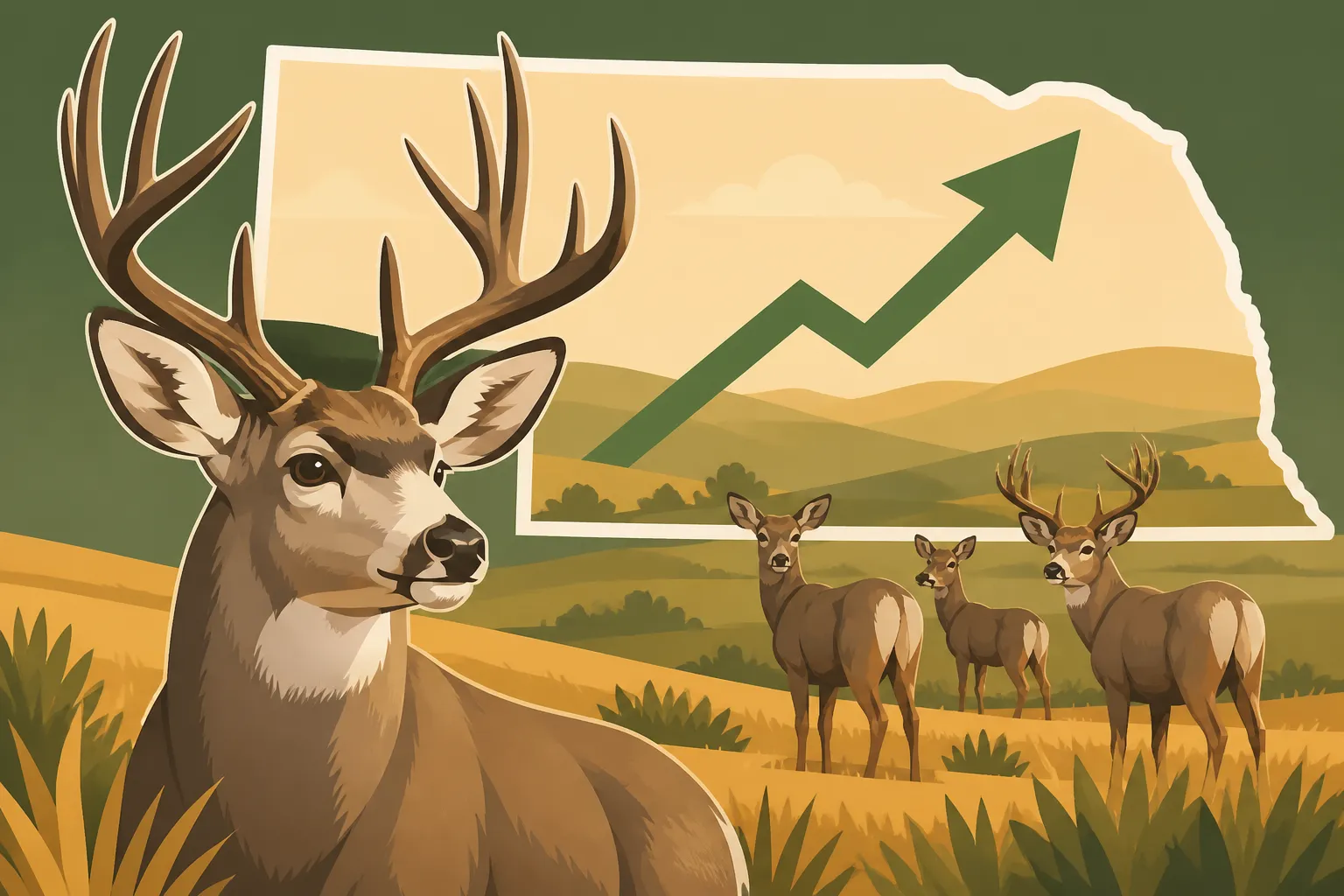
Thankfully, those worrying trends didn't continue indefinitely. Over the last several years, we've started to see a noticeable and encouraging upswing in mule deer numbers across much of their Nebraska range. It’s been a welcome relief for those of us who cherish the sight of a big-eared buck bounding across the prairie. This recovery isn’t accidental; it’s the result of a combination of focused conservation efforts, adaptive management strategies, and a little help from Mother Nature.
Habitat Improvements and Conservation Efforts
One of the biggest unsung heroes in the mule deer comeback story is improved habitat. Over time, conservation organizations and landowners have worked together on various initiatives aimed at enhancing the quality and quantity of mule deer habitat. This includes projects focused on removing invasive eastern red cedar trees, which can choke out native grasses and forbs that mule deer depend on for food and cover. Imagine a vast expanse of grassland slowly being consumed by dense cedars; these efforts literally open up the landscape again for deer.
Beyond cedar removal, efforts to improve grazing management on private lands have also benefited mule deer. Practices that promote healthier native grasslands, with a good mix of forbs and shrubs, provide better nutrition and more diverse cover. Additionally, programs designed to restore and protect riparian areas along creeks and rivers create essential travel corridors and water sources. When you're glassing the Nebraska Sandhills, healthy riparian zones can be key for finding deer, especially in dry conditions. Many of these habitat projects, often supported by hunter dollars through organizations like the Mule Deer Foundation, have created more resilient landscapes capable of supporting larger, healthier deer populations.
Management Strategies and Permit Adjustments
The Nebraska Game and Parks Commission's proactive management strategies have been absolutely critical. They didn't just sit back and hope things would get better; they made tough decisions. Initially, this meant tightening the reins on mule deer permits. This included creating units with antler point restrictions or limiting the total number of mule deer buck tags available in certain areas. For a while, getting a mule deer tag, especially a coveted "Any Deer" tag that allowed for a mule deer buck, became quite a challenge for many hunters. You can learn more about specific unit permits and their types in Nebraska Deer Permit Types by Unit.
However, as populations began to stabilize and show signs of growth, the NGPC has been able to adjust. They carefully monitor harvest data, fawn recruitment, and overall herd health to make informed decisions each year. This adaptive management, sometimes incrementally increasing permit numbers in certain units while maintaining conservative approaches in others, ensures that hunting pressure remains sustainable. The goal is always to balance recreational opportunity with the long-term health of the herd. Using resources like the GoHunt Insider platform can be a game-changer for understanding current permit allocations and draw odds, helping hunters strategize their applications and hunts based on real-time data and expert analysis on where Nebraska Mule Deer Range.
Favorable Weather Cycles
While human intervention is vital, we can't underestimate the role of Mother Nature. A string of milder winters and more consistent precipitation patterns in recent years has undoubtedly given mule deer a significant boost. Unlike the harsh winters that previously led to high fawn mortality and stressed adult deer, these more favorable conditions have allowed more animals to survive and thrive.
Ample moisture leads to healthier forage, meaning does go into winter in better condition and are more likely to successfully carry and birth fawns. It also means fawns born in the spring have a richer food source to grow quickly, making them more resilient to their first winter. When discussing Nebraska Mule Deer Harvest Recovery, these good weather cycles often correlate directly with noticeable increases in population estimates and hunter success. While we know weather patterns can always shift, this recent period of more benevolent conditions has provided a much-needed reprieve and allowed the herds a chance to rebuild their numbers naturally, complementing all the hard work put in by conservationists and wildlife managers.
The Current State of Nebraska's Mule Deer Herds
After years of concern and dedicated efforts, it's truly exciting to see the positive trajectory of Nebraska's mule deer. We're not just seeing anecdotal evidence; the numbers are telling a story of recovery and growth. This rebound is a testament to what careful management and good habitat can accomplish, even in the face of past challenges.
Population Trends and Harvest Data
The most encouraging news comes from the population estimates and harvest data. For a while, we saw a concerning trend where Mule Deer Buck Harvest at a 45-Year Low. However, recent years have shown a significant upward tick. Biologists track various metrics, including aerial surveys, fawn-to-doe ratios, and age structures of harvested animals, all of which point to healthier, growing herds. The average age of harvested bucks has increased in many units, indicating more bucks are surviving to older age classes. This means more mature animals on the landscape, which is exactly what hunters want to see.
This positive trend is especially noticeable in the core mule deer range, such as the Sandhills and the Panhandle. While statewide numbers are important, it's these regional populations that truly dictate the hunting experience. Hunter success rates have also seen an improvement, although mule deer hunting always presents a challenge, given their wary nature and the expansive, often difficult terrain they inhabit. Tools like those offered by GoHunt provide detailed analysis of these trends, helping hunters understand where the opportunities are best and where specific mule deer populations are showing the strongest growth. This data-driven approach is invaluable for planning a successful hunt.
Best Units for Mule Deer Opportunities
If you're looking to chase mule deer in Nebraska, certain areas consistently offer the best opportunities, aligning with where the herds have rebounded most strongly. Generally speaking, the western two-thirds of the state, particularly the Sandhills and the Panhandle, are your best bets.
Let's break down some of the prime areas:
| Region | Key Characteristics | Hunting Style Considerations |
|---|---|---|
| Sandhills | Vast, rolling grasslands, deep canyons, cedar draws. | Extensive glassing (often from elevated points), long walks, spot-and-stalk is key. Requires excellent Optics for Glassing the Nebraska Sandhills. |
| Panhandle | Pine Ridge, Wildcat Hills, breaks, and agricultural edges. | Mix of timber and open country, requiring adaptability. Can involve still-hunting and more traditional treestand/blind setups near ag. |
| Southwest | River bottoms, some breaks, agricultural fields. | Often more private land, requiring permission. Mule deer can be found mixed with whitetails. |
Units like the Sandhills Unit itself, the Pine Ridge, Plains Unit, and Calamus West have historically been strong mule deer producers, and they continue to be areas where hunters can find good numbers of deer, including mature bucks. While a draw permit is often necessary for some of the prime units, especially for antlered mule deer, the increasing populations mean that careful planning and accumulating preference points through the Nebraska draw system can eventually lead to a coveted tag. For more detailed insights into where to focus your efforts, check out Best Nebraska Units for Mule Deer Bucks. Remember, success often comes down to dedicated scouting, understanding deer movement, and being prepared for the vastness of Nebraska's open country.
Looking Ahead: Sustaining the Recovery
While the rebound in Nebraska's mule deer numbers is incredibly encouraging, it's important to remember that wildlife management is an ongoing process. There are always new challenges on the horizon, and sustaining these gains requires continued vigilance, adaptive strategies, and the active participation of hunters and landowners alike. The future of mule deer in Nebraska is a shared responsibility.
Ongoing Challenges and Future Outlook
Even with the current positive trends, mule deer face persistent threats. Chronic Wasting Disease (CWD) remains a significant concern across many deer populations, including mule deer. While its prevalence varies by region, it's a disease that wildlife managers are constantly monitoring and working to understand. Hunters play a vital role in this by cooperating with mandatory CWD sampling in certain areas and understanding Chronic Wasting Disease in Nebraska. It's a disease that could impact the long-term health of our herds if not managed carefully.
Habitat degradation, particularly from invasive species like eastern red cedar and the impacts of drought, will also continue to be factors. Climate patterns can shift, bringing back periods of severe winter weather or prolonged dry spells that stress deer populations. Therefore, ongoing habitat conservation and enhancement efforts are absolutely essential. The NGPC will continue to use the best available science to set permit levels and season structures, adapting as conditions change. The overall outlook is positive, but it requires a commitment to proactive management and conservation to ensure these majestic animals continue to thrive.
Hunter's Role in Conservation
As hunters, we are frontline conservationists, and our role in sustaining healthy mule deer populations is more critical than ever. This isn't just about adhering to regulations; it's about being actively engaged and responsible stewards of the resource. One of the most important things we can do is practice ethical hunting. This includes making clean shots, knowing your rifle's capabilities, especially when considering Rifle Setups for Nebraska's Open Country for potentially longer shots, and diligently tracking any wounded animal. Responsible hunting minimizes stress on the herd and ensures a humane harvest.
Beyond the hunt itself, reporting your harvest accurately is crucial. This data feeds into the NGPC's management models, helping them assess population health and make informed decisions about future permit allocations. Participating in programs like CWD surveillance, as mentioned earlier, is another direct way to contribute. Furthermore, supporting conservation organizations that work on mule deer habitat, like the Mule Deer Foundation, helps fund those critical on-the-ground projects that directly benefit the deer. By staying informed, adhering to regulations, and actively participating in conservation efforts, we ensure that future generations of hunters will also have the opportunity to experience the thrill of hunting mule deer on the vast plains and breaks of Nebraska.
Disclaimer
This article is for general informational purposes only and does not constitute professional advice. Laws, prices and regulations vary by location and change over time. Consult a qualified professional for guidance on your specific situation.