Nebraska Hunting Violation Penalties
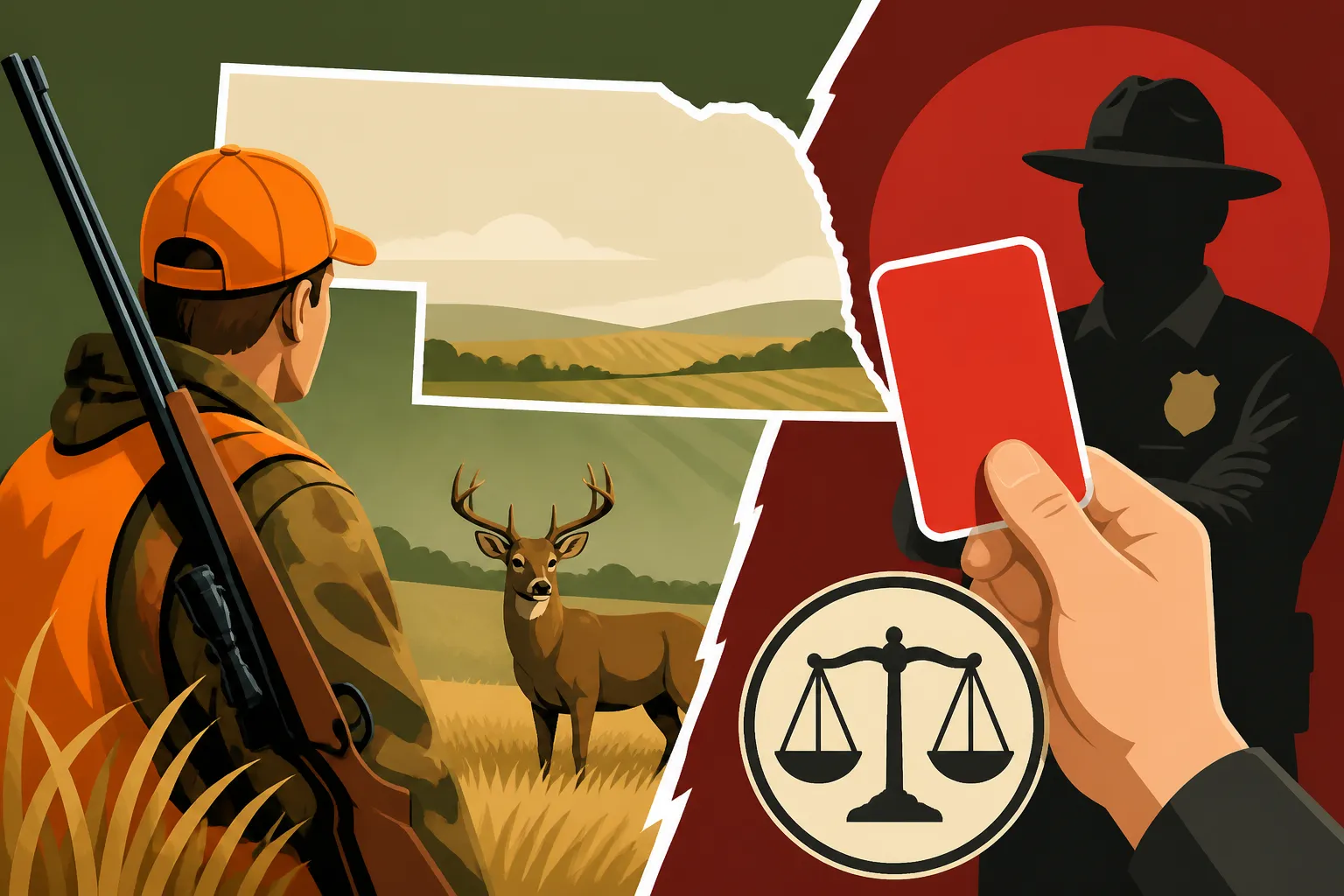
Let's be honest, navigating all the rules and regulations in hunting can feel like trying to untangle a fishing line after a particularly windy day. We all go into the field with the best intentions, but sometimes, an honest mistake or a lapse in judgment can lead to a violation that carries some pretty serious consequences. This guide is here to break down the ins and outs of Nebraska hunting violation penalties, helping you understand what's at stake and how to ensure you're always on the right side of the law.
Understanding the Basics of Nebraska Hunting Law Violations
It’s easy to get caught up in the excitement of the hunt, but overlooking the finer points of hunting regulations can turn a great day afield into a stressful, costly ordeal. Nebraska's Game and Parks Commission takes its role in conservation and ethical hunting seriously, and that means upholding the rules designed to protect wildlife and ensure fair chase.
Why Regulations Matter: Beyond the Obvious
On the surface, regulations might seem like a maze of arbitrary rules, but they serve critical purposes that go far beyond just preventing overharvesting. They are the backbone of wildlife management, ensuring healthy populations for future generations of hunters. Think about it: specific bag limits prevent localized depletion of game, while season dates protect animals during crucial breeding or vulnerable periods. Beyond conservation, these laws promote fair chase, meaning that hunters engage with animals under conditions that give the quarry a reasonable chance of escape. This ethical foundation is what gives hunting its integrity. When rules are broken, it undermines not only the wildlife populations but also the public perception of hunting as a whole, which is something every responsible hunter wants to avoid.
Common Missteps Hunters Make
It's truly surprising how often experienced hunters can make simple, yet punishable, mistakes. Often, it's not malice, but rather a lack of attention to detail or failing to re-read updated regulations. One of the most frequent issues we see involves incorrect tagging or failing to immediately tag an animal after harvest. You’ve just shot that big buck, adrenaline is pumping, and in the excitement, you forget to properly notch your tag or even attach it. This seemingly small oversight can lead to a citation. Another common misstep revolves around proper permit usage. For instance, sometimes hunters might mistakenly use a permit for a unit they aren't hunting in, or a nonresident might be found with a resident-only tag. Knowing your specific unit and the rules for your permit type, as detailed in our guide on Nebraska Deer Permit Types by Unit, is absolutely essential.
Shooting hours are another big one. Those precious minutes at dawn and dusk are prime time, but accidentally shooting before legal light or after legal dark can land you in hot water. Similarly, understanding blaze orange requirements, especially if you're bowhunting during Nebraska's nine-day November firearm deer season, is critical. Even something as seemingly minor as leaving a game carcass untended or improperly disposing of it can result in a violation. Being prepared and double-checking your understanding of the rules before you head out, perhaps by using a reliable mapping system like GoHunt to cross-reference public lands and regulations, can save you a lot of grief.
The Role of Conservation Officers
Nebraska’s conservation officers (COs) are the frontline guardians of our wildlife resources and hunting heritage. Their job is not just to write tickets, but to educate, assist, and enforce wildlife laws to protect the resource for everyone. When a CO approaches you in the field, it's natural to feel a little nervous, but remember they are typically professional and focused on ensuring compliance. They have the authority to check your permits, ensure your game is properly tagged, inspect your equipment for compliance (like an unplugged shotgun for waterfowl), and verify bag limits.
A common scenario might involve a CO observing hunters from a distance, then approaching to ask about your day and check your credentials. They might ask to see your harvest or check your shotgun plug. If you're hunting in an area that requires non-toxic shot, like many Wildlife Management Areas, they'll verify that too. It’s always best to be courteous, cooperative, and honest. Trying to hide something or being disrespectful will only make the situation worse. Remember, they're performing a vital service, and a friendly interaction can often resolve minor issues with just a warning or clarification.
Types of Penalties and Their Severity
When you commit a hunting violation in Nebraska, the consequences can range from a minor fine to significant penalties that can impact your ability to hunt for years. It’s not just about the immediate cost; it’s about the long-term repercussions for your hunting future.
Fines and Court Costs
The most immediate and common penalty for a hunting violation is a fine. These monetary penalties can vary wildly depending on the severity and nature of the offense. For minor infractions, like an improperly signed tag or a small deviation from shooting hours, you might face a fine of a couple hundred dollars. However, for more serious offenses, such as taking an animal out of season, exceeding bag limits substantially, or poaching big game, fines can quickly escalate into thousands of dollars.
For example, hunting without a valid permit, or using a fraudulent one, often carries a base fine that can easily be $500 or more, plus court costs. These court costs are additional fees levied by the judicial system, and they add up fast, often bringing the total cost significantly higher than the initial fine. You'll typically receive a citation with a court date, and you'll often have the option to pay the fine beforehand if it’s a non-mandatory appearance violation. If you choose to contest it or if the violation is severe enough, a mandatory court appearance will be required, adding legal fees and time to the mix. It's a stark reminder that staying informed about regulations and permit requirements, perhaps by checking resources like GoHunt's state-specific information, is a worthwhile investment.
Loss of Hunting Privileges
This is often the most impactful penalty for avid hunters – the suspension or revocation of your hunting, fishing, and trapping privileges. This isn't just a Nebraska-specific punishment; Nebraska is a member of the Wildlife Violator Compact, an interstate agreement among most U.S. states. What does this mean for you? If your hunting privileges are suspended in Nebraska, they are very likely to be suspended in all other compact member states as well. This can be devastating for hunters who travel to other states for different seasons or species.
The length of suspension depends heavily on the offense. A first-time, relatively minor violation might lead to a short suspension, perhaps one year. However, serious offenses like repeated violations, illegal taking of trophy animals, or commercial poaching can result in suspensions lasting several years, or even a lifetime ban from hunting. For example, a conviction for hunting big game out of season could easily result in a 3-5 year suspension. Imagine missing out on Nebraska's Four-Month Archery Deer Season or the thrill of Nebraska's Nine-Day November Firearm Deer Season for years because of a preventable error. This potential loss of privileges underscores the gravity of wildlife laws and the importance of adhering to every regulation.
Equipment Confiscation and Restitution
In cases of serious violations, particularly those involving poaching or the illegal taking of protected species, law enforcement has the authority to confiscate equipment used in the commission of the crime. This can include firearms, bows, vehicles, ATVs, boats, and even optics. Imagine losing your prized hunting rifle or the truck you use to access those remote areas in the Sandhills because of a violation. This is a very real possibility.
Beyond confiscation, hunters may also be required to pay restitution for the unlawfully taken game. Restitution is essentially paying the state for the intrinsic value of the wildlife that was illegally harvested. The value assigned to different species can be substantial, especially for trophy animals like a mature deer, elk, or bighorn sheep. These values are often set by statute and can be thousands of dollars per animal. For instance, if you illegally take a trophy mule deer, you might be looking at a restitution payment of several thousand dollars on top of fines and court costs. This payment helps to compensate the state for the loss of a valuable public resource and acts as a strong deterrent against poaching.
Specific Examples of Violation Penalties in Nebraska
Let's dig into some real-world examples of violations and the typical penalties you might face in Nebraska. Understanding these specifics can help highlight the potential consequences of various actions.
Deer Hunting Violations
Deer hunting is incredibly popular in Nebraska, which means it's also where many violations occur. One common issue revolves around antler point restrictions (APRs) in certain units. For instance, in some parts of the state, a buck must have a minimum number of antler points on one side to be legally harvested. Accidentally shooting a "forked horn" that doesn't meet the criteria in an APR unit, even if it's an honest mistake in the heat of the moment, can result in a citation. Penalties for this typically involve a fine, potentially in the range of $200-$500, and often a one-year suspension of hunting privileges.
Another significant violation is misusing permits. This could be someone who doesn't qualify for a landowner permit applying for and using one, or a non-resident purchasing a resident tag. Such actions are considered fraud and carry much stiffer penalties. Expect fines well into the thousands, coupled with suspensions of several years. Exceeding bag limits, whether intentionally or through miscounting, is also a serious offense. If you have permits for two deer but harvest three, that third deer is an illegal take, and the penalties will be applied accordingly, often including restitution for the extra animal and a license suspension. Understanding all aspects of your permit, including how many deer permits you can hold, is crucial.
Waterfowl and Upland Bird Infractions
Bird hunting, especially waterfowl, comes with a unique set of rules that can trip up even seasoned hunters. One of the most frequently cited violations for waterfowl is using an unplugged shotgun. Federal and state regulations require shotguns to be "plugged" so they can only hold a maximum of three shells (one in the chamber, two in the magazine). Forgetting to put your plug back in after cleaning or practice can easily lead to a fine, typically $150-$300, and potential confiscation of the firearm if it's a repeated offense. Similarly, failing to use nontoxic shot where required (such as on federal waterfowl production areas or many WMAs) will result in a similar fine. It's a small detail, but it's rigidly enforced to protect wildlife from lead poisoning.
Baiting for waterfowl is another serious violation. This involves placing grain or other food to attract birds, and it carries very high penalties, often including substantial fines (thousands of dollars), vehicle and equipment confiscation, and multi-year license suspensions. When you're out Walking Nebraska Pheasant Cover With a Dog or pursuing other upland birds, exceeding the daily bag limit is a common infraction. If the limit is three pheasants, and you have four, you've committed a violation. The fines for these types of violations can vary but generally start around $150-$250 per illegal bird, along with potential license suspension. Always double-check current bag limits before you hunt.
| Violation Type | Typical Fine Range | License Suspension (First Offense) | Other Potential Penalties |
|---|---|---|---|
| Improperly Tagged Game | $100 – $300 | 3 months – 1 year | Game Confiscation |
| Hunting Without Proper Permit | $250 – $1,000+ | 1 – 3 years | |
| Taking Antlerless in Antlered Unit | $200 – $500 | 6 months – 1 year | Restitution, Game Confiscation |
| Antler Point Restriction Violation | $200 – $500 | 6 months – 1 year | Restitution, Game Confiscation |
| Exceeding Bag Limit | $150 – $250 per animal | 1 – 3 years | Restitution, Game Confiscation |
| Hunting Out of Season | $500 – $5,000+ | 2 – 5 years (or lifetime) | Restitution, Equipment Confiscation |
| Shooting Outside Legal Hours | $150 – $400 | 3 months – 1 year | |
| Trespassing While Hunting | $250 – $1,000+ (plus damages) | 1 – 3 years | |
| Unplugged Shotgun (Waterfowl) | $150 – $300 | Warning – 3 months | Firearm Confiscation (repeated) |
| Using Lead Shot (Where Prohibited) | $100 – $250 | Warning – 3 months | |
| Baiting (Waterfowl/Deer) | $2,000 – $10,000+ | 5 years – Lifetime | Equipment Confiscation |
Trespassing and Access Violations
Hunting on private land without permission is a serious offense in Nebraska, and the penalties reflect that. The state has clear Nebraska Trespass and Permission Laws that protect landowners. Generally, any posted land or land without specific permission is off-limits. Even if land isn't specifically posted, if it's private and you don't have explicit permission, you're trespassing.
A typical first-time trespassing violation while hunting can result in a fine of $250 to $1,000, along with court costs. More importantly for hunters, it often comes with a suspension of hunting privileges, usually for one to three years. If you damage property while trespassing, or if the trespassing is combined with other violations (like hunting out of season or poaching), the penalties can become much more severe, including potential jail time, higher fines, and extended license suspensions. Always err on the side of caution and get explicit permission. If you're unsure about land status, use resources like the Nebraska Public Access Atlas Mobile App or a tool like GoHunt's mapping capabilities to identify property lines and public access points accurately. This simple step can prevent a very unpleasant encounter with a landowner or a conservation officer.
Navigating a Violation and Preventing Future Issues
No one wants to be cited for a hunting violation, but knowing what to do if it happens and, more importantly, how to prevent it, is part of being a responsible hunter.
What to Do if You Receive a Citation
If you find yourself on the receiving end of a citation, the first and most crucial step is to remain calm and respectful. Arguing with a conservation officer in the field is rarely productive and can sometimes escalate the situation. Take the ticket, listen to the officer's instructions, and ask clarifying questions if you don't understand something about the charge or the court process. Make sure you understand the specific violation you're being accused of and whether a mandatory court appearance is required.
Once you’ve left the field, carefully read the citation. It will contain information about the court date, the specific statute violated, and your options for response. You generally have a few choices: plead guilty and pay the fine (if allowed without a court appearance), or plead not guilty and appear in court to defend yourself. If you choose to contest the citation, it’s often wise to consult with an attorney specializing in wildlife law, especially if the penalties are severe or involve significant license suspension. They can advise you on your rights, potential defenses, and the best course of action. Remember, addressing the citation promptly is important; ignoring it will only lead to further legal trouble.
Resources for Staying Compliant
Preventing violations is far easier than dealing with their aftermath. Thankfully, there's a wealth of resources available to help you stay compliant. The Nebraska Game and Parks Commission's official website is your first and best stop for current regulations, season dates, bag limits, and permit information. They publish an annual hunting guide that you should read cover-to-cover, even if you’ve been hunting for decades. Regulations change, and what was legal last year might not be this year.
The Nebraska Public Access Atlas is an indispensable tool for identifying public hunting lands, including Wildlife Management Areas, Open Fields and Waters tracts, and other accessible areas. Many hunters, myself included, rely on mobile apps that integrate this data, allowing you to see property boundaries and your location in real-time, preventing accidental trespass. GoHunt is another excellent resource that provides detailed state-specific regulations, draw odds, and mapping tools that can help you plan your hunt to avoid unintentional violations.
Don’t forget the power of education. Hunter education is mandatory for many in Nebraska, but even if you're exempt, periodically reviewing the material or taking a refresher course can be incredibly beneficial. Understanding Who Nebraska Requires to Take Hunter Education can guide new hunters, but continued learning is for everyone. It's not just about safety; it's about ethics, conservation, and detailed knowledge of the laws.
The Importance of Ethics and Education
Ultimately, being a responsible hunter isn't just about avoiding penalties; it's about upholding a strong ethical code. Every time we step into the field, we represent the entire hunting community. Making informed decisions, respecting wildlife, and following the rules not only keeps you out of legal trouble but also contributes positively to the perception of hunting and the health of our game populations.
Take the time to understand the nuances of the regulations, ask questions when you’re unsure, and leverage the available tools to plan your hunts meticulously. Whether it's knowing the specific dates for Nebraska's December Muzzleloader Deer Season or ensuring you have the correct Nebraska Habitat Stamp Requirements, an educated hunter is a responsible and ethical hunter. By prioritizing compliance and ethical conduct, we ensure that hunting remains a respected and sustainable tradition for generations to come.
Disclaimer
The information provided in this guide is for general informational purposes only and does not constitute legal advice. Hunting regulations and penalties are subject to change. Always consult the official Nebraska Game and Parks Commission regulations and, if necessary, seek legal counsel regarding any specific violation or legal matter.