Nebraska Blaze Orange Square Inches
The fall hunting seasons in Nebraska bring an incredible mix of opportunity and challenge, but they also bring a fair bit of confusion, especially when it comes to hunter safety regulations. One of the most common questions I hear, particularly from those new to the state or first-time deer hunters, revolves around blaze orange requirements. It can feel like a minefield trying to figure out exactly how much you need, when you need it, and what even counts. This guide is here to untangle all that, ensuring you're safe, legal, and ready for your Nebraska adventure.
Understanding Nebraska's Blaze Orange Requirements
Let's cut right to the chase: Nebraska has very specific rules about blaze orange. It's not just a suggestion; it's a critical safety measure designed to protect hunters by making them easily visible to others in the field. Ignoring these rules isn't just a risk to your safety, but also to your hunting privileges.
The Specific Numbers: What You Really Need
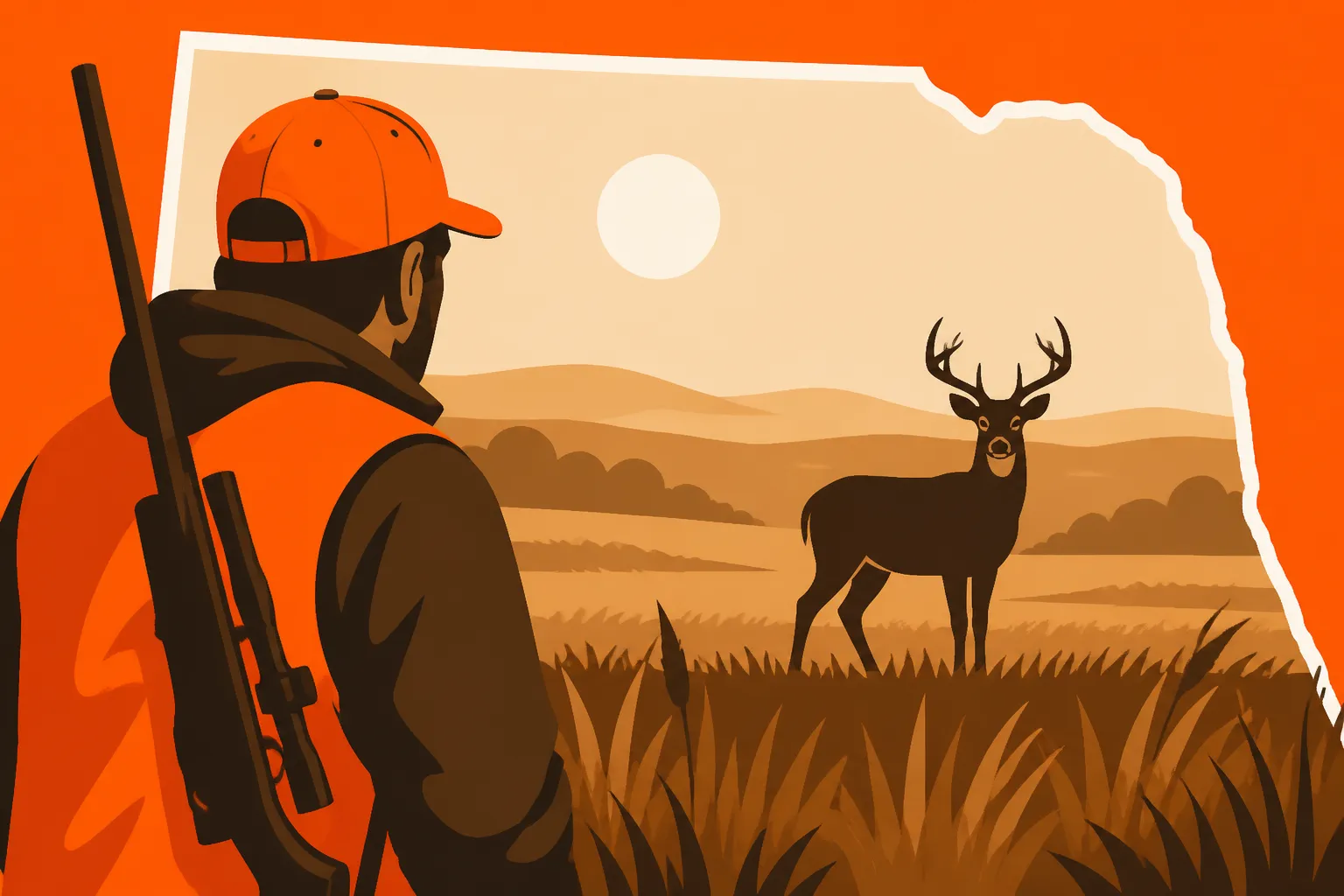
In Nebraska, if blaze orange is required, you must wear at least 400 square inches of material. This isn't just a random number; it's calculated to provide a significant and noticeable block of color against the natural backdrop of the plains and river bottoms. The critical part is that this 400 square inches must be visible from all sides and worn above the waist.
Think about what "visible from all sides" truly means. A small blaze orange vest that only covers your chest and back, tucked under a pack or partially obscured by your arms, likely won't cut it. You need a vest or jacket substantial enough to be seen whether someone is looking at you from the front, back, or either side. This typically means a full vest or a jacket that wraps around your torso.
Beyond the torso, a blaze orange cap or hat is also mandatory when the regulations call for it. This adds another critical layer of visibility, especially when you're moving through taller cover or in areas with rolling terrain where only your head might be visible over a rise. The color itself needs to be "blaze orange," which is a bright, fluorescent orange that stands out dramatically from the browns, greens, and grays of the natural environment. Regular orange, like a construction cone, often doesn't meet the fluorescent standard and might not be legal or as effective. Before heading out, many hunters will check up-to-date regulations through resources like the Nebraska Game and Parks Commission website or even planning apps such as GoHunt, which often integrate state-specific rules.
Why Blaze Orange Matters: Safety First
The science behind blaze orange is pretty straightforward and incredibly effective. Deer and most other big game animals don't perceive color in the same way humans do. While they might see movement or detect scent, the bright fluorescent orange that screams "danger!" to human eyes often appears as a dull gray or brown to a deer, allowing you to remain camouflaged to your quarry while standing out vividly to other hunters.
This distinction is paramount for safety. The primary purpose of blaze orange is not to alert game, but to prevent accidental shootings by significantly reducing the chances of a hunter being mistaken for an animal. Hunting is a beloved tradition, but it comes with inherent risks, and misidentification is one of the most serious. By wearing blaze orange, you're actively participating in a collective safety measure that protects not only yourself but every other hunter in the field. The legal consequences of failing to wear required blaze orange can range from citations and fines to the suspension of hunting privileges. Beyond that, the emotional and personal cost of an accident is immeasurable, which is why adhering to these regulations is so vital.
When and Where Blaze Orange is Mandatory
Understanding how much blaze orange you need is only half the battle. Knowing when and where those rules apply is equally, if not more, important, as the requirements can shift depending on the season and the game you're pursuing.
The Firearm Deer Season Conundrum
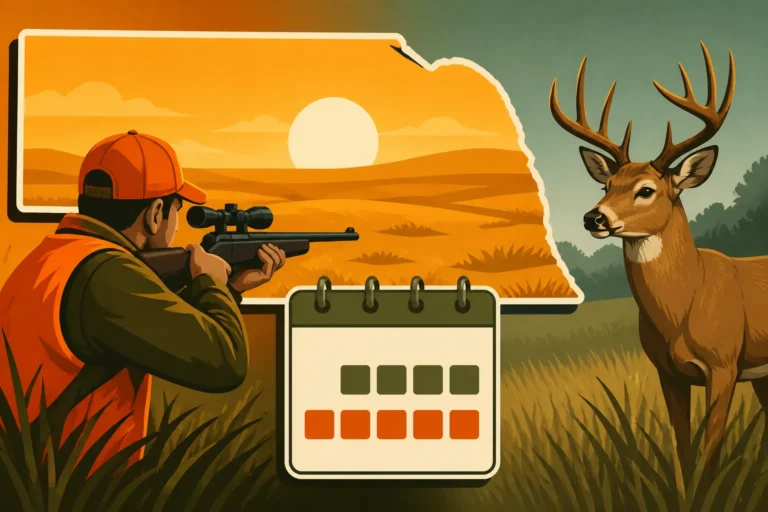
This is the big one. Nebraska's Nine-Day November Firearm Deer Season is when blaze orange rules are most widely and strictly enforced. During this critical period, anyone hunting big game (which includes deer, elk, antelope, etc.) with a firearm must wear the prescribed 400 square inches of blaze orange, including a cap or hat, visible from all sides and above the waist.
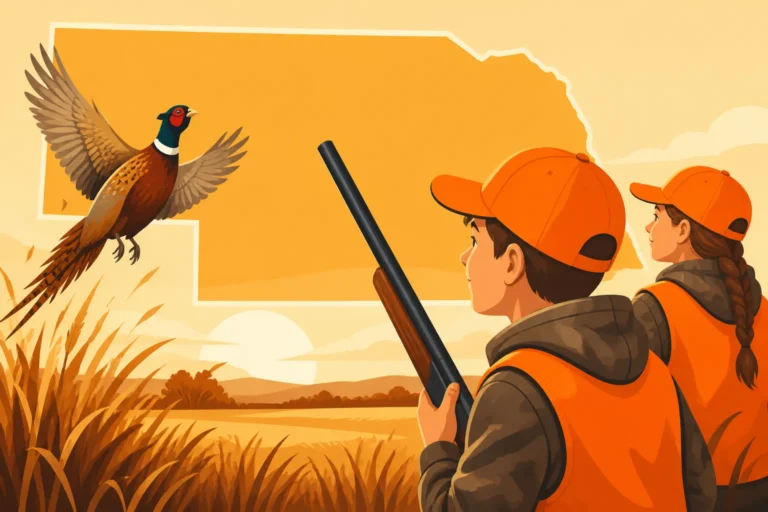
It's important to stress that this rule isn't just for those actively hunting deer with a rifle. If you're out pursuing any big game with a firearm during this nine-day season, you are required to wear blaze orange. This extends to small game hunters as well; if you're chasing pheasants or rabbits in an area where firearm deer season is open, you should be wearing orange. The logic is simple: if there are deer hunters with firearms in the woods, everyone needs to be visible to reduce the risk of accidents. Even if you're not actually hunting but are retrieving game, scouting, or just walking through a hunting area during this time, it's wise—and often legally required—to be wearing your orange.
Archery Hunters and Overlap Periods
This is where the nuances often trip up even experienced hunters. Nebraska's Four-Month Archery Deer Season is a long and glorious stretch, offering many opportunities. For the majority of this season, archers are not required to wear blaze orange. The stealthy nature of bowhunting often means camouflage is key, and archers are generally pursuing game at much closer ranges.
However, there's a significant exception: if you are archery hunting deer during Nebraska's November Firearm Season, you must wear blaze orange. This is a non-negotiable safety measure. Even though you're using a bow, the presence of firearm hunters in the same areas means visibility becomes paramount. The specific rules for "Orange Requirements for Archers in November" dictate that bowhunters must comply with the same 400-square-inch, visible-from-all-sides requirement as firearm hunters during this overlap. This isn't just a suggestion; it’s a legal mandate. So, if you're planning to be in the timber or stalking deer with your bow after mid-November, make sure your orange is on.
Similarly, if you're hunting during the Muzzleloader Deer Hunting in Nebraska in December, which is another firearm season, the same blaze orange requirements apply. Essentially, any time a firearm deer season is active, consider blaze orange a mandatory part of your attire if you're in the field pursuing big game.
Here’s a quick overview of when blaze orange is typically required for big game hunters in Nebraska:
| Hunting Activity/Season | Blaze Orange Required? | Minimum Square Inches | Notes |
|---|---|---|---|
| Firearm Deer Season | Yes (Big Game) | 400 sq. inches | Visible from all sides, above the waist, includes a cap/hat |
| Archery Deer during Firearm Season | Yes | 400 sq. inches | Applies to bowhunters during the general firearm season |
| Archery Deer (outside Firearm Season) | No | N/A | Still recommended in high-pressure areas or thick cover |
| Muzzleloader Deer Season (Dec.) | Yes | 400 sq. inches | Same requirements as firearm deer season |
| Upland Game Birds (Pheasant/Quail) | No (Legally required for big game) | N/A | Highly recommended, often worn by tradition for safety |
| Scouting During Firearm Season | Yes | 400 sq. inches | If in areas where big game is legally hunted with firearms |
Practical Advice for Meeting the Requirement
Now that we've covered the what, when, and why, let's talk about the practical aspects of meeting Nebraska's blaze orange requirements. It’s not just about having a piece of orange fabric; it's about choosing the right gear for the conditions and ensuring you're truly visible.
Choosing the Right Gear
The market offers a wide variety of blaze orange gear, from lightweight vests to insulated jackets. Your choice should depend on the weather, the type of hunting you're doing, and your personal comfort.
- Vests: A simple blaze orange vest is often the most versatile option. Look for one made of durable, quiet material that can be easily worn over various layers, from a thin shirt to a heavy insulated jacket. Crucially, make sure it offers enough coverage to meet that 400 square inch "visible from all sides" rule. Some minimalistic vests might fall short, especially if they are designed to fit snugly.
- Jackets: For colder conditions, an insulated blaze orange jacket can be a fantastic choice, combining warmth with visibility. These often offer a more complete and consistent blaze orange profile. If you're going to be stationary for long periods during, say, a late-season sit for deer or in a blind when you're deer drives on small Nebraska timber, a full jacket provides consistent visibility and warmth.
- Hats: A blaze orange beanie, baseball cap, or stocking cap is an essential part of the 400 square inch requirement. Choose one that fits well and won't easily blow off in Nebraska's notorious wind. For archery hunters who need to be quiet, ensure the material isn't noisy.
- Layering Considerations: Nebraska weather can be notoriously unpredictable. You might start a November morning in freezing temperatures and end up shedding layers by midday. Plan your blaze orange gear so it can be worn effectively over or under different clothing layers, ensuring you maintain the required visibility without compromising comfort or function. For example, a quality vest worn over your primary hunting jacket works well.
When considering gear, think about your specific hunting style. If you're going to be still-hunting Nebraska cedar draws or perched in a treestand site on Nebraska farmland, you'll want gear that doesn't make a lot of noise. Modern blaze orange materials are much quieter than they used to be, so do your research. A quick check on resources like GoHunt's gear reviews can often point you towards quiet, durable options.
Common Misconceptions and What to Avoid
Many hunters, particularly those from other states with different regulations, fall prey to common misconceptions about blaze orange. Don't make these mistakes:
- "My camouflage has some orange accents." This is a classic trap. Nebraska's requirement is for blaze orange material, and usually, it implies solid, unobstructed coverage. A camo pattern with a few orange leaves or a small orange logo will not count towards the 400 square inches and certainly won't provide the "visible from all sides" protection.
- "I'm just walking to my stand at dawn/dusk." During mandatory periods, you are required to wear blaze orange while actively hunting, which includes the act of getting to and from your stand or hunting location. Even if it's still dark, it's safer and legally compliant to have your orange on.
- "It only applies to public land." This is incorrect. Nebraska's blaze orange regulations apply statewide, whether you're hunting on Public Hunting Land in Nebraska, or on private land with permission. The rules are about hunter safety across the entire landscape.
- "A small armband or strip is enough." This simply won't meet the 400 square inch minimum or the "visible from all sides" criterion. It's an insufficient attempt at compliance and could lead to a citation or, worse, an accident.
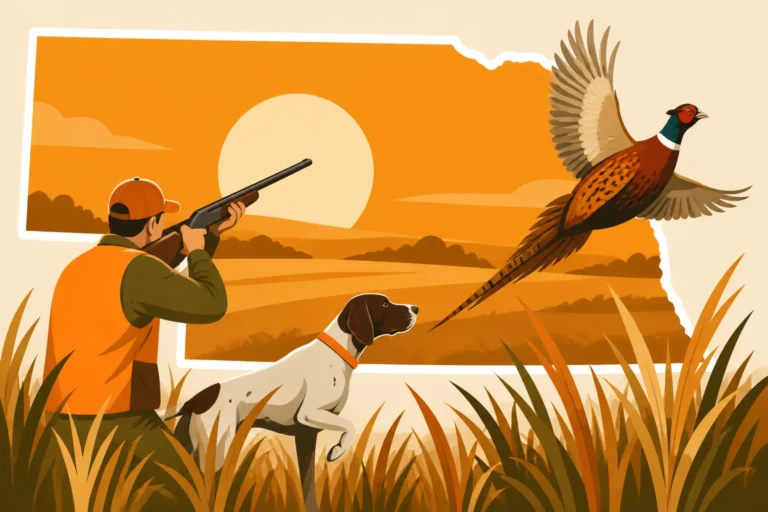
- "I'm only hunting small game." While the specific 400-square-inch requirement primarily targets big game seasons, it's strongly advised for small game hunters, especially during overlapping seasons. When hunting walking Nebraska pheasant cover with a dog, wearing orange helps you stand out to other hunters, whether they're pursuing birds or deer.
Always double-check the current Nebraska Game and Parks regulations before each season. Regulations can change, and staying informed is your responsibility as a hunter.
Beyond the Law: Best Practices for Visibility
While understanding and adhering to the legal requirements for blaze orange is absolutely essential, thinking beyond the minimums can further enhance your safety and the safety of those around you. It's about cultivating a mindset of proactive visibility in the field.
Making Yourself Stand Out in Different Landscapes
The Nebraska landscape is incredibly diverse, from the thick river bottoms of eastern Nebraska to the open vistas of the Sandhills and the rugged Pine Ridge. How you utilize blaze orange can adapt to these varied environments:
- Open Country: In the wide-open spaces of the Sandhills, your blaze orange will be highly visible from long distances. This means others will likely spot you early. Consider not just your vest and hat, but even a blaze orange backpack cover if you're carrying a large pack, adding to your overall visible profile. While a full 400 square inches is the minimum, more certainly doesn't hurt.
- Thick Cover and Timber: When hunting River-Bottom Whitetail Hunting in Eastern Nebraska, visibility can be severely limited. In these dense areas, the placement of your orange becomes even more critical. Ensure your vest is not bunched up by your backpack and that your hat is clear of branches. When moving, pause frequently to assess your surroundings and make your presence known to any unseen hunters. The bright, fluorescent nature of blaze orange is designed to punch through dappled light and shadows, but it needs to be unobstructed.
- Snowy Conditions: Against a snowy backdrop, blaze orange becomes incredibly vibrant. This is a huge advantage for safety. However, remember that snow also dampens sound, so combine visual awareness with careful movement and occasional vocalization if you suspect other hunters are nearby.
- Low Light Conditions: Dawn and dusk are prime hunting times, but also periods of reduced visibility. Blaze orange retains much of its high visibility in these conditions, more so than other colors. This is another reason why having it on when heading to or from your stand during legal hunting hours is a smart and safe practice.
Remember, the goal is to be unmistakable as a human hunter. Your orange should be clean and unfaded. A faded, dirty orange garment loses much of its effectiveness.
Staying Safe on Public and Private Lands
Whether you’re exploring the vast stretches of Nebraska National Forest and Grasslands Hunting or have secured permission to hunt a prime piece of private farmland, the principles of hunter safety remain constant. The increasing pressure on hunting lands, particularly Public Hunting Land in Nebraska, means more hunters are sharing finite spaces. This amplifies the need for every individual to practice maximum visibility and awareness.
Consider wearing blaze orange even when not legally required, such as during archery seasons outside of the firearm overlap, or during certain small game hunts. While a hunter might not legally need it, it's a courteous and safe practice to make yourself as visible as possible, especially if you know the area sees high traffic. This proactive approach helps reduce the chances of misidentification, even among experienced hunters.
Tools like the Public Access Atlas or even advanced mapping apps like GoHunt can help you scout and plan your hunt, identifying areas that might see less pressure, which can contribute to a more relaxed and safer experience. However, even in seemingly remote areas, assume other hunters could be present.
Hunter Education is the foundation of safe hunting, and it instills many of these principles. Even if you've been hunting for decades, a refresher course or simply discussing safety best practices with fellow hunters can reinforce good habits. When you’re out in the field, always be aware of your surroundings, identify your target positively, and understand what’s beyond it. Blaze orange is a powerful tool in your safety arsenal, but it's only one component of a comprehensive approach to responsible hunting.
Disclaimer
Please note: While every effort has been made to provide accurate and up-to-date information, hunting regulations can change. It is always the hunter's responsibility to consult the most current Nebraska Game and Parks Commission regulations prior to any hunting activity. This guide is for informational purposes only and does not constitute legal advice.