Turkey Permit Changes Since the Population Decline
If you've hunted turkeys in Nebraska for any length of time, you've likely felt the sting of declining populations and the frustration of ever-changing permit rules. It's tough to plan a hunt when the ground keeps shifting under your feet, and permits that once seemed plentiful are now a hot commodity. This guide is here to unravel those changes, specifically focusing on how Nebraska's turkey permits have evolved in response to the challenging decline in bird numbers, so you can navigate the system with more clarity.
The Alarming Decline in Nebraska's Wild Turkey Population
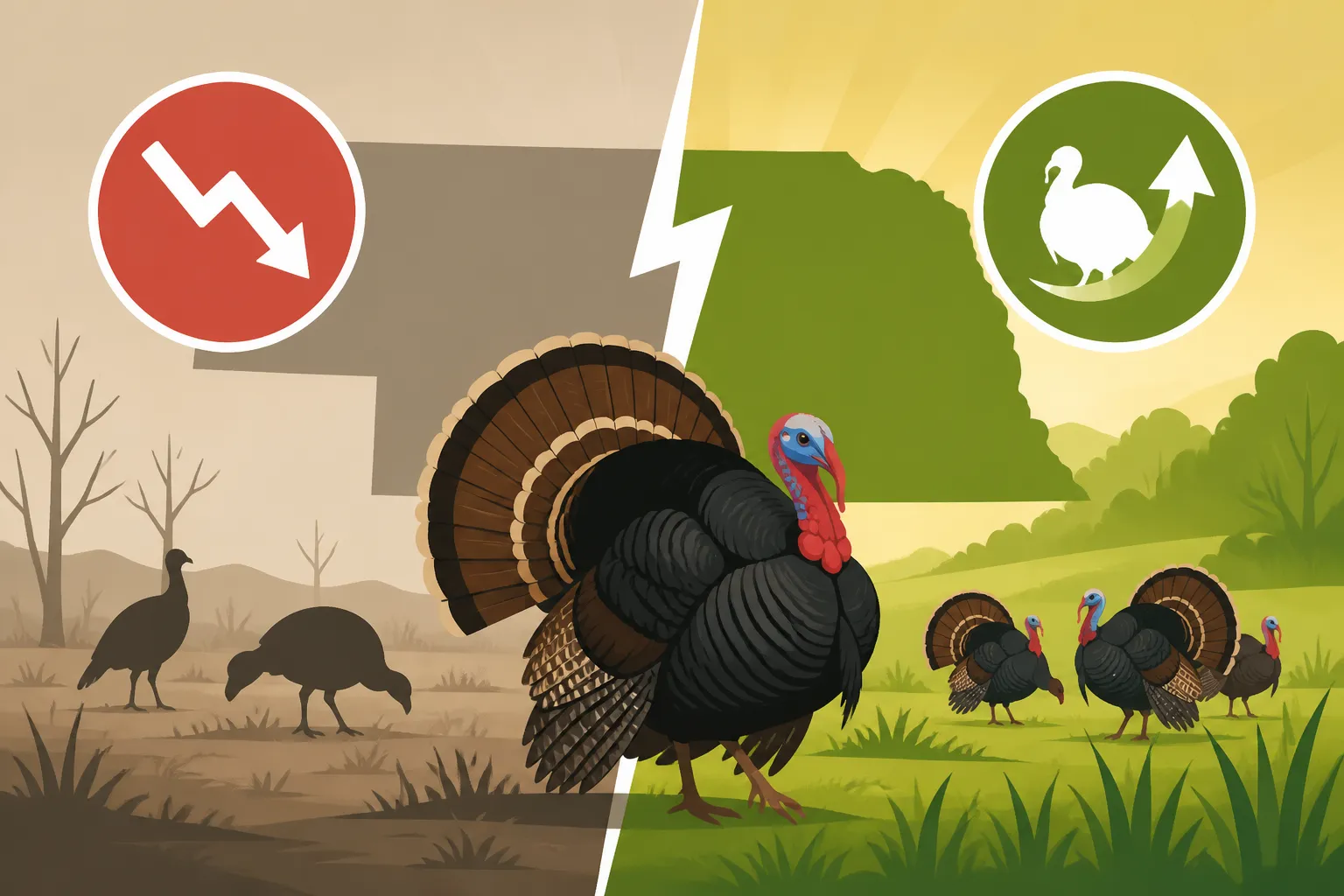
For many years, Nebraska was considered a hidden gem for turkey hunting. Flocks seemed robust, permits were easy to come by, and success rates were high, drawing hunters from across the country. However, over the past decade or so, a significant and concerning trend emerged: the wild turkey population began a noticeable decline. It wasn't a sudden crash, but a steady, creeping reduction in numbers that became impossible for hunters and wildlife managers to ignore.
In the mid-2010s and leading into the 2020s, reports from the field started matching official survey data, indicating fewer birds on the landscape. Where once you might have seen dozens of turkeys in a field or heard multiple gobblers sounding off from the roost, those experiences became rarer. This wasn't just anecdotal; the numbers released by the Nebraska Game and Parks Commission (NGPC) painted a clear picture of a shrinking resource. This decline became a central topic of discussion among hunters, leading to many questions about what was happening to the birds and what, if anything, would be done to reverse the trend. It caused a great deal of frustration, as many hunters had grown accustomed to abundant opportunities.
Factors Contributing to the Shrinking Flocks
The reasons behind the decline are complex and often interconnected, making solutions difficult. It's rarely one single factor but rather a combination of environmental pressures and biological realities that impact wild turkey reproduction and survival. Understanding these factors is key to grasping why permit changes became necessary. The resilience of wild turkeys, while impressive, has its limits when faced with multiple challenges simultaneously.
One major piece of the puzzle lies in habitat quality and availability. While Nebraska still boasts plenty of river bottoms, cedar draws, and hardwood pockets that turkeys love, changes in agricultural practices and increased development can fragment these areas. Turkeys need contiguous blocks of cover for nesting, roosting, and foraging, and when these areas shrink or become isolated, it puts pressure on the population. Moreover, the quality of nesting and brooding cover can be critical. If hens can't find safe places to nest and raise their poults away from predators, reproduction suffers.
Weather patterns have also played a significant role. Nebraska is known for its sometimes extreme weather, and this can dramatically impact turkey survival, especially for young birds. Severe droughts can reduce insect populations, a vital food source for poults, and limit water availability. Conversely, extremely wet and cold springs can be devastating for newly hatched poults, which are highly susceptible to hypothermia and disease in damp conditions. When you combine this with harsh winters, which can deplete adult birds' energy reserves, the cumulative effect on the population can be severe. Understanding these environmental stressors helps explain why the decline in turkey numbers became so pronounced, particularly when it comes to the success of each year's hatch. You can read more about the challenges in "Why Nebraska Turkey Poult Survival Dropped".
Predation pressure is another often-cited factor. While predators are a natural part of any ecosystem, an increase in certain predator populations or a decrease in suitable escape cover can exacerbate the impact on turkeys. Nest predators like raccoons, opossums, and skunks, along with avian predators and coyotes, can take a heavy toll on eggs, poults, and even adult birds, especially in areas where habitat is less than ideal. Disease, though less frequently cited as a primary driver, can also contribute to localized declines. All these elements combined have resulted in a significant reduction in the overall Nebraska Turkey Population Estimate. To delve deeper into the overall state of the population, you might find "Nebraska Turkey Population Decline" an informative read, offering a comprehensive look at the issue.
Implementing New Permit Structures and Limitations
Faced with undeniable evidence of a declining turkey population, the Nebraska Game and Parks Commission made the difficult but necessary decision to implement changes to the permit structure. These changes were not made lightly, as they directly impact hunters who have long cherished their Nebraska turkey traditions. The primary goal was to reduce overall harvest pressure, particularly on critical breeding populations, and give the birds a better chance to rebound.
One of the most significant changes, and one that has sparked considerable discussion, is the implementation of a nonresident permit cap for spring turkey hunting. For years, nonresidents could purchase permits over the counter with relative ease. However, as demand grew and populations shrank, this became unsustainable. The NGPC introduced a limit of 10,000 nonresident spring turkey permits annually, a move aimed squarely at reducing the total number of nonresidents hunting in the state. This cap means that once those 10,000 permits are sold, no more are available for the season, regardless of whether residents still have opportunities. It's a hard limit that requires nonresidents to be much more proactive in securing their tags. This shift significantly changed the hunting landscape for out-of-state enthusiasts, making it crucial to understand "How Nebraska Limits Nonresident Turkey Hunters".
In addition to the nonresident cap, adjustments have also been made to the number of permits an individual hunter can purchase, as well as the timing of their sale. While residents generally still have more flexibility, there have been periods of tighter restrictions or earlier sell-outs of popular permits, particularly for the spring season. The objective is to spread out the harvest and prevent over-pressuring specific areas. For instance, the on-sale date for "Nebraska Spring Turkey Permit On-Sale Date" now generates a lot of anticipation, and permits can disappear quickly. Nonresidents, in particular, need to act fast, often within days of permits becoming available. It’s a far cry from the days when you could casually pick up a tag weeks into the season. The total number of birds an individual can take has also been carefully considered, aiming to strike a balance between hunting opportunity and population recovery. If you're wondering about the specifics, you can check out "How Many Spring Turkey Permits You Can Buy" for the most up-to-date regulations.
| Permit Type | Pre-Decline (approx. 2015) | Post-Decline (approx. 2023-2024) | Key Change Implications |
|---|---|---|---|
| Nonresident Spring | Unlimited/OTC | 10,000 Annual Cap | Requires quick action, potential sell-out; increased competition. |
| Resident Spring | Often 2-3 per hunter | Often 2-3 per hunter | Availability can vary, popular units may sell faster. |
| Fall Turkey Permits | Generally plentiful | Generally plentiful | Less impacted, but still monitored; focuses on population control. |
| Permit Cost (NR) | Moderate | Increased | Reflects higher demand and value of the permit. |
| Permit Purchase Timing | Flexible | Critical, often within days | Early planning and online monitoring are essential. |
Navigating the New Reality for Hunters
These permit changes, while necessary for the long-term health of Nebraska's wild turkey population, have undeniably created a more challenging environment for hunters. The days of last-minute trips and guaranteed tags are, for now, behind us. Hunters now need to be much more strategic, informed, and often, quicker on the draw (pun intended) to secure their hunting opportunities.
For nonresident hunters, the primary impact is the heightened competition and the very real possibility of not getting a permit at all if they don't act swiftly. The 10,000 Nonresident Turkey Permit Cap is a hard ceiling, and depending on demand, these permits can sell out incredibly fast. This means nonresidents can no longer simply decide a few weeks before the season to hunt Nebraska; advanced planning and vigilance are paramount. Many now rely on tools like GoHunt to stay updated on license changes and application deadlines across various states, including Nebraska, making sure they don't miss that crucial purchase window. It's a stark contrast to how easy it once was.
Resident hunters, while not facing a hard cap like nonresidents, still need to be more mindful than in years past. While it's still generally easier for residents to secure permits, popular units or specific seasons might see quicker sell-outs. This might push some residents to explore new areas or consider hunting in the fall, which typically sees less pressure and more available tags. Fall Turkey Tactics in Nebraska can be quite different from spring, often focusing on flock breaking and calling to scattered birds, presenting a unique challenge and opportunity. Similarly, hunters considering "Hunting Nebraska Turkeys in Late Season" might find less competition but need to adapt their strategies to more cautious, pressured birds.
Given these shifts, successful permit acquisition now involves a blend of proactive research and timely action. Here are a few strategies:
- Stay Informed: Regularly check the Nebraska Game and Parks Commission website for the latest regulations and permit sale dates. Sign up for their newsletters or alerts.
- Plan Ahead: Decide well in advance which season and units you'd like to hunt. For nonresidents, this means having your ducks (or turkeys!) in a row before the permits go on sale.
- Utilize Resources: Platforms like GoHunt can be invaluable for tracking permit availability, understanding draw odds (if applicable to future permit types), and researching potential hunting areas. For hunters looking to understand the complex permit landscape or analyze harvest data, a platform like GoHunt can provide valuable insights.
- Be Flexible: If your preferred unit or season sells out, be prepared to consider alternative options. Nebraska is a big state, and while some areas are more popular, there are still "Wild Turkeys in Nebraska and Their Decline" in many regions. Sometimes, adapting your plans to hunt a different zone or during a less popular segment of the season can still yield a rewarding experience.
- Support Conservation: Remember that these permit changes are ultimately aimed at preserving the wild turkey resource for future generations. Supporting conservation efforts through organizations and by adhering to regulations is crucial.
The journey of Nebraska's wild turkeys from abundance to decline and the subsequent permit adjustments reflect a broader narrative in wildlife management. While challenging for hunters, these changes are a testament to the commitment to ensuring that this iconic game bird continues to thrive on the plains for years to come. Checking permit sell-out trends, easily accessible through platforms like GoHunt, becomes crucial for planning.
Disclaimer
Please note that hunting regulations, permit availability, and season dates can change annually. Always consult the official Nebraska Game and Parks Commission website or their current hunting guide for the most up-to-date and accurate information before planning any hunting trip.