Nebraska Federal Duck Stamp Cost
For many of us who eagerly anticipate the migration of ducks and geese across the vast Nebraska skies, navigating the various permits and licenses can sometimes feel like a puzzle. It's not just about the state hunting permit; there's a crucial federal requirement that often raises questions: the Federal Duck Stamp. Understanding its purpose, its price, and where to get one is vital for any waterfowl hunter, and frankly, for anyone who cares about wetland conservation. This guide aims to clear up all those uncertainties, diving deep into the cost of the federal duck stamp, its profound impact on wildlife and habitat, and the straightforward steps you can take to ensure you're legally ready for your next hunt.
What Exactly is the Federal Duck Stamp and Why is it Essential?
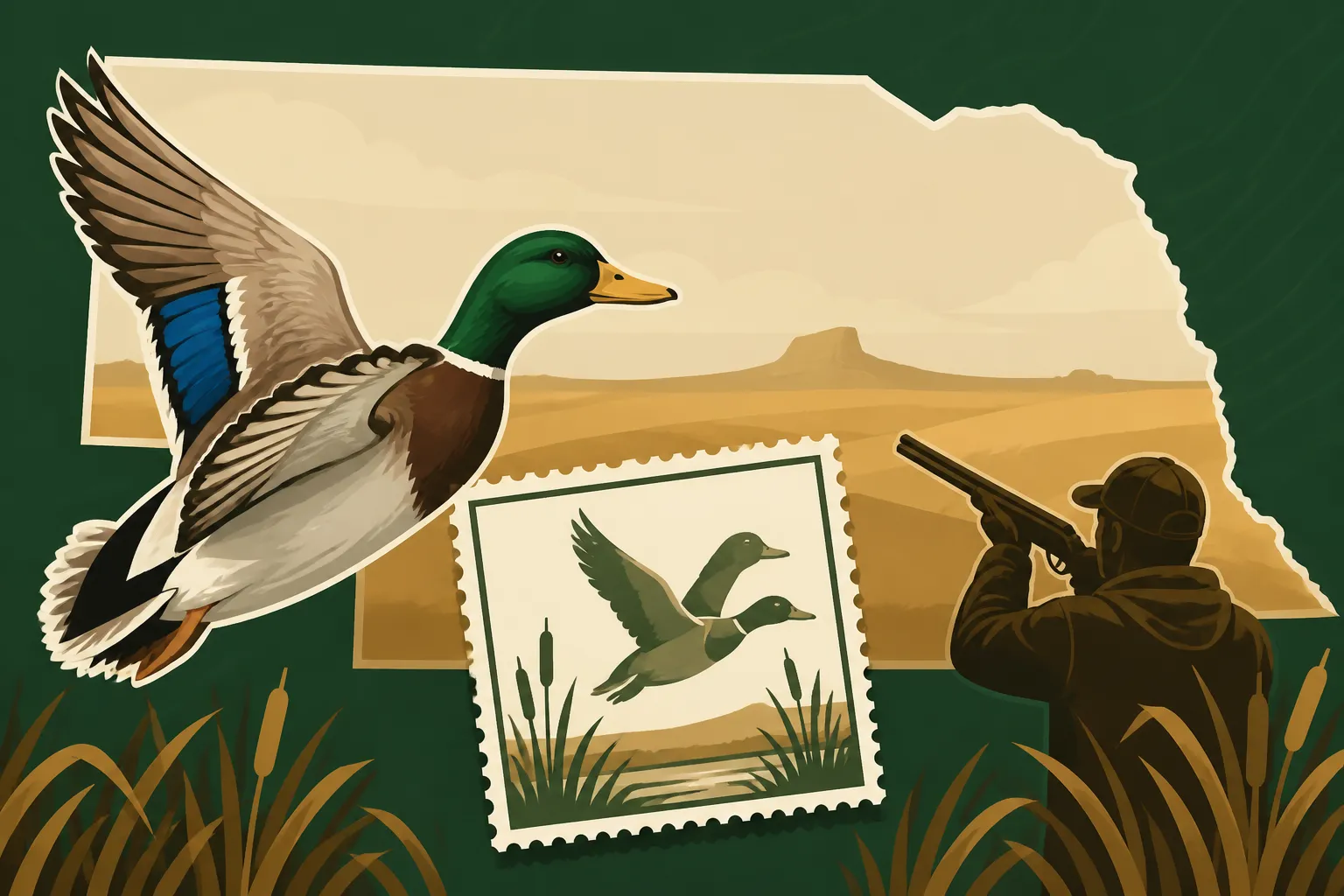
Before we talk about dollars and cents, let's really dig into what the Federal Migratory Bird Hunting and Conservation Stamp, or "Duck Stamp" as it's commonly known, actually is. It's more than just a piece of paper you stick on your license; it’s a direct investment in the future of waterfowl and the invaluable habitats they depend on, both here in Nebraska and across the entire nation.
A Brief, but Crucial, History of Waterfowl Conservation
The story of the Federal Duck Stamp dates all the way back to 1934, a time when North America's waterfowl populations faced dire threats from habitat loss, particularly during the devastating Dust Bowl era. Visionary conservationists, including the brilliant cartoonist and conservation advocate Jay "Ding" Darling, pushed for legislation that would provide a stable funding source for wetland preservation. This led to the Migratory Bird Hunting Stamp Act. The idea was elegantly simple: waterfowl hunters, those who directly benefit from healthy duck and goose populations, would contribute to their conservation through the purchase of this special stamp.
Since its inception, the Duck Stamp program has been remarkably successful. It’s often hailed as one of the most effective conservation tools in American history. The funds generated have been instrumental in protecting, restoring, and enhancing millions of acres of wetlands and associated habitats. These aren't just random patches of land; they are critical breeding grounds, migration stopovers, and wintering areas for countless species. Without the foresight of those early conservationists and the ongoing commitment of hunters, many of the waterfowl populations we enjoy today might have faced a much grimmer future.
Who Needs to Purchase This Stamp for Their Hunt?
This is a pretty straightforward rule, but it's one you absolutely need to get right before you head afield. Any person 16 years of age or older who plans to hunt migratory waterfowl – that includes ducks, geese, brant, and swans – in the United States is required by federal law to purchase and carry a valid Federal Duck Stamp. It doesn't matter if you're a resident of Nebraska or just visiting to experience some of our incredible Waterfowl of the Central Flyway in Nebraska, if you're 16 or older and pursuing ducks or geese, you need that stamp.
Now, it’s important to clarify that this requirement is specifically for hunting migratory waterfowl. If you're simply birdwatching, wildlife photography, or hiking in a national wildlife refuge, you don't need to buy one for those activities. However, many birdwatchers and nature enthusiasts choose to purchase the stamp anyway, knowing that it's a direct contribution to preserving the very habitats they enjoy. It's a wonderful way to show support for conservation, even if you never pull a trigger. Remember, this federal stamp is distinct from your state hunting permit and other state-specific requirements, such as the Nebraska Habitat Stamp Requirements and registering for the Nebraska HIP Registration Requirement. Each layer of these permits plays a specific role in managing and funding wildlife resources.
Understanding the Current Cost and Where Your Investment Goes
The price of the Federal Duck Stamp is a small sum when you consider the immense impact it has. It’s a fixed federal fee, meaning it doesn't vary from state to state, offering a consistent and reliable funding stream for conservation.
The Standard Price Point for the Federal Duck Stamp
As of the current hunting season, the price of the Federal Duck Stamp is $25. This price has been consistent since 2015, when it was last increased from $15. While $25 might seem like a modest amount, especially in today's economy where everything else seems to be getting more expensive, it represents an incredible value for the conservation work it funds. For roughly the cost of a couple boxes of shotgun shells or a quick trip to the grocery store, you're directly contributing to millions of acres of protected land.
It's also important to distinguish this federal stamp from any state-issued waterfowl stamps or conservation permits you might also need. While Nebraska does have its own state-level permits, the federal duck stamp is entirely separate and mandatory for migratory bird hunting anywhere in the U.S. This standard pricing across all states simplifies the process for hunters, ensuring that everyone contributes equally to this national conservation effort, regardless of where they choose to hunt.
How Your Funds Directly Support Nebraska's Wetlands
This is where your $25 truly shines. A remarkable 98 cents of every dollar generated from Duck Stamp sales goes directly into the Migratory Bird Conservation Fund. This fund is then used by the U.S. Fish and Wildlife Service to acquire vital wetland habitat and conservation easements for the National Wildlife Refuge System. What does this mean for Nebraska? It means that lands purchased or protected with these funds directly benefit critical areas within our state.
Think about the importance of places like the Rainwater Basin or the Platte River Valley. These areas are ecological jewels, serving as crucial staging and breeding grounds for millions of migratory birds along the Central Flyway. Funds from the Duck Stamp have helped secure and manage properties within these regions, ensuring that birds have safe places to rest and refuel during their epic migrations. For example, the GoHunt platform might show you public land boundaries, and many of those crucial wetland parcels exist because of these very funds. Your purchase directly helps maintain the health and vitality of our state's wetlands, which in turn supports robust Rainwater Basin Waterfowl Numbers and ensures the spectacle of migration continues for generations.
Recent Price Adjustments and the Rationale Behind Them
The last increase for the Federal Duck Stamp happened back in 2015, when the price moved from $15 to $25. These adjustments aren't made lightly; they're typically driven by the real-world costs of land acquisition and habitat restoration. Over time, the value of land increases, and if the price of the stamp doesn't keep pace, the program's ability to protect new acreage diminishes. The increase in 2015 was crucial to maintain the purchasing power of the Migratory Bird Conservation Fund and ensure that the U.S. Fish and Wildlife Service could continue to acquire and manage critical habitat.
While there hasn't been a price change in recent years, discussions about future adjustments are ongoing. Conservation organizations and wildlife agencies constantly evaluate the financial needs required to combat habitat loss, which remains an ever-present threat. Any proposed increase would aim to ensure the program can continue its vital work, securing more acres of wetlands and associated uplands, which benefits not only migratory birds but a vast array of other wildlife, too. It's a balancing act: keeping the stamp affordable for hunters while also ensuring it generates enough revenue to meet conservation goals in an evolving economic landscape.
Acquiring Your Federal Duck Stamp: Practical Steps for Hunters
Getting your Federal Duck Stamp is a simple process, with several convenient options available, whether you prefer to buy it in person or with a few clicks online. Making sure you have it squared away before opening day is key to avoiding any last-minute stress.
Online and In-Store Purchase Options
You've got a few solid avenues when it comes to picking up your Federal Duck Stamp:
- United States Post Office: This is the traditional route, and many hunters still enjoy the ritual of visiting their local post office. The stamps are typically available in late June or early July, just in time for the upcoming season. You'll receive the physical stamp right there, ready to be signed.
- Sporting Goods Stores: Major retailers like Cabela's and Bass Pro Shops, as well as many independent local sporting goods stores, often carry Federal Duck Stamps. This is a convenient option if you're already there picking up shells, decoys, or other gear for your hunt.
- State Hunting License Vendors: Most states, including Nebraska, make the Federal Duck Stamp available through their online license purchasing systems or through authorized license vendors (like bait shops, gas stations, or hardware stores). When you purchase through the Nebraska Game and Parks Commission website, you’ll typically receive an e-stamp (electronic stamp) immediately, with the physical stamp mailed to you later.
The table below summarizes these common purchase points:
| Purchase Method | Receipt of Stamp | Best For |
|---|---|---|
| U.S. Post Office | Physical stamp immediately | Traditionalists, immediate physical stamp |
| Major Sporting Goods Stores | Physical stamp immediately | Convenient for gear shopping |
| State License System (Online) | E-Stamp immediately, physical mailed later | Instant access, last-minute purchases |
| State License Vendors (In-person) | Physical stamp (if available) or E-stamp | Local convenience, immediate proof |
Understanding Temporary vs. Physical Stamps
When you purchase your Federal Duck Stamp online or through a state's electronic licensing system, you won't immediately get the physical, adhesive stamp. Instead, you'll usually receive an electronic record, often called an "e-stamp," or a confirmation number. This e-stamp is legally valid for hunting migratory waterfowl for up to 45 days from the date of purchase. It's incredibly handy if you realize you need a stamp just hours before heading out for Early Teal Days Before the Regular Opener or chasing geese on a cold morning.
During that 45-day window, the U.S. Fish and Wildlife Service will mail the actual physical stamp to the address you provided during your purchase. Once that physical stamp arrives, it's critically important that you sign it across the face in ink. An unsigned Federal Duck Stamp is not valid for hunting. Be sure to carry this signed physical stamp with you while hunting, especially if your 45-day e-stamp window has passed. If, for some reason, your physical stamp doesn't arrive within the expected timeframe, you should contact the vendor or the U.S. Fish and Wildlife Service for assistance, well before the 45-day grace period expires.
Important Considerations for Nebraska Waterfowl Hunters
While securing your Federal Duck Stamp is a crucial step, it's just one piece of the regulatory puzzle for waterfowl hunting in Nebraska. To ensure a smooth and legal hunt, you'll need to consider several other essential items. First and foremost, you'll need a valid Nebraska hunting permit for the current season. Beyond that, a Nebraska Habitat Stamp is also required for nearly all hunting and trapping activities within the state, which is another vital funding source for habitat work.
Additionally, every migratory bird hunter in Nebraska, regardless of age, must register with the Harvest Information Program (HIP) each year. This is a simple, free registration that helps wildlife agencies gather important harvest data. You'll also want to familiarize yourself with the specific Nebraska Waterfowl Seasons and Zones, Nebraska Duck Zones and Split Seasons, and Nebraska Goose Units and Dates that apply to your chosen hunting area and target species. Regulations can change, and knowing the bag limits, shooting hours, and other specific rules for regions like the Rainwater Basin Wetland Access is paramount. Staying informed through the Nebraska Game and Parks Commission's official channels is always the best practice. Remember, successful hunting isn't just about calling birds in or Setting Decoys Around a Layout Blind; it’s also about being a responsible, knowledgeable, and legal participant in conservation.
The Far-Reaching Impact: Conservation Efforts Beyond Just Waterfowl
It's easy to think of the Federal Duck Stamp as "just for duck hunters," but its impact stretches far beyond the realm of migratory birds. The funds it generates are a cornerstone of a much broader conservation strategy that benefits countless species and provides invaluable opportunities for all Americans to connect with nature.
Creating Habitat for a Diverse Range of Wildlife
While the primary mission of the Duck Stamp program is to protect and restore wetlands for migratory waterfowl, the ecological benefits ripple out to an astonishing variety of other wildlife. These acquired and managed wetlands, often within the National Wildlife Refuge System, are vibrant ecosystems that support everything from endangered shorebirds and songbirds to white-tailed deer, pheasants, furbearers, amphibians, reptiles, and countless invertebrates.
Imagine a marsh that provides a critical breeding ground for ducks. That same marsh also filters pollutants from water, acts as a natural buffer against floods, recharges groundwater supplies, and provides a home for muskrats, frogs, and rare plant species. Your $25 doesn't just buy a place for a duck to land; it helps sustain an entire ecological community. In Nebraska, these protected wetlands are havens of biodiversity, crucial for maintaining the health of our diverse ecosystems and supporting a wide array of creatures that never even see a shotgun.
Expanding Public Access and Recreational Opportunities
One of the often-unsung benefits of the Federal Duck Stamp program is the expansion of public access to outdoor spaces. The lands acquired with Duck Stamp funds are frequently opened to the public for a multitude of recreational activities, far beyond just hunting. These areas provide incredible opportunities for birdwatching, wildlife photography, fishing, hiking, and environmental education.
For many Nebraskans and visitors, these national wildlife refuges and wetland management areas are some of the only places where they can experience truly wild, undeveloped landscapes. They offer a chance to escape the hustle and bustle, observe nature, and engage in healthy outdoor pursuits. So, whether you're a hunter with Waders for Nebraska Marsh Hunting, a photographer capturing a sunrise over a wetland, or a family enjoying a nature trail, you are likely benefiting from the conservation legacy supported by the Federal Duck Stamp. It truly is a user-pay, public-benefit model that delivers tangible results for everyone.
The Enduring Legacy of Hunters in Conservation Funding
The Federal Duck Stamp is a prime example of the "user pay, public benefit" model that underpins much of America's conservation success. Hunters, through their purchase of stamps and licenses, and through excise taxes on hunting equipment (thanks to the Pittman-Robertson Act), are consistently the largest contributors to conservation funding in the United States. This model ensures that those who directly enjoy the resource also bear the primary financial responsibility for its perpetuation.
This proactive approach by hunters has created an unparalleled legacy of conservation, protecting not only game species but also hundreds of non-game species and their habitats. It’s a powerful testament to the conservation ethic deeply ingrained in the hunting community. Every time a hunter purchases a Federal Duck Stamp, they are reinforcing this legacy, ensuring that wetlands continue to thrive and that future generations will have the opportunity to experience the incredible natural heritage we cherish. It’s a commitment that extends beyond a single hunting season, reflecting a deep respect for the land and the wildlife it sustains.
Disclaimer
The information provided in this guide is for general informational purposes only and does not constitute legal advice. Hunting regulations and permit requirements are subject to change. Always consult the most current official regulations from the Nebraska Game and Parks Commission and the U.S. Fish and Wildlife Service before engaging in any hunting activities. It is the individual hunter's responsibility to know and follow all applicable laws and regulations.