Nebraska Bighorn Sheep Lottery
For many dedicated hunters, the thought of pursuing a bighorn sheep in Nebraska might seem like a dream, something reserved for far-off mountain ranges. The reality is, while Nebraska does have a small, thriving bighorn population, securing one of these coveted tags is one of the most challenging feats in North American hunting, with odds so astronomical they can feel like a lottery. This guide aims to demystify the Nebraska bighorn sheep lottery, helping you understand the process, the incredible rarity, and what it truly means to pursue one of these magnificent animals in the Cornhusker State.
The Return and Rarity of Bighorn Sheep in Nebraska
The journey of bighorn sheep in Nebraska is a remarkable tale of restoration, one that highlights the dedication of conservationists and the resilience of wildlife. For generations, these iconic animals were absent from the state, victims of disease and overhunting in the early 20th century. Their return has been a painstaking process, making every single tag issued an incredibly precious commodity.
The History of Bighorn Restoration in Nebraska
Imagine a Nebraska landscape without bighorns. That was the reality for over 70 years. Rocky Mountain bighorn sheep were native to the rugged Pine Ridge area of western Nebraska but were extirpated by the early 1900s. It wasn't until the late 1980s that efforts began in earnest to reintroduce them. The Nebraska Game and Parks Commission, with partners like the Foundation for North American Wild Sheep (FNAWS), embarked on an ambitious program to bring bighorns back.
These reintroductions involved translocating sheep from states with established populations, such as Montana and Colorado, to carefully selected release sites in the Pine Ridge. It wasn't a simple task; these animals are sensitive to disease and stress, and establishing a new herd requires years of monitoring and management. The initial releases were small, cautiously managed groups, and for a long time, the population remained fragile. The success seen today is a testament to persistent efforts, marking a true conservation victory. You can learn more about the broader efforts in articles like Bighorn Sheep Restoration in Nebraska.
Current Herd Status and Population
Today, Nebraska's bighorn sheep herds are primarily found in the rugged, dramatic canyons and buttes of the Pine Ridge in the northwestern part of the state, around areas like the Wildcat Hills and Fort Robinson State Park. While the population is stable and growing, it's crucial to understand that it remains relatively small compared to other Western states.
Based on recent surveys, the total bighorn sheep population in Nebraska hovers around 300-400 animals. These numbers are meticulously tracked by Nebraska Game and Parks biologists, who conduct regular aerial surveys and ground observations. This low population count directly translates to the extreme scarcity of hunting permits. Unlike deer or turkey, where thousands of tags are issued, the bighorn population simply cannot sustain a high harvest. The goal is sustainable management, ensuring the health and growth of the herd while offering a very limited, once-in-a-lifetime hunting opportunity. This ongoing monitoring helps determine the number of permits issued each year, if any, ensuring that hunting doesn't negatively impact the overall herd health. For specific figures, you might look at details like Nebraska Bighorn Sheep Numbers.
Limited Tag Numbers and Their Impact
This brings us to the most significant factor in the Nebraska bighorn sheep lottery: the incredibly limited number of tags. Each year, Nebraska typically issues just one permit through its public lottery. Yes, you read that right – one permit for all eligible resident applicants. There is also usually one conservation auction tag, which we’ll discuss later, but for the average hunter hoping to draw, it's a single, golden ticket.
This extreme scarcity means the odds of drawing are truly astronomical. We're talking thousands, sometimes tens of thousands, of applicants vying for that single tag. It’s not uncommon for hunters to apply for decades without success, treating the annual application as more of a hopeful donation to conservation than a realistic expectation of a hunt. This limited issuance is a direct reflection of the small herd size and the careful management approach by Nebraska Game and Parks to ensure the long-term viability of the bighorn population. It means that drawing this tag isn't just winning a hunt; it's winning an incredibly rare privilege to participate in the ongoing story of bighorn restoration.
Understanding the Bighorn Sheep Lottery Process
Navigating any big game lottery can be confusing, and the Nebraska Bighorn Sheep Lottery is no exception, primarily due to its unique "once-in-a-lifetime" structure and the absence of a traditional preference point system. It’s a true roll of the dice, making understanding the application critical.
Residency Requirements for the Draw
First and foremost, the Nebraska bighorn sheep lottery is exclusively for Nebraska residents. This is a crucial distinction. Non-residents, unfortunately, are not eligible to apply for the public lottery tag. This policy ensures that the highly limited hunting opportunity is reserved for those who live in and contribute to the state where the conservation efforts are taking place.
To qualify as a resident, applicants must meet specific criteria outlined by the Nebraska Game and Parks Commission, generally involving continuous physical presence in the state for a certain period (e.g., six months) with the intent to reside permanently. You’ll need to ensure your hunting permit records reflect your residency status. This is one of the ways states prioritize their own citizens for the rarest hunting opportunities, acknowledging the local investment in wildlife management.
Key Application Dates and Deadlines
The application period for the Nebraska bighorn sheep lottery typically opens in late summer and closes in early fall. While specific dates can shift slightly year-to-year, generally, you can expect the application window to be in August and September.
It's absolutely critical to mark these dates on your calendar. Missing the deadline by even a day means you're out of luck for that year. Nebraska Game and Parks usually announces the exact dates well in advance on their website. Many hunters set reminders or follow resources that track application periods across states, like those provided by GoHunt, to ensure they don't miss these narrow windows. The application is usually submitted online through the Nebraska Game and Parks permitting portal, which is a fairly straightforward process once you're logged in. Remember to double-check all your information before submitting to avoid any disqualifying errors. For general big game application information, you can always refer to resources like Nebraska Big Game Draw Deadline.
Navigating the Application Platform
Submitting your application for the bighorn sheep lottery is typically done through the Nebraska Game and Parks Commission's online permit system. This system is designed to handle all permit applications, from deer to fishing licenses. Here’s a general rundown of what to expect:
- Access the Portal: You'll start by visiting the official Nebraska Game and Parks website and navigating to their online permit and license section. You'll need to either log in to an existing account or create a new one if you're a first-time applicant.
- Select the Permit: Once logged in, you'll find an option for "Big Game Lottery Permits" or specifically "Bighorn Sheep." Select this.
- Review Requirements: The system will usually present you with a summary of the requirements, fees, and rules. Pay close attention to these, especially any updates for the current year.
- Enter Information: You'll confirm your personal details and residency. This is where the system verifies your eligibility.
- Payment: There will be a non-refundable application fee. This fee is relatively small, often around $25, and contributes to bighorn management and the cost of running the lottery. Unlike some states, you are not charged the full permit fee upfront; you only pay that if you successfully draw.
- Confirmation: After submitting, you’ll receive a confirmation number and often an email. Keep this for your records!
While the platform is generally user-friendly, don't wait until the last minute. Technical glitches can happen, and you don't want to be scrambling on deadline day.
The Draw Process and Odds of Success
This is where the dream meets the stark reality for most applicants. The Nebraska Bighorn Sheep Lottery is notoriously difficult to win, and understanding why can help manage expectations.
Understanding the Odds and Success Rates
Let's be blunt: the odds of drawing a Nebraska bighorn sheep tag are incredibly, incredibly low. Because only one permit is issued through the public lottery annually, and thousands of residents apply, your chances are typically less than one in several thousand, sometimes even tens of thousands. For example, if 5,000 people apply, your odds are 1 in 5,000. If 10,000 apply, it's 1 in 10,000. These numbers are generally public knowledge after the draw, allowing applicants to see just how many hopefuls they were up against.
To put this into perspective, you have a better chance of drawing certain elk or mule deer tags in other western states, even as a non-resident, than you do of drawing a bighorn tag in Nebraska. This isn't meant to discourage you, but rather to ground your expectations in reality. Applying is a contribution to conservation and a low-cost shot at a truly unique opportunity, but it’s not something you should plan your hunting season around. Many serious draw hunters use platforms like GoHunt, which aggregates draw odds and application data from various states, to understand just how tough these draws are. While GoHunt might not have a specific "Nebraska Bighorn Sheep Lottery Odds" breakdown with historical data for such a single-tag draw, their general resources can help you grasp the statistical improbability.
Preference Points: Do They Apply Here?
Here's an important distinction: Nebraska does not utilize a preference point system for its bighorn sheep lottery. This is different from many other Western states where hunters accumulate points for unsuccessful applications, increasing their odds in subsequent years for species like deer, elk, or antelope.
For Nebraska bighorns, every applicant, regardless of how many years they’ve applied previously, starts fresh each year. It is a completely random draw. This means a first-time applicant has the exact same statistical chance as someone who has applied for twenty years. While this might feel unfair to some long-time hopefuls, it also means that every applicant has an equal, albeit tiny, shot at that golden ticket. It truly is a lottery in the purest sense. You won’t find yourself trying to figure out "When to Buy a Point Instead of Applying" when it comes to Nebraska bighorns because that option simply doesn't exist.
Notification of Draw Results
The anticipation after applying can be intense, even with the long odds. Nebraska Game and Parks typically announces the draw results a few weeks to a month after the application period closes. This is usually done through a public announcement on their website and, most importantly, via email or mail to successful applicants.
If you are one of the incredibly fortunate few, you will be directly contacted. Make sure your contact information on your Game and Parks profile is up to date! For the vast majority of applicants, you simply won't hear anything, or you might receive an email stating you were unsuccessful. Don't take it personally; it's the nature of a draw with such limited permits. Remember, even if you don't draw, your application fee goes towards vital conservation efforts, supporting the very herd you hoped to hunt. General draw result dates for other species can give you an idea of the timeline, as detailed in posts like When Nebraska Draw Results Are Posted.
The Once-in-a-Lifetime Opportunity
Drawing a Nebraska bighorn sheep permit is more than just winning a tag; it's securing a "once-in-a-lifetime" opportunity, a designation that carries significant weight and responsibility.
The "Once-in-a-Lifetime" Rule Explained
In Nebraska, the bighorn sheep permit issued through the public lottery is explicitly a once-in-a-lifetime permit. This means that if you are fortunate enough to draw and harvest a bighorn sheep, you can never again apply for or receive another bighorn sheep lottery permit in Nebraska. This rule is in place to ensure that the extremely rare opportunity to harvest a bighorn is distributed among as many different resident hunters as possible. Given the very limited number of mature rams available for harvest each year, it ensures fairness and maximizes the number of individuals who get to experience this unique hunt over time. This rule underscores just how special and scarce this opportunity truly is. This is a common practice for highly coveted species in many states, and details are often explained in policies like Once-in-a-Lifetime Rules in Nebraska.
Implications for Future Bighorn Hunts
The "once-in-a-lifetime" rule means that for those who draw, every decision made during the hunt becomes even more significant. There’s no "next year" if you pass on a ram or make a mistake. This adds a layer of pressure and excitement that is unparalleled in most other hunting pursuits. It encourages successful applicants to fully immerse themselves in the experience, perhaps hiring an experienced guide, spending extensive time scouting, and ensuring they are fully prepared for the physical and mental demands of a bighorn hunt.
For those who don't draw, the implication is simpler: keep applying, keep dreaming, and perhaps explore other avenues for supporting bighorn conservation, knowing that your small application fee is part of a larger picture. It also makes you appreciate the hunter who does draw, understanding they are experiencing something truly unique.
The Value of a Nebraska Bighorn Tag
The monetary cost of the Nebraska bighorn lottery permit itself, once drawn, is typically comparable to a high-value deer permit for a resident. However, its true value is immeasurable. This isn't just about the dollar amount; it's about the privilege, the challenge, and the contribution to conservation.
Securing this tag means you get to pursue one of North America's most iconic big game animals in your home state, an animal that was once gone from its landscape. It represents the pinnacle of a Nebraska hunting career for many. The memories, the effort, the physical exertion required to hunt the rugged Pine Ridge – these aspects far outweigh any price tag. It's an experience that connects you directly to a successful conservation story, and for many, that’s the greatest value of all.
What Happens if You Beat the Odds and Draw
Congratulations! You’ve defied the odds and drawn the Nebraska bighorn sheep lottery permit. This is where the real work, and the incredible adventure, truly begins. This isn't a walk in the park; a bighorn hunt is one of the most physically demanding big game hunts available.
Preparing for an Extremely Challenging Hunt
A bighorn sheep hunt in the Pine Ridge is not for the faint of heart. These animals inhabit steep, broken terrain, and chasing them requires exceptional physical fitness. You'll be climbing, descending, and traversing challenging landscapes, often at elevations that, while not extremely high compared to the Rockies, will still test your endurance.
Your preparation should begin immediately. This means a serious fitness regimen focusing on cardiovascular endurance, leg strength, and stamina. Think hiking with a heavy pack, climbing stairs, and trail running. Beyond physical conditioning, mental preparedness is key. These hunts can be long, frustrating, and demand patience and perseverance. You'll need to be ready for extreme weather, from biting cold winds to unexpected snow, even during early season.
Many hunters who draw this tag also consider hiring a qualified guide. While guides aren't mandatory, their experience in navigating the terrain, understanding bighorn behavior, and locating rams can be invaluable on a once-in-a-lifetime hunt. They can help you make the most of your limited time and maximize your chances of success.
Gear and Logistics Considerations
Your gear choices will be critical for a bighorn hunt. You'll need rugged, layered clothing suitable for varied weather conditions. Good quality hiking boots with excellent ankle support are non-negotiable. Optics are paramount; high-quality binoculars (10x or 12x) and a spotting scope with a sturdy tripod will be your best friends for glassing the vast, open terrain. Consider checking out resources like Optics for Glassing the Nebraska Sandhills for general glassing advice, which translates well to the Pine Ridge.
For rifles, you'll need something accurate and capable of ethical shots at longer ranges, as bighorns can be wary and the terrain often dictates shot distances. Calibers like a .270, 7mm Rem Mag, or .30-06 are popular choices. Don't forget a reliable rangefinder and a GPS unit or a robust mapping app like onX Hunt for navigation.
Logistically, you'll need to plan for transportation, potentially lodging, and understand the specific unit boundaries and access points. While some areas are public land, getting to the sheep can still be a challenge. You might also want to consult with Nebraska Game and Parks biologists who can provide some initial guidance and resources for your hunt, as they are invested in your success within the bounds of fair chase.
Mandatory Hunter Orientation and Mentorship
Typically, successful bighorn sheep lottery recipients in Nebraska are required to attend a mandatory hunter orientation meeting hosted by Nebraska Game and Parks. This isn't just a formality; it's a vital part of the process.
During this orientation, biologists and game wardens will provide critical information about the hunt. This includes:
- Detailed maps of the hunting unit and specific areas of bighorn activity.
- Discussions on bighorn biology, behavior, and what to look for in a legal ram (e.g., age, horn curl).
- Review of regulations, tagging requirements, and ethical hunting practices.
- Safety considerations for hunting in rugged terrain.
- Often, you'll also meet the conservation officer assigned to the unit, who can be a valuable resource.
Furthermore, Nebraska Game and Parks often provides mentorship opportunities or strongly encourages successful applicants to connect with experienced bighorn hunters or guides. This mentorship can be incredibly valuable, offering insights into tactics, judging sheep, and navigating the unique challenges of the Pine Ridge environment, much like one might seek advice for Hunting Mule Deer in the Nebraska Pine Ridge. This hands-on guidance from those who truly understand the specific area and animal can significantly improve your chances and enhance the overall experience.
The Nebraska Bighorn Sheep Auction Permit
While the public lottery offers a single, highly improbable chance for residents, there's another path to a Nebraska bighorn tag: the conservation auction permit. This avenue is different in almost every conceivable way, but its purpose is deeply rooted in conservation.
The Conservation Auction Tag Explained
Each year, in addition to the single lottery tag, Nebraska also allocates one bighorn sheep permit to be sold at a conservation auction. This permit is available to anyone, resident or non-resident, from anywhere in the world, provided they are legally able to hunt. These auctions are typically held at major conservation conventions, often in conjunction with organizations like the Foundation for North American Wild Sheep (FNAWS) or the Wild Sheep Foundation (WSF).
The auction permit allows the successful bidder to hunt a bighorn sheep in Nebraska under specific regulations, similar to the lottery tag. The key difference is the price. These permits command incredibly high prices, often reaching six figures, with some going for over $100,000, $200,000, or even more. These amounts reflect not only the rarity of the tag but also the charitable nature of the purchase. This is a very different path from applying for Nebraska Bighorn Sheep Lottery Odds, as it's purely a financial transaction.
How Auction Tag Funds Benefit the Herd
The primary purpose of the conservation auction tag is to generate significant funds for bighorn sheep management and conservation within Nebraska. 100% of the proceeds from the sale of this auction tag go directly back into the state’s bighorn sheep program.
These funds are critical for a variety of initiatives, including:
- Habitat Improvement: Restoring and enhancing crucial bighorn habitat in the Pine Ridge.
- Disease Management: Monitoring herd health, preventing and managing disease outbreaks (like those related to Bighorn Pneumonia in Nebraska Herds), which can devastate bighorn populations.
- Research: Funding studies to better understand bighorn genetics, movements, and population dynamics.
- Translocations: Potentially funding future efforts to bolster existing herds or establish new ones.
- Law Enforcement: Supporting efforts to prevent poaching and protect bighorn sheep.
Essentially, the auction tag allows a very wealthy individual to gain a rare hunting opportunity while simultaneously making an enormous contribution to the long-term health and success of Nebraska’s bighorn sheep population. It's a win-win for conservation, providing resources that would otherwise be difficult to acquire. You can find more specific information on this topic in articles like Nebraska Bighorn Sheep Auction Permit.
Observing Bighorns Without a Tag
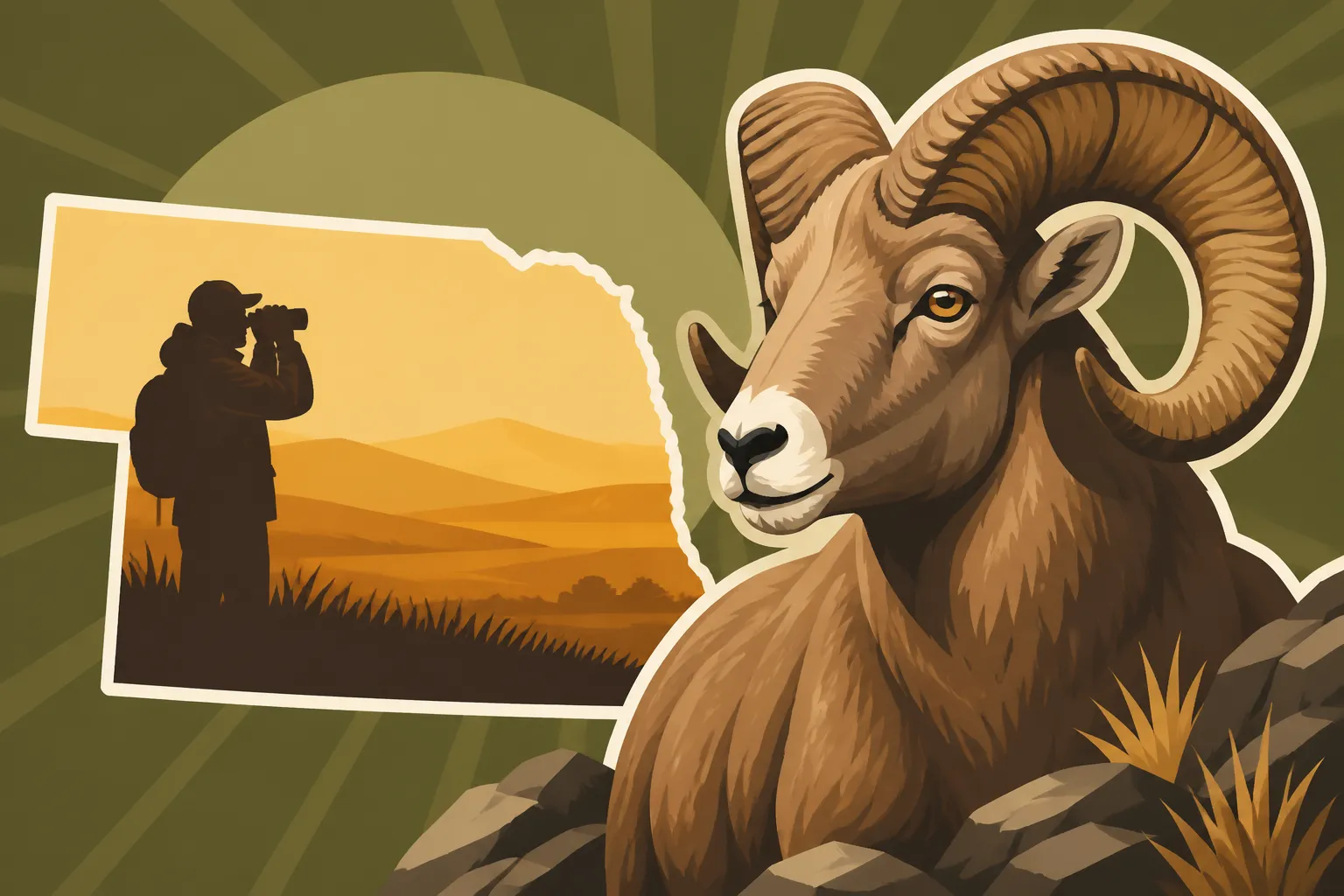
For the vast majority of hunters and outdoor enthusiasts who won't draw a lottery tag or bid on an auction permit, observing bighorn sheep in their natural habitat is still a fantastic experience. The Pine Ridge area, particularly around Fort Robinson State Park and the Wildcat Hills State Recreation Area, offers excellent opportunities for wildlife viewing.
You can often spot bighorns from designated viewing areas or by hiking some of the public trails. Early mornings and late evenings are typically the best times. Bring a good pair of binoculars or a spotting scope, and be patient. Seeing these magnificent animals, often high on a cliff face or navigating rocky terrain with incredible agility, is a reward in itself. It allows you to appreciate the success of Nebraska's conservation efforts firsthand and connect with the wild beauty of the Pine Ridge without the pressure of a hunt.
Comparing Nebraska Bighorn Opportunities
To help you visualize the distinct paths to a Nebraska bighorn sheep encounter, here’s a quick comparison of the lottery and auction permit options.
| Feature | Public Lottery Permit (Resident Only) | Conservation Auction Permit (Anyone) |
|---|---|---|
| Eligibility | Nebraska Residents Only | Anyone (resident or non-resident) |
| Number Available | Typically One per year | Typically One per year |
| Application Cost | Small, non-refundable application fee (e.g., $25) | Bidding starts high, no application fee |
| Permit Cost | Standard resident big game permit fee (if drawn) | Can be $100,000+ (auction price) |
| Odds | Extremely low (1 in thousands) | Determined by bidding power (highest bidder wins) |
| Preference Points | No preference point system | Not applicable |
| "Once-in-a-Lifetime" | Yes, if you harvest a bighorn | No, can purchase multiple times if able to afford |
| Benefit to Conservation | Application fees and permit fees | 100% of auction price goes to bighorn management |
| Path to Obtaining | Pure luck of the draw | Financial ability to outbid others |
Disclaimer
Please note: Hunting regulations, season dates, and permit requirements are subject to change. Always consult the official Nebraska Game and Parks Commission website or their current hunting guide for the most accurate and up-to-date information before planning any hunting activity. This content is for informational purposes only and should not be considered legal advice.