How Nebraska Limits Nonresident Turkey Hunters
It's no secret that Nebraska has become a fantastic destination for turkey hunters, drawing folks from all over with its diverse landscapes and healthy populations. But if you're a nonresident, you've probably felt the frustration of trying to secure a spring turkey permit, only to find them gone in a flash. This guide is here to shed light on exactly how Nebraska manages and limits nonresident turkey hunters, helping you understand the system, navigate the challenges, and boost your chances of getting in on the action.
Understanding Nebraska's Approach to Nonresident Turkey Hunters
For many years, Nebraska was a hidden gem, offering plentiful turkey opportunities with relatively easy access to permits, even for those coming from out of state. However, the secret got out, and combined with some concerning shifts in the wild turkey population, the Nebraska Game and Parks Commission (NGPC) had to make some tough decisions to protect the resource and ensure sustainable hunting for everyone. This isn't about excluding anyone, but about balancing demand with the health of the flocks.
The Historical Context of Nebraska's Turkey Program
Historically, Nebraska's wild turkey populations thrived, especially as conservation efforts successfully reintroduced different subspecies across the state. From the rugged Pine Ridge in the west with its Merriam's turkeys to the dense river bottoms in the east holding Easterns and Rio Grandes, the state offered a truly diverse hunting experience. This success led to a fairly open permit system for a long time, welcoming hunters from all over the country. Many of us remember those days fondly, when a nonresident could simply decide on a whim to come hunt Nebraska and easily secure a tag. There wasn't the scramble we see today.
However, over the last decade or so, we've seen a noticeable shift. While still healthy in many areas, the overall statewide turkey population has experienced a decline. You can read more about the broader trends in Wild Turkeys in Nebraska and Their Decline. This decline isn't unique to Nebraska; it's a trend observed across much of the country, attributed to factors like habitat loss, changing weather patterns affecting poult survival, and perhaps even disease. When a resource shows signs of stress, responsible wildlife management dictates that adjustments must be made to hunting pressure.
Why a Nonresident Cap Became Necessary
The sheer popularity of Nebraska turkey hunting, coupled with declining bird numbers, created an unsustainable situation. Too many hunters, particularly in the spring when gobblers are most vulnerable and concentrated, could put undue pressure on local breeding populations. The NGPC's primary responsibility is to maintain healthy wildlife populations for future generations. Therefore, implementing a cap on nonresident permits was a pragmatic and necessary step. It’s a way to ensure that residents, who contribute directly through their taxes and state-specific license fees year-round, have a reasonable opportunity to hunt, while also managing the overall harvest. It's tough for nonresidents, yes, but it’s a conservation measure at its core, designed to give the birds a better chance to rebound.
Navigating the Annual Nonresident Permit Cap
If you're looking to hunt turkeys in Nebraska as a nonresident, understanding the specific limitations and how to navigate the permit system is absolutely crucial. It's not a lottery; it's a race, and you need to be ready at the starting gun. The system is designed to sell permits on a first-come, first-served basis, and they often disappear in minutes.
The Specifics of the 10,000 Permit Limit
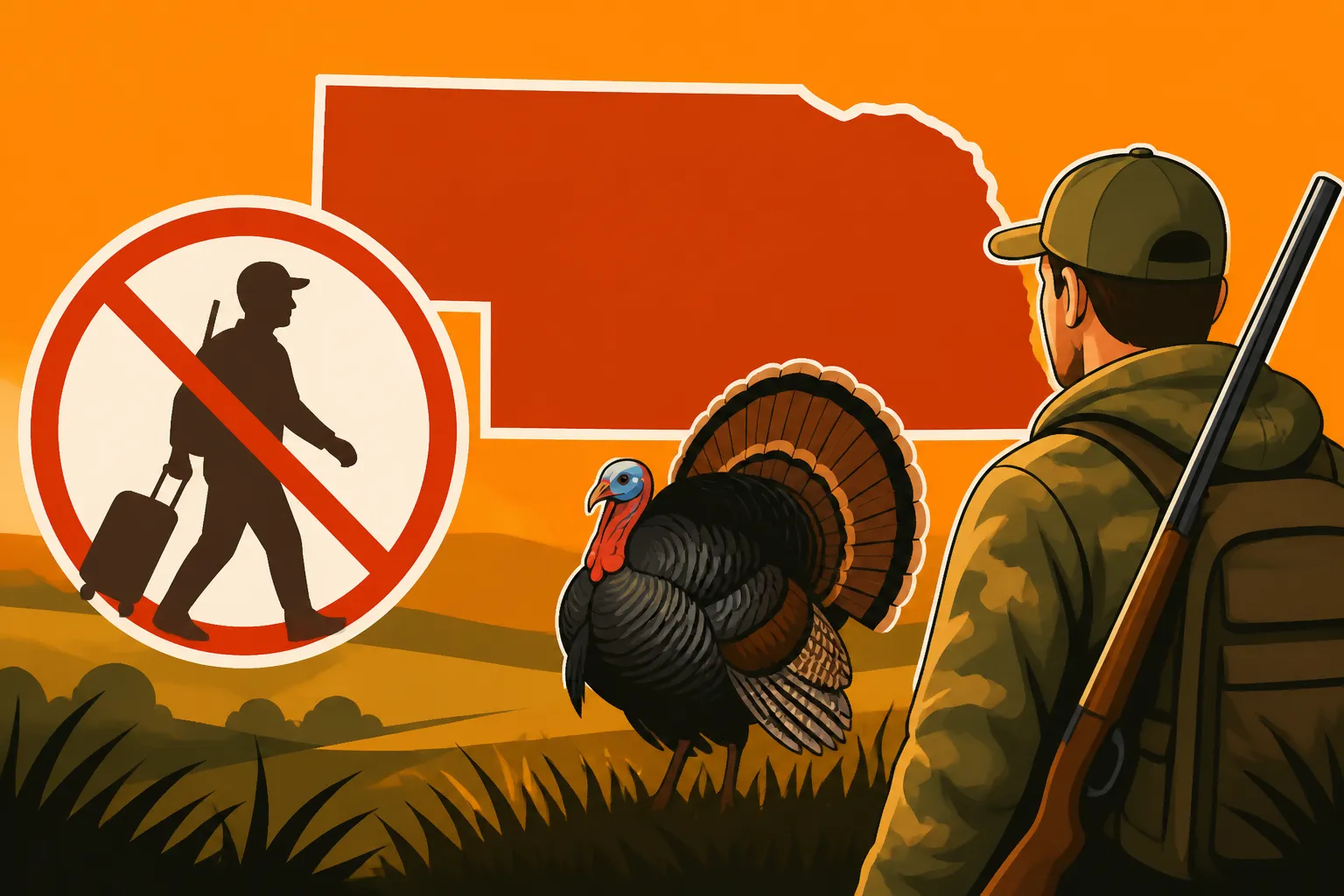
Nebraska imposes a strict limit on the number of nonresident turkey permits available each spring. This is known as The 10,000 Nonresident Turkey Permit Cap. This cap applies to all spring turkey permits, regardless of whether they are for archery or firearm seasons, and is distributed statewide. What this means in practice is that once 10,000 nonresident permits have been sold, no more will be issued for that spring season. It doesn't matter if you want an archery tag or a shotgun tag, or where you want to hunt; if that statewide quota is met, you're out of luck.
It's a system that can be incredibly frustrating for those who miss out. Many hunters plan their trips months in advance, only to have their plans dashed because they were a few minutes late to the online sale. This hard cap is a direct result of the NGPC's commitment to managing the resource responsibly, ensuring that the number of nonresident hunters doesn't overwhelm the turkey population, especially given the recent population declines.
Critical Dates for Purchasing Nebraska Spring Turkey Permits
The key to securing a nonresident turkey permit in Nebraska lies entirely in knowing and acting on the Nebraska Spring Turkey Permit On-Sale Date. This date is usually announced well in advance by the NGPC, often in December or early January for the upcoming spring season. Historically, these permits have gone on sale in early January, and it's not an exaggeration to say they can sell out within minutes or, at best, a few hours. This makes planning extremely difficult because you have such a narrow window of opportunity.
To increase your chances, you absolutely must mark this date on your calendar, set multiple alarms, and be ready at your computer or mobile device before the exact sale time. Have your account set up on the NGPC permit portal, know your login details, and have your payment information readily accessible. Any delay, any forgotten password, any slow internet connection, could mean missing out entirely. This intense competition is why you often hear the story of Why Nebraska Turkey Permits Sell Out in Days.
Understanding the Different Turkey Permit Types
When applying for your Nebraska turkey permit as a nonresident, you'll need to understand the structure. Generally, a nonresident hunter needs three things to legally hunt turkeys:
- A Nonresident Annual Hunt Permit: This is your general hunting license for the state.
- A Nebraska Habitat Stamp: This mandatory stamp supports habitat development and conservation.
- A Turkey Permit: This is the specific permit that allows you to harvest a turkey.
Each turkey permit allows you to harvest one male or bearded turkey in the spring season. You can purchase up to two spring turkey permits as a nonresident, provided the statewide cap hasn't been met. This is generally outlined in the rules for How Many Spring Turkey Permits You Can Buy. In the fall season, the rules are slightly different, often allowing for either-sex birds and generally facing less demand, which we'll discuss as an alternative.
Here's a breakdown of the typical costs and bag limits for Nebraska turkey permits for nonresidents (as of recent data, always check current NGPC regulations):
| Permit Type | Bag Limit (Spring) | Bag Limit (Fall) | Nonresident Annual Hunt Permit | Habitat Stamp | Turkey Permit Cost (Each) | Total for One Spring Permit (Approx.) |
|---|---|---|---|---|---|---|
| Spring Archery/Shotgun | 1 Tom/Bearded Turkey | N/A | ~$109.00 | ~$33.00 | ~$120.00 | ~$262.00 |
| Fall Archery/Shotgun | N/A | 2 Turkeys (Either Sex) | ~$109.00 | ~$33.00 | ~$120.00 | ~$262.00 |
Note: Prices are approximate and subject to change. Always verify current fees and regulations directly with the Nebraska Game and Parks Commission before planning your hunt.
Strategies for Nonresident Hunters to Secure a Permit
Given the intense competition for nonresident spring turkey permits, simply hoping for the best isn't a viable strategy. You need a game plan, and it needs to be executed flawlessly. Thinking outside the box and being flexible can also open up opportunities you might not have considered.
Being Prepared for the Fast Sell-Out
The most critical advice for securing a spring nonresident turkey permit is preparation and speed. As mentioned, these permits can sell out in minutes. This isn't an exaggeration; it's the reality. Here’s how you can prepare:
- Create Your Account Ahead of Time: Don't wait until sale day. Go to the Nebraska Game and Parks Commission website weeks in advance and create an online profile. Make sure all your personal information is accurate and up-to-date.
- Log In Early: On the day of the sale, log into your account at least 15-30 minutes before the official start time. Sometimes, systems might allow early access or warm-up clicks.
- Have Payment Information Ready: Store your credit card information securely in your browser or have it physically next to you. Typing out numbers wastes precious seconds.
- Use a Fast Internet Connection: A reliable, high-speed internet connection can make all the difference. Avoid using public Wi-Fi or cellular data if possible.
- Practice the Purchase Flow: If there's a way to navigate the permit purchasing system for other licenses before the turkey sale, familiarize yourself with the steps. Know exactly which buttons to click.
- Consider a 'GoHunt' or Similar Notification Service: Some services, like GoHunt, specialize in aggregating draw and sale dates for various states. While they can't buy the permit for you, getting a timely reminder or alert can be invaluable in a fast-paced sale scenario. Having multiple sources of information ensures you don't miss that crucial announcement.
It's a high-stress situation, but with meticulous preparation, you significantly increase your odds.
Considering Fall Turkey Hunting Opportunities
If the spring permit scramble seems too daunting, or if you simply miss out, don't despair! Nebraska offers a fantastic Fall Turkey Season that often flies under the radar for many nonresident hunters. While the excitement of spring gobbling can't be beat, fall hunting offers unique challenges and rewards, and the best part is that fall nonresident permits are much easier to obtain. They rarely, if ever, sell out.
Fall permits allow for the harvest of two turkeys of either sex per permit, which can be great for filling the freezer. The tactics are different – often focusing more on patterning flocks, breaking them up, and calling them back together. You can delve deeper into these methods by reading about Fall Turkey Tactics in Nebraska. Plus, the landscapes in the fall, with changing leaves and cooler temperatures, can be absolutely beautiful. It’s a less competitive, more relaxed hunting experience that many seasoned hunters prefer.
Exploring Other Species or Methods When Spring Permits Are Gone
If spring turkey permits are simply not in the cards, don't write off Nebraska entirely for a hunting trip. The state offers a wide array of other incredible opportunities that might fit your schedule and permit availability. For instance, if you're keen on bowhunting, Nebraska's archery deer season is quite long and offers fantastic opportunities for whitetails and mule deer. You might also consider predator hunting, which has generous seasons and generally easier permit requirements.
Focusing on small game, like pheasants or quail, can also be a rewarding experience, especially if you have a good bird dog. The general GoHunt platform and state-specific resources can help you explore permits and season dates for other species. Flexibility is key when dealing with competitive permit systems; sometimes, shifting your focus to another game animal or even a different season can still provide an amazing hunting adventure in Nebraska.
Making the Most of Your Nebraska Turkey Hunt
So, you've managed to secure your precious nonresident turkey permit. Congratulations! Now the real work begins. Nebraska offers diverse terrain, and understanding how to find birds and hunt effectively will be crucial for success, especially if you're new to the area.
Finding Public Access and Permission
One of the biggest hurdles for any nonresident hunter, beyond the permit itself, is finding accessible land. Nebraska has a robust Public Hunting Land in Nebraska system, but it's not always easy to navigate, especially for turkeys which often prefer dense timber or river bottoms. Your best friend here will be the Nebraska Public Access Atlas, an invaluable tool provided by the NGPC that details all public and publicly accessible private lands through programs like the Open Fields and Waters Program. Make sure you get the most up-to-date version, either online or in print.
Beyond public lands, don't underestimate the power of asking for permission on private land. Nebraska landowners are often receptive to polite, respectful hunters, especially for turkeys if you explain your intentions clearly. Start early, well before your hunt, and be prepared for "no" answers. A good strategy is to knock on doors, explain you're from out of state and just looking for a morning hunt, and offer to share some wild turkey breast if you're successful. This can be more effective in rural areas where you might find less competition.
Effective Scouting and Hunting Tactics for Nebraska Turkeys
Nebraska's turkey habitats are incredibly varied, meaning your tactics need to adapt to the terrain. In the eastern part of the state, river corridors like the Platte and Missouri often hold high densities of birds. Here, setting up in a bottomland timber edge, listening for roosted birds, and using aggressive calling can be effective. Conversely, in the Sandhills or Pine Ridge regions, birds are more spread out, and tactics like Run-and-Gun Turkey Tactics on Nebraska Public Ground, which involves covering a lot of ground and calling frequently, might be more successful.
Scouting is paramount, especially on unfamiliar ground. If you can arrive a day or two early, drive around, listen for gobbling, and look for fresh sign (tracks, droppings, strut marks). Maps and apps like GoHunt or OnX can help you identify potential roosting areas, feeding zones, and travel corridors. During the hunt, remember to be patient, stay concealed, and react to the birds' behavior. Sometimes, less calling is more, especially with pressured birds. And always be mindful of the Nebraska Turkey Daily Harvest Limit.
The Broader Picture: Conservation and the Future
Hunting is inextricably linked to conservation. The restrictions and challenges nonresidents face in Nebraska aren't arbitrary; they are part of a larger, ongoing effort to manage and protect our wild turkey populations. Understanding this context helps frame the situation and gives perspective on what might come next.
Nebraska's Ongoing Turkey Conservation Efforts
The Nebraska Game and Parks Commission, along with various conservation organizations like the National Wild Turkey Federation, are actively engaged in efforts to bolster turkey populations. This includes habitat improvement projects, disease monitoring, and research into factors affecting poult survival. For instance, increasing suitable nesting cover, managing predator populations where appropriate, and understanding the impacts of agricultural practices are all part of the larger strategy.
These efforts are vital because healthy turkey populations benefit everyone, whether they hunt or simply enjoy wildlife. Nonresident permit fees, along with those from residents, directly contribute to these conservation programs. It's a cyclical relationship: hunters pay for conservation, and conservation ensures there are animals to hunt in the future. The current permit caps are a symptom of a larger conservation challenge, and their success ultimately depends on the effectiveness of these broader programs.
Anticipating Future Changes to Permit Systems
Wildlife management is rarely static. The permit system for Nebraska turkeys, particularly for nonresidents, is subject to change based on ongoing population assessments, hunter demand, and management objectives. While it's impossible to predict the future with certainty, hunters should stay informed. The NGPC regularly publishes updates and proposes changes to hunting regulations.
It's possible that if turkey populations show significant recovery, the nonresident cap might be adjusted. Conversely, if declines persist, further restrictions could be implemented. For now, the current system of a capped number of permits sold on a first-come, first-served basis is likely to remain. For nonresident hunters, this means continued vigilance regarding sale dates and a willingness to adapt your hunting plans. Engaging with organizations like GoHunt or directly monitoring the NGPC website are the best ways to stay ahead of any potential changes and keep your dream of a Nebraska turkey hunt alive.
Disclaimer
Please remember that hunting regulations, permit availability, and fees are subject to change. Always consult the official Nebraska Game and Parks Commission website or their annual hunting guides for the most current and accurate information before planning any hunting trip.