Unplugged Guns Under Nebraska’s Spring Goose Rules
It's incredibly frustrating when you're geared up for an exciting hunt, only to be bogged down by a labyrinth of regulations, especially when it comes to migratory birds. Standard waterfowl rules can feel restrictive, but the unique nature of the spring light goose season often allows for different approaches. This guide is here to untangle the specifics of using unplugged guns during Nebraska's Light Goose Conservation Order, helping you understand the rules, strategize your hunt, and stay compliant while making the most of this fast-paced season.
Understanding the Light Goose Conservation Order's Special Rules
Hunting during the regular waterfowl season often means adhering to strict federal guidelines, like the three-shell limit in your shotgun, imposed by a plug. It's a rule designed to promote conservation and ensure fair chase. However, when spring snow geese migrate through Nebraska, they do so in such overwhelming numbers that they can actually cause significant habitat destruction on their arctic breeding grounds. This ecological concern is precisely why the U.S. Fish and Wildlife Service, along with state agencies like the Nebraska Game and Parks Commission, implement special regulations to encourage increased harvest during what's known as the Light Goose Conservation Order.
Why the Rules Change for Spring Snow Geese
The sheer scale of the light goose migration is hard to comprehend until you've witnessed it. Millions of snow geese, along with Ross's and blue geese, funnel through the Central Flyway, making their way back north. While an incredible spectacle, their burgeoning populations exert immense pressure on fragile arctic tundra ecosystems. They literally grub up vegetation by the roots, leaving behind barren landscapes that take years, sometimes decades, to recover. Recognizing this environmental crisis, the Light Goose Conservation Order was established to reduce their numbers. To facilitate this increased harvest, many of the standard federal waterfowl hunting regulations are relaxed, creating a distinct and often more aggressive hunting experience than during the regular season. This is why you'll find different rules regarding shooting hours, methods of take, and yes, even your shotgun's capacity.
The Specifics of Unplugged Guns
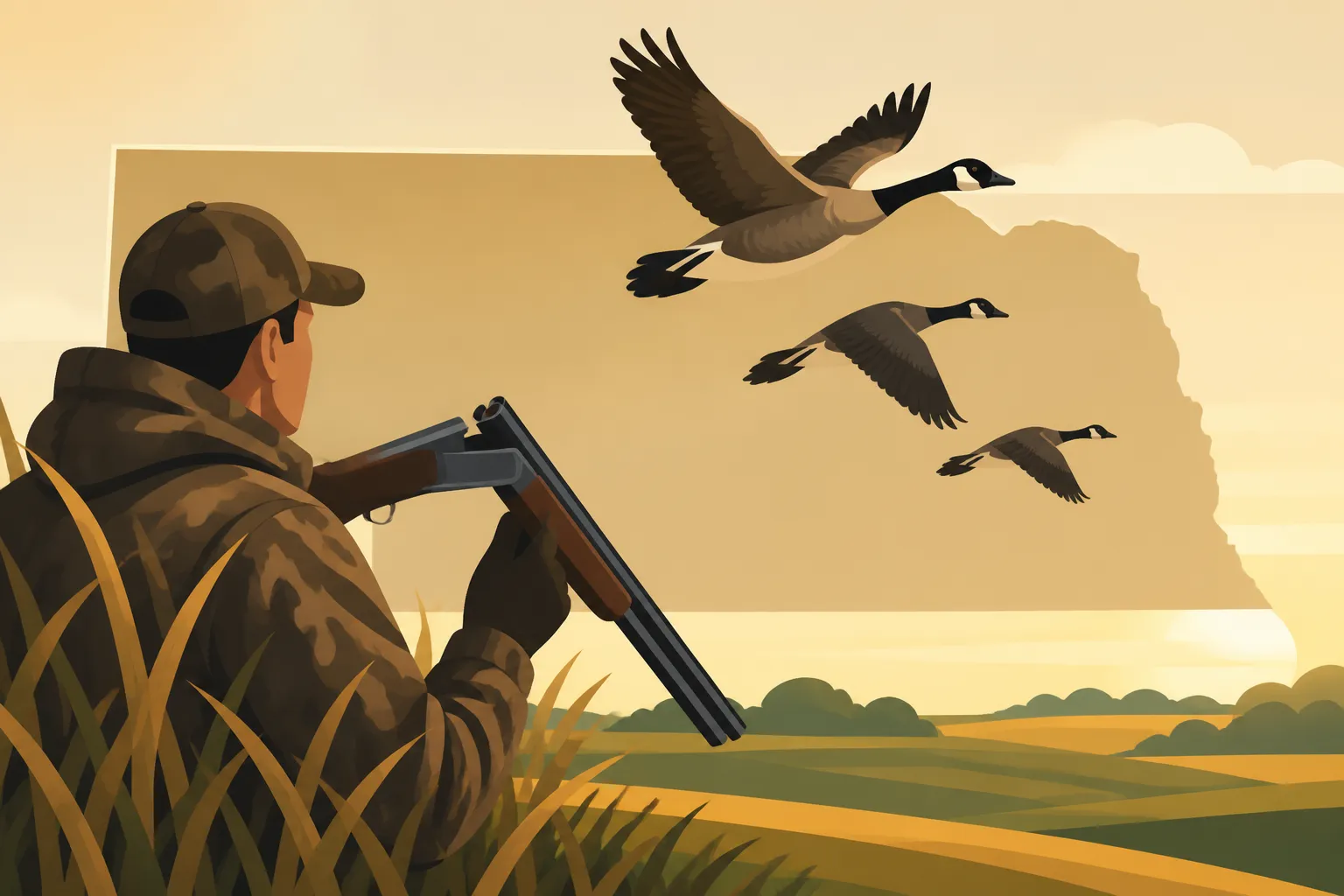
One of the most significant rule relaxations under the Light Goose Conservation Order is the allowance of unplugged shotguns. During the regular duck and goose seasons, federal law mandates that shotguns must be "plugged" to limit their capacity to no more than three shells (one in the chamber, two in the magazine). This has been a long-standing conservation measure. However, during the spring light goose season, that plug can come out! This means you can legally use your shotgun at its full factory capacity, which for most semi-automatic or pump-action shotguns, is typically 4-5 shells in the magazine, plus one in the chamber. The idea is simple: more shells in the gun mean more opportunities to bring down multiple birds from a large flock, contributing directly to the conservation goal of population reduction. It's a huge shift from the typical hunting rules and can take some getting used to, both in terms of reloading habits and overall shooting strategy. If you're planning your spring hunt, remember to review the official Nebraska Game and Parks regulations carefully, especially regarding the specific dates when the Light Goose Conservation Order runs.
Other Equipment Exemptions
Beyond the unplugged shotgun, the Light Goose Conservation Order also loosens up a few other rules that can significantly impact your hunting approach. For instance, there's no daily bag limit or possession limit on light geese during this specific season. You can harvest as many as you can ethically shoot and process. This is a clear indicator of the aggressive management goals. Additionally, electronic calls, which are strictly forbidden during regular waterfowl seasons, are perfectly legal for spring snow geese. Imagine the power of realistic goose vocalizations amplified across a vast harvested cornfield, drawing in distant flocks. Many hunters also leverage extended shooting hours, which can often run from half an hour before sunrise until half an hour after sunset, rather than the standard sunset cutoff. These combined exemptions – unplugged guns, no bag limits, electronic calls, and extended hours – create a high-volume, dynamic hunting scenario unlike any other. When combined with effective decoy spreads for Rainwater Basin geese, these tools become incredibly effective.
Practical Implications for Hunters
The ability to use an unplugged shotgun, coupled with other relaxed rules, fundamentally changes the dynamic of a spring snow goose hunt. It's less about careful, measured shots on small groups and more about managing chaotic, fast-flying flocks that might number in the hundreds or even thousands. This high-octane environment requires different tactics and a solid understanding of how to best utilize your newfound firepower.
Maximizing Your Firepower in the Field
With an unplugged shotgun, your primary goal is to increase your effective kill ratio on a passing flock. Instead of taking one or two birds and then frantically reloading while the rest fly off, you now have the capacity for multiple follow-up shots. This is particularly crucial when dealing with "tornadoes" of snow geese descending into your spread.
Think about your shooting cadence:
- First Shot: Focus on a lead bird or a bird just entering the kill zone.
- Second/Third Shots: Immediately transition to dropping birds that are either flaring away or continuing to commit, aiming for birds that are still within effective range.
- Rapid Reloads: Even with an unplugged gun, you'll still burn through shells quickly. Practice smooth, fast reloading techniques. Consider using larger shell bags or an easily accessible bucket of shells in your layout blind. Brands like GoHunt often feature articles and resources on optimizing gear for high-volume hunting scenarios, including shell management.
The goal isn't just to shoot more; it's to be more efficient. An extra shell or two in the magazine can mean the difference between one bird and two, or two birds and three, especially if you're targeting multiple geese from a passing flock. This is where hunters truly start to feel the impact of the conservation order, as it turns a potentially frustrating situation into one where their efforts can make a real difference to the goose population.
Ethical Considerations and Responsible Hunting
Just because you can shoot more doesn't mean you should abandon ethical hunting practices. The conservation order aims for a higher harvest, but it still demands responsible hunting.
- Shot Selection: Avoid "sky-busting." Even with an unplugged gun, you still have a maximum effective range. Shooting at geese that are too high or too far merely wounds birds and wastes ammunition. Focus on birds within 40-50 yards.
- Targeting Single Birds: In a massive flock, it's easy to lose focus. Try to pick out individual birds and track them, even as the chaos unfolds. This leads to cleaner kills and reduces the chance of simply peppering a flock.
- Retrieval: The sheer number of birds taken during a good snow goose hunt can make retrieval a challenge. Always prioritize quickly locating and retrieving downed birds. This is where a good retriever dog truly shines, but if hunting without one, mark fall locations meticulously. Losing birds goes against the spirit of ethical hunting and responsible conservation. Remember, the goal is to harvest birds, not just to shoot at them.
It's a balance: taking advantage of the increased capacity while maintaining the highest standards of sportsmanship. Even with relaxed rules, respecting the game and the environment remains paramount.
Decoy Strategies with Unplugged Guns
The allowance of unplugged guns pairs perfectly with large, aggressive decoy spreads, which are the hallmark of successful light goose hunting. These birds respond well to massive numbers, believing it to be a safe resting or feeding area.
- Massive Spreads: Don't be afraid to deploy hundreds, even thousands, of decoys. Silhouettes, full-bodies, Sillosocks, and even rags can all be part of a convincing spread. The more visual attraction, the better. Consider different spreads like the "power V" or the "J-hook" to guide birds into your kill hole. You can find excellent advice on setting a goose spread in harvested corn that maximizes your opportunities.
- Motion Decoys: While electronic calls draw them in audibly, motion is critical visually. Rotary machines, flying kites, and even simple flags can add lifelike movement that seals the deal. The more chaotic the spread appears (in a good way), the more natural it will seem to incoming geese.
- Hiding Your Position: With large numbers of birds circling, concealment is absolutely vital. Layout blinds are almost a necessity, carefully brushed in to blend seamlessly with the surrounding environment, whether it's stubble, dirt, or snow. The more effectively you hide, the closer the birds will commit, leading to better shot opportunities for your unplugged shotgun.
The synergy between an unplugged gun and a well-executed decoy strategy is what makes spring snow goose hunting so exciting and effective. It allows you to capitalize on the commitment of large flocks, turning what would otherwise be a fleeting opportunity into a sustained barrage.
Legalities and Best Practices for Nebraska Hunters
While the Light Goose Conservation Order offers significant freedoms, it's crucial to remember that it's still a highly regulated hunting activity. Complacency can lead to violations. Understanding the exact boundaries of the law and preparing adequately will ensure a successful and stress-free hunt.
Staying Compliant with State and Federal Regulations
Even with the relaxed rules, other federal and state regulations remain firmly in place. Don't let the excitement of an unplugged gun make you forget the basics.
- Required Permits: You still need a valid Nebraska hunting permit, a Nebraska Habitat Stamp, and a Federal Duck Stamp. Don't head afield without checking these off your list. Make sure your HIP registration is also current.
- Nontoxic Shot: This is a federal requirement for all waterfowl hunting, including light geese. You cannot use lead shot for spring snow geese. Ensure your shells are steel, bismuth, tungsten-alloy, or another approved nontoxic material. This applies even on private land, but it's especially important if you're hunting on federal property or even some state wildlife management areas. Always verify if Federal Refuge Nontoxic Shot Rules apply to your chosen hunting location.
- Reporting Harvest: While there's no daily bag limit, some reporting requirements may still apply depending on specific seasons or programs. Always check the current year's Nebraska Game and Parks regulations to ensure you're in compliance.
- Private Land Permission: If you're hunting on private land, always secure permission beforehand, preferably in writing. Nebraska's trespass and permission law is clear, and even during an open season, respect for private property is paramount.
- Unit and Zone Dates: While the conservation order spans a broad period, specific Nebraska goose units and dates can vary slightly, or certain areas might have special considerations. A tool like the Public Access Atlas can be invaluable for cross-referencing these details.
These seemingly small details are critical. A violation can lead to hefty fines and loss of hunting privileges, which is the last thing any responsible hunter wants. Take the time to confirm all your ducks (or geese!) are in a row before opening day.
Recommended Gear and Preparation
Beyond the unplugged shotgun and nontoxic shot, a successful spring snow goose hunt in Nebraska requires some specialized gear and thorough preparation.
- Ammunition: You'll use a lot of it. Purchase several boxes of your preferred nontoxic loads. Many hunters favor 3-inch or 3.5-inch shells in shot sizes like BB or #2. Consider a variety of brands to see what patterns best in your shotgun.
- Concealment: Layout blinds are king for this type of hunting. They keep you low profile and out of the wind. Invest in quality blinds and take the time to brush them in meticulously with local vegetation. Over-the-counter camouflage netting can also be helpful.
- Calls: An electronic call is a game-changer for spring snow geese. Look for models with a wide variety of realistic snow goose vocalizations. A remote control is highly recommended so you can adjust volume and sounds without disturbing your setup. Many hunters still carry a few hand calls for close-in work or finishing wary birds.
- Warm, Waterproof Clothing: Spring in Nebraska can be unpredictable. You might start in freezing temperatures and end in mud and rain. Layering is key, with waterproof outer layers essential. Insulated boots are a must, as you'll spend hours lying in cold, damp fields. Check out resources on clothing for Nebraska wind and cold to ensure you're prepared.
- Logistics: Consider how you'll transport hundreds, potentially thousands, of decoys. A trailer, UTV, or pickup is often necessary. You'll also need large coolers and plenty of ice for your harvest, especially if the weather warms up.
Proper gear won't guarantee success, but a lack of it will almost certainly guarantee discomfort and frustration. Preparing for the elements and the unique demands of this hunt will greatly increase your enjoyment and effectiveness.
Locating Prime Hunting Areas
Finding the "X" is the eternal challenge of goose hunting. For spring snow geese in Nebraska, scouting is paramount.
- Rainwater Basin: This region is a major staging area for migrating waterfowl, including snow geese. The numerous shallow wetlands and surrounding agricultural fields provide ideal feeding and resting opportunities. Researching Rainwater Basin wetland access is a great starting point for public land opportunities.
- Platte River Valley: Another significant flyway corridor, the Platte River and its adjacent fields host immense numbers of geese. Keep an eye out for fields near the river that show signs of recent feeding.
- Harvested Crop Fields: Snow geese are notorious for feeding heavily on leftover grains in harvested corn, milo, and bean fields. Look for areas with significant "stain" – large white patches on the ground from goose droppings – indicating heavy use.
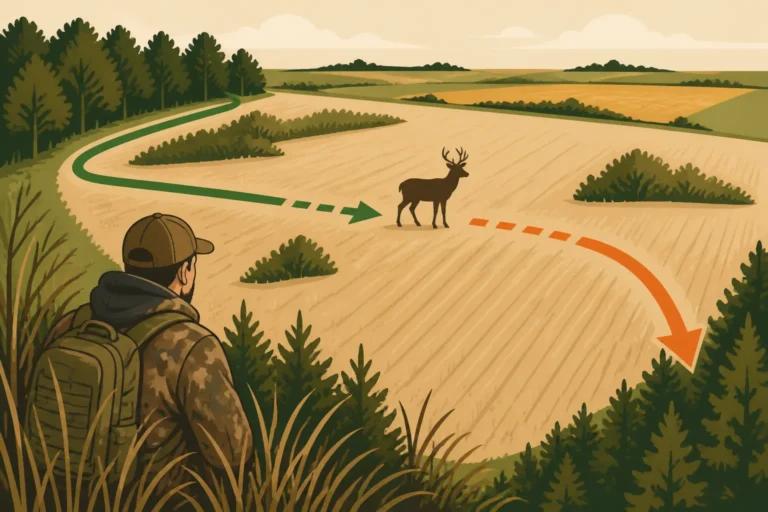
- Scouting Tools: Utilize online resources like the Nebraska Public Access Atlas or mapping apps like GoHunt to identify potential public access areas, Open Fields and Waters tracts, or suitable private land for permission requests. Driving country roads during the day to spot active flocks or observe flight patterns (reading roost-to-field flight lines) is the most effective scouting method.
Patience and persistence in scouting are often the differentiating factors between a mediocre hunt and an unforgettable experience. Even with an unplugged gun, you won't shoot anything if you aren't where the birds want to be.
Disclaimer
Hunting involves inherent risks. This guide provides general information and should not be considered a substitute for official regulations. Always consult the current year's Nebraska Game and Parks Commission regulations and federal waterfowl hunting guidelines before engaging in any hunting activity. Ensure you have all necessary permits and adhere to all safety protocols.