Nebraska Light Goose Conservation Order Tactics
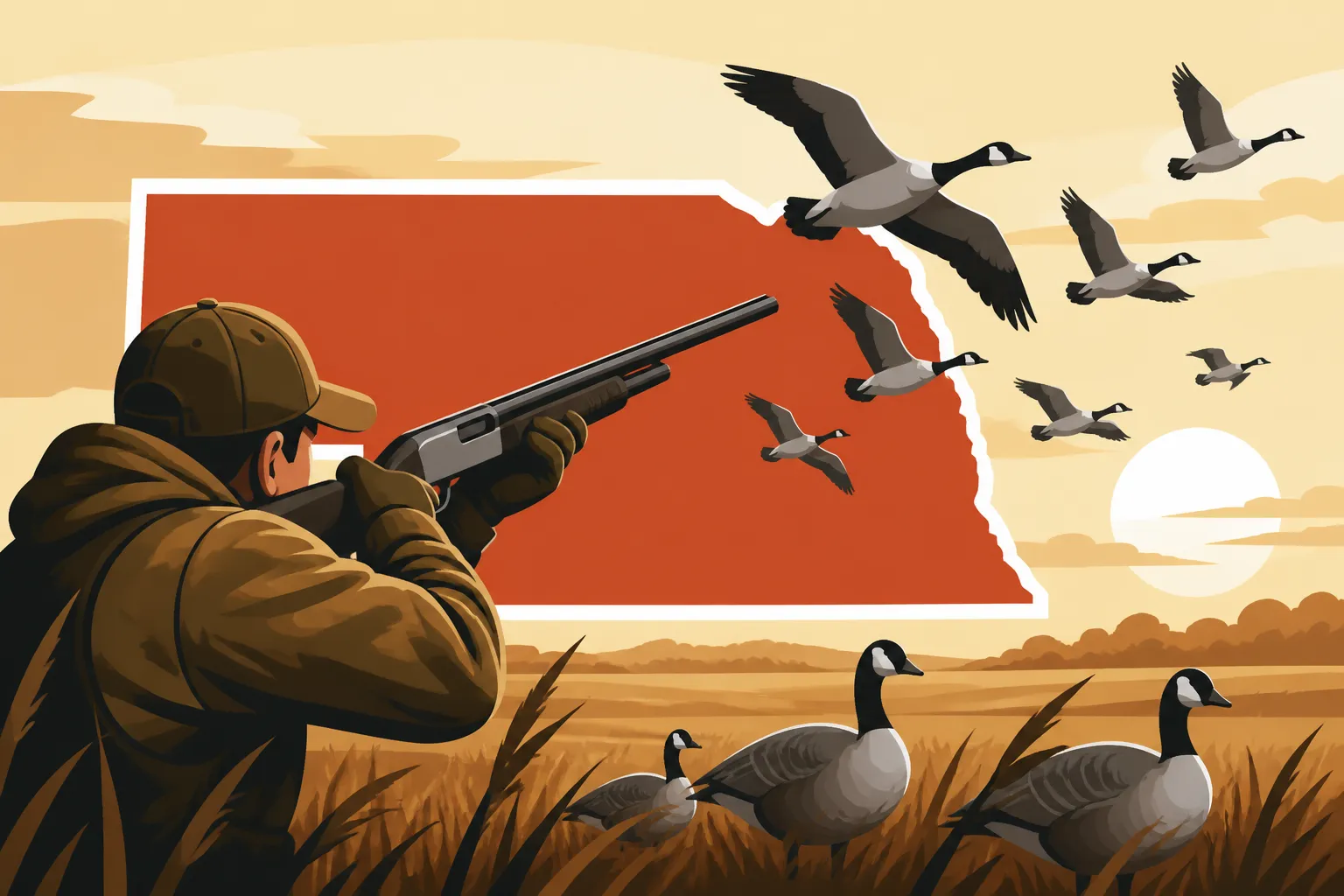
The sheer chaos and boundless energy of a massive snow goose spread can be incredibly intimidating for any hunter, especially when you're trying to figure out how to effectively decoy thousands of birds that have seen every trick in the book. It’s a completely different game than hunting Canada geese or ducks, demanding a unique approach to gear, scouting, and execution. This guide is here to walk you through the essential tactics for navigating Nebraska's Light Goose Conservation Order, helping you understand how to turn those overwhelming numbers into a successful hunt.
Understanding the Nebraska Light Goose Conservation Order
The Light Goose Conservation Order (LGCO) isn't your typical hunting season; it's a special period designed to help control the booming population of Lesser Snow Geese and Ross's Geese. These birds have reproduced to such an extent that their sheer numbers are causing significant damage to their Arctic breeding grounds, threatening the delicate ecosystem there. Nebraska, being a crucial stopover on the Central Flyway, plays a vital role in this conservation effort, offering hunters a chance to contribute while enjoying an exhilarating hunt.
Season Dates and Specific Regulations
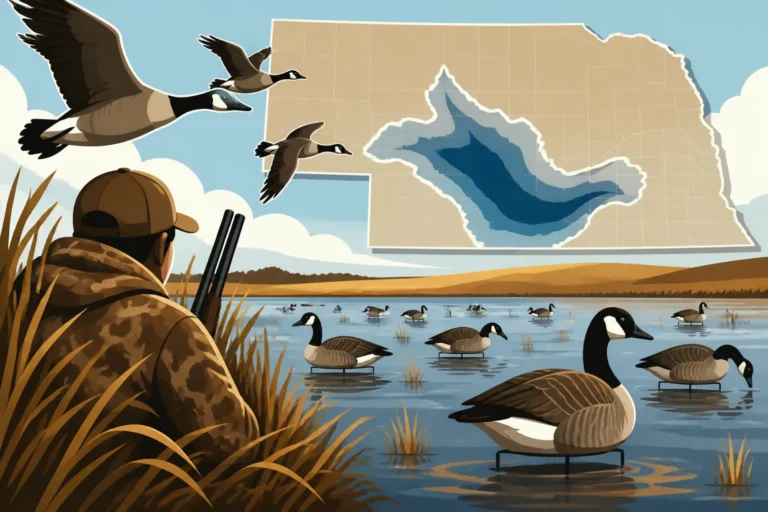
The LGCO in Nebraska typically kicks off in early February and can run all the way through mid-April, sometimes even into May. These dates can shift slightly each year, so it's always critical to check the Nebraska Game and Parks Commission (NGPC) regulations before you head out. Unlike regular waterfowl seasons, during the LGCO, some restrictions are lifted to help hunters be more effective. For instance, hunters are allowed to use unplugged shotguns, meaning you can load more than the typical three shells. This can be a game-changer when a massive flock decides to work your spread. Electronic calls are also permitted, which is a huge advantage when trying to mimic the deafening din of thousands of geese. It's truly a different beast, and these relaxed rules reflect the urgency of the conservation goal. You’ll also want to be mindful of specific units and zones; for example, the Rainwater Basin Light Goose Dates are often a major focus for hunters, given the sheer number of birds that stage there.
Permit Requirements and Hunter Education
Even though it’s a conservation order, you still need to be properly licensed. A valid Nebraska Annual Hunt Permit and a Nebraska Habitat Stamp are always required. If you're a nonresident, you'll need the equivalent nonresident permits. Federal and state duck stamps, however, are not required for the LGCO itself, which is a nice little break. For those new to hunting, or if you're bringing along a younger hunter, remember that Nebraska has specific hunter education requirements. If you're under 12, you'll need to be accompanied by a licensed hunter over 19. Those between 12 and 29 generally need to have completed a hunter education course, though the Nebraska Apprentice Hunter Exemption can provide a pathway for new hunters to get started under supervision. It's all about making sure everyone is safe and aware of the rules.
Essential Gear and Setup for Light Goose Hunting
Hunting light geese is a gear-intensive endeavor, often requiring a substantial investment in decoys and specialized equipment. This isn't a small-scale operation; you're trying to replicate a massive feeding flock, and that takes commitment. Many hunters find that pooling resources with a group makes this kind of hunting more feasible and enjoyable.
Decoy Spreads and Numbers
This is where the term "spread" truly gets a new meaning. For light geese, you're not talking about a dozen or two decoys; you're talking about hundreds, often thousands. The goal is to create a visual spectacle that screams "safe food!" to passing flocks. Full-body decoys are fantastic for realism, but they are expensive and bulky to transport. Many hunters rely heavily on "sillosocks" or windsock decoys because they are lightweight, compact, and animate beautifully in the wind, mimicking feeding birds without the hassle of full bodies. Combine these with some full-body sentries or feeders at the "kill hole" (your shooting zone) for added realism. A general rule of thumb is to deploy at least 500 decoys, but 1,000 to 2,000 is far more effective. Imagine trying to set up on a Nebraska cornfield edge, and suddenly you have to deploy a small army of decoys – it’s a big undertaking! You'll often see hunters deploy a large blob of white decoys, often in a loose "U" or "J" shape, with the open end facing downwind, creating a landing zone for the geese. For more specific guidance, resources like Decoy Spreads for Rainwater Basin Geese offer invaluable diagrams and tips.
| Decoy Type | Pros | Cons | Best Use |
|---|---|---|---|
| Windsocks | Lightweight, compact, good motion | Can tangle, less realistic up close | Bulk numbers, motion, base of the spread |
| Full-Body | Highly realistic, durable | Expensive, heavy, bulky | Sentries, small groups, "kill hole" realism |
| Shell Decoys | Stackable, more realistic than socks | Less motion than windsocks | Filling in gaps, static feeding birds |
| Flagging/Kites | Excellent motion, draws attention | Requires active use, can spook wary birds | Drawing distant birds, adding dynamic movement |
Blinds, Calls, and Shotguns
Given the sheer scale of the decoy spread, you'll need effective concealment. Layout blinds for Nebraska cut corn are indispensable. These low-profile blinds allow you to hide directly within your spread, giving you an unobstructed view and keeping you out of sight until the critical moment. Make sure they are brushed in properly to blend with the field stubble. For calls, electronic calls are your best friend during the LGCO. These devices can blast out the loud, cacophonous chatter of a thousand feeding snow geese, drawing birds from miles away. Combine this with traditional mouth calls for added realism and to fine-tune your calling as birds get closer.
When it comes to shotguns, an unplugged 12-gauge is almost universally preferred due to its versatility and payload. With the ability to hold more than three shells, you can keep shooting during those chaotic moments when multiple birds drop into the spread. As for ammunition, non-toxic shot is mandatory for all waterfowl hunting, including the LGCO, on most public lands and wetlands, so steel shot or other approved alternatives are a must. Make sure you're using heavy loads with larger shot sizes, like BB, BBB, or T-shot, as light geese can be surprisingly tough birds. It’s a good idea to research Unplugged Guns Under Nebraska's Spring Goose Rules to fully understand the legalities and benefits.
Strategic Tactics for Success on the Nebraska Plains
Hunting light geese during the conservation order is often a numbers game mixed with a healthy dose of strategic thinking. It's not just about having a huge spread; it's about putting it in the right place at the right time and knowing how to interact with the birds.
Scouting and Location Selection
Scouting is paramount, maybe even more so than for other waterfowl. You're looking for large concentrations of birds, specifically where they are feeding. This usually means vast cornfields or beanfields that have been harvested. Drive around the countryside, especially in key areas like the Rainwater Basin, looking for active feeding flocks. Don't be afraid to pull over and use your binoculars or a spotting scope to observe their flight patterns, entry points, and preferred feeding areas. Remember, you're trying to intercept thousands of birds, so knowing their routine is crucial. Pay attention to Reading Roost-to-Field Flight Lines — understanding these patterns will help you predict where they’ll want to land. A helpful tool for hunters scouting locations is the GoHunt platform, which often has features to aid in identifying potential hunting spots and understanding land boundaries, which is invaluable when searching for private land permission.
Once you’ve identified a field, securing landowner permission is the next big hurdle. Many farmers are often happy to grant access for snow geese, as these birds can devastate crop fields. Always ask politely, offer to pick up spent shells, and be respectful of their property. Some areas, like certain Open Fields and Waters tracts or specific Wildlife Management Areas, might offer public access, but competition can be fierce. It pays to have a few backup locations in mind.
Calling and Decoy Strategies
The calling strategy for light geese is radically different from Canada geese. Instead of short, sharp honks, you're aiming for a continuous, loud, and chaotic symphony. Electronic callers are the backbone of this, but don't underestimate the power of mouth calls to add realistic nuances. As flocks approach, you can vary the intensity and pitch, simulating different levels of excitement in your spread. Imagine how a field full of thousands of geese sounds; that's what you're trying to replicate.
When birds are at a distance, a loud, constant "roar" is effective. As they get closer, especially if they show interest, you might back off the electronic call slightly and add more aggressive, excited mouth calling. Sometimes, a well-timed "kiting" or flagging motion, mimicking a goose stretching its wings, can be the final trigger to bring wary birds into range. It's all about making your spread look as inviting and natural as possible. Keep an eye on the wind as well. Geese almost always land into the wind, so your "kill hole" should be positioned accordingly. Consider techniques like Setting a Goose Spread in Harvested Corn for optimal placement.
Group Dynamics and Safety
Light goose hunting is almost always a group activity. The sheer effort of setting up and taking down thousands of decoys, coupled with the need for multiple callers and shooters, makes it ideal for a team. Having multiple shooters helps maximize your chances when a large flock commits, as well as aids in quickly retrieving downed birds. However, with multiple shooters, safety is paramount. Establish clear shooting lanes, maintain constant communication, and always be aware of where everyone in your group is positioned. It's easy to get target fixation when hundreds of birds are swirling, so discipline is key. Never shoot at low-flying birds over another hunter, and always identify your target clearly. Retrieving birds quickly is also important, as light geese, especially wounded ones, can quickly disappear into the vastness of a cornfield.
Post-Hunt Considerations and Regulations
Even after the excitement of the hunt, there are crucial steps and regulations that you need to follow. Responsible hunting goes beyond just the shot; it encompasses everything from proper game handling to understanding transport rules.
Game Retrieval and Processing
After a successful volley, prompt retrieval of downed birds is essential. Snow geese often pile up or sail a considerable distance, so having a good retriever or marking where birds fall is vital. In dense corn stubble or tall grass, a lost bird is a wasted bird. Field dressing the geese quickly, especially if the weather is warm, helps cool the meat and prevent spoilage. While snow geese are often perceived as less palatable than Canada geese, proper handling and breasting them out can yield excellent table fare. There are many recipes available that can transform these birds into delicious meals. Keep in mind that specific tagging and transport rules apply to all harvested game in Nebraska, including waterfowl.
Carcass Disposal and Transport
Nebraska has specific rules regarding the transport of waterfowl. Typically, you need to leave one wing attached to the bird while transporting it from the field to your home or a processing facility. This allows game wardens to identify the species. Once processed, you can remove the wing. When disposing of carcasses, always do so responsibly and legally. Never leave large piles of carcasses in plain sight near roads or public access points. This creates a negative image for hunters and can attract unwanted attention. Instead, dispose of them on private land with permission, bury them, or use designated disposal sites if available. While GoHunt might not directly assist with carcass disposal, being a responsible hunter enhances access opportunities for everyone.
LGCO's Impact on the Ecosystem
Participating in the Light Goose Conservation Order is a direct contribution to wildlife management. These geese, while impressive in number, pose a real threat to the delicate Arctic tundra. Overgrazing by immense flocks strips away vegetation, damaging breeding grounds for other species and altering the ecosystem. Your efforts, combined with those of countless other hunters across the flyway, help to alleviate this pressure. It's a testament to how hunting can be a powerful tool for conservation, ensuring the health and balance of wildlife populations and their habitats for future generations.
Disclaimer
Please note: Hunting regulations and seasons can change. Always consult the most current Nebraska Game and Parks Commission (NGPC) regulations and federal waterfowl regulations before planning any hunt. This guide is for informational purposes only and does not supersede official regulations.