Reading Roost-to-Field Flight Lines
One of the trickiest parts of hunting migratory birds or even wild turkeys in Nebraska is figuring out where they’re coming from and where they’re headed. It’s incredibly frustrating to set up in what feels like the perfect spot, only to watch birds consistently fly a hundred yards out of range, time and time again. This guide will help you understand how to read those crucial roost-to-field flight lines, giving you the edge you need to intercept birds effectively and make your setups count.
Understanding the Fundamentals of Bird Flight Patterns
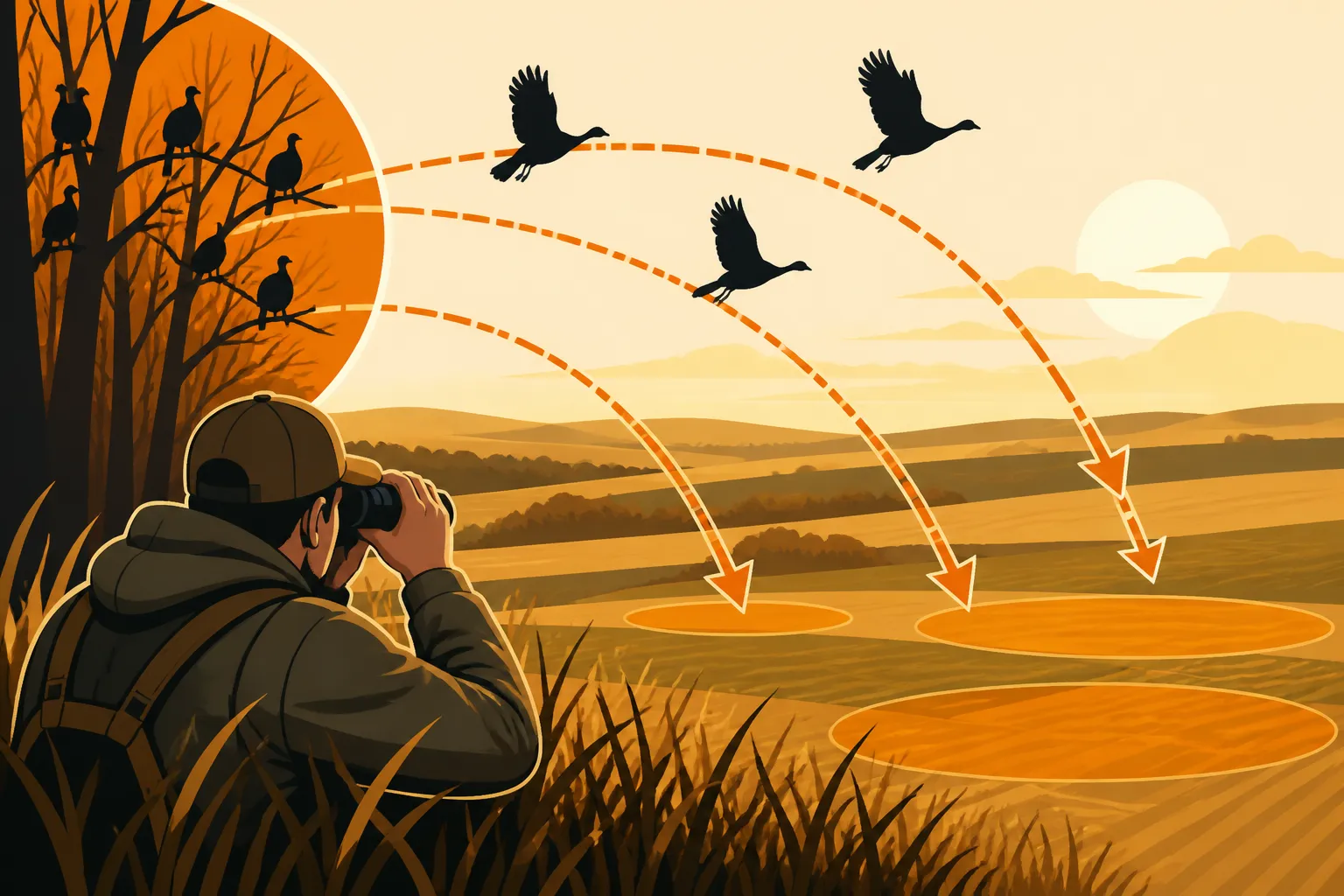
Birds, especially waterfowl and turkeys, are creatures of habit. They spend their nights in safe, protected areas – known as roosts – and their days in feeding or loafing areas. The routes they take between these two points are their flight lines. For us hunters, understanding these patterns is like finding the secret highway map of their daily lives. Ignoring these lines is a common mistake that leaves many hunters scratching their heads, wondering why the birds just aren't cooperating.
Why Flight Lines Matter for Waterfowl
Think about a flock of Canada geese taking off from a major Platte River sandbar or a secluded Rainwater Basin wetland. They aren't just flying randomly. They’re usually following established corridors, often dictated by terrain, wind, and even human structures like power lines or shelterbelts. These flight lines are their daily commute, and knowing them means you can set up directly in their path. Whether you’re trying to intercept a flock of mallards heading to a cut cornfield or a string of white-fronted geese leaving a refuge, identifying these predictable routes is absolutely critical. It’s the difference between hoping they fly over you and knowing they will fly over you.
Decoding Turkey Movement from Roost to Field
Turkeys, particularly spring gobblers, are equally habitual. They’ll fly down from their roost trees at first light, usually cottonwoods along a creek or mature timber on a river corridor, and then often head directly to an open field, food plot, or known strutting zone. Those initial flights from the roost are some of the most consistent patterns you’ll find. If you can figure out which tree they're roosting in and the general direction they fly down, you can set up to intercept them before they even hit the ground, or at least predict their travel to a feeding area. Over the years, I've seen countless hunters get busted because they didn't account for a turkey's initial flight path, instead just setting up "near" a known roost. Being directly in that flight path or just off it can make all the difference when you're trying to coax a wary tom into range.
Scouting for Flight Lines: Tools and Techniques
Effective flight line scouting isn't just about showing up the morning of the hunt. It requires patience, observation, and sometimes, a little help from modern technology. You need to become a detective, piecing together clues about where birds are going and how they get there. The frustrating part is that these patterns can change, sometimes daily, due to weather, hunting pressure, or agricultural practices, so continuous scouting is key.
Pre-Season and In-Season Reconnaissance
Your scouting starts long before opening day. For waterfowl, driving rural roads around known staging areas like the Rainwater Basin or reservoirs can reveal consistent flight paths. Watch for large groups of geese or ducks lifting off from water and note the direction they take. Pay attention to how they navigate around tree lines, power poles, or hills. Even a small dip in the terrain can be a major funnel for low-flying birds. For turkeys, identifying potential roost trees in riparian corridors or dense timber is paramount. Then, at dawn or dusk, you need to be out there, listening and watching. I often spend several mornings just listening for gobbles and fly-down cackles, then watching with binoculars to see exactly where they land and which direction they head immediately after hitting the ground. This kind of dedicated effort, sometimes aided by detailed mapping apps like those found with a GoHunt membership, will reveal the subtle nuances of their daily routines. Another invaluable resource is the annual Nebraska Public Access Atlas, which often highlights areas with good waterfowl or turkey potential, giving you a starting point for your scouting.
| Species | Roosting Behavior | Typical Flight Line Characteristics | Scouting Tips |
|---|---|---|---|
| Waterfowl | Open water, sandbars, large marshes | Direct, often wind-influenced, predictable funnels | Observe dawn/dusk movements, use mapping apps, note terrain |
| Wild Turkeys | Tall trees (cottonwoods, oaks) | Short initial flights, direct to feeding/strutting | Listen for fly-down, watch their landing zone, follow tracks |
Utilizing Topography and Natural Funnels
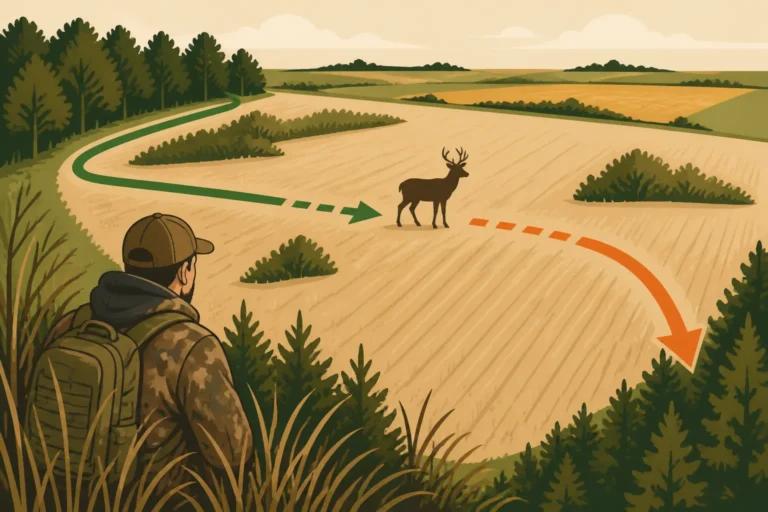
Birds, much like other wildlife, will often take the path of least resistance or the path that offers the most concealment. For waterfowl, this means they'll often follow river channels, major creek beds, or even irrigation ditches across open farmland. A line of timber, a power line, or a distinct ridge can act as a natural funnel, concentrating their flight path into a narrower corridor. For instance, in the vast openness of the Sandhills, even a small rise or the edge of a cedar draw can become a consistent travel route for birds wanting to avoid strong winds.
Turkeys, while often flying over open ground, will still prefer to land or travel along the edges of fields, timber lines, or even fencelines, particularly if they offer cover or lead to a known feeding area. Understanding how the landscape guides their movement is paramount. You might observe a flock of turkeys flying from a distant roost, but rather than landing directly in the middle of a huge cornfield, they'll often skirt the edge of the field, following a hedgerow until they reach a more secluded corner before dropping down. Learning to "read a cedar draw for deer movement" has surprising parallels for turkey hunters, as both species use these features for concealment and travel.
Interpreting Flight Line Behavior for Setup Strategy
Once you've identified those precious flight lines, the real art begins: deciding exactly where to set up. It’s not just about being on the line; it’s about being in the right place on that line, at the right time, and with the right presentation. A common frustration is being under the flight path but having birds flare because your hide isn't good enough or your decoys are off.
Optimal Blind and Decoy Placement for Waterfowl
For waterfowl, your setup needs to be directly under or slightly ahead of the observed flight line, with your decoys positioned to draw them in. If geese are consistently flying over a particular corner of a harvested cornfield, that’s your sweet spot. Set your layout blinds in the stubble, ensuring they are well-brushed in and camouflaged. Then, spread your full-body decoys to mimic a relaxed flock. The wind direction is hugely important here; geese and ducks almost always land into the wind, so your spread needs to be oriented to give them a landing zone that brings them right over your blinds. When you're "setting a goose spread in harvested corn," remember to leave a landing hole directly in front of your blinds, respecting the wind. If you're hunting smaller wetlands or open water, using large numbers of decoys can be effective, especially for "decoy spreads for Rainwater Basin geese." Observing how birds approach and depart specific areas can even inform your "entry and exit routes on flat farm ground," helping you sneak into your setup without spooking birds.
Strategic Turkey Setup for Fly-Down Interceptions
For turkeys, your setup needs to be extremely precise, especially if you’re trying for a fly-down shot. Identify the exact roost tree or cluster of trees. Then, position yourself in a ground blind or against a thick tree that provides excellent concealment, approximately 50-70 yards from where you expect them to hit the ground. You want to be close enough to hear and see them fly down, but far enough not to spook them. Crucially, anticipate their immediate post-fly-down movement. If they consistently land and immediately head toward a specific field edge, set up along that edge, perhaps 20-30 yards from where they typically land. Use calls sparingly at first light, mimicking soft tree yelps or fly-down cackles to let them know a hen is nearby. As they pitch down, you can ramp up the calling to bring them the rest of the way. When "calling spring gobblers in Nebraska timber," remember that the initial setup is everything. You need to be where they want to go, not where you hope they'll come.
Adapting to Conditions and Post-Harvest Changes
Nebraska weather is famously unpredictable, and agricultural practices are constantly changing the landscape. A flight line that was red-hot one day can be completely dead the next. This means you can't be a one-trick pony; you have to be ready to adapt. The ability to pivot your strategy quickly is a hallmark of a successful hunter.
Impact of Weather and Pressure on Flight Lines
Wind, rain, snow, and temperature swings all impact bird behavior. Strong winds can push waterfowl off their usual routes or make them fly lower. Extremely cold temperatures might force them to seek different food sources, altering their daily commute. Hunting pressure is another huge factor. If a particular field or roost area is getting hammered daily, birds will quickly adjust their flight lines to avoid it. This is where continuous scouting, even during the season, becomes essential. You might need to use a tool like the GoHunt app to quickly scan maps and identify new potential holding or feeding areas if your primary spot dries up.
Remember, "wind direction on open Nebraska prairie stands" isn't just for deer; it's critical for understanding how birds will approach. If the wind shifts, their approach angle will too. Likewise, severe weather can cause "deep snow and deer movement" changes, and similar shifts can be seen in waterfowl patterns as they seek easier access to food and water. Being flexible and having a few backup spots in mind can turn a slow morning into a successful one.
Adjusting for Crop Harvest and Changing Food Sources
Perhaps the most significant change for flight lines in Nebraska comes with the crop harvest. A field of standing corn that was once a prime feeding area for turkeys or a safe haven for pheasants suddenly becomes a barren stubble field after the combine rolls through. This drastically alters bird movement. Waterfowl that were feeding in one cornfield might move to another that's just been cut, or shift to a different crop altogether. Turkeys that relied on standing corn for cover and food will be forced to find new sources, often moving to timbered river bottoms or food plots.
This means your scouting needs to extend beyond the initial pre-season phase. Pay attention to local harvest reports and drive around the areas you plan to hunt. A field of newly harvested milo or beans can become a magnet for birds overnight. Understanding "what changes in Nebraska after the corn comes off" is crucial for re-evaluating flight lines. Sometimes, the birds just move a few miles down the road, and a quick scouting trip can reveal their new patterns and lead you to a fresh, productive setup.
Disclaimer
The information provided in this guide is for general educational purposes only and is not a substitute for official hunting regulations. Always consult the latest Nebraska Game and Parks Commission regulations before planning any hunt. Hunting laws and conditions can change, and it is the hunter's responsibility to stay informed and hunt safely and legally.