Blocking the End of a Nebraska Field
Few things are more frustrating for a pheasant hunter than watching a field full of roosters run right out the end, flushing far out of range, or simply disappearing into adjacent cover before you even get a shot. It's a common dilemma, especially when hunting larger Nebraska crop fields or public access areas. This guide will walk you through the effective strategy of blocking the end of a field, turning those escaping birds into prime shooting opportunities and maximizing your success.
Understanding the Pheasant's Escape Routes
Pheasants are masters of escape. They're built to run, hide, and, only when absolutely necessary, flush. To successfully block a field, you first need to think like a pheasant and understand their typical escape behaviors.
Why Birds Bolt at Field Edges
Pheasants generally prefer to run rather than fly when pressured. This is especially true in thick, linear cover like a standing cornfield, milo stubble, or even a dense shelterbelt. As hunters push through the field, the birds will instinctively move away from the pressure. Their preferred escape route is often the path of least resistance: the open end of the field or a natural travel corridor leading to more secure cover. Imagine a group of pheasants being pushed down a long hallway; they're going to try and get out the door at the end rather than flying up through the ceiling. This ingrained behavior is what makes blocking such an effective tactic. They've learned that running gives them a better chance of survival, allowing them to often slip away unnoticed or flush far down the line, catching hunters off guard. Understanding this innate desire to run is crucial for anticipating their moves.
Reading the Field and the Wind
Successfully blocking a field isn't just about showing up; it's about observation and planning. Before you even step foot in the cover, take a moment to survey the field. What kind of cover is it? Tall corn offers different challenges than short wheat stubble. Look for natural escape routes such as drainage ditches, fencelines, or even thinner patches of cover that might funnel birds towards a specific corner. Are there adjacent woodlots, creek bottoms, or cattail sloughs that birds might be trying to reach for safety? These are prime areas where pheasants will try to escape once pressured. Wind direction also plays a significant role. Pheasants, like many game birds, generally prefer to flush into the wind. This gives them better lift and control. Therefore, if the wind is blowing down the length of the field, birds might be more inclined to flush earlier or attempt to break out the sides rather than running all the way to the downwind end. Conversely, a strong headwind for the drivers might encourage birds to run longer before flushing. Using a mapping tool like those offered by GoHunt can be incredibly beneficial here, allowing you to scout satellite imagery for these features and even mark potential blocking positions before your hunt begins. A good hunter constantly reads the landscape, anticipating the subtle shifts in pheasant behavior that terrain and weather can dictate.
The Art of Setting Up a Block
Once you understand how pheasants move, the next step is to position your blockers effectively. This requires coordination, patience, and a bit of stealth.
Strategic Placement of Blockers
The primary goal of a blocker is to intercept pheasants that attempt to run out the end of the field or escape through specific escape corridors. Typically, blockers will position themselves silently at the downwind end of the field, or along key escape routes on the sides, often where the cover narrows or funnels birds. The exact number of blockers you need depends on the size of the field and the number of drivers pushing it. For a standard quarter-section (160 acres) of milo stubble, two or three well-placed blockers at the end might be sufficient, especially if you're targeting a specific bottleneck. If you have a larger group, you might be able to assign one or two blockers to watch key side escapes as well. Blockers should arrive at their positions well before the drive begins, moving quietly and taking advantage of any available cover like cedar trees, tall grass, or even the back side of a terrace bench. Their role is to be invisible until the birds are within range. Communication is paramount; even subtle hand signals or pre-arranged radio calls (if allowed and used sparingly) can ensure everyone is on the same page about when the drive starts and the birds are approaching. If you're wondering How Many Hunters a Nebraska Quarter Section Holds effectively, a blocking strategy can maximize the success for a larger group.
Concealment and Patience
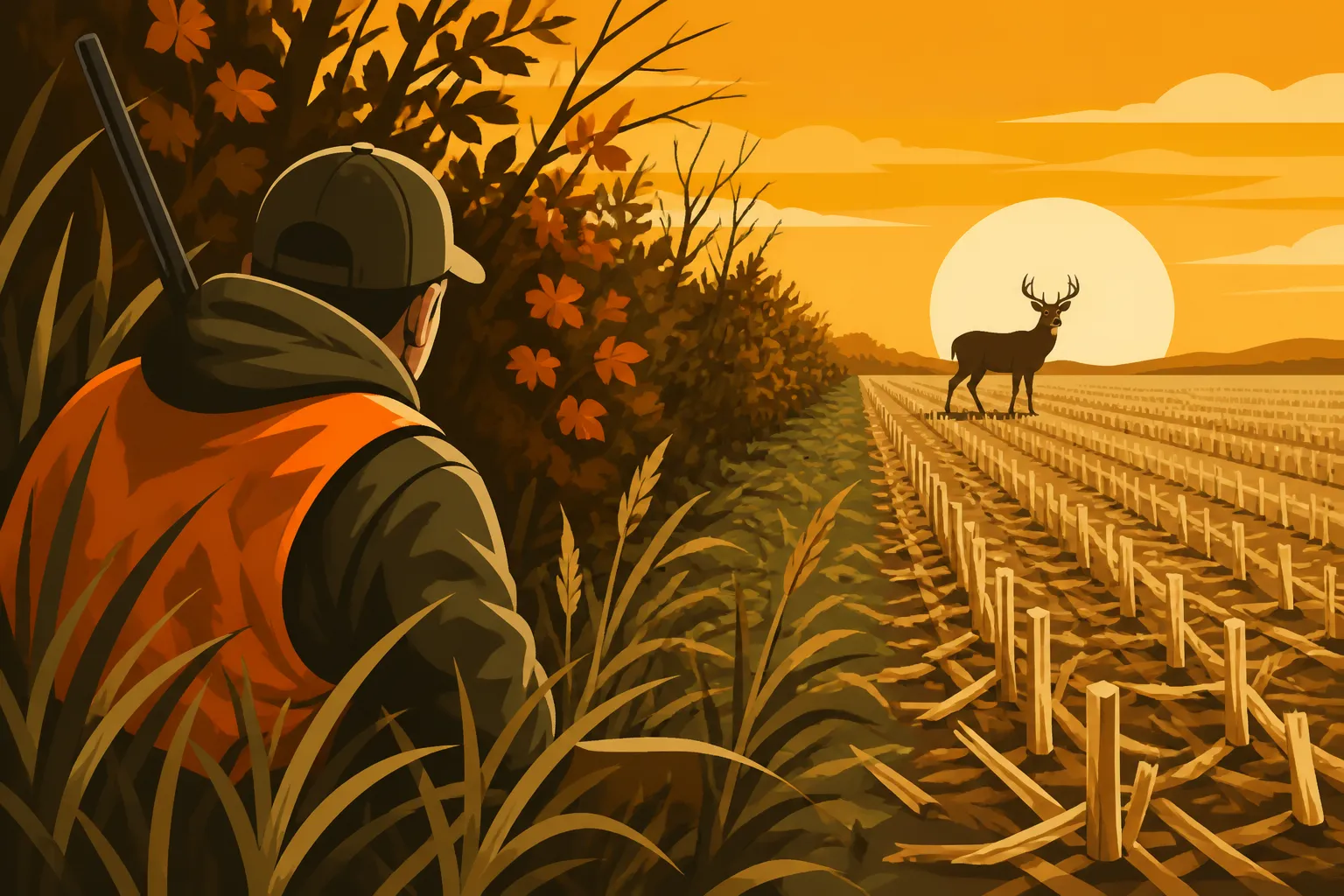
For a blocker, patience isn't just a virtue; it's a critical component of success. Once you're in position, become part of the landscape. Don't fidget, don't talk, and minimize all movement. Pheasants have incredibly keen eyesight, and they will spot anything out of place. Use natural cover to your advantage – a cluster of tall weeds, the shadow of a lone tree, or even a depression in the ground can provide enough concealment. If you're on Open Fields and Waters ground in open Nebraska country, finding adequate cover can be a challenge, so sometimes simply laying low in the stubble is your best bet. Remember, the birds are being pushed towards you and are already wary; any additional movement from your position will likely send them veering off prematurely or flushing far out. This is where a good pair of binoculars can be invaluable, allowing you to scan the field edge for approaching birds without moving your head or body too much. The moment of truth often comes quickly, so being still and focused allows you to react instantly when a bird finally breaks cover. It's about letting the birds come to you, creating a surprise encounter rather than announcing your presence.
Executing the Drive and the Shot
The blocking strategy is a two-part dance between the drivers and the blockers. Each plays a vital role in ensuring birds are pushed effectively and presented with shooting opportunities.
Communicating with the Drivers
Effective communication between the drivers and the blockers is the backbone of a successful field block. Before anyone steps into the field, establish clear signals. This could be a specific whistle, a loud shout, or even a pre-arranged time schedule if phone service is reliable. The drivers' pace is crucial; they should move through the field at a steady, consistent speed, covering the ground thoroughly but not rushing. If they move too fast, birds might flush wildly or slip out the sides unnoticed. If they move too slowly, pheasants have more time to find alternative escape routes or bury themselves in impenetrable cover. The goal is to apply steady pressure that encourages the birds to run towards the blockers. As the drivers near the end of the field, they should communicate their proximity to the blockers. This tells the blockers to be extra vigilant, guns ready, and eyes peeled for fast-approaching roosters. Remember, the drivers are not just pushing birds; they are strategically funneling them. They should pay attention to how birds are moving, adjusting their line to cut off side escapes and guide birds towards the blockers. This cooperative effort means everyone needs to be aware of where everyone else is, a concept that can be easily planned out with detailed maps from services like GoHunt, allowing you to mark driver paths and blocker locations.
Ready for the Flush: Shooting Lanes and Safety
For the blockers, the moment the drivers get close is when adrenaline kicks in. Your shotgun should be shouldered and ready, safety off, with your eyes scanning the leading edge of the cover where birds are expected to emerge. Anticipate multiple flushes. It’s rare for a single pheasant to break cover when a group is running; often, several birds will flush in quick succession. Look for shooting lanes that are clear of other hunters, dogs, or obstacles. Safety is always the absolute priority. Never swing on a bird that takes you out of your safe shooting zone or towards another member of your party. If you are Choosing a Shotgun for Walking Prairie Birds, make sure it's one you can mount quickly and swing smoothly. Different chokes, like an Improved Cylinder or Modified, are often ideal for the typically close-to-medium range shots presented by running birds flushing at the field's edge. Remember, pheasants are hardy birds, so Shot Placement on a Rising Rooster is vital for a clean kill. If you're Walking Milo Stubble for Roosters or other dense cover, birds might pop up faster than expected, so quick reflexes are key. Often, the birds will flush low and hard, trying to escape the pressure as quickly as possible, requiring a quick and decisive shot.
Common Mistakes and How to Avoid Them
Even with the best intentions, things can go wrong during a field block. Knowing the pitfalls can help you avoid them and improve your success rate.
Over-Aggressive Driving and Under-Committed Blocking
One of the most common mistakes is a mismatch in effort between drivers and blockers. If drivers are too aggressive, they might push birds so hard that they flush prematurely, long before they reach the blockers, or they might send them rocketing out the sides in a panic. An overly fast or chaotic drive can also result in birds doubling back through the line of drivers, completely bypassing the block. Conversely, blockers who are not fully committed to their role – perhaps getting distracted, moving around too much, or not positioning themselves correctly – are essentially a broken link in the chain. If blockers aren't vigilant, birds will simply run right past them or slip into adjacent cover unchecked. The key is balance: drivers need to apply steady, purposeful pressure, consistently pushing birds towards the designated blocking points. Blockers, in turn, must be unwavering in their silence and stillness, creating an impenetrable wall that forces the birds into the air within shooting range. Regular check-ins and debriefs after each drive can help fine-tune everyone's approach. Sometimes, it's just a matter of reminding everyone of their specific role and the importance of teamwork.
Ignoring Wind and Terrain
Another frequent error is failing to adequately account for wind direction and the natural lay of the land. As mentioned earlier, pheasants prefer to flush into the wind. If your block is set up entirely downwind and the wind is strong, birds might flush much earlier than anticipated, giving both drivers and blockers poor opportunities. Similarly, overlooking key terrain features can sabotage your efforts. A small drainage ditch, a hidden fenceline, or even a subtle rise in the ground can provide cover for pheasants to slip away unseen. Many hunters, especially on unfamiliar ground, neglect to properly scout these elements. Before embarking on your hunt, whether you're using detailed maps from GoHunt or doing a physical scout, always identify potential escape routes and consider how the wind will influence bird movement. If the wind is consistently pushing birds towards a specific side of the field, adjust your blocking positions accordingly. Don't be afraid to modify your plan on the fly. Hunting isn't always about sticking to a rigid strategy; it's often about adapting to the conditions that nature throws at you. For example, if you notice birds consistently using a particular brushy draw for escape, consider positioning a blocker there on subsequent drives. Recognizing Late-Season Roosters and Longer Flushes due to increased pressure might also mean adjusting your blocking distance further out.
Table of Roles in a Field Block
Here's a quick overview of the essential roles and responsibilities in a successful pheasant field block:
| Role | Primary Objective | Key Responsibilities | Important Considerations |
|---|---|---|---|
| Drivers | Push birds steadily towards the blockers | Maintain consistent pace, cover ground thoroughly, communicate | Avoid rushing, keep alignment, watch for birds doubling back |
| Blockers | Intercept running birds, create flush opportunities | Remain silent and still, be concealed, ready to shoot | Watch wind direction, identify escape routes, prioritize safety |
| Dogs | Locate birds, flush reluctant runners, retrieve | Work thoroughly, respond to commands, retrieve downed birds | Handle heat, avoid overworking, maintain control |
| Spotters | Observe bird movement, direct drivers (optional) | Communicate overall bird flow, identify escape attempts | Position high, use optics, provide real-time updates |
Blocking the end of a Nebraska field is an incredibly effective and rewarding pheasant hunting tactic when executed properly. It takes teamwork, communication, and a keen understanding of pheasant behavior. By paying attention to the details – from reading the terrain and wind to coordinating with your fellow hunters – you can turn those frustrating long-distance flushes into successful shots and fill your game vest. Remember to always prioritize safety and ethical hunting practices.
Disclaimer
Hunting is an inherently dangerous activity. This article provides general information and recommendations only. Always consult the latest Nebraska Game and Parks Commission regulations and local laws before hunting. Proper safety equipment, hunter education, and ethical conduct are paramount. The author and publisher are not responsible for any accidents, injuries, or legal issues resulting from the use of this information.