Bird Dog Boots and Cut Pads
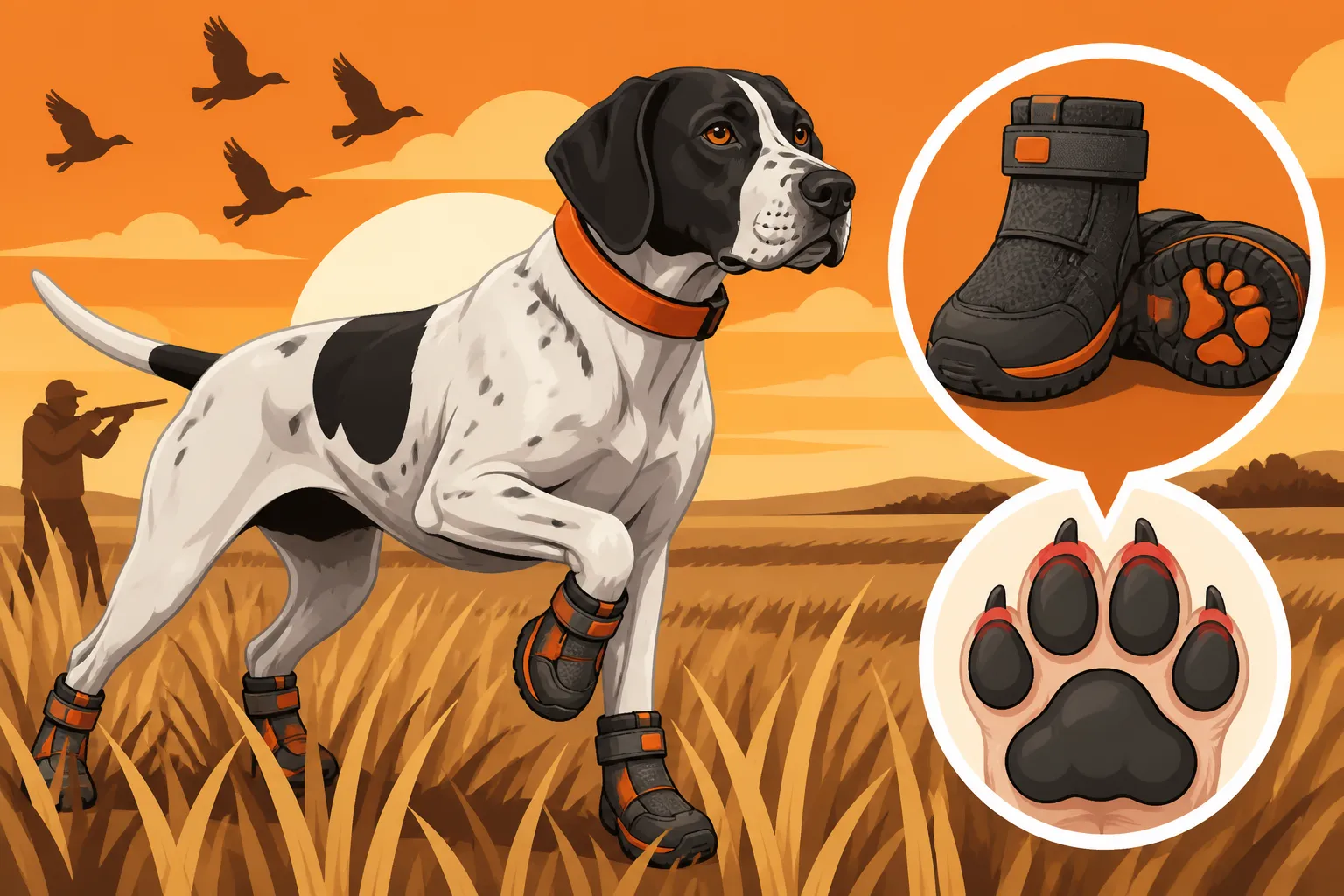
The joy of watching a well-trained bird dog work a field in Nebraska is truly unparalleled, but that joy can quickly turn to heartbreak when you find their paw pads ripped, cut, or severely abraded. Our furry hunting partners put their bodies on the line, and the harsh realities of Nebraska's diverse terrain—from sharp corn stubble to abrasive Sandhills sand and freezing ice—can take a severe toll on their feet. This guide will walk you through why dog boots are often a necessity, how to choose the right ones, methods for preventing and treating injuries, and effective strategies for training your dog to comfortably wear them, ensuring their paws stay healthy for many seasons to come.
Why Dog Boots Are Essential in Nebraska's Rugged Hunting Grounds
Nebraska is a state of incredible contrasts when it comes to hunting landscapes, and while this diversity offers fantastic opportunities, it also presents a myriad of challenges for your dog's paws. From the rolling prairies to the dense river bottoms and the relentless farm fields, every step your bird dog takes could expose their unprotected pads to harm. It’s not just about one bad step; it’s the cumulative effect of miles walked over unforgiving surfaces that wears them down.
The Brutality of Nebraska Terrain: Sand, Stubble, and Thorns
Imagine walking barefoot over a mosaic of broken glass, sandpaper, and sharp splinters all day long. That's essentially what your dog's paws are up against when you're Walking Milo and Corn Stubble for Pheasants or traversing dry creek beds. Harvested corn and milo fields, while prime pheasant habitat, are notoriously brutal on pads. The stiff, jagged stalks, often dried and hardened by the sun, can easily slice through even the toughest paw. These aren't minor scrapes; they can be deep, painful cuts that bleed profusely and sideline your dog for weeks.
Beyond the agricultural fields, the vast Sandhills present their own unique challenges. While beautiful, the coarse sand acts like sandpaper, constantly abrading pads with every stride. Prolonged exposure can lead to raw, tender feet, making every step excruciating. Then there are the thorny bushes and cacti that seem to sprout everywhere, especially in marginal lands and shelterbelts. A quick run through a patch of thistle or a rose bush can embed painful thorns deep into the paw, causing immediate lameness and risking infection. This relentless onslaught makes a strong case for proactive paw protection.
Extreme Weather Conditions: Ice, Snow, and Scorching Heat
Nebraska weather can be incredibly fickle, often swinging from extreme heat to bitter cold, sometimes within the same hunting season. Each extreme brings its own set of dangers for unprotected paws. In the early season, when temperatures can still soar, hot ground—be it blacktop, sandy soil, or even sun-baked dirt roads—can cause severe burns. Just like walking on asphalt in bare feet, dogs can blister their pads quickly, leading to immense pain and infection risk. A tool like GoHunt could help you scout routes that avoid long stretches of hot, exposed ground, but even then, boots offer crucial insulation.
Later in the season, when the mercury drops, ice and snow become the primary culprits. Sharp ice crystals can cut pads just as easily as stubble, while prolonged exposure to freezing temperatures can lead to frostbite. Snow and ice can also accumulate between toes, forming painful ice balls that can crack and split the skin. Add to that the chemical de-icers sometimes used on trails or around farmsteads, which are toxic and corrosive to pads, and the dangers multiply. Boots provide a protective barrier against both the physical trauma and the chemical irritation, keeping those paws warm, dry, and safe.
Hidden Dangers: Burrs, Glass, and Barbed Wire
It's not always the obvious threats that cause the most trouble. Nebraska's wild spaces and rural areas are often littered with hidden hazards. Burrs, especially those from cockleburs or sandburs, are relentless. They cling to fur and can embed themselves deeply into paw pads, causing irritation, infection, and sometimes abscesses if not removed promptly. It's a constant battle, and even diligent hunters can miss a few. Dogs instinctively try to chew them out, often making the problem worse or ingesting the burrs.
Beyond natural hazards, man-made dangers are unfortunately common. Discarded glass shards, rusty nails, or even forgotten bits of barbed wire can be lethal to a dog's foot. A quick, enthusiastic dash into dense cover could lead to a severe laceration that requires immediate veterinary attention. These aren't things you can always see, even with careful Scouting Nebraska Public Ground Before Opening Day. Boots act as a physical shield, providing an extra layer of defense against these unseen threats, turning a potentially disastrous injury into a minor inconvenience or preventing it entirely.
Choosing the Right Bird Dog Boots for Nebraska Hunting
With so many options on the market, selecting the right bird dog boots can feel overwhelming. It's not a "one size fits all" situation, as different conditions and individual dog needs might call for different features. The key is to balance protection, comfort, and durability to ensure your dog can perform their best without discomfort or injury.
Material Matters: Durability Versus Flexibility
The materials used in dog boots largely dictate their performance and longevity. You'll commonly find boots made from heavy-duty cordura, rubberized synthetics, neoprene, or even leather. Cordura and rubberized materials offer excellent abrasion resistance, making them ideal for rough terrain like corn stubble or rocky ground. They are often quite durable, standing up to punctures and tears from thorns and sharp objects. However, they can sometimes be less flexible, potentially restricting a dog's natural paw movement, especially if they are stiff.
Neoprene boots, similar to wetsuits, offer good insulation against cold and wet conditions, making them a popular choice for hunting late in the season or around Hunting Cattail Sloughs Late in the Season. They tend to be more flexible, allowing for a more natural paw feel, but might not be as puncture-resistant as cordura. Leather boots offer a traditional look and can mold to a dog's paw over time, providing decent protection, but they often require more maintenance to keep them supple and can become heavy when wet. Some hunters even use specialized athletic tape wraps for temporary protection in a pinch, but for sustained hunting, dedicated boots are almost always superior. Consider a mix of materials if you hunt diverse conditions throughout the season, or a single robust option if you typically stick to one type of habitat.
Achieving the Perfect Fit: Sizing and Securing
A boot, no matter how well-made, is useless if it doesn't fit correctly. Too loose, and it will slip, rub, and possibly fall off, creating more problems than it solves. Too tight, and it can restrict blood flow, cause painful pressure points, and lead to chafing and blisters. Measuring your dog's paw is critical. Have them stand on a piece of paper, trace their paw, and measure the widest point. Most manufacturers provide sizing charts, but always err on the side of caution and consult them closely.
Beyond just the size, how the boot secures to the leg is paramount. Velcro straps are common, but look for multiple straps or wider straps that offer a more secure hold and distribute pressure evenly. Some boots feature elasticized cuffs or drawstrings to help keep debris out and provide a snug fit. It's important that the boots stay on without being cinched so tightly they impede circulation. After putting the boots on, observe your dog's gait. They might do a "boot dance" at first, but they should eventually walk relatively naturally. If they are constantly limping, trying to shake them off, or showing signs of discomfort, the fit might be wrong. Remember that moisture and activity can cause straps to loosen, so check them periodically throughout the hunt.
Key Features to Look For: Traction, Ventilation, and Drainage
Beyond material and fit, several other features can significantly impact a boot's effectiveness and your dog's comfort. Traction is vital, especially on slippery surfaces like ice, wet grass, or muddy terrain. Look for boots with textured rubber soles that provide grip, similar to hiking boots. This prevents slips and falls, which can lead to other injuries.
Ventilation is crucial, especially during warmer hunts, to prevent paws from overheating and becoming sweaty, which can soften pads and make them more susceptible to injury. Some boots incorporate breathable mesh panels or materials that allow air circulation. However, this often comes at the expense of waterproofing, so it's a trade-off depending on your primary hunting conditions. For very hot conditions, like those experienced in the early season, Bird Dog Gear for Nebraska Heat would suggest minimizing paw heat build-up.
Finally, drainage can be important if you frequently hunt in wet environments, such as marshes or across shallow streams. Boots that allow water to drain out quickly prevent your dog's paws from sitting in soggy conditions, which can lead to skin irritation and fungal issues. Some designs feature small drain holes or materials that shed water effectively. When evaluating these features, consider the typical conditions you'll face most often in Nebraska.
Here's a quick comparison of common boot types for Nebraska's varied conditions:
| Boot Type / Material | Best For | Pros | Cons |
|---|---|---|---|
| Heavy-Duty Cordura | Stubble, Rocky Ground, Thorns | Excellent puncture/abrasion resistance, durable | Can be stiff, less flexible, may lack insulation |
| Rubberized Synthetics | Mud, Water, Ice (with grip) | Very water-resistant, good traction | Less breathable, can be bulky, may cause sweating |
| Neoprene | Cold Weather, Snow, Wet Grass | Good insulation, flexible, comfortable | Less puncture-resistant, can hold water if not drained |
| Athletic Tape/Wraps | Temporary, Minor Abrasions | Lightweight, flexible, custom fit | Not durable for long hunts, prone to slipping, minimal protection |
Preventing and Treating Cut Pads in the Field
Even with the best boots, accidents can happen, or you might find yourself in a situation where boots aren't practical for a short jaunt. Knowing how to prevent pad injuries before they occur and how to administer immediate first aid if they do is critical for any Nebraska bird hunter. Proactive care and quick reactions can be the difference between a minor setback and a season-ending injury.
Pre-Hunt Pad Conditioning and Care
Preventative measures start long before opening day. A dog with tough, healthy paw pads is less likely to sustain injuries. Regular walks on varied terrain, including gravel, pavement, and rough ground, can gradually toughen pads. Just like human athletes, dogs need to condition their feet. Avoid exclusively exercising them on soft grass right up until hunting season; slowly introduce them to harder surfaces.
Using paw balms or conditioners can also help. These products keep pads supple and prevent cracking, especially in dry or cold weather. Apply them regularly, paying attention to the cracks and crevices. Trimming the hair between your dog's paw pads is another crucial step. Excess hair can collect burrs, mud, ice, and debris, which can irritate the skin and lead to infection or matting that pulls on the pad. Keeping this hair short allows for better air circulation and prevents foreign objects from embedding. Before heading out to scout new hunting areas, always check your dog's paws and consider a conditioning balm.
Immediate First Aid in the Field for Injuries
Despite your best efforts, a pad injury can still occur. Every hunter should carry a basic dog first aid kit, especially when hunting remote areas or on public lands like those mapped out by GoHunt. If you notice your dog limping, favoring a paw, or licking it excessively, stop immediately and inspect the foot. Clean the area with antiseptic wipes or a squirt of clean water from your canteen. Remove any visible foreign objects like thorns, burrs, or glass with tweezers.
For cuts, apply direct pressure with a clean gauze pad to stop the bleeding. Once bleeding is controlled, you can apply an antiseptic ointment and then bandage the paw securely. Use self-adhesive veterinary wrap (often called Vetrap) as it sticks to itself without adhering to fur, but be careful not to wrap it too tightly, which can cut off circulation. A clean sock over the bandage can help keep it in place and prevent your dog from chewing it off. If the cut is deep, wide, or bleeding heavily and won't stop, it's time to end the hunt and seek veterinary care. Even a seemingly minor cut can become infected quickly in a field environment.
Post-Hunt Recovery and Long-Term Pad Health
Once the hunt is over, a thorough inspection of your dog's paws is non-negotiable. Even if they were wearing boots, check for any rubbing, chafing, or trapped debris. If boots weren't worn, inspect for cuts, scrapes, burrs, or signs of extreme wear. Clean their paws gently with warm water and mild soap, especially between the toes, to remove dirt, mud, and any potential irritants.
For minor abrasions or tenderness, a soothing paw balm or a warm soak in Epsom salts can aid recovery. Allow any air-dryable minor wounds to do so, but cover with a light bandage if there's a risk of licking or contamination. If you find a more serious cut, continue to clean it daily and re-bandage it, watching carefully for signs of infection like swelling, redness, pus, or increased pain. Long-term pad health relies on consistent care, proper nutrition, and regular conditioning. Just as you need Boots for Walking Nebraska Grass and Sand to protect your own feet, your dog's paw care is paramount for their continued performance and well-being. Don't rush a dog back into the field with compromised paws; it will only exacerbate the injury and prolong their recovery.
Training Your Dog to Wear Boots Comfortably
Many dogs initially protest wearing boots. It's an unfamiliar sensation, and some might even act like their paws are suddenly broken. However, with patience, positive reinforcement, and a gradual approach, most bird dogs can be trained to tolerate, and even embrace, their paw protection. The key is to make it a positive experience and not to force the issue.
Introduction to Boots: Gradual Acclimation
Start the boot introduction in a calm, familiar environment, like your home. Don't try to put all four boots on at once. Begin with just one boot, letting your dog wear it for a minute or two, then immediately remove it. Praise them heavily and offer a high-value treat. Repeat this several times a day for a few days, gradually increasing the duration. Once they are comfortable with one boot, add a second, then a third, and finally all four. Keep these initial sessions short and positive.
The goal is to associate the boots with good things. Never punish your dog for trying to remove them or acting silly. This is a new experience, and their reaction is natural. As they get used to wearing all four, start taking them for short walks around the house or yard. At this stage, they might still do the "boot dance," but ignore it as long as they aren't actively trying to chew them off. Over time, the novelty will wear off, and they'll get used to the feel. Remember that any change in routine or gear can be stressful, so take it slow.
Positive Reinforcement and Association
Consistency with positive reinforcement is paramount. Every time you put the boots on, offer praise, petting, and treats. When they are wearing the boots, engage them in activities they enjoy, like a short game of fetch or a walk. This helps them associate the boots with fun and going outside, which most bird dogs love. You want them to think, "Oh, the boots are on! That means something good is about to happen!"
Practice this acclimation repeatedly over several weeks before you even think about taking them hunting with boots on. Integrate the boots into your regular training routine. If you're working on retrieving drills or practicing obedience, put the boots on for a portion of the session. This normalizes the boots as part of their working gear. When you're considering Hunting the Wildcat Hills Rimrock or other challenging terrain, having a dog that is fully accustomed to their boots will give you both peace of mind. The more they wear them in non-threatening, positive contexts, the less of an issue they will be in the actual hunting field.
Troubleshooting Common Boot-Wearing Issues
Even with proper training, you might encounter some common issues. If a boot constantly slips or falls off, re-check the sizing and the tightness of the straps. Sometimes, adding a layer of athletic tape around the leg above the boot's cuff can provide extra grip, but be careful not to constrict circulation. If the dog is chafing or getting blisters, the boot might be too tight, too loose, or the material might be rubbing in a particular spot. Try a different brand or style of boot, or add a thin sock underneath to act as a barrier.
Some dogs will continue to chew at their boots. This can be a sign of discomfort, boredom, or simply an ingrained habit. Distraction with commands or toys can help, but if it persists, it might indicate an underlying fit issue or anxiety. Always ensure the boots are clean and free of debris inside, as a small stone or burr can cause significant irritation. Just like with any other piece of gear, what works for one dog might not work for another. Be prepared to try a few different types and sizes to find the perfect solution for your individual hunting companion. With the right approach, those tender paws will be protected, allowing your bird dog to hunt strong all season long.
Disclaimer
This article is for general informational purposes only and does not constitute professional advice. Laws, prices and regulations vary by location and change over time. Consult a qualified professional for guidance on your specific situation.