Keeping Powder Dry in Wet Snow
There's nothing quite like the excitement of a December muzzleloader hunt in Nebraska, when the snow is falling, the air is crisp, and the deer are focused on those late-season food sources. But that magic moment can instantly turn to bitter disappointment if your muzzleloader gives you a "click" instead of a "boom" when that trophy buck finally steps into view. Wet snow and damp conditions are the bane of every blackpowder hunter, leading to misfires and lost opportunities. This guide is all about equipping you with the knowledge and tactics to ensure your muzzleloader fires reliably, even when Mother Nature throws her worst at you.
Understanding the Enemy: How Moisture Kills a Muzzleloader Shot
Before we dive into solutions, it’s helpful to understand exactly why moisture is such a critical problem for muzzleloaders. Unlike modern cartridge firearms, where the primer and powder are sealed within a brass case, a muzzleloader's ignition system and powder charge are far more exposed to the elements. The entire system relies on a clean, dry, and uninterrupted path for the spark to reach the propellant. When wet snow, freezing rain, or even just heavy humidity saturates these critical areas, that path can be compromised, leading to anything from a hangfire (a delayed ignition) to a complete misfire. It’s a frustrating reality many hunters face, but it's one we can absolutely mitigate with the right preparation and field habits.
The Cap and Primer's Vulnerability
The percussion cap or 209 primer is the very first link in your muzzleloader's firing chain. It contains a small amount of impact-sensitive explosive that, when struck by the hammer, creates a spark to ignite the main powder charge. These tiny components are incredibly efficient at their job, but they are also surprisingly delicate when it comes to moisture. Even a minute amount of water can dampen the priming compound, rendering it inert.
Imagine you've been sitting in a box blind for hours, and fine snow has been sifting in through a small crack, settling on your breech and around the cap. Or maybe you've been still-hunting through brush, and wet branches have brushed against the action, leaving droplets behind. All it takes is a tiny bit of moisture to wick into the cap's priming compound, and your hunting day is effectively over before it even began. This vulnerability means that protecting the ignition source is paramount, even more so than the main powder charge, because if the cap doesn't fire, nothing else will.
Powder's Hydration Hassles
Once the cap ignites, its flash travels through the flash hole or flame channel to the main powder charge. Whether you're using loose black powder, a Pyrodex granular substitute, or modern Hodgdon Triple Seven pellets, these propellants are designed to burn rapidly and consistently. However, they all share a common enemy: moisture. Traditional black powder is particularly hygroscopic, meaning it readily absorbs moisture from the air, losing its potency and consistency when damp. Modern substitutes are generally more resilient, but they are far from immune.
If your powder charge becomes wet, several things can happen. It might not ignite at all, resulting in a complete misfire. Or, it might ignite partially, leading to a weak ignition, reduced velocity, and an inaccurate shot – often called a "squib load." Neither outcome is acceptable when you're aiming for a clean, ethical harvest. Keeping that powder column completely dry from the moment you load it until the shot breaks is a constant battle against the elements, especially during Nebraska's December Muzzleloader Deer Season.
Essential Pre-Hunt Waterproofing Techniques
The best offense is a good defense, and nowhere is this more true than in muzzleloading. Comprehensive waterproofing begins long before you ever step foot in the timber or on the open prairie. It involves a series of deliberate steps to seal every potential entry point for moisture, transforming your muzzleloader into a more weather-resistant tool. This meticulous preparation is what separates a successful hunt from a frustrating one, particularly when hunting late-season deer in tough conditions.
Sealing the Breech Plug and Flash Hole
The breech plug is the heart of your muzzleloader's ignition system, and the flash hole within it is the critical pathway for the primer's spark to reach the powder. These areas are prime targets for moisture intrusion. Before loading, ensure your breech plug threads are clean and free of fouling. Applying a small amount of non-petroleum-based grease or a specialized breech plug sealant to the threads creates a barrier against water. This isn't just about smooth removal; it's about forming a watertight seal.
Once the breech plug is securely tightened, take a moment to consider the flash hole itself. Some hunters will use a tiny drop of specialized sealant around the base of the percussion cap or primer where it meets the breech. Others use a strip of electrical tape over the primer pocket, ensuring it's easily peeled off just before the shot. The goal is to prevent water from wicking directly into the flash hole, compromising the ignition. Remember, every gap, no matter how small, is an invitation for moisture to sneak in.
Protecting Your Percussion Caps or Primers
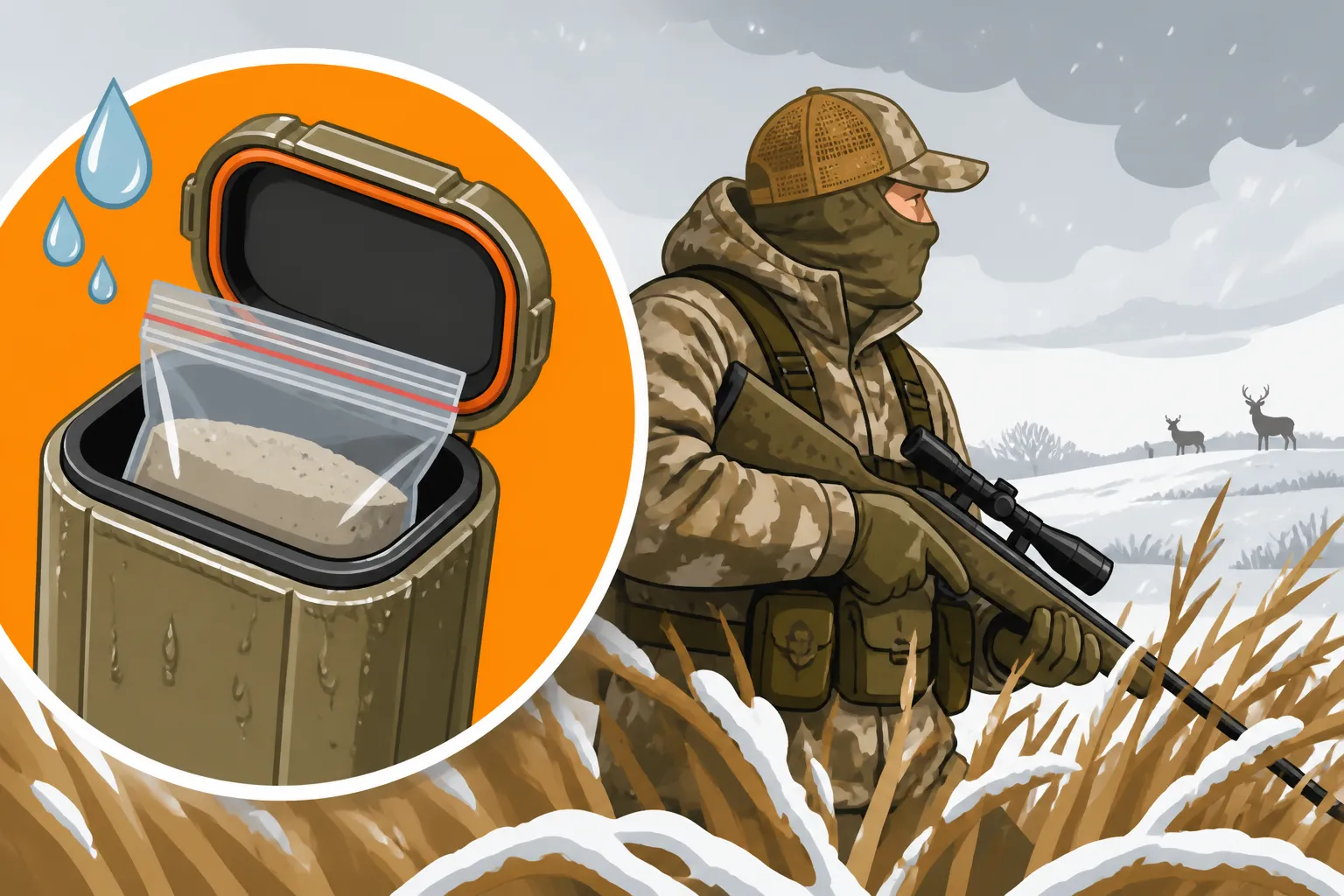
As discussed, the percussion cap or 209 primer is the most vulnerable component. When you're out in wet snow, it needs direct, active protection. Many hunters carry their spare caps or primers in a small, watertight container. A plastic film canister, a small pill bottle, or purpose-built primer holders work perfectly. The key is to keep them absolutely dry until the moment you load them.
Once a cap or primer is installed on the nipple or in the breech, you need to seal it. One popular method is using a small piece of electrical tape, stretched tightly over the cap and nipple, or over the 209 primer pocket. The tape should be easy to remove quietly and quickly when a shot presents itself. Another trick is to use a small balloon or even a piece of a rubber glove, stretching it over the cap and nipple for a tight, waterproof seal. This creates a tiny, sacrificial dome that repels water. These simple, low-tech solutions are often the most effective at keeping that critical ignition source bone dry, even when you're Loading and Keeping Powder Dry in December.
Barrel and Muzzle Protection
While the breech is often the focus, the muzzle end of your barrel also presents an entry point for moisture. Snow can fall directly into the bore, or a branch loaded with wet snow can dump its contents down your barrel. This is a recipe for disaster, not only because it introduces moisture to the powder but also because it can create a dangerous obstruction.
A simple, yet highly effective, solution is to use a piece of electrical tape, stretched tautly over the muzzle. This creates a thin, waterproof membrane that won't interfere with the bullet's exit when fired. Many hunters prefer a specific color of electrical tape, like black, as it's less noticeable to game. Some manufacturers even make specialized muzzle covers that stretch over the end of the barrel. The key is to have something that prevents direct water entry while allowing the bullet to pass through unimpeded. Make sure it's applied smoothly so it doesn't leave adhesive residue that could accumulate dirt or grime.
Field Strategies for Inclement Weather
Even with the best pre-hunt preparation, the field itself presents its own unique challenges. Hunting in wet snow or freezing rain means constant vigilance and smart habits to keep your muzzleloader performing. It's a dance between staying ready for a shot and constantly protecting your equipment from the elements. This is where your in-the-field discipline really pays off, ensuring that your waterproofing efforts don't go to waste.
Carrying Your Muzzleloader in Snow and Sleet
How you carry your muzzleloader can make a significant difference. Resist the urge to sling it over your shoulder with the muzzle pointing up, especially in falling snow or rain. This creates a funnel directly into your barrel, defeating any muzzle cap you might have in place. Instead, carry it with the muzzle pointed down. This allows water to run off the barrel rather than into it.
If you're still-hunting through thick brush or walking through heavy snow, consider investing in a good quality gun case or a flexible gun sleeve that offers some weather protection. While it might add a few seconds to getting a shot off, it could save your hunt entirely. Even a simple, clear plastic bag slipped over the action and tied with a rubber band can offer a surprising amount of protection, easily removed when you're ready to shoulder the rifle. Many experienced hunters in Nebraska, using tools like GoHunt to scout prime Still-Hunting a Snow-Covered River Bottom locations, will emphasize patience and careful movement, which naturally helps protect gear from harsh conditions.
Smart Blind and Stand Setups
Your choice of hunting location and setup can either amplify or mitigate the impact of wet weather on your muzzleloader. If you're hunting from a treestand, try to pick one under a thick canopy of pines or cedars that can offer a natural shield from falling snow and rain. While this isn't always possible, especially in more open country, it's worth considering.
For ground blinds, ensure the blind is fully enclosed and waterproof. Check for any tears or gaps where wind and moisture could enter and settle on your rifle. Within the blind, keep your muzzleloader off the ground and away from the side walls, which can often be damp. Many hunters use a small bipod or a shooting stick to keep their rifle elevated and steady. If you're using a pop-up blind, make sure it’s properly brushed in and secured, not just for concealment, but also to prevent wind-driven snow from getting inside. A well-placed blind offers not only concealment but also a sanctuary for you and your gear from the elements.
Regular System Checks in the Field
Even with the best precautions, constant exposure to the elements means you need to be proactive with checks. Periodically, especially after moving through heavy cover or during a lull in precipitation, gently wipe down your muzzleloader. Pay particular attention to the breech area, the nipple, and the primer pocket. Use a dry cloth or a cotton swab to remove any accumulated moisture.
It's also a good habit to gently remove and replace your electrical tape or rubber cap cover every few hours, just to inspect the primer and ensure no moisture has somehow wicked its way underneath. This might seem overly cautious, but discovering a compromised primer before the shot of a lifetime presents itself is far better than finding out when it matters most. This is part of the discipline of muzzleloading, and it's essential for success when Muzzleloader Deer Hunting in Nebraska in December.
Ammunition and Powder Choice Considerations
Beyond external waterproofing, the very components you load into your muzzleloader can also play a role in moisture resistance. Modern advancements in muzzleloading propellants and projectiles have introduced options that are inherently more forgiving of less-than-ideal conditions. While no option is entirely immune to water, making informed choices about your powder and bullets can add another layer of reliability.
Modern Propellants and Pellets
When it comes to powder, many hunters gravitate towards modern substitutes like Pyrodex, Hodgdon Triple Seven, or even the relatively newer Blackhorn 209. These powders are generally less hygroscopic than traditional black powder, meaning they don't absorb moisture as readily from the air. This inherent characteristic provides a small but significant advantage in damp conditions.
Pelletized forms of these powders, such as Triple Seven Pellets or Pyrodex Pellets, can offer an additional benefit. Because they are pre-measured and often come in compressed, solid forms, they present less surface area for moisture absorption compared to loose granular powder. When loading, they also tend to create a more consistent charge column, which can also help keep things tidy and less prone to moisture wicking up the bore. Always ensure your chosen powder is compatible with your muzzleloader and primer type, as some require specific ignition sources for optimal performance.
Bullet and Sabot Seals
The projectile itself, and more specifically the sabot if you're using one, can also contribute to sealing the bore and protecting your powder charge. Many modern sabots are designed to create an incredibly tight seal with the rifling, not just for accuracy but also to prevent gas blow-by and, to a lesser extent, moisture intrusion from the muzzle end.
Some hunters take an extra step by placing a thin, lubricated felt wad over the powder charge before seating the bullet or sabot. This wad, often soaked in a natural lubricant, can provide an additional barrier against moisture wicking down the barrel. Furthermore, ensuring your bullet and sabot combination fits snugly, requiring consistent pressure to seat, is key. A loose-fitting projectile could allow more moisture past it if snow or rain makes its way down the barrel. Even a small detail like the type of lubricant used on your patches or sabots can impact how moisture interacts with your bore over time, so consider non-water-soluble options.
Dealing with a Misfire: Troubleshooting in the Cold
Despite all the best preparations and field strategies, a misfire can still happen. It's a disheartening moment, especially when you're bundled up against the cold and your heart is pounding from seeing game. However, knowing how to safely and effectively troubleshoot a muzzleloader misfire in the field is crucial. Panic can lead to unsafe actions, while a calm, methodical approach can often resolve the issue or, at the very least, ensure safe unloading.
Immediate Actions After a Click
When your muzzleloader goes "click" instead of "boom," the first and most important rule is to maintain muzzle control and keep the rifle pointed in a safe direction. Just because it didn't fire immediately doesn't mean it won't fire. You could be experiencing a hangfire, a delayed ignition that could happen seconds or even minutes after the trigger pull. Wait a full 30 to 60 seconds before taking any further action. This waiting period is non-negotiable for safety.
After the safe waiting period, if the rifle still hasn't fired, carefully cock the hammer and try to fire a fresh cap or primer. Sometimes, the initial cap was simply a dud or somehow compromised. If the second cap fires and ignites the powder, great! If not, it's time to assume the powder charge itself is compromised. At this point, you're looking at an unloading situation, which must be done safely and carefully, especially in cold, gloved hands.
Safe Unloading Procedures
Unloading a muzzleloader that hasn't fired can be tricky, particularly if the bullet is still seated firmly against the powder. Never attempt to remove the bullet by pouring more powder down the barrel or by trying to pry it out from the muzzle. These actions are incredibly dangerous.
The safest method for unloading a muzzleloader with a live charge is to remove the breech plug. First, ensure the muzzleloader is on safe and pointed in a safe direction. Remove the percussion cap or 209 primer. Then, using your breech plug wrench, carefully unscrew the breech plug. Once the plug is removed, the powder charge (and often the bullet/sabot) can be carefully poured or pushed out from the breech end. If the bullet remains in the barrel, a specialized bullet puller or worm attachment on your ramrod can be used from the muzzle end to extract it. This process requires patience and a steady hand, and it's a skill worth practicing at home before you ever face it in the cold field. Always remember that safety is paramount, and it's far better to end a hunt safely than risk injury. The GoHunt app can be a useful tool for locating clear, safe areas to perform such tasks, away from other hunters or sensitive areas, should you need to unload in the field.
| Muzzleloader Water Protection Points | Pre-Hunt Preparation | Field Strategies |
|---|---|---|
| Percussion Cap/Primer | Store in waterproof container, seal with tape/rubber boot. | Inspect regularly, wipe dry, replace tape if compromised. |
| Breech Plug/Flash Hole | Clean threads, apply sealant/grease, ensure tight seal. | Wipe around breech after precipitation, check for gaps. |
| Powder Charge | Use less hygroscopic powders/pellets, ensure tight bullet seal. | Keep rifle muzzle down, use covers, minimize exposure. |
| Muzzle | Seal with electrical tape or specialized muzzle cover. | Keep muzzle pointed down, check cover integrity. |
| Rifle Exterior | Apply water-repellent wax/coating (stock). | Carry in protective sleeve/case during travel, wipe down. |
Disclaimer
This article is for general informational purposes only and does not constitute professional advice. Laws, prices and regulations vary by location and change over time. Consult a qualified professional for guidance on your specific situation.