Quail and Grouse Around Halsey
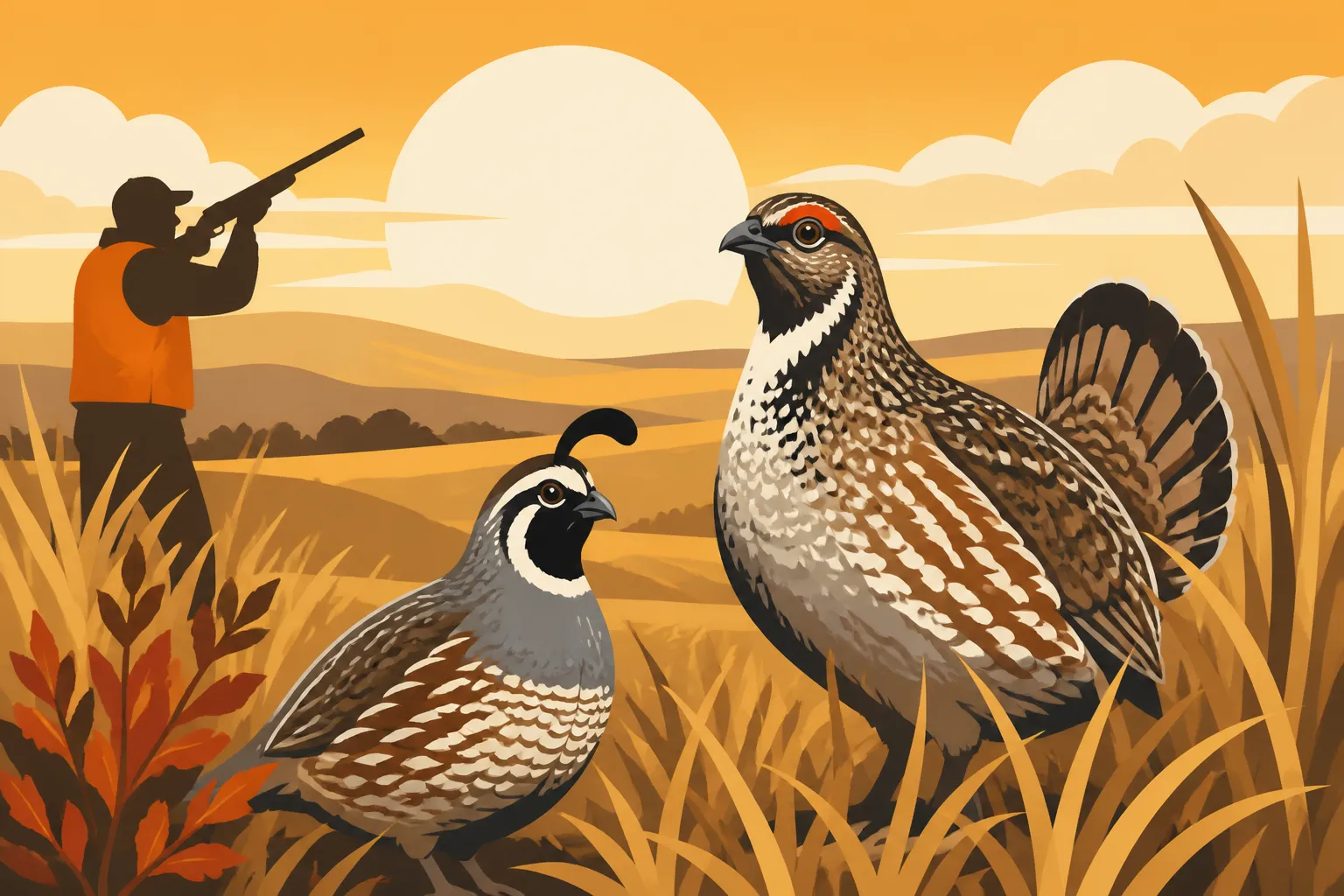
Trying to hunt upland birds in Nebraska can sometimes feel like chasing ghosts, especially when you're looking for both quail and grouse in a unique spot like the Halsey National Forest. This area, nestled in the heart of the Sandhills, offers a different kind of challenge and opportunity compared to the traditional farm ground of eastern Nebraska or the vast shortgrass prairies further west. This comprehensive guide will walk you through the specifics of finding and hunting these often-elusive birds in and around the Bessey Ranger District, giving you the real-world insights you need for a successful hunt.
Understanding the Halsey National Forest Ecosystem for Upland Birds
The Halsey National Forest, or more accurately, the Bessey Ranger District of the Nebraska National Forest, is a truly singular place. It's not your typical expansive forest, nor is it purely open prairie. It's a fascinating blend that creates specific pockets of habitat for different bird species, and understanding this blend is key to finding success.
The Unique Landscape of the Bessey Ranger District
Imagine a forest that was almost entirely hand-planted over a century ago, stretching across the rolling, sandy terrain of the Sandhills. That's Halsey. You've got these dense stands of Ponderosa pine, sometimes interspersed with Eastern Red Cedar, rising out of what is otherwise vast native prairie. This mosaic creates an intricate series of "edge" habitats that are absolutely critical for upland birds. While the deep, unbroken pine stands might not be ideal, the transition zones—where the trees meet the grass, or where clearings break up the canopy—are where the action often happens. These areas can provide the vital mix of protective cover, nesting sites, and food sources that birds need to thrive in a sometimes harsh environment. You might find a small draw with some plum thickets or brush within the forest that offers more traditional quail cover, or expansive grasslands immediately adjacent that are perfect for grouse. This isn't like Nebraska National Forest and Grasslands Hunting in other parts of the state; Halsey truly stands alone.
Habitat Requirements for Quail and Grouse in a Forested Prairie Setting
When you're trying to locate birds, it's essential to think about what each species truly needs. Bobwhite Quail are largely creatures of the brushy edge. They need dense, low cover for protection from predators and the elements, often thorny thickets like plum or multiflora rose, intertwined with taller grasses for nesting. They also need access to food sources like weed seeds, insects, and waste grain, though the latter is less common in a purely forest/prairie setting. Around Halsey, you're looking for those brushy draws, the edges where the planted pines meet native grass, or perhaps areas where some disturbance (like a fire or timber thinning) has created new, young, brushy growth. Think about areas that mimic traditional Quail Coveys in Nebraska Shelterbelts, even if they aren't man-made.
Sharptailed Grouse and Greater Prairie-Chickens, on the other hand, are birds of the open prairie. They need large expanses of native grassland, often with a mix of taller grasses for nesting and brood-rearing, and shorter, sparser areas for dusting and feeding on insects and seeds. While both species coexist in many parts of the Sandhills, Sharptails tend to prefer slightly brushier, hillier terrain, while Prairie-Chickens often favor flatter, wetter meadows. Around Halsey, you'll find these grouse primarily in the expansive native grasslands that surround the planted forest, or in larger clearings within it. They will rarely venture deep into the dense pine stands, preferring the wide-open spaces where they can easily spot predators. Understanding the subtle differences in their preferred habitats can greatly increase your chances of finding either species.
Scouting and Locating Birds in the Halsey Area
Finding upland birds in a diverse and expansive area like Halsey takes more than just showing up and hoping for the best. Effective scouting, both from afar and on the ground, is absolutely vital. You're not just looking for "birds"; you're looking for bird habitat that holds the specific species you're targeting.
Interpreting Topographic Maps and Satellite Imagery for Birdy Spots
Before you ever set foot on the ground, modern mapping tools are your best friend. Services like onX Hunt have revolutionized how hunters approach new areas. You can use these apps to meticulously scan satellite imagery for those critical habitat features: the interface where the pine forest transitions into grassland, the winding drainages that might hold plum thickets, or areas of recent timber management that could create brushy growth for quail. Look for distinct changes in vegetation patterns, indicating different cover types. For grouse, identify the largest, most unbroken tracts of native grassland, paying attention to variations in grass height or slight changes in elevation that might offer a bit more cover or visibility. Topographic lines can reveal subtle draws or benches that might be overlooked, but can concentrate birds. Knowing exactly where public land ends and private land begins, which onX Hunt clearly delineates, is also crucial in the Halsey area, where public and private ownership can be intermingled. Don't forget to look for water sources, especially during drier years or early in the season when Hunting Grouse in September Heat is a real possibility; birds need to drink, and these spots can be magnets.
Boots-on-the-Ground Reconnaissance for Quail and Grouse Sign
Once you've identified some promising spots on your map, it's time to lace up your boots and hit the ground. This is where you confirm your theories and look for tangible signs of bird presence. For quail, you're searching for dusting bowls—small, shallow depressions in soft dirt where birds bathe to clean their feathers—often found in sandy soil near cover. Look for covey scat, which is typically small, dark, and often clumped. Pay close attention to the edges of brushy cover, especially plum thickets, cedar trees, and any draws that have dense, low-growing vegetation. Listen for their distinctive "bob-white" call or the whistling of a flushing covey.
For grouse, the search is often more about covering ground and looking for larger areas of suitable habitat. While direct sign can be harder to spot in tall grass, you might find feathers, particularly around lek sites if you're scouting in spring, or in dusting areas. In the fall, look for areas where grass seeds or forbs are abundant, as these are primary food sources. Sharptail and Prairie-Chicken tracks can occasionally be found in sandy areas or along two-track roads. If you're really dedicated, spending time in the early morning or late evening observing areas you've pinpointed on your maps can reveal bird movement patterns, like birds flying into or out of a particular patch of cover. This kind of diligent Scouting Nebraska Public Ground Before Opening Day can make all the difference.
| Species | Preferred Habitat Around Halsey | Key Signs to Look For | Typical Behavior |
|---|---|---|---|
| Bobwhite Quail | Brushy edges, plum thickets, cedar clumps, clearings, draws where pines meet grass. | Dusting bowls, covey scat, calling, flush explosions. | Hold tight in dense cover, flush as a covey. |
| Sharptailed Grouse | Open native grasslands, brushy prairie hills, larger clearings within the forest. | Feathers, dusting spots, tracks (less common), rapid flush. | Flush wildly, often fly long distances, can be found in small groups. |
| Greater Prairie-Chicken | Flat, expansive native grasslands, wet meadows, shortgrass areas within larger clearings. | Lek sites (spring), feathers, dusting spots. | Flush with distinctive cackle, prefer open flight paths. |
Hunting Tactics Tailored for Halsey's Upland Birds
Hunting the Halsey area means being adaptable. The terrain can be challenging, and the birds, while present, can be spread out or hold tight in unexpected places. Having a strategy for each species, and understanding how the landscape dictates your approach, is crucial for success.
Strategies for Pursuing Bobwhite Quail
If you're after Bobwhite Quail around Halsey, focus your efforts on those prime edge habitats. Think about the transition zones between the planted pines and the prairie, or the thicker, brushy draws that wind through the landscape. These areas offer the dense cover that quail crave. A good bird dog is almost indispensable for quail hunting, especially in the Sandhills. Their ability to scent and point a covey hiding deep in a plum thicket will save you countless miles and increase your chances exponentially. Without a dog, you'll need to meticulously work every bit of likely cover, walking slowly and deliberately, pausing frequently to try and spook birds into flushing. When a covey flushes, try to mark where individual birds fly to. Quail will often scatter into nearby cover after the initial covey flush, offering opportunities for single-bird retrieves. Remember that the sand can be tough on both you and your dog, so bring plenty of water, especially on warmer days.
Tactics for Sharptailed Grouse and Prairie Chickens
For Sharptailed Grouse and Greater Prairie-Chickens, your strategy will shift dramatically towards covering ground. These birds are found in the vast open grasslands, often far from any trees. This means long walks, sometimes uphill and down dale over sandy terrain. Again, a good flushing dog can be invaluable, but many hunters successfully Working Sharptails and Prairie Chickens on Foot even without one. The key is to cover as much prime prairie habitat as possible. Walk into the wind when you can; this gives your dog a better chance to pick up scent and can also make birds hold a bit tighter before flushing. Grouse often flush wild, sometimes at a considerable distance, so be prepared for quick, often challenging shots. They also tend to fly farther than quail, so marking their descent can be difficult. Knowing how to tell Telling a Sharptail From a Prairie Chicken at a distance isn't just for identification, it helps you understand their flight characteristics and where they might re-land. Focus on areas with a good mix of native grasses and forbs, especially along the tops of rolling hills or in wide, open valleys.
Dealing with the Unique Challenges of the Halsey Terrain
Hunting around Halsey is physically demanding. The sandy soil, characteristic of the Sandhills, means every step can be a mini-workout. Wearing the right Boots for Walking Nebraska Grass and Sand is not a suggestion, it's a necessity for comfort and endurance. You'll want boots with good ankle support and sturdy soles to handle the uneven ground and prevent sand from getting in. Hydration is also paramount, especially during early season hunts, as the open prairie offers little shade and temperatures can climb quickly. Always carry more water than you think you'll need, for yourself and any canine companions. The wind is another constant factor on the plains, which can affect dog work, bird flight paths, and even your ability to hear flushes. Use the wind to your advantage when possible, or at least be aware of its impact on your hunt. Finally, be mindful of where you're walking. The Sandhills are prone to blowouts—deep depressions in the sand—and the terrain can change rapidly, so paying attention to your footing is important.
Permit Information and Regulations for the Halsey Region
Before you even think about setting foot in the Halsey National Forest with a shotgun, you need to make sure all your permits are in order and you're familiar with the specific regulations for upland bird hunting in Nebraska and on federal lands. Ignorance of the law is never a good defense, and ensuring you're compliant is part of being a responsible hunter.
Essential Permits and Stamps
To hunt upland birds in Nebraska, both residents and nonresidents will need a valid annual hunting permit. On top of that, you'll also need a Nebraska Habitat Stamp. This stamp is vital, as the funds generated directly support habitat improvement projects across the state, including on public lands like the Halsey National Forest. Think of it as your direct contribution to ensuring these incredible hunting opportunities continue for years to come. For non-residents, the cost of these permits makes it even more important to understand the full scope of what's required. You might also want to look into things like Nebraska Habitat Stamp and Hunter Education requirements, especially if you're new to hunting in the state. Always check the official Nebraska Game and Parks Commission website for the most current fee schedules and to purchase your permits online before you head out.
Season Dates and Bag Limits
Nebraska's upland bird seasons are generally generous, but they do vary by species and sometimes by location. Typically, the seasons for pheasants, quail, and grouse open in late October and run through January. However, it's absolutely crucial to consult the current year's Nebraska Game and Parks Commission Upland Game Guide for precise Upland Season Dates and Bag Limits. These can sometimes shift slightly from year to year, and bag limits are strictly enforced. For instance, quail and pheasant often have different daily bag and possession limits than grouse. When hunting in the Halsey area, pay particular attention to whether any special regulations apply to federal lands, as sometimes national forest or grassland units might have specific rules regarding vehicle access, blind placement, or non-toxic shot requirements, even if it's not a waterfowl-specific area. Always double-check the fine print so your hunt doesn't turn into an unexpected citation.
Disclaimer
This article is for general informational purposes only and does not constitute professional advice. Laws, prices and regulations vary by location and change over time. Consult a qualified professional for guidance on your specific situation.