Crescent Lake Refuge Access
For many hunters, the lure of wide-open spaces and untouched habitat is powerful, but finding accessible ground can be a real headache, especially in Nebraska's unique landscapes. Federal refuges offer incredible opportunities, but they often come with a distinct set of rules and access quirks that can leave you scratching your head. This guide is here to walk you through the ins and outs of hunting at Crescent Lake National Wildlife Refuge, helping you understand how to gain access and what to expect from a hunting trip to this remote Sandhills gem.
Understanding Crescent Lake National Wildlife Refuge
Crescent Lake National Wildlife Refuge isn't just another patch of public land; it's a vital, protected ecosystem nestled deep within Nebraska's Sandhills. Established over a century ago, its primary purpose has always been to provide essential habitat for migratory birds, particularly waterfowl. Because of this focus, hunting here comes with a unique set of considerations that differ significantly from hunting state wildlife management areas or even other federal lands.
A Unique Ecosystem in the Sandhills
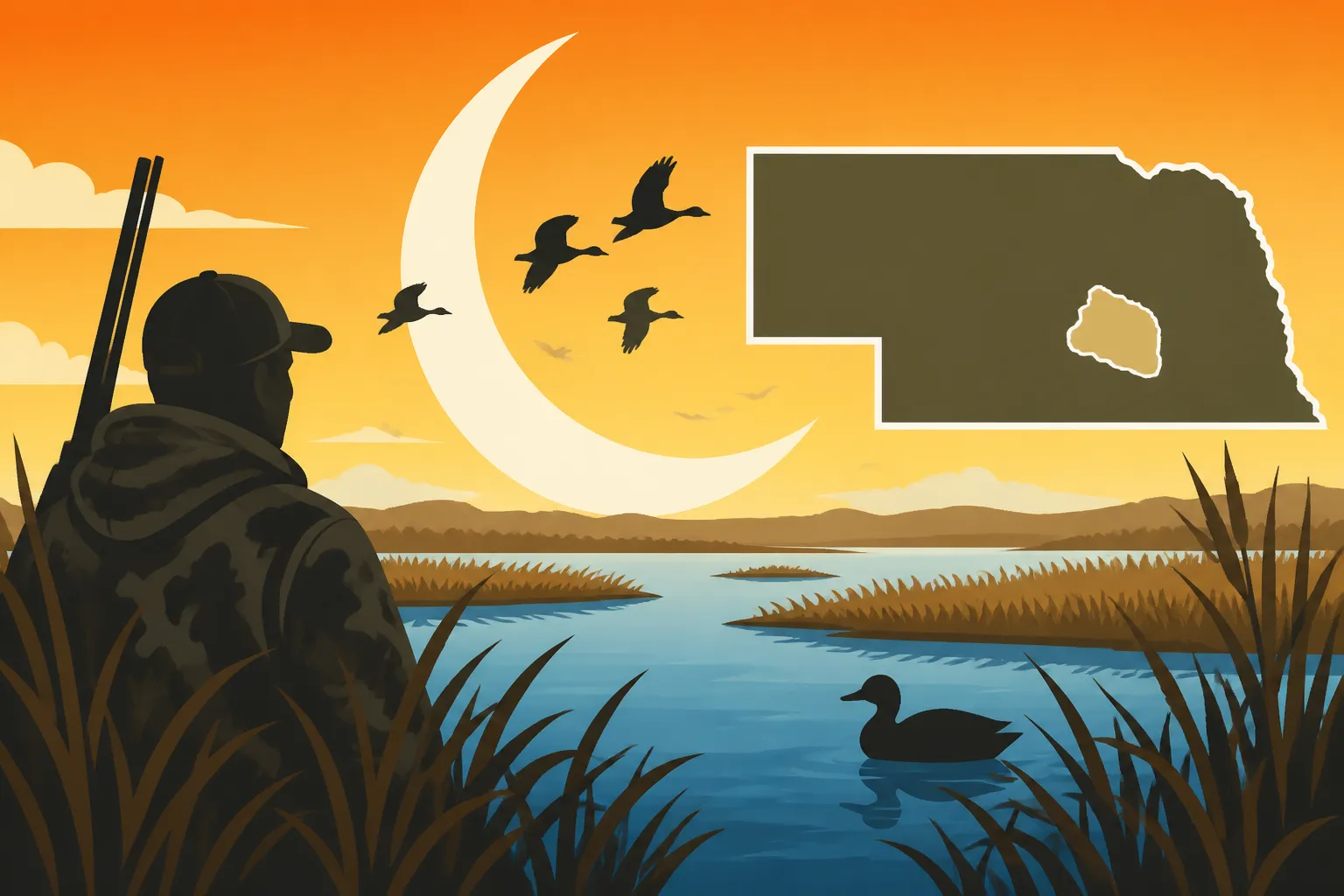
Imagine vast expanses of rolling sand dunes, stabilized by hardy grasses, interspersed with numerous shallow, alkaline lakes and wetlands. That's the heart of Crescent Lake National Wildlife Refuge. This isn't your typical eastern Nebraska river bottom or farmland edge. It's a truly wild and remote landscape, dominated by the forces of wind and water. The lakes, while often shallow, are crucial stopping points for ducks, geese, and a myriad of other avian species traversing the Central Flyway. These wetlands provide critical food sources and safe roosting areas, drawing in impressive numbers of birds during migration. The surrounding Sandhills habitat also supports other wildlife, but the refuge's management priorities are undeniably centered on its waterfowl resources. This unique setting makes for an incredibly scenic and often challenging hunting experience, a true taste of wild Nebraska. Hunting the Nebraska Sandhills
General Refuge Rules and Regulations
Since Crescent Lake is a federal National Wildlife Refuge, it operates under the authority of the U.S. Fish and Wildlife Service. This means that while Nebraska's general hunting regulations apply, there are often additional, and sometimes more stringent, rules specific to the refuge itself. These rules are designed to protect the sensitive habitats and resident wildlife populations. For instance, specific areas might be designated as "closed to all public entry" or "open to hunting by foot traffic only." There might be restrictions on the type of equipment you can bring in, special requirements for non-toxic shot, or even limitations on when and where you can launch a boat. It's absolutely crucial to obtain and thoroughly review the most current refuge-specific regulations before planning any trip. These are usually available on the refuge's official website or at their headquarters, often in the form of a detailed brochure or fact sheet. Don't assume that what's legal on state public land is automatically legal here; doing so could lead to a ruined hunt or worse.
Hunting Opportunities at Crescent Lake Refuge
While the refuge is a haven for all sorts of wildlife, its hunting opportunities are primarily geared toward one specific group of game animals, with other opportunities being very limited or non-existent. Understanding these focuses is key to planning a successful trip.
Waterfowl Hunting: The Primary Draw
Without a doubt, waterfowl hunting is the main event at Crescent Lake National Wildlife Refuge. The chain of lakes and wetlands within the refuge acts as a magnet for ducks and geese, especially during the fall migration. You'll find a wide variety of species here, from mallards, pintails, and wigeon to various diving ducks like canvasbacks and redheads. Canada geese and occasional snow geese also utilize the refuge. The sheer volume of birds can be impressive, offering hunters a chance to experience some truly memorable flights. However, success often depends on being able to access prime spots, understanding the birds' flight patterns, and adapting to the constantly changing weather conditions of the Sandhills. It's a challenging but deeply rewarding pursuit that connects you directly to the pulse of the Waterfowl of the Central Flyway in Nebraska. Be prepared for mud, cold, and plenty of wind – these are the hallmarks of a true Sandhills waterfowl hunt.
Limited Big Game and Upland Opportunities
Compared to the extensive waterfowl hunting, opportunities for big game and upland birds at Crescent Lake Refuge are typically very limited, if they exist at all. Some refuges might allow a highly restricted deer hunt, often antlerless-only, or require a special permit drawn through a lottery. This is done to manage local deer populations and prevent habitat degradation. For upland birds like pheasants or grouse, the habitat within the refuge is generally not managed for these species in the same way a state WMA might be. If hunting for these species is allowed, it's usually on a very small scale, in specific areas, and again, with special rules. It's safe to say that if your primary goal is a trophy mule deer or a limit of pheasants, Crescent Lake is likely not your best bet. Always check the refuge's current hunting regulations to confirm what is open for hunting beyond waterfowl. Don't just show up hoping; do your homework first.
Navigating Access and Restrictions
Accessing Crescent Lake National Wildlife Refuge for hunting isn't as simple as driving up to a state WMA sign and walking in. Because it's a federal refuge with specific conservation mandates, there are often layers of rules regarding permits, open areas, and how you can actually get into the hunting grounds. This is where planning and attention to detail really pay off.
Permit Requirements and Special Regulations
Beyond your standard Nebraska state hunting license and habitat stamp, many federal refuges, including Crescent Lake, may require additional permits for hunting. These permits are sometimes free but mandatory, requiring hunters to register at the refuge office or an online portal. Other times, for particularly sensitive areas or limited opportunities, there might be a lottery system to draw a special permit. This is particularly common for big game hunts or early-season waterfowl blinds. It's critical to understand these processes well in advance of your hunt, as application deadlines can be months before the season starts.
For waterfowl, you'll also need your federal duck stamp and HIP registration. Remember that even with your permits, the refuge might have specific rules about shooting hours, daily bag limits that differ from state limits, or even designated shooting zones. For example, some refuges have "rest areas" where no hunting is allowed, or they might restrict the use of certain types of blinds or decoys. Carefully reviewing the refuge's annual hunting regulations brochure is non-negotiable. It’s like a treasure map, showing you where you can go and what you can do. Nebraska Federal Duck Stamp Cost is a good thing to anticipate.
Understanding Open and Closed Areas
One of the most significant challenges in hunting federal refuges is deciphering which areas are actually open to hunting. Crescent Lake, like many refuges, is a mosaic of habitats, and not all of them are open to hunting. Some areas might be year-round wildlife sanctuaries, off-limits to all public entry, while others might be open to hunting only during specific seasons or for certain species. You might find zones that are open for waterfowl, but completely closed for deer, or areas only accessible by foot to minimize disturbance to sensitive nesting or roosting sites.
This is where digital mapping tools truly become indispensable. Services like onX Hunt often have layers that clearly delineate public vs. private land, but also specifically identify federal refuge boundaries and, crucially, designated open and closed hunting zones within those refuges. Relying solely on general state maps won't cut it here; you need the specific refuge map to avoid accidentally trespassing or disturbing protected areas. Taking the time to study these maps and understand the signage on the ground will save you a lot of grief and ensure you're hunting legally and ethically. Nebraska Public Access Atlas Mobile App can be a great resource too.
Vehicle and Foot Traffic Rules
Given the fragile nature of Sandhills habitat and the refuge's focus on minimizing disturbance, rules regarding vehicle access and foot traffic are often strict. Many areas within Crescent Lake might be designated as "walk-in only," meaning you'll need to leave your vehicle at a designated parking area and carry all your gear to your hunting spot. This can involve significant walks, often through challenging sandy terrain or muddy wetlands, so physical conditioning and appropriate gear are important.
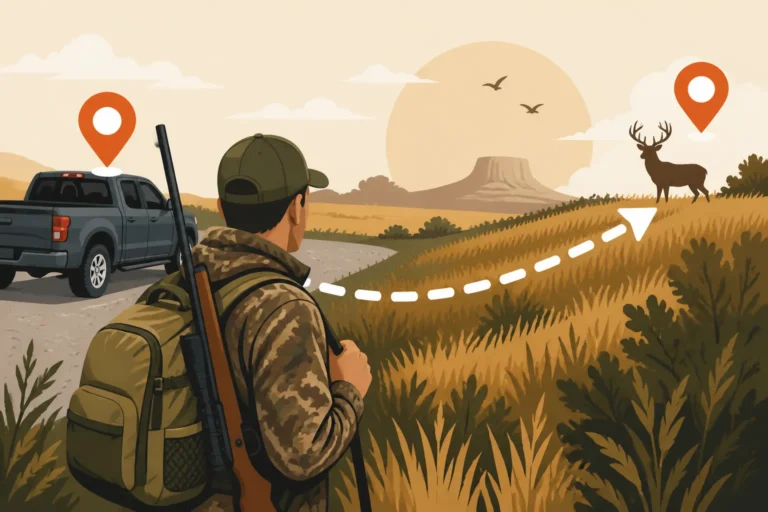
Even where vehicles are allowed, there might be restrictions on where you can drive. Two-track roads, particularly those on sand, can be tricky, and getting stuck far from any services is a real possibility. Sometimes, ATVs or UTVs are completely prohibited, while other times they might be allowed only on specific trails or for game retrieval. Always confirm these rules before heading out. Understanding these access limitations is part of the challenge and charm of hunting remote areas like Crescent Lake. It ensures that the hunting experience remains wild and minimizes environmental impact. Using a mapping application like onX Hunt can help you identify designated access roads and parking areas, as well as those extensive walk-in zones you'll need to navigate.
Essential Gear and Tactics for Crescent Lake
A successful hunt at Crescent Lake National Wildlife Refuge demands not just the right permits and a keen understanding of the rules, but also the proper gear and a well-thought-out tactical approach. The unique Sandhills environment and the focus on waterfowl mean you'll need to be prepared for specific challenges.
Waterfowl-Specific Gear Considerations
If you're heading to Crescent Lake for waterfowl, your gear list will look a bit different than if you were chasing pheasants in milo stubble. First and foremost, good quality waders are non-negotiable. The wetlands can be shallow, but they're often muddy and cold, so breathable, insulated waders are key to staying comfortable and dry. Decoys are another essential. Depending on the size of the water body and the species you're targeting, a spread of floaters for ducks, or a mix of full-body and shell decoys for geese, will be necessary. Don't forget a sturdy decoy bag to haul them across potentially long distances.
Layout blinds are common if you're hunting field edges adjacent to the water, or if you can find a suitable dry spot near a feeding area. Otherwise, natural cover or a simple camo net might suffice. Calls, appropriate for the ducks and geese you're after, are vital for working birds. Finally, remember your non-toxic shot; it's almost certainly a requirement on a federal refuge. Think about how you'll transport all this gear, too. A robust sled or a game cart could be a lifesaver for those long hauls over sandy or wet ground. Waterfowl Gear for Nebraska Fields and Wetlands is worth reviewing.
Scouting and Preparations
Successful hunting, especially on public and federally managed land, hinges on thorough scouting. For Crescent Lake, this means more than just driving around the day before. Because of the refuge's size and remote nature, pre-season scouting, even from afar, is incredibly valuable. Utilize aerial imagery on apps like onX Hunt to identify potential roosting areas, feeding grounds, and logical flight paths between them. Look for areas with dense emergent vegetation that could provide cover for blinds, or dry land points that funnel bird movement.
Pay close attention to historical weather patterns and water levels. A wet year means more habitat; a dry year might concentrate birds on fewer, larger lakes. Consider how wind direction will impact bird movement and your setup. Knowing where the sun will rise and set relative to your intended hunting spot is also critical for decoy placement and shooting lanes. Tools like GoHunt can provide valuable insights into historical harvest data, species presence, and regulatory updates, helping you refine your strategy. Don't underestimate the power of a good pair of binoculars and a spotting scope for observing bird activity from a distance without disturbing them. Decoy Spreads for Rainwater Basin Geese require careful thought.
Challenges and Rewards of Hunting Crescent Lake
Hunting Crescent Lake National Wildlife Refuge offers a truly unique experience, but it's not without its particular challenges. Being prepared for these difficulties enhances the rewards of a successful trip to this remote Sandhills treasure.
Dealing with Remote Conditions and Weather
One of the biggest realities of hunting Crescent Lake is its sheer remoteness. You are deep in the Sandhills, far from major towns, gas stations, or even reliable cell service in many areas. This means you need to be entirely self-sufficient. Pack extra water, food, emergency supplies, and a robust first-aid kit. Vehicle preparedness is paramount; consider having a spare tire, jumper cables, and perhaps even traction boards, as getting stuck in soft sand is a common hazard. Reading Sign on a Nebraska Sandhills Two-Track can help you navigate.
The weather in the Sandhills is notoriously unpredictable. A beautiful, calm morning can quickly turn into a howling blizzard or a torrential downpour. Temperatures can swing wildly from day to day, and even within a single day. Layered clothing, including waterproof and windproof outer shells, is essential. Cold Weather Sitting Strategy will be critical if you plan on extended sits. Freezing rain, heavy snow, and strong winds can make even a short walk feel like an expedition. Always check the forecast, but be prepared for anything. This rugged environment demands respect and readiness from every hunter who ventures into it.
The Unique Experience of a Refuge Hunt
Despite the challenges, hunting Crescent Lake National Wildlife Refuge offers an unparalleled experience for those seeking true wilderness. The quiet solitude of the Sandhills, broken only by the calls of waterfowl and the rustle of wind through the prairie grasses, is deeply restorative. There's a profound sense of stepping back in time, away from the constant noise and rush of modern life. When the sun rises over those expansive wetlands, painting the sky with vibrant colors as thousands of ducks and geese take flight, it's a sight you won't soon forget.
Successfully navigating the refuge's specific rules, mastering its unique access points, and overcoming the environmental challenges to harvest game here provides a profound sense of accomplishment. It's not just about filling a limit; it's about the journey, the challenge, and the deep connection to a truly wild place. The experience forces you to slow down, observe, and engage with the landscape on its own terms. For the dedicated waterfowl hunter or the adventurer seeking a unique Nebraska experience, Crescent Lake is a challenging but ultimately incredibly rewarding destination.
| Aspect | General Nebraska Public Land | Federal National Wildlife Refuge (Crescent Lake) |
|---|---|---|
| Primary Authority | Nebraska Game & Parks | U.S. Fish and Wildlife Service |
| Permits Required | State Hunt Permit, Habitat Stamp | State Hunt Permit, Habitat Stamp, plus Refuge-specific permit(s) (often free but mandatory) |
| Rule Complexity | General state regulations | State regulations plus potentially stricter refuge-specific regulations (e.g., non-toxic shot everywhere, limited entry) |
| Access Focus | Often diverse, general access | Highly controlled; often designated open/closed areas, walk-in only zones, vehicle restrictions |
| Primary Hunting | Varies by location/habitat | Often strongly focused on migratory waterfowl |
| Scouting Importance | High | Extremely High (due to complex rules and access) |
| Gear Considerations | General | Often specialized (e.g., waders, sleds, specific decoys) |
| Remoteness | Varies, can be near towns | Often very remote, limited services |
Disclaimer
This article is for general informational purposes only and does not constitute professional advice. Laws, prices and regulations vary by location and change over time. Consult a qualified professional for guidance on your specific situation.