Nebraska Pronghorn Population Estimate
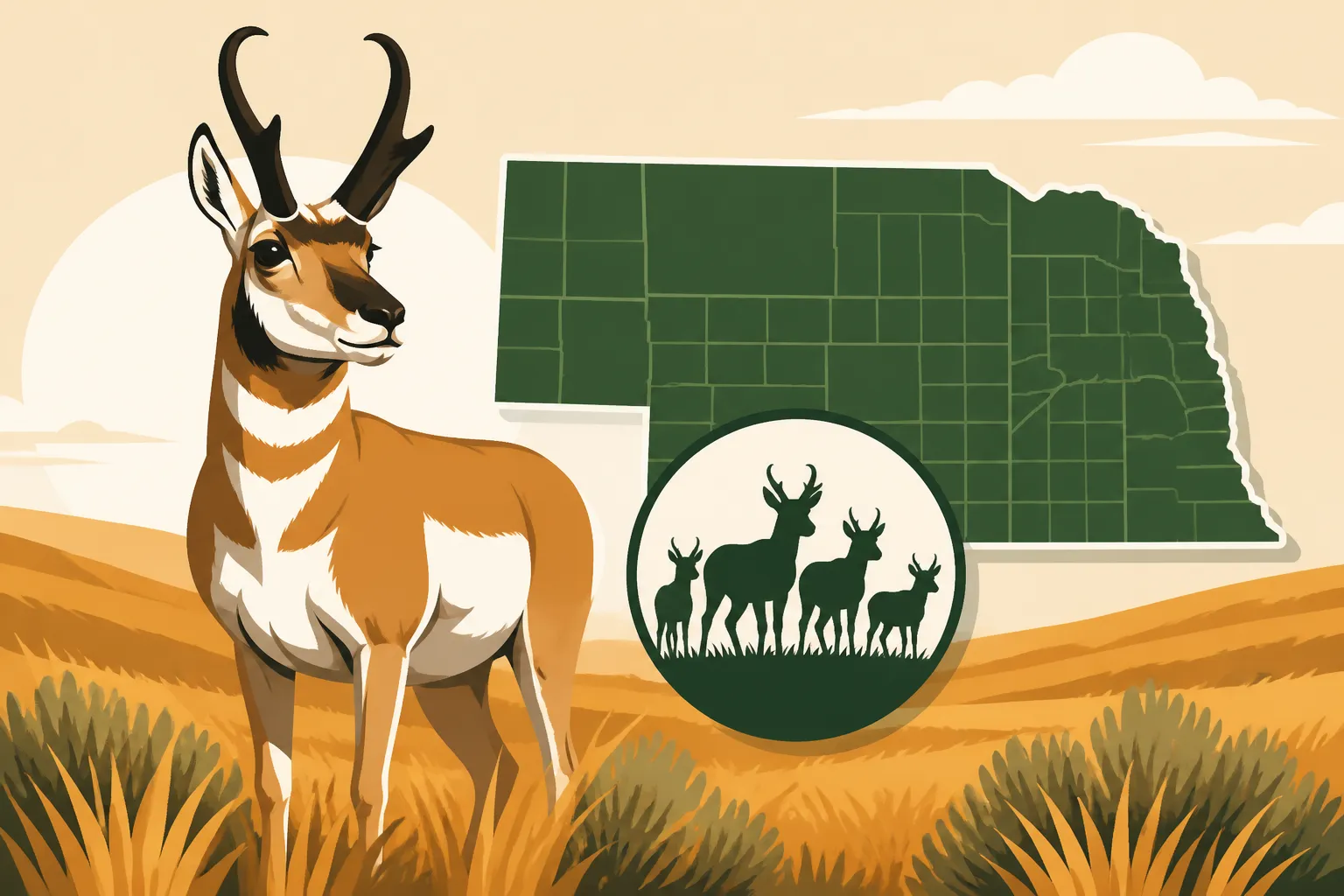
Trying to understand the exact number of pronghorn roaming the vast prairies and panhandle of Nebraska can feel a bit like trying to count stars on a cloudy night—it's a massive undertaking with a lot of variables. Hunters often wonder just how many of these incredible speedsters are out there, not just out of curiosity, but because it directly impacts permit availability, draw odds, and the quality of their hunting experience. This guide will dive deep into how Nebraska's pronghorn population is estimated, what those numbers actually mean, and the many factors that keep wildlife managers up at night when it comes to these unique animals.
The Challenge of Counting Pronghorn in Nebraska
Getting a precise count of any wild animal is notoriously difficult, and pronghorn in Nebraska are no exception. They live in expansive, often sparsely populated regions, and they're built for speed and long-distance travel. This combination makes direct counting nearly impossible, leading wildlife agencies to rely on careful estimation methods. For hunters, knowing these challenges helps put the reported numbers into perspective and sheds light on why permit allocations can sometimes seem to fluctuate.
Why Accurate Estimates Matter
For both wildlife managers and the hunting community, understanding the approximate size and health of the pronghorn population is absolutely critical. Without these estimates, the Nebraska Game and Parks Commission (NGPC) would be flying blind when it comes to setting hunting seasons and permit quotas. If they overestimate, too many permits could put undue pressure on the herd, potentially leading to declining numbers in future years. Conversely, if they underestimate, hunters might miss out on opportunities, and the population could grow beyond what the habitat can sustainably support, causing issues like overgrazing or disease.
Beyond permit numbers, these estimates provide vital insights into the overall ecological health of Nebraska's western rangelands. A healthy, stable pronghorn population is often an indicator of robust grassland ecosystems. When populations show significant dips, it can signal deeper environmental problems that need addressing, such as habitat loss, severe weather impacts, or disease outbreaks. These numbers aren't just for hunters; they're a barometer for the health of a unique part of our state.
Factors Affecting Population Counts
Counting animals like pronghorn across such vast landscapes presents numerous logistical hurdles. One of the primary difficulties stems from their habitat itself: the sprawling, open country of western Nebraska, including the Sandhills and Panhandle. While this open terrain might seem ideal for spotting animals, it's often remote, rugged, and crisscrossed by private land, making comprehensive ground surveys incredibly time-consuming and expensive. Pronghorn are masters of using subtle topography to disappear, even in seemingly flat areas.
Their highly mobile nature also complicates matters. Pronghorn are known for covering significant distances, especially as they move between summer and winter ranges, or in search of water and forage. An animal counted in one area one day might be miles away the next, making it hard to avoid double-counting or missing individuals entirely. Weather conditions during survey periods can also play a huge role; poor visibility due to fog, rain, or even extreme heat can reduce the accuracy of aerial or ground observations. These inherent difficulties mean that any number you hear is always an estimate, carefully derived from the best available data, but never a perfect tally.
Nebraska's Pronghorn Population Estimate: What the Numbers Tell Us
When we talk about the number of pronghorn in Nebraska, it's important to remember we're discussing an estimate, not a precise census. The Nebraska Game and Parks Commission employs a combination of methods to arrive at these figures, blending aerial observations with ground data and hunter reports to paint the most accurate picture possible of the state's herd health. This isn't a simple task, but it's essential for responsible wildlife management.
How Nebraska Game and Parks Monitors Pronghorn
The primary method the NGPC uses to estimate pronghorn populations involves aerial surveys. Typically conducted in late summer or early fall, these surveys involve flying predetermined transects over known pronghorn habitats in fixed-wing aircraft or helicopters. During these flights, experienced observers count visible pronghorn, often categorizing them by bucks, does, and fawns. The timing is crucial; late summer allows for good visibility of fawns, giving managers a better sense of recruitment rates for the year. However, these surveys are expensive and can be limited by weather conditions, making it impossible to cover every acre every year.
Beyond aerial counts, harvest data plays a significant role. When hunters successfully harvest a pronghorn, the information gathered during the check-in process—such as the animal's sex, age, and location of harvest—provides valuable data points. Long-term trends in hunter success rates, buck-to-doe ratios, and the average age of harvested animals offer a ground-level check against aerial estimates. Additionally, reports from field personnel, landowners, and even some citizen science initiatives can contribute localized information, helping to fill in gaps and verify broader trends. All this data is then synthesized to produce an overall population estimate for various management units across the state.
Current Population Trends and Historical Context
Nebraska's pronghorn population, like many wildlife species, has experienced its share of ups and downs over the decades. Historically, pronghorn were much more widespread across the state, but market hunting and habitat changes led to significant declines by the early 20th century. Through concerted conservation efforts and reintroduction programs, their numbers have rebounded, primarily settling in the western and Sandhills regions where expansive grasslands still dominate.
In recent years, the population has generally been stable, though localized fluctuations are common. Harsh winters, especially those with prolonged periods of deep snow and extreme cold, can take a toll, particularly on fawns and older animals. Pronghorn Winter Kill in the Panhandle is a stark reminder of how quickly populations can be impacted by severe weather. Drought conditions can also stress the population by reducing forage quality and water availability, affecting fawn survival. Conversely, mild winters and good moisture in spring can lead to strong fawn crops and population growth. Hunters often use analytical tools offered by platforms like GoHunt to track these historical trends and understand how environmental factors might influence future permit availability and hunting success. Understanding these dynamics is key to planning a successful hunt and contributing to their long-term viability in the state.
Factors Influencing Pronghorn Numbers in Nebraska
Pronghorn are intrinsically tied to the vast, open landscapes they call home. Their survival and population health are a delicate balance influenced by habitat, environmental conditions, and human management decisions. Understanding these interconnected factors helps paint a more complete picture of why Nebraska's pronghorn population sits where it does.
Habitat and Land Use Impacts
The health and availability of suitable habitat are arguably the most crucial factors for pronghorn. These animals are true creatures of the open prairie, relying on expansive grasslands with good visibility for foraging and detecting predators. When these grasslands are converted to cropland, particularly in areas traditionally used by pronghorn, it fragments their habitat and reduces the overall carrying capacity of the land. This often forces them into smaller, less ideal patches of ground, which can increase competition for resources and make them more vulnerable.
Another significant impact comes from fencing, a ubiquitous feature of agricultural landscapes. While cattle fences might not seem like a major impediment to an animal that can run at incredible speeds, pronghorn prefer to crawl under fences rather than jump over them. This preference means that tightly strung fences, especially those with barbed wire close to the ground, can create significant barriers to their movement, blocking access to vital foraging areas, water sources, or wintering grounds. Why Pronghorn Go Under Fences highlights this unique behavioral trait and its implications. These fences can literally trap them in shrinking territories, limiting their ability to respond to changing conditions or escape harsh weather.
Environmental Challenges
Nebraska's weather can be notoriously unpredictable, and these environmental swings directly influence pronghorn populations. Severe winters are perhaps the most immediate threat. Deep, crusted snow can make foraging nearly impossible, leading to starvation, especially for fawns and older animals. Extended periods of extreme cold also increase energy demands, pushing animals to their limits. A devastating winter can wipe out a significant portion of a local herd, setting back population recovery for several years.
Conversely, prolonged drought periods during the summer can also be detrimental. While pronghorn are adapted to arid environments, severe drought reduces the quantity and quality of forage, making it harder for does to produce milk for their fawns and for all animals to build up fat reserves for winter. Water sources can dry up, forcing pronghorn to travel further, expending valuable energy. Predation, primarily from coyotes, can also impact fawn survival, especially in years when fawns are already weakened by poor conditions. Disease outbreaks, though less common than for deer, can also occur and impact localized herds, emphasizing the delicate balance of their existence on the plains.
Management Strategies and Hunter Involvement
The Nebraska Game and Parks Commission actively manages pronghorn populations through a carefully designed permit system. Unlike some other game animals, pronghorn permits are limited and typically allocated through a lottery draw system, reflecting the more conservative approach needed for these specialized animals. The number of permits issued each year directly correlates with the current population estimates and management goals. If the population is robust and growing, more permits might be available, but if numbers are stable or declining, quotas will be tightened to ensure the long-term health of the herd. This is where tools from organizations like GoHunt become invaluable for hunters, as they often provide detailed insights into draw odds and historical permit numbers by unit, helping hunters make informed decisions about where and when to apply.
Hunter involvement extends beyond just permit fees. The revenue generated from hunting permits and the purchase of habitat stamps directly funds the research, surveys, and habitat improvement projects critical to pronghorn conservation. Hunters are, in essence, paying for the very conservation efforts that ensure future hunting opportunities. Additionally, hunters often serve as additional eyes and ears on the ground, reporting observations of herd health, localized issues, and other valuable information to wildlife managers. Their participation in accurate harvest reporting further aids in refining population models and informing future management strategies, creating a symbiotic relationship between hunters and conservation.
Interpreting Population Data for Hunters
For the dedicated pronghorn hunter, those seemingly abstract population numbers from the Nebraska Game and Parks Commission aren't just statistics; they're vital clues that can directly influence the success of a hunt. Understanding how to read and interpret this data can give you a real edge in your planning and strategy.
What Population Estimates Mean for Your Hunt
When you hear that the pronghorn population in a particular unit is stable or, even better, showing an increasing trend, it generally bodes well for your hunting prospects. A stable or growing population often means better draw odds for permits, as the NGPC might be able to issue more tags without compromising herd health. More animals on the landscape also translates to a higher likelihood of encountering a buck during your hunt, and potentially less pressure on any single animal. This data can inform your decision on which management unit to apply for, perhaps leading you to an area with higher animal density and better success rates.
Conversely, if population estimates indicate a decline, it's a signal to adjust your expectations. Permit numbers will likely be reduced, making the draw significantly tougher. Success rates might dip, and finding a quality animal could require more extensive scouting and effort. This is where analytical resources, such as those provided by GoHunt, can be incredibly useful. They often compile historical draw odds and success data, allowing you to gauge your chances and decide if you want to put in for a tough-to-draw unit or focus on an area with slightly better odds, even if the overall population might be smaller. Ultimately, population estimates guide your tactical choices, from where to apply for a tag to where to concentrate your efforts once you've drawn one.
How to Stay Informed
Staying abreast of the latest pronghorn population data is crucial for any serious hunter. The most direct source of information is always the Nebraska Game and Parks Commission itself. They typically release annual hunting guides that include summaries of population status, harvest data from previous seasons, and permit allocation details for each management unit. Their website is also a treasure trove of information, often featuring detailed reports on species management and research. Making it a habit to check these official resources before applying for permits or planning your hunt is an excellent first step.
Beyond the official channels, numerous online communities and hunting forums dedicated to Nebraska hunting can offer anecdotal insights and discussions among fellow hunters. While these shouldn't replace official data, they can provide a pulse on local conditions and shared experiences. For those who really want to dig into the numbers and trends, platforms like GoHunt provide comprehensive tools that aggregate NGPC data, layer it with historical information, and offer sophisticated analysis to help hunters understand draw odds, success rates, and population trends. This kind of aggregated data can save you hours of research and provide a much clearer picture of what to expect when pursuing pronghorn across the open expanses of Nebraska.
| Factor Impacting Pronghorn Populations | Effect on Population Numbers | Effect on Hunting Opportunity |
|---|---|---|
| Severe Winters (deep snow, cold) | Decline (especially fawns) | Reduced permits, tougher draw, lower success |
| Prolonged Drought | Decline (stress, reduced forage) | Reduced permits, tougher draw, lower success |
| Grassland Conversion (to cropland) | Decline (habitat loss) | Reduced local populations, fewer permits |
| Restrictive Fencing | Localized decline (movement restricted) | Limited access to areas, harder to find animals |
| Mild Winters & Good Moisture | Increase (strong fawn crops) | Increased permits, better draw odds, higher success |
| Habitat Restoration Projects | Increase (improved carrying capacity) | Potential for more permits long-term |
| Targeted Permit Management | Stable/Controlled | Balanced opportunity, sustainable harvest |
Disclaimer
This article is for general informational purposes only and does not constitute professional advice. Laws, prices and regulations vary by location and change over time. Consult a qualified professional for guidance on your specific situation.