Hungarian Partridge in Nebraska
If you've ever found yourself walking the vast grasslands or harvested fields of Nebraska, perhaps you've heard whispers or read old hunting accounts of a unique little bird – the Hungarian Partridge. Many hunters, especially those new to upland pursuits in the Cornhusker State, wonder if these quick, secretive birds actually exist here, or if they're just a relic of hunting tales from generations past. This guide is here to shed some light on the presence, habitat, and elusive hunting opportunities for Hungarian Partridge in Nebraska, helping you understand what to expect.
The Elusive Hungarian Partridge in Nebraska: Are They Even Here?
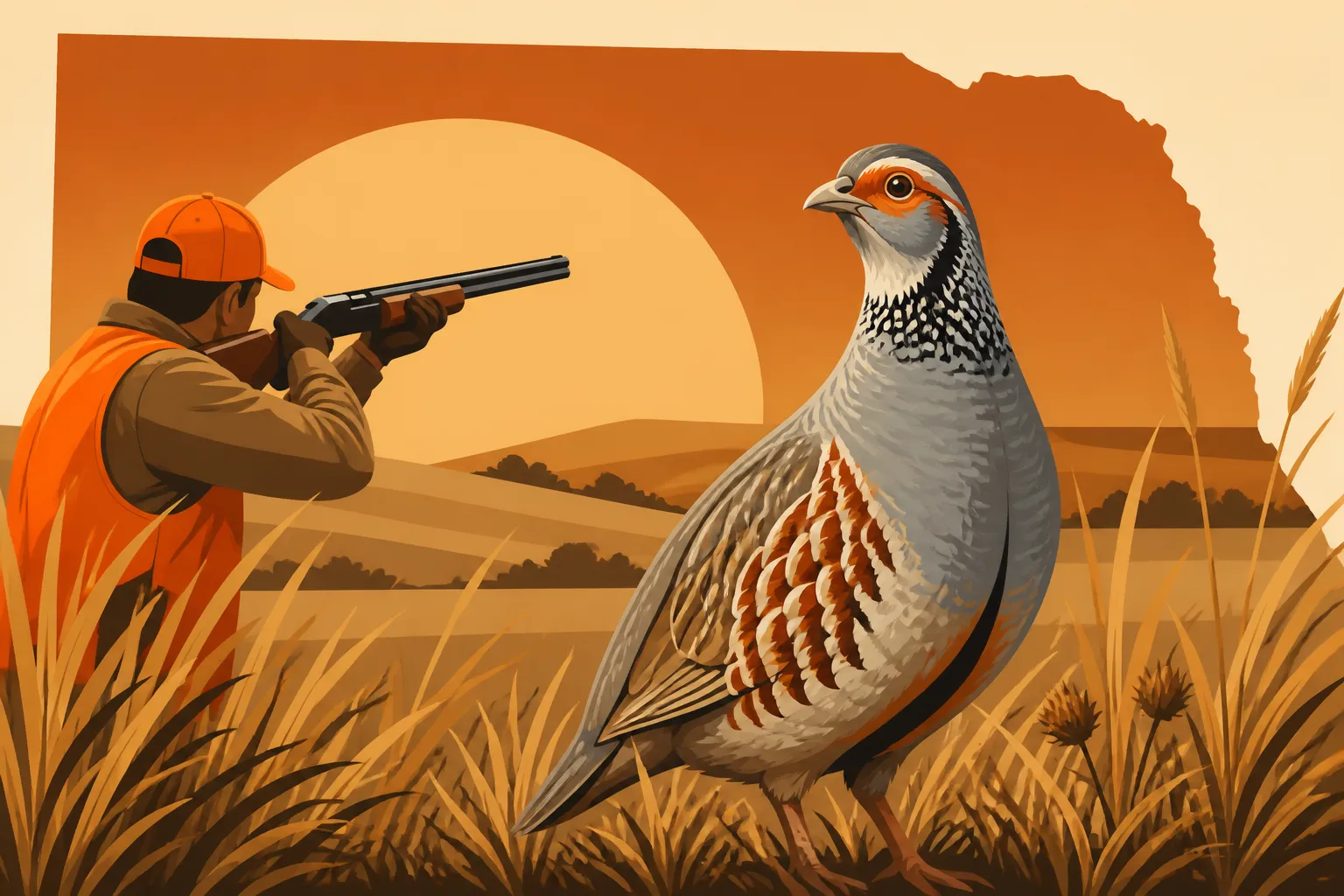
The idea of hunting Hungarian partridge, often affectionately called "Huns," in Nebraska can feel a bit like chasing a ghost for many. Unlike the ubiquitous pheasant or the more localized quail, Huns aren't widely publicized or consistently encountered across the state. They have a fascinating history here, but their current status is certainly a nuanced one.
A Brief History of Hungarian Partridge in Nebraska
Hungarian partridge, native to Europe and Asia, were introduced to North America in the late 19th and early 20th centuries. Nebraska, like many other states, participated in these stocking efforts. They were seen as a promising game bird for the prairie landscape, known for their hardy nature and ability to thrive in agricultural areas. For a time, they did quite well, especially in the northern and western parts of the state where dryland farming and grasslands provided ideal conditions. There were periods when hunters could reliably find coveys, and they offered a challenging upland experience distinct from pheasants. They were a prized bird, known for their explosive flush and fast flight.
However, over the decades, their populations began to decline. This wasn't unique to Nebraska; Huns struggled in many parts of their introduced range due to changes in agricultural practices, habitat loss, and perhaps a susceptibility to certain environmental factors that pheasants or quail handled better. The open, diverse farm country that once supported them slowly gave way to larger, more monocultural fields, reducing the critical nesting and brood-rearing cover they needed.
Current Population Status and Distribution
Today, the truth is that Hungarian partridge populations in Nebraska are considered quite low and very localized. They are not found statewide, and even in areas where they might exist, their numbers are often sparse. Wildlife biologists and seasoned upland hunters will tell you that finding a covey of Huns is a rare and special event, rather than a regular occurrence. They are certainly not a primary target for most Nebraska upland hunters, who tend to focus on Nebraska's Ring-Necked Pheasant Story or Bobwhite Quail in Eastern Nebraska.
You won't typically see specific population estimates or harvest data for Huns from the state's wildlife agencies, largely because their numbers are too low to track with any real statistical significance. Instead, their presence is often noted anecdotally by landowners or hunters who stumble upon them. This makes them a true "bonus bird" – something you might encounter on a pheasant or grouse hunt, but rarely the sole focus of your efforts.
Where Hungarian Partridge Might Still Be Found
Given their reclusive nature and low numbers, pinpointing exact locations for Hungarian partridge in Nebraska is a challenge. However, based on historical data, habitat preferences, and occasional sightings, certain areas offer a slightly better chance of an encounter than others.
Ideal Habitat Characteristics
Hungarian partridge prefer open, rolling agricultural landscapes interspersed with good cover. Think of areas that aren't entirely clean-farmed, but have a mosaic of:
- Small Grain Fields: Wheat, oats, and barley stubble fields provide both food and concealment. They especially like the edges where these fields meet other cover.
- Grasslands and Pastures: Native or introduced grasses, particularly those with some residual cover, are crucial for nesting and brood-rearing. CRP Acres and Nebraska Bird Numbers are vital for all upland birds, including Huns.
- Weedy Field Edges and Fencelines: These provide critical escape cover from predators and harsh weather, as well as a source of insects for young chicks.
- Light Brush and Savannah-like Areas: Unlike quail who often prefer denser brush, Huns like sparse cover that allows for quick movement and visibility, yet offers protection.
- Areas with Minimal Disturbance: They are sensitive to intense farming practices and heavy recreational pressure, so areas that have seen less dramatic change tend to be more suitable.
They are known for being quite tolerant of cold and snow, but their nesting success is highly dependent on good spring weather and available insect populations for poults.
Regions with Potential Sightings
Historically, and occasionally even today, the highest likelihood of encountering Hungarian partridge in Nebraska tends to be in the northern and western parts of the state. This includes areas of the Panhandle and the northern Sandhills fringe, especially where agriculture meets rangeland. The climate in these regions can be a bit drier, and farming practices might involve more small grains and pastureland compared to the intensive row-crop operations in eastern Nebraska.
It's not to say they can't be found elsewhere, but sightings become even rarer. A hunter might, on a lucky day, stumble upon a covey in a remote corner of another region, but it would be an extreme outlier. Your best bet for research, if you're determined to specifically target Huns, would be to spend a lot of time on detailed maps, like those available through GoHunt, looking for that specific mix of small grains, grass, and minimal disturbance in the historically known areas. Don't expect a lot of specific tips, though, as those who find them tend to keep their spots very quiet!
| Characteristic | Hungarian Partridge | Ring-necked Pheasant | Bobwhite Quail |
|---|---|---|---|
| Size | Small (chicken-like) | Large (chicken-like) | Small (robin-like) |
| Coloration | Grayish-brown, rufous face, chestnut flanks, horseshoe mark on chest | Iridescent greens, reds, whites, long tail feathers | Brown, white throat/eyebrow (males), distinctive call |
| Covey Size | 10-20+ birds (tight-knit) | Generally solitary or small groups (roosters) | 10-20+ birds (tight-knit) |
| Flight Speed | Extremely fast, low, direct | Fast, powerful, often rises vertically | Fast, explosive, short distances |
| Preferred Habitat | Open agricultural fields, grasslands, fencelines, small grains | Dense grassy cover, crop fields, shelterbelts, cattail sloughs | Brushy edges, timber, tall grass, thickets |
| Distribution | Very localized, northern/western NE (rare) | Statewide (common) | Eastern/Southeastern NE (common) |
Hunting Hungarian Partridge: A Different Upland Challenge
Hunting Hungarian partridge in Nebraska is less about setting out specifically for them and more about being pleasantly surprised if you encounter them while pursuing other upland birds. However, if you're lucky enough to find a covey, they offer a truly unique and exhilarating hunt.
Tactics for an Opportunistic Encounter
Since Huns are so rare, most hunters don't have specific "Hun tactics." Instead, you're usually applying strategies for pheasants or grouse and keeping an eye out for something different.
- Walk the Edges: Focus on the transitional zones where cover types meet – the edge of a wheat stubble field and a grassy pasture, a fenceline with weeds, or a drainage ditch that offers a bit of brush. These are prime areas where Huns might feed or seek refuge.
- Cover Lots of Ground: Like many upland birds, Huns can be found in relatively low densities across a wide area. Walking Nebraska Pheasant Cover With a Dog is a great way to improve your chances, as a good dog can scent out a covey you might otherwise walk past. If you're on public ground, understanding how to utilize resources like the Nebraska Public Access Atlas can help you scout and cover promising terrain.
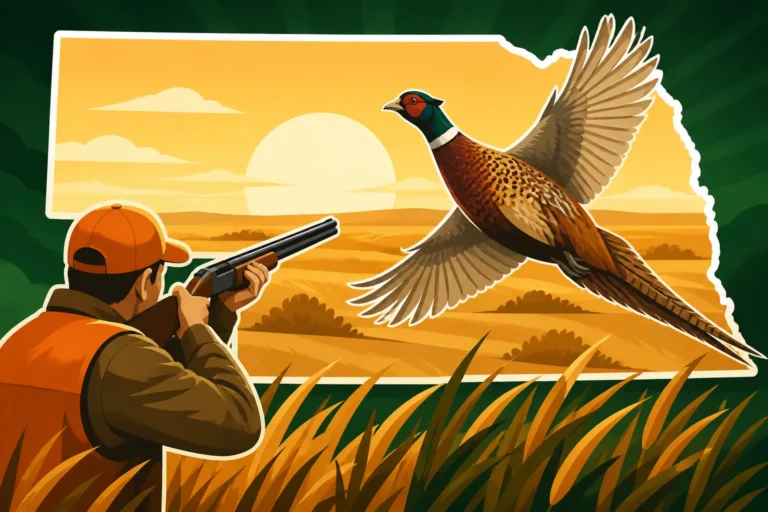
- Be Ready for the Flush: Huns are notorious for their explosive, often simultaneous covey flush. They don't typically hold as tight as quail, nor do they often run like pheasants. They'll blast out of cover in a blur, flying low and fast. This is where quick reflexes and good shotgunning skills come into play. Having a reliable shotgun, perhaps the same one you'd use for pheasants, is key. Think about your Shotguns and Loads for Nebraska Pheasants choices – a fast, open choke is often a good idea.
- Mark the Fall: If you're fortunate enough to drop a bird, mark its fall precisely. Their small size and cryptic coloration can make them incredibly difficult to find in dense cover, especially on a quick retrieve. A well-trained bird dog is invaluable here.
Essential Gear and Expectations
When hunting for Hungarian partridge (or any upland bird in areas where they might exist), your gear setup won't be drastically different from a typical pheasant or quail hunt, but a few considerations are worth noting:
- Good Boots: You'll be covering ground, often in challenging terrain. Comfortable, durable boots that can handle sand, stubble, and potentially rocky areas are a must. Consider some sturdy Boots for Walking Nebraska Grass and Sand.
- Blaze Orange: Safety is paramount, especially when hunting with others. Ensure you meet Nebraska Blaze Orange Square Inches requirements.
- Layered Clothing: Nebraska weather can be unpredictable. Layers allow you to adapt to changing temperatures and conditions throughout the day.
- A Reliable Dog: As mentioned, a well-trained bird dog significantly increases your odds of finding and recovering birds. Huns can be tough for a dog to pin down, as they might flush wild or run a bit before flushing.
- Realistic Expectations: This is the most important piece of "gear." Go into the field expecting to hunt pheasants, grouse, or quail, and consider a Hungarian partridge a true trophy of opportunity. Don't plan an entire trip around them, as you'll likely be disappointed. They are a bonus bird, a rare treat that reminds us of the diverse, albeit sometimes hidden, wildlife Nebraska still holds.
The thrill of hearing that distinct, chattering flush and seeing a covey of Huns rocket away is a memory that sticks with you. While they might be one of Nebraska's rarer upland species, the potential for an encounter adds an extra layer of excitement to any upland hunt.
Why They're So Hard to Find: Factors Affecting Populations
The decline and current scarcity of Hungarian partridge in Nebraska isn't due to any single factor, but rather a complex interplay of environmental changes and biological challenges. Understanding these elements can help shed light on why these beautiful birds are such an elusive prize for today's hunters.
Habitat Loss and Agricultural Shifts
This is arguably the most significant factor affecting Hungarian partridge populations across their introduced range. Huns thrive in a mosaic landscape of small grain fields (like wheat or oats), fallow ground, grassy edges, and diverse native vegetation.
- Monoculture Farming: Modern agriculture in much of Nebraska has shifted towards larger, often continuous fields of corn and soybeans. These crops, while productive, offer very little in the way of suitable nesting cover, brood-rearing habitat, or year-round food sources for Huns. The dense canopy of corn provides minimal overhead protection from avian predators once it grows tall, and after harvest, the fields are barren.
- Loss of Edge Habitat: The push for maximizing tillable acres has often meant removing fencelines, shelterbelts, and weedy field borders. These "edges" are critical for partridge to find insects for their young, escape cover, and travel corridors between different food and cover types. When these are gone, the landscape becomes fragmented and less hospitable.
- Reduced Small Grains: The acreage devoted to wheat and other small grains has decreased significantly in many areas, further impacting a key habitat component for Huns.
Predation and Environmental Pressures
Like all ground-nesting birds, Hungarian partridge face a gauntlet of predators and environmental challenges.
- Predation: Their nests and young are vulnerable to a wide array of predators, including raccoons, skunks, foxes, coyotes, and various raptors. While pheasants and quail also face these threats, Huns may be particularly sensitive given their tendency to nest in more open areas.
- Weather Extremes: Nebraska's weather can be notoriously harsh. Severe blizzards in winter can decimate populations if adequate thermal cover is lacking. Conversely, cold, wet springs can lead to high mortality among newly hatched chicks, who are very susceptible to hypothermia. Droughts can reduce insect populations, a vital food source for growing chicks.
- Competition with Other Species: While not always a direct cause, Huns can face competition for resources with more dominant or abundant upland species like pheasants. Pheasants, with their larger body size and sometimes more aggressive nature, might outcompete Huns for prime nesting or feeding areas, especially in marginal habitats.
The Future of Hungarian Partridge Hunting in Nebraska
Given these challenges, the future of Hungarian partridge hunting in Nebraska remains a niche pursuit. It's unlikely we'll see a widespread resurgence of their populations to the levels of decades past without significant shifts in land use and habitat restoration efforts specifically tailored to their needs.
However, state agencies and conservation groups continue to work on habitat projects that benefit a wide range of upland birds, including pheasants, quail, and grouse. Programs that encourage diverse crop rotations, cover cropping, and the establishment of native grass buffers on agricultural lands can indirectly benefit Huns by creating more favorable conditions. If you're passionate about seeing these birds thrive, supporting habitat initiatives and seeking out landowners who practice diversified farming are excellent ways to contribute. What the Small Game Hunt Permit Covers also helps fund these vital conservation efforts.
For the dedicated upland hunter, the Hungarian partridge in Nebraska will likely remain a symbol of wildness and a testament to the rewards of exploring less-pressured areas. It's a reminder that sometimes, the greatest trophies are the unexpected encounters.
Disclaimer
This article is for general informational purposes only and does not constitute professional advice. Laws, prices and regulations vary by location and change over time. Consult a qualified professional for guidance on your specific situation.