Choosing a Shotgun for Walking Prairie Birds
Choosing a shotgun for Nebraska upland hunting helps you carry a balanced firearm to target pheasants, quail, and grouse.
See it before it sees you.
Binoculars, spotting scopes, and rangefinders, plus packs, boots, layering systems, blinds, and stands that earn their weight.
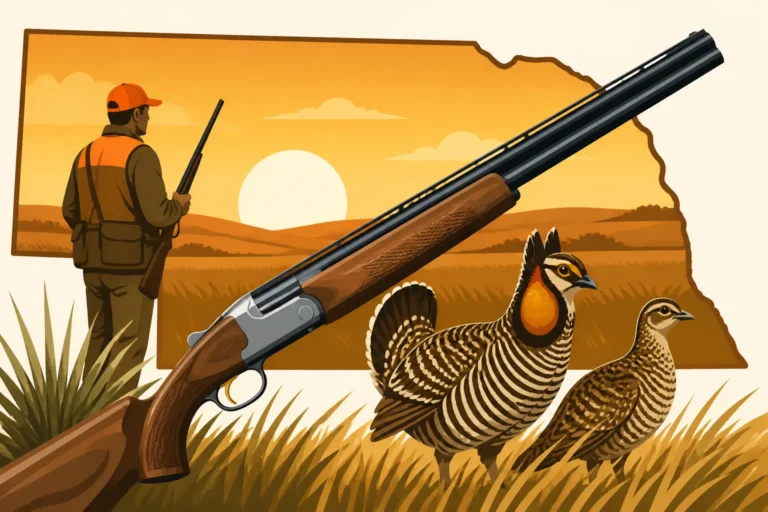
Choosing a shotgun for Nebraska upland hunting helps you carry a balanced firearm to target pheasants, quail, and grouse.
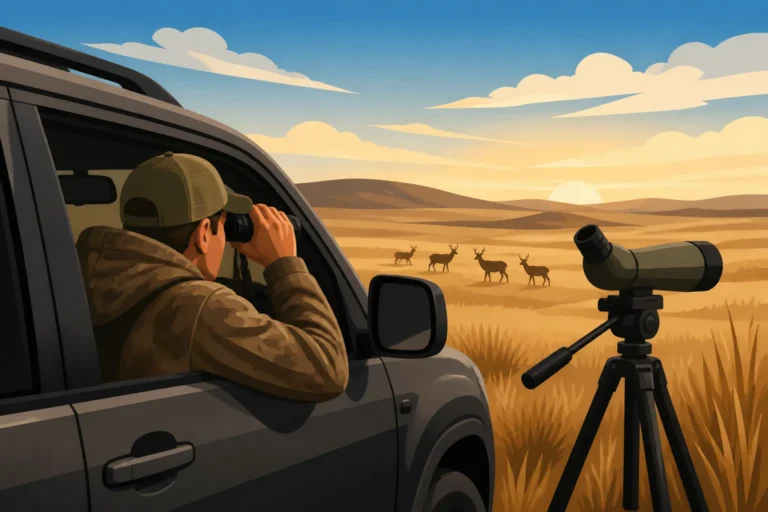
Vehicle glassing in Nebraska provides hunters stealthy mobility and stable tripod setups to spot game across open terrain.
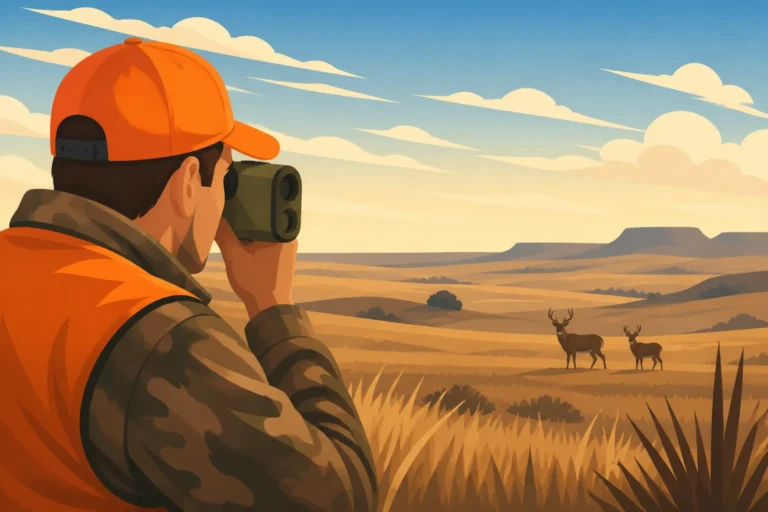
Rangefinders help Nebraska hunters measure distances up to 400 yards across open terrain to ensure ethical shots on mule deer and pronghorn.
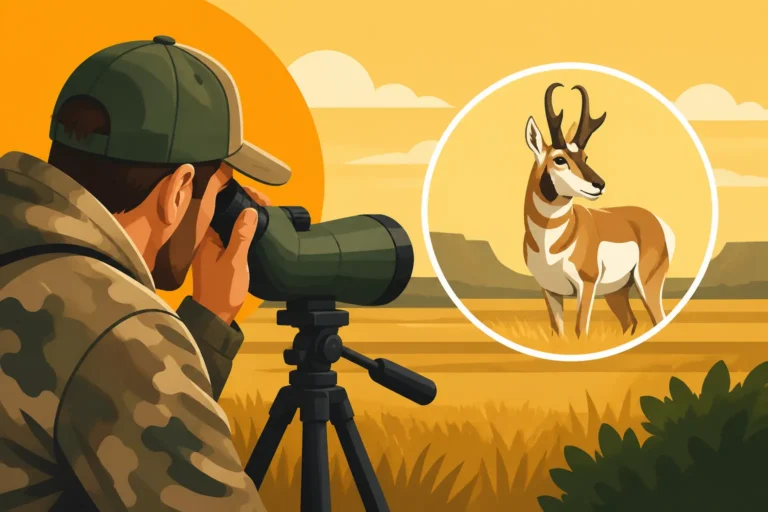
Spotting scopes help Nebraska antelope hunters judge horn size at long distances and avoid ground shrinkage during long stalks.
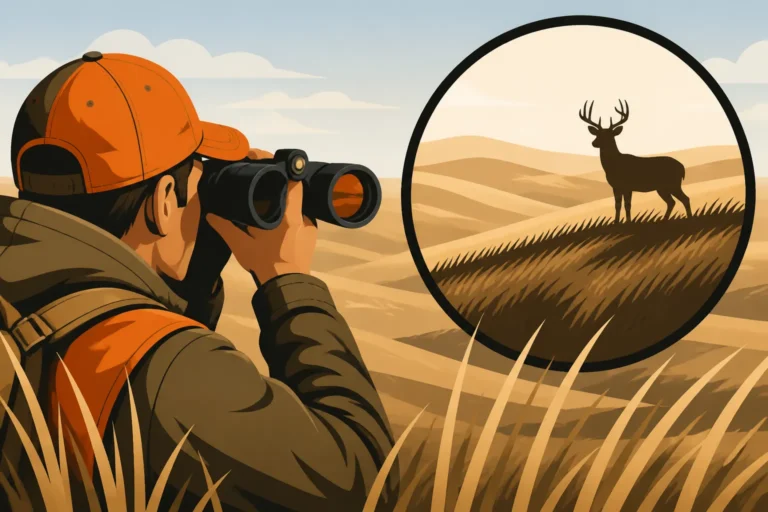
Binocular magnification and optical numbers like 10×42 help hunters locate mule deer and antelope in the Nebraska Sandhills.
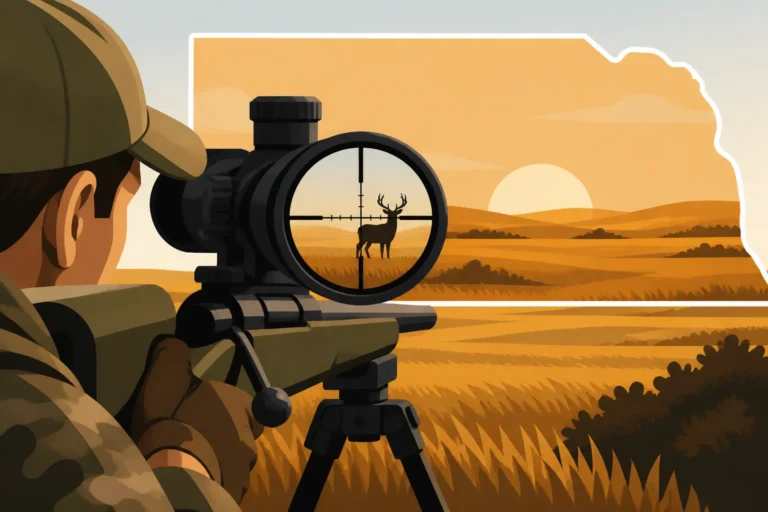
Long-range rifle scopes for Nebraska hunting help hunters make ethical shots across wide Sandhills and three-hundred-yard plains.
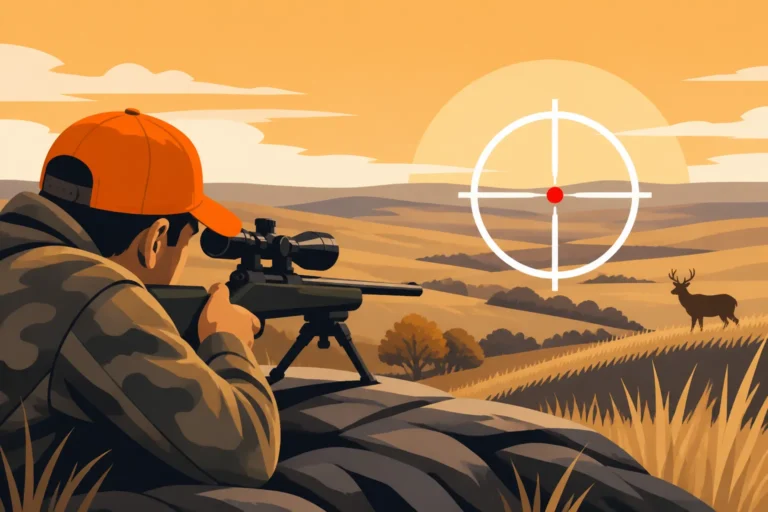
Nebraska rifle zeroing methods help hunters optimize bullet trajectories for long-range shots across prairie and Sandhills terrain.
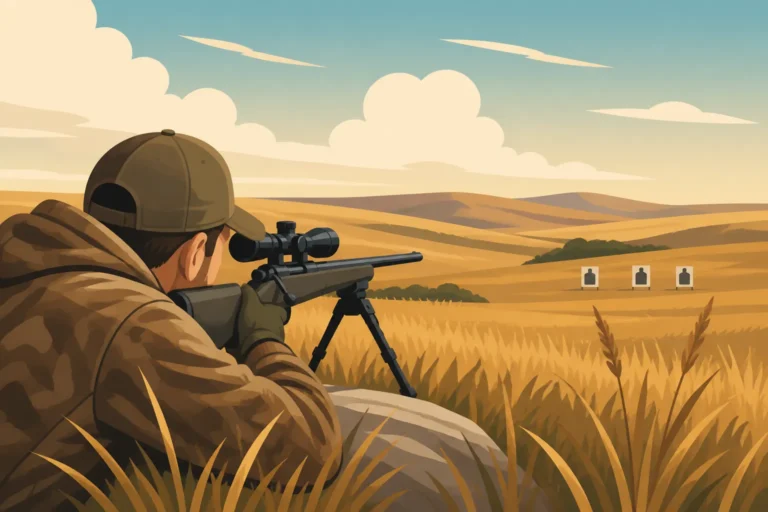
Nebraska prairie hunting distance judgment errors and environmental factors explain how hunters define realistic rifle ranges.
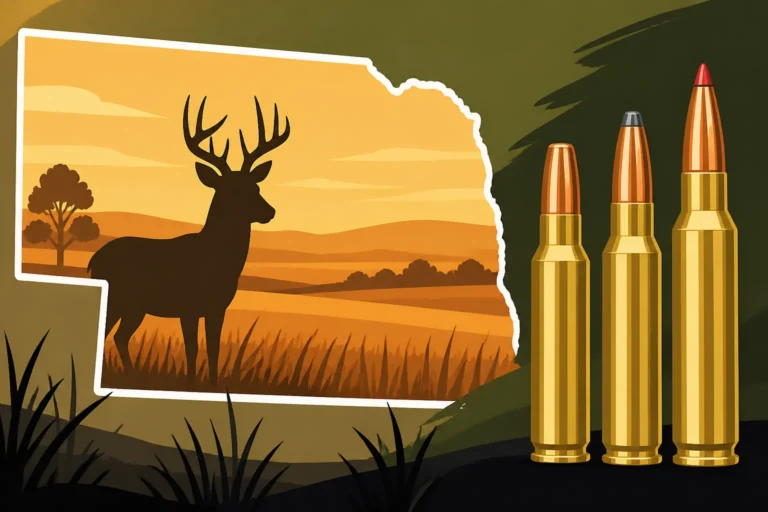
Nebraska straight wall cartridge regulations explain legal deer hunting options, physical case designs, and safety rules.
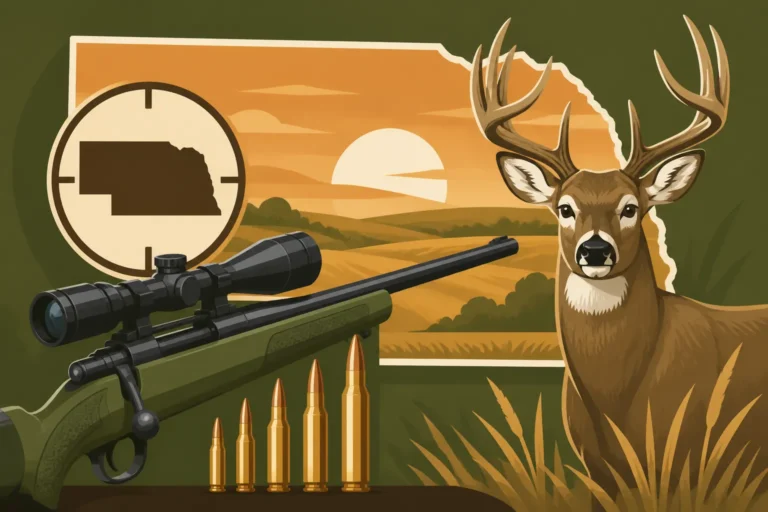
Selecting rifle calibers for Nebraska deer hunting matches specific distances for eastern whitetails and western mule deer.