Nebraska Turkey Population Decline
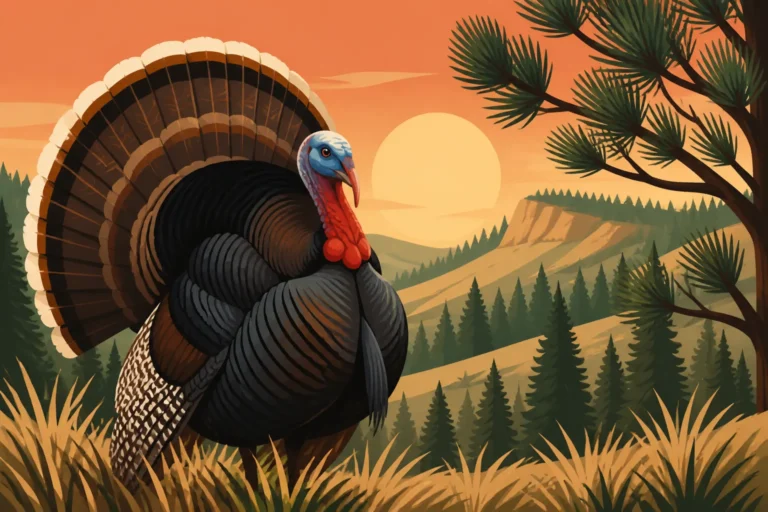
It’s no secret that something feels different in the Nebraska turkey woods. For many of us who’ve cherished those crisp spring mornings, listening for that booming gobble that echoes across a river bottom or through the pines, the silence has become more noticeable. This guide delves into the challenging reality of Nebraska's declining wild turkey populations, exploring the factors behind this troubling trend and what it means for the future of hunting these magnificent birds in our great state.
The Alarming Trend: What We're Seeing on the Ground
For years, Nebraska was a turkey hunting paradise. We saw incredible growth, with birds seemingly everywhere, from the deep river timber of the east to the rugged Pine Ridge in the west. But lately, many hunters are feeling a shift, a quiet uneasiness in their favorite haunts.
Fewer Gobbles, Fewer Birds
You can feel it, can't you? That early morning anticipation used to be filled with the promise of multiple birds sounding off from the roost, almost overwhelming you with choices. Now, it's often a solitary gobble, if you hear one at all, or worse, just the rustle of leaves and the chirp of songbirds. It's a stark contrast to the heydays. Hunters are reporting longer walks, fewer encounters, and a noticeable lack of those tell-tale flocks of hens and poults scratching through the fields in late summer. We're spending more time scouting, more time driving, and often, coming up empty-handed in spots that used to be a sure thing. This isn't just a tough year; it feels like a deeper, more systemic issue that's been building.
This sentiment is shared across hunting camps and coffee shops throughout the state. Folks who’ve hunted Nebraska turkeys for decades are expressing genuine concern, noting that the sparse activity isn't just about hunter pressure or changing habits, but simply fewer turkeys on the landscape. The once-common sight of a hen with a robust string of poults in tow has become a rare, celebrated event, rather than the norm. It's truly changed the character of a spring hunt, moving it from a vibrant, action-packed experience to one that often requires far more patience and a touch more luck.
The Data Echoes Our Concerns
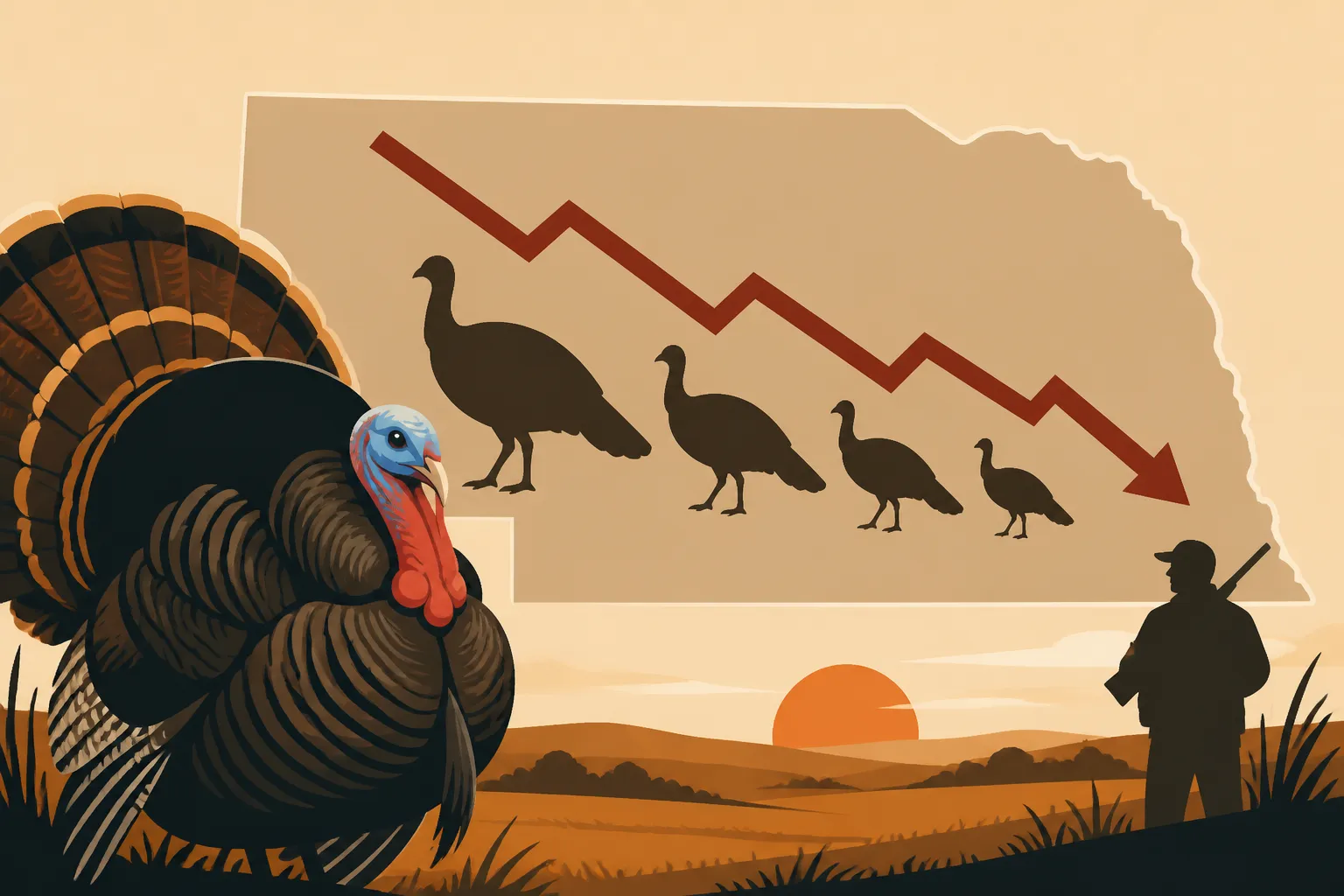
While our gut feelings in the woods are powerful indicators, the scientific data unfortunately paints a similar, sobering picture. State wildlife agencies, including the Nebraska Game and Parks Commission, conduct various surveys, track harvest numbers, and monitor population dynamics, and these metrics are increasingly confirming what hunters are observing firsthand. The annual harvest reports show a clear downward trend in the number of birds taken, and more importantly, the spring hunter success rates are not what they once were. These numbers aren't just statistics; they represent thousands of hunters who went afield and weren't able to fill a tag.
Wildlife biologists point to declining indices in their poult-to-hen ratios, indicating poor recruitment, which is the number of young birds successfully making it to maturity. This is a critical metric because it tells us if enough young are surviving to replace the older birds and sustain the population. When these numbers drop consistently, it's a red flag. Researchers are delving deeper into the specifics, trying to pinpoint exact causes in different regions of the state. For those interested in the official numbers, a quick look at the Nebraska Turkey Population Estimate reveals the severity of this decline, moving from peak numbers to a noticeably reduced population. Tools like GoHunt can be invaluable for cross-referencing this data with specific unit information, helping hunters understand trends in areas they plan to hunt.
A Look Back: Nebraska's Turkey History
To truly understand the current situation, it's helpful to remember just how far turkeys have come in Nebraska and why their abundance became so central to our hunting heritage.
The Restoration Success Story
It’s hard to believe now, but wild turkeys were once completely extirpated from Nebraska by the early 1900s, largely due to unregulated hunting and habitat destruction. The vast, open prairies and agricultural expansion simply weren't conducive to their survival. Fast forward several decades, and the Nebraska Game and Parks Commission, along with conservation partners, began an ambitious and incredibly successful restoration program. This involved trapping wild turkeys from established populations in states like South Dakota and Colorado, and then carefully relocating them to suitable habitats across Nebraska.
These initial releases, primarily of Merriam's turkeys in the Pine Ridge area and later Eastern and Rio Grande subspecies in the river corridors, took hold beautifully. The birds thrived, quickly expanding their range and numbers thanks to protected habitat, favorable conditions, and strong management efforts. It was a conservation triumph, bringing back a magnificent game bird that many believed was gone forever from our state. This success paved the way for modern turkey hunting seasons, quickly establishing Nebraska as a premier destination for pursuing these vocal birds.
The Peak and the Plateau
For many years following the restoration, Nebraska's turkey populations continued to climb, seemingly without limit. We entered what many hunters now refer to as the "golden age" of turkey hunting. Gobblers were plentiful, and the woods were alive with sound. Hunters could often find multiple birds to work in a single morning, and double-digit flocks of hens and poults were a common sight along country roads and field edges. This period, roughly from the late 1990s through the early 2010s, offered incredible opportunities for both residents and nonresidents alike.
Harvest numbers soared, and the challenge for many wasn't finding a bird, but choosing which gobbler to pursue from the cacophony of sounds. This era cemented turkey hunting as a beloved tradition, drawing new hunters to the sport and bolstering local economies in rural areas. The robust populations also allowed for generous bag limits and a relatively long Nebraska Spring Turkey Season Dates, fostering a sense that these birds were here to stay in abundance. However, as is often the case with wildlife populations, what goes up eventually reaches a peak, and then often plateaus, or in this case, begins to recede.
The Suspects: Why Turkey Numbers Are Down
Understanding why turkeys are declining is complex, with multiple factors likely playing a role. It’s rarely just one thing, but rather a combination of pressures that chip away at population health over time.
Habitat Changes and Degradation
One of the most significant long-term challenges facing wild turkeys is habitat. While Nebraska still boasts excellent pockets of turkey country, the overall landscape has seen considerable change. Mature timber, especially along river bottoms which provides crucial roosting and nesting cover, has been impacted by development, timber harvests, and natural events like flooding. Even more subtle changes, such as the loss of diverse understory vegetation due to overgrazing or changes in agricultural practices, can negatively affect nesting success and poult survival. Young turkeys, or poults, need dense, insect-rich cover to hide from predators and find food in their first vulnerable weeks. When this cover is fragmented or disappears, they become easy targets.
Additionally, increased fragmentation of habitat means birds have fewer secure areas to reproduce and thrive without disturbance. What might look like a healthy woodlot from the road could be surrounded by miles of open, manicured fields offering little in the way of safety or food diversity for turkeys. These subtle shifts in the agricultural landscape, combined with urban expansion, continually shrink and degrade prime turkey real estate across the state. Even in areas that seem remote, changes to stream flows or invasive plant species can alter the crucial balance turkeys need to survive.
Predation Pressure
Another major factor contributing to the decline is increased predation pressure, particularly on nests and young poults. While predators are a natural part of any ecosystem, an imbalance can put vulnerable prey species at a disadvantage. Populations of common turkey predators like raccoons, opossums, skunks, and coyotes have generally remained stable or even increased in many areas. These opportunistic predators are highly efficient at finding and destroying turkey nests, devouring eggs, and preying on flightless poults.
A hen turkey might lay a clutch of a dozen eggs, but if that nest is raided, her entire reproductive effort for the season is lost. Even if the eggs hatch, a single successful poult out of a dozen is considered decent survival in some areas. When you factor in the gauntlet young poults must run, from avian predators like hawks and owls to terrestrial ones like coyotes and bobcats, it's a tough world. This consistent pressure on vulnerable eggs and poults means fewer young birds make it to adulthood, directly impacting the overall population health and contributing significantly to the Nebraska Turkey Population Decline. This isn't just about total predator numbers, but also about the availability of alternative food sources for predators; if turkeys are an easy meal, they'll be targeted.
Weather Extremes and Poult Survival
Weather plays a surprisingly critical role in turkey populations, especially during the nesting and brooding periods. Wild turkeys are resilient, but their young are incredibly fragile. Cold, wet springs, particularly those with prolonged periods of rain or unseasonably low temperatures shortly after poults hatch, can be devastating. Young poults, especially within their first few weeks of life, are highly susceptible to hypothermia and pneumonia. Their feathers aren't fully developed to provide insulation, and constant dampness can quickly lead to mortality.
When you have a series of springs with these adverse weather conditions, it directly impacts the annual recruitment. If hens hatch successful clutches, but most of the poults perish in a cold snap or a week of rain, the population cannot rebound. This is precisely why monitoring Why Nebraska Turkey Poult Survival Dropped is such a key indicator for wildlife managers. A few bad weather years in a row can have a compounding effect, making it incredibly difficult for the population to recover even if subsequent years have ideal conditions. It's a natural bottleneck that has become more pronounced in recent years.
Disease and Other Factors
While habitat loss, predation, and weather are often the primary drivers, disease can also play a role in localized turkey declines. Avian diseases, such as Avian Pox or Lymphoproliferative Disease (LPDV), can spread through dense turkey populations. While turkeys often recover, these diseases can weaken birds, make them more susceptible to predation, or impact their reproductive success. Though not typically a widespread population killer in the same way as, say, EHD for deer, localized outbreaks can suppress numbers in certain areas.
Other factors, though often debated, include cumulative hunting pressure, especially on gobblers during the spring, which can theoretically impact breeding dynamics if too many dominant breeders are removed before they have a chance to breed. However, most wildlife agencies manage hunting seasons to avoid this issue. Changing agricultural practices like earlier harvests or increased pesticide use could also indirectly affect turkey food sources (insects, seeds) or nesting cover, adding another layer of stress to the population. It's a complex web where all these elements can interact, making a definitive single cause elusive.
Impact on the Hunter: Tougher Seasons and New Realities
The decline in turkey numbers isn't just a biological statistic; it has very real, tangible effects on the hunting experience and the opportunities available to us.
Declining Success Rates and Frustration
For those of us who plan our spring around chasing gobblers, the past few years have brought a new level of challenge, and with it, a fair bit of frustration. Fewer birds on the landscape naturally mean lower success rates. The days of confidently heading to a known spot and expecting to call in a bird are, for many, a fading memory. Instead, hunters are reporting longer hours afield, significantly more miles walked, and often, only hearing a few distant gobbles – or none at all. This forces a complete rethinking of strategy; a successful hunt now often means adapting to these new conditions, even resorting to Run-and-Gun Turkey Tactics on Nebraska Public Ground over traditional static calling.
This isn’t just about filling a tag; it's about the entire experience. The thrill of a close-range gobble, the heart-pounding anticipation of a strutting tom coming into view – these moments are becoming rarer. Hunters are feeling the pinch in their wallets too, spending more on fuel and gear for less return. It's a testament to our passion that we keep going, but it’s undeniable that the joy of the pursuit is tempered by the uncertainty of finding a bird. Many are now adjusting expectations, finding satisfaction in simply hearing a gobble or witnessing a turkey, even if a shot opportunity never arises.
Changes in Permit Availability and Management
One of the most direct and noticeable impacts of declining turkey populations has been on permit availability and the way Nebraska Game and Parks manages seasons. In an effort to respond to the reduced numbers and ensure sustainable hunting, there have been adjustments, particularly for nonresident hunters. Historically, Nebraska was known for its generous nonresident turkey opportunities, but as populations contracted, so did the number of available permits. For instance, the imposition of The 10,000 Nonresident Turkey Permit Cap was a direct response to concerns about overall population health and maintaining opportunity for residents.
These changes mean that planning a turkey hunt in Nebraska now requires more foresight and sometimes a bit of luck to secure a permit. Nonresidents, in particular, need to be vigilant about application dates and permit availability. Even residents might find certain units more competitive than in years past, especially in highly productive areas. These management decisions, while sometimes frustrating for individual hunters, are crucial steps taken by the Commission to safeguard the turkey resource. Hunters using resources like GoHunt can stay informed on these critical changes, helping them navigate the often-complex permit landscape and ensuring they're aware of any restrictions or sell-out dates.
The Road Ahead: Conservation and Management Efforts
Despite the challenges, there is hope. Wildlife agencies and conservation organizations are actively working to understand and address the decline. Hunters also have a vital role to play in reversing this trend.
Agency Efforts and Research
The Nebraska Game and Parks Commission is keenly aware of the turkey decline and is actively engaged in various efforts to understand and mitigate it. They are intensifying research into the specific causes of poult mortality, habitat use, and disease prevalence across different regions of the state. This involves field studies, radio-telemetry projects to track hens and poults, and genetic analysis to assess population health. The goal is to gather robust scientific data to inform effective management strategies.
In addition to research, the Commission works on habitat improvement projects on public and private lands. This might include prescribed burns to enhance understory diversity, planting beneficial native vegetation, or collaborating with landowners to create and protect crucial nesting and brooding cover. Education and outreach are also key components, informing hunters and landowners about best practices for habitat management and ethical hunting. They are constantly evaluating harvest data and season structures, making informed decisions on permits and bag limits to ensure hunting remains sustainable even with reduced populations.
What Hunters Can Do
As hunters, we are often the first to notice changes in wildlife populations, and we also have a responsibility to be part of the solution. Supporting conservation efforts is paramount. This means purchasing habitat stamps and permits, as these funds directly contribute to habitat acquisition and management. Joining and contributing to organizations like the National Wild Turkey Federation (NWTF) or other local conservation groups provides crucial resources for habitat projects and research specifically focused on wild turkeys.
Beyond financial contributions, active participation can make a difference. Consider enhancing habitat on your own land or working with neighbors to improve contiguous areas. Even small actions like leaving standing cover or creating brush piles can provide valuable nesting and escape cover for turkeys. Reporting your harvest accurately and participating in voluntary surveys helps wildlife managers gather better data. Furthermore, practicing ethical hunting means respecting bag limits, ensuring clean kills, and recognizing that in a time of declining numbers, managing expectations and focusing on the experience, rather than just the harvest, is vital. Using detailed planning tools like GoHunt to research turkey distribution and current regulations for a unit before you even leave home is also a great way to be a more informed and responsible hunter, especially when trying to pinpoint where you might hear that booming gobble.
Current Nebraska Turkey Population Data and Trends
To provide a clearer picture of the situation, let's look at a simplified comparison of what we generally observed during the peak turkey years versus what we're seeing now.
| Characteristic | Peak Years (Approx. 2000-2015) | Current Trends (Approx. 2018-Present) |
|---|---|---|
| Population Abundance | High to Very High; widespread | Moderate to Low; increasingly localized |
| Gobbling Activity | Frequent, multiple birds often heard from roost | Infrequent, often single birds, quieter woods |
| Poults per Hen (Recruitment) | Generally strong (3+ poults per hen common) | Weak to Very Weak (often 1-2 poults per hen or less) |
| Hunter Success Rates | High (often 50%+) | Moderate to Low (often below 30% in many areas) |
| Permit Availability | Generally abundant, including liberal nonresident options | More restricted, nonresident caps, some units selling out |
| Habitat Quality | More contiguous, diverse understory | Fragmented, less diverse, susceptible to changes |
| Predation Impact | Present, but offset by high recruitment | Significant, heightened impact due to low poult survival |
| Weather Impact | Less noticeable impact on overall population trend | Major factor, cold/wet springs severely impact poult survival |
This table illustrates the stark contrast between the flourishing populations we once enjoyed and the leaner times we're currently experiencing. It underscores the multi-faceted nature of the decline and highlights why adaptive management and hunter involvement are more critical than ever.
Disclaimer
This article is for general informational purposes only and does not constitute professional advice. Laws, prices and regulations vary by location and change over time. Consult a qualified professional for guidance on your specific situation.